
Réunion packs into a single island what most travellers spend a lifetime chasing across several countries: an active volcano to hike, mountain cirques reachable on foot, a waterfall ranked among France’s highest, and a turquoise lagoon to decompress between ascents. A week covers the highlights; a fortnight lets you dig into the corners.
Protect my Réunion tripHiking to the Crater of Piton de la Fournaise
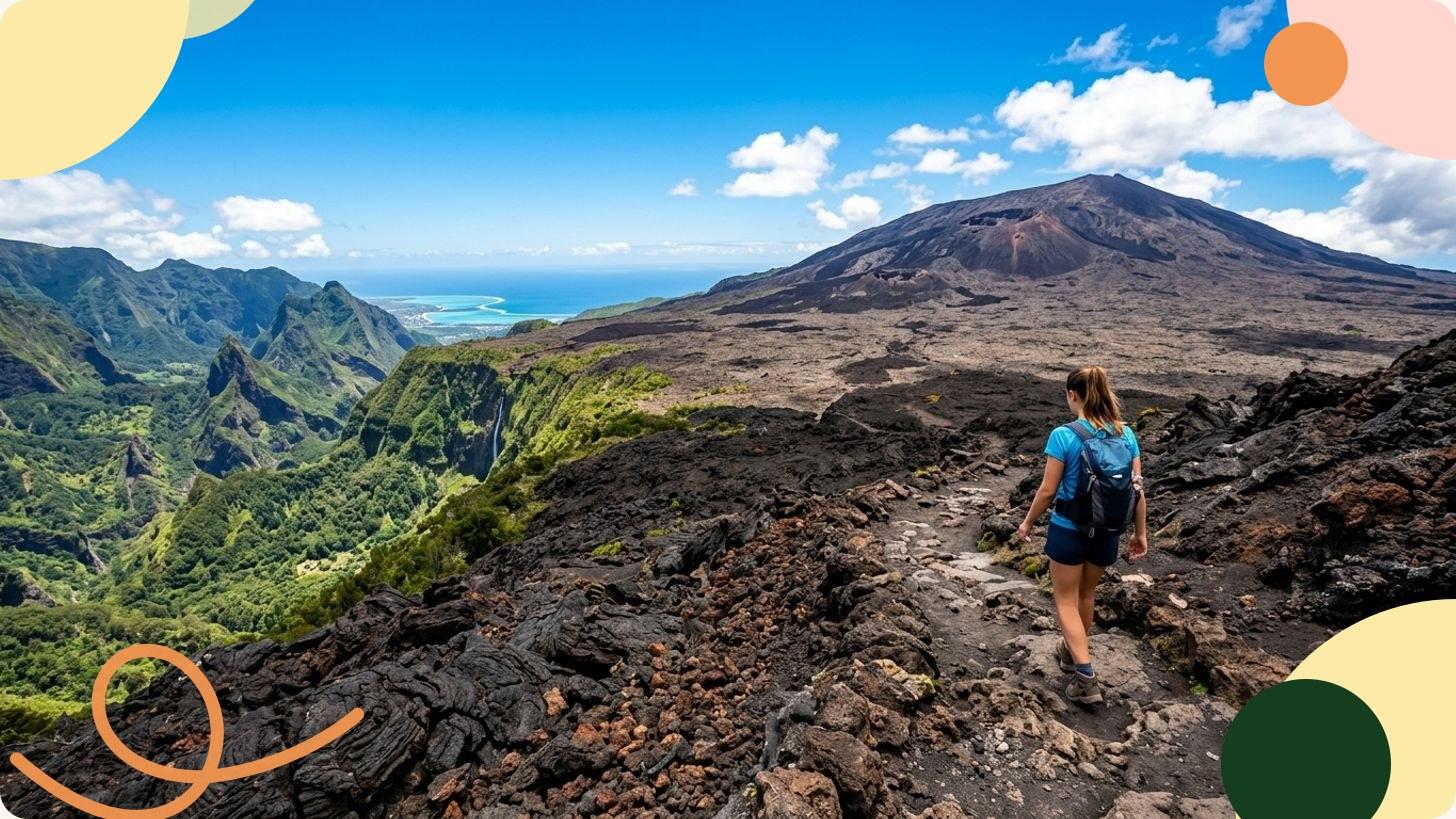
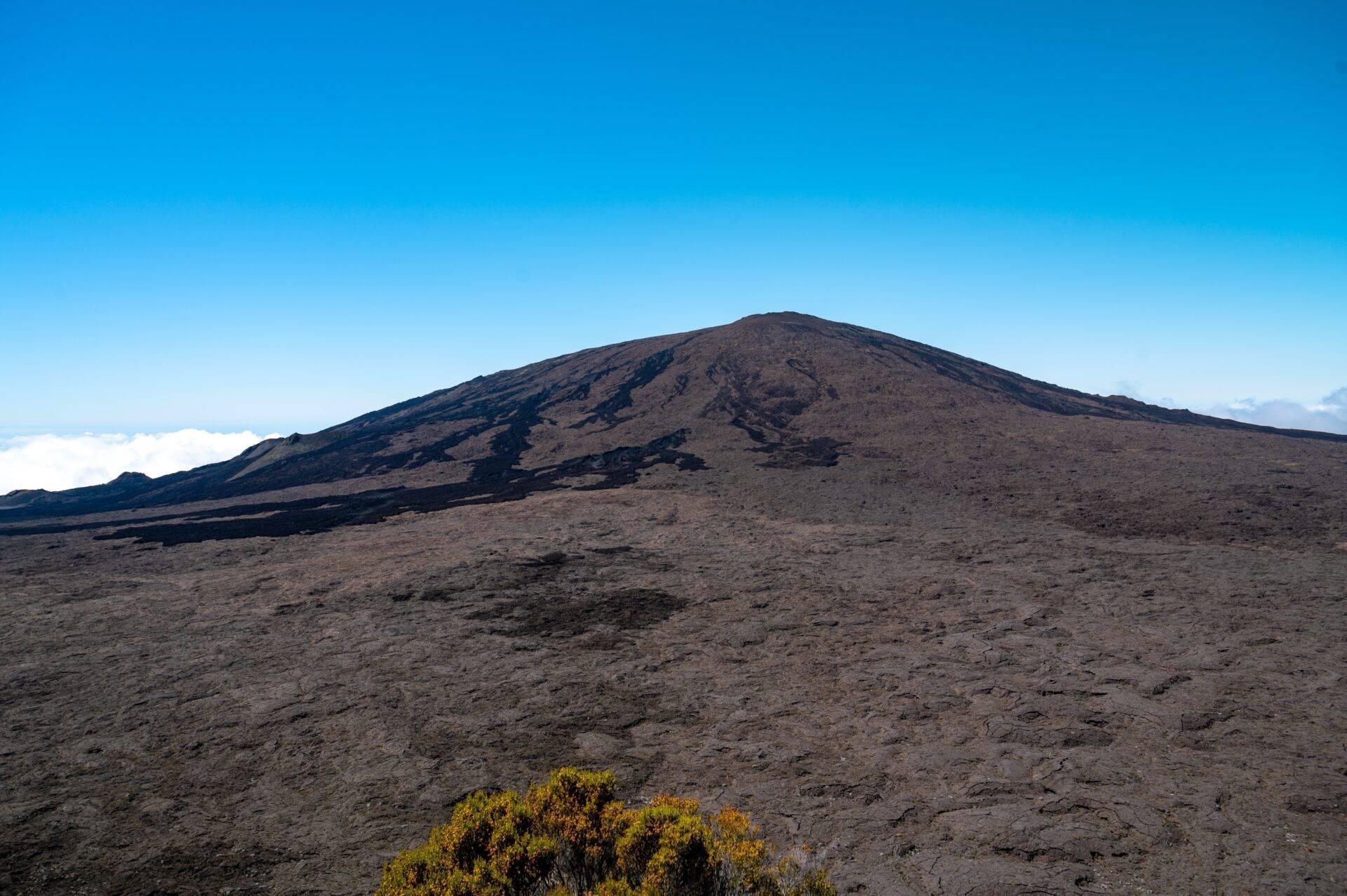
Piton de la Fournaise tops out at 2,632 metres and ranks among the world’s most active volcanoes, erupting on average every nine months. The classic route from the Pas de Bellecombe car park (2,311 m) covers roughly 11 km return with 600 metres of elevation gain, four to six hours depending on your pace. The path crosses the Enclos, a vast plateau of solidified lava in shades of ochre and black, before reaching the crater rim. Nothing quite prepares you for the view: dark rock, sulphurous wisps and the Indian Ocean stretching to the horizon.
The most recent significant eruption ran from February to April 2026. The Enclos has since reopened, though only on the authorised trails in line with current prefectural orders. Check fournaise.info before you set off: access can close without warning.
Exploring the Three UNESCO-Listed Cirques
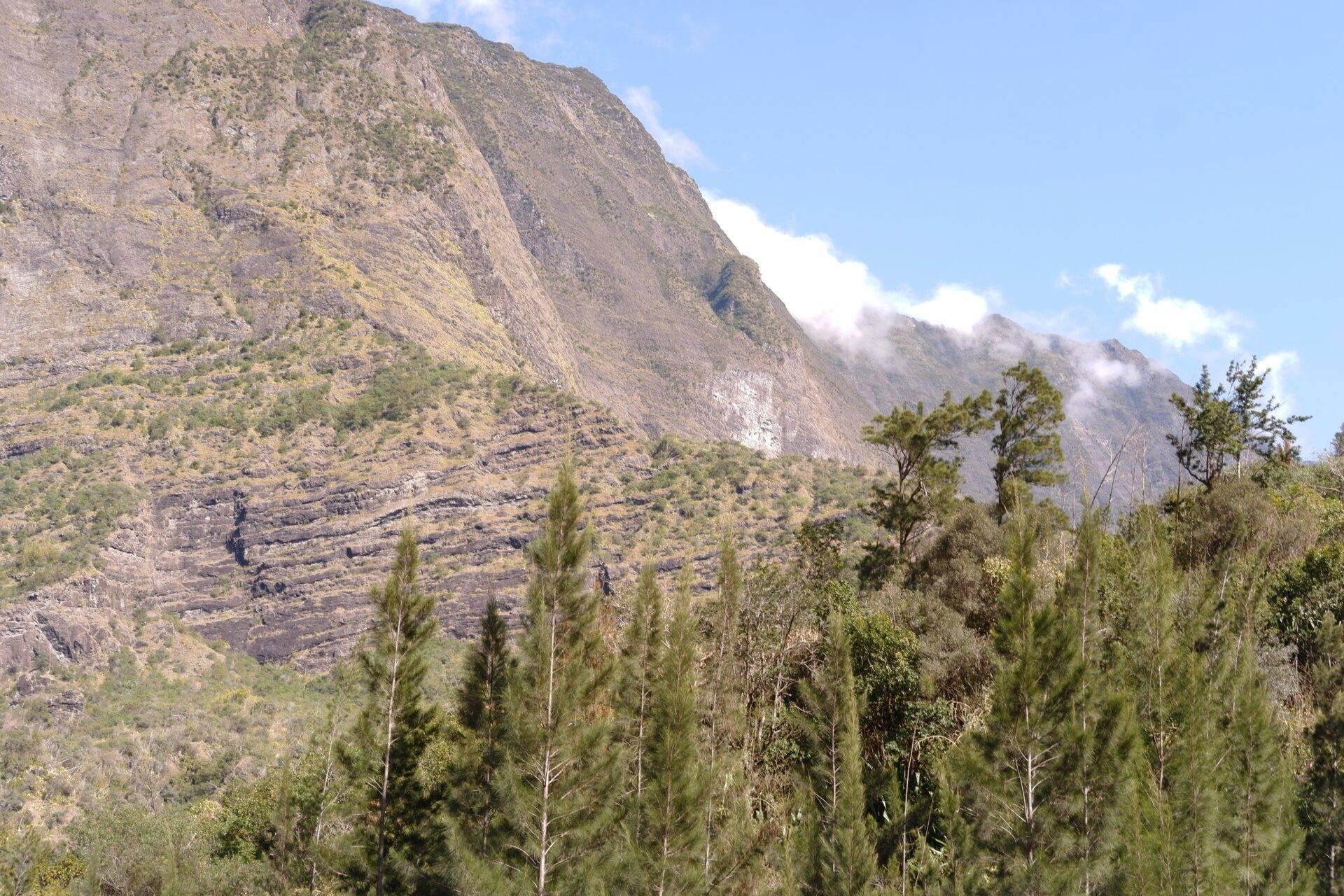
Cilaos, Salazie and Mafate are ancient collapsed calderas, carved by erosion into vast amphitheatres of basalt and forest. Listed alongside the island’s ramparts and pitons as a UNESCO World Heritage Site, they each offer a distinct experience.
Cilaos: Vines, Thermal Springs and High Peaks
Cilaos is reached from Saint-Louis along a road famous for its 400 hairpin bends, a spectacle in itself. The village produces the island’s only wine and is home to thermal springs. It is also the starting point for the GR R2, which circuits Piton des Neiges (3,070 m, the highest peak in the Indian Ocean).
Salazie: Waterfalls and Creole Architecture
More easily reached from Saint-André along a road that follows the Rivière du Mât valley, Salazie is the wettest and most verdant of the three cirques. The Voile de la Mariée waterfall can be spotted right from the roadside. Hell-Bourg, a village tucked at the foot of the cirque, is known for its traditional Creole timber houses. Salazie is also the gateway to the Trou de Fer waterfall (see below).
Mafate: The Roadless Cirque
Mafate is the only cirque with no road access: the sole ways in are on foot or by helicopter. Over 100 km of trails wind through this world of ridges and remote hamlets. The Col des Bœufs from Salazie is the easiest entry point, bringing you to the hamlet of La Nouvelle in under three hours. Without a single tarmac road, Mafate exists on its own terms: Creole guesthouses welcome trekkers for one night or several. The GR R3 loops the entire cirque.
If island trekking through pristine wilderness appeals, What to Do in New Caledonia offers another wild playground in the Pacific.
Trou de Fer: France’s Highest Waterfall
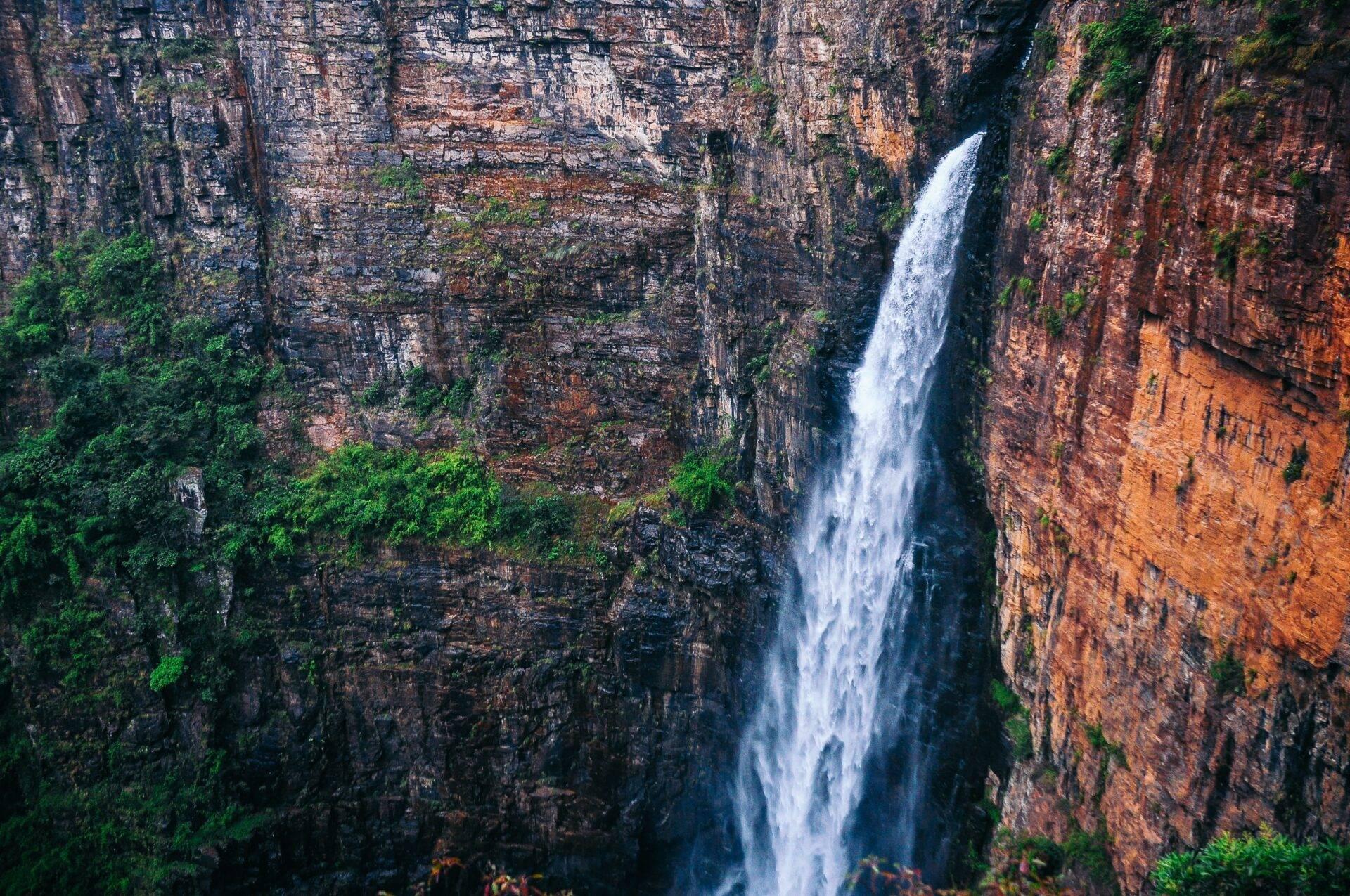
Trou de Fer is a gorge cut into the Piton des Neiges massif, formed by a partial collapse of the mountainside. Several streams plunge into it: the main drop reaches 305 metres, with a cumulative fall of 725 metres across four cascades, making it the highest waterfall in France. The gorge itself is off-limits, but a viewing platform installed opposite delivers a breathtaking look straight down into the scene.
The trail from the Bélouve refuge takes roughly three hours return, passing through old-growth forest. It is suitable for families outside the rainy season. For those who want a closer look from above, local operators run helicopter excursions over the falls.
The Route des Laves: Check Before You Go
The Route des Laves follows the south-eastern coast between Saint-Philippe and Sainte-Rose, cutting through kilometres of solidified lava flows from Piton de la Fournaise. The contrast between the deep black of the volcanic rock and the green of plants slowly reclaiming the landscape makes this one of the island’s most striking drives.
2026 update: the February 2026 eruption sent three lava flows across the RN2, cutting the road on 13 March 2026. Partial traffic resumed on 18 May 2026. Full reconstruction is scheduled for the second half of 2026. Check with local authorities or your accommodation before building this route into your itinerary.
Lagoon, Beaches and Surf on the West Coast
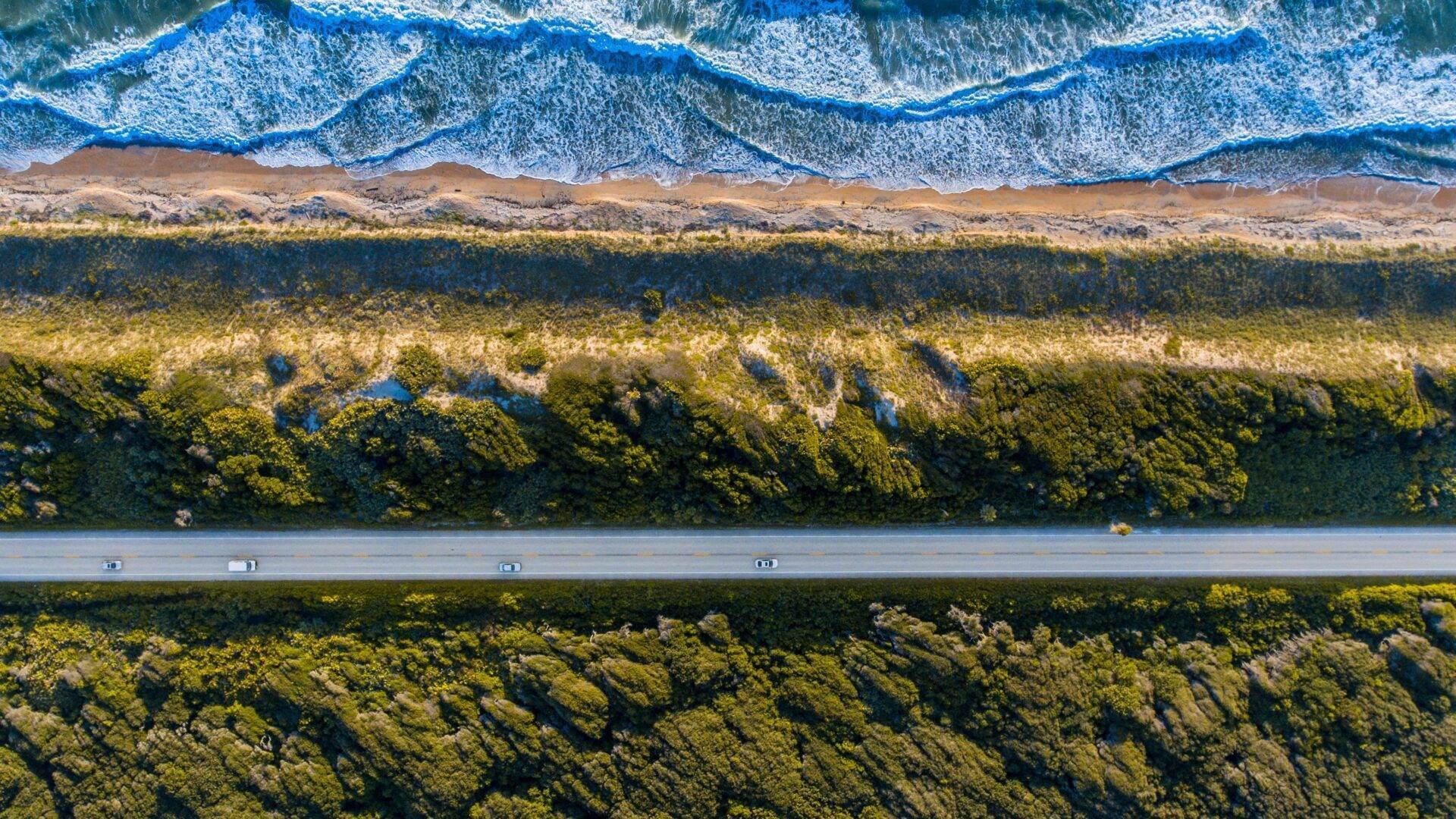
The west coast holds the island’s sheltered beaches, protected by a fringing reef. L’Hermitage, La Saline-les-Bains, Boucan Canot and Saint-Gilles-les-Bains all offer clear, calm water inside the lagoon. Diving and snorkelling clubs are plentiful in Saint-Gilles and Saint-Leu.
Saint-Leu is also Réunion’s surfing heartland: the left-hand break off the town has hosted WSL World Championship Tour events. The most popular spots shift with the swell, spread between Saint-Leu, Étang-Salé and Saint-Pierre.
Watching Humpback Whales (June to October)
From June to October, humpback whales visit Réunion’s waters to breed and calve. Boat trips from the marina at Saint-Gilles-les-Bains put you alongside these cetaceans in their natural environment. From the shore, free vantage points dot the coastline from Cap La Houssaye down to Trois-Bassins.
September is a particularly good time to visit: whales are still around, weather is settled, coastal temperatures sit between 22 and 27°C, and crowds thin out after the French school holidays.
The Indian Ocean is full of islands with strong personalities. To compare the two neighbouring destinations before choosing, see What to Do in Mauritius.
FAQ
When is the best time to visit Réunion Island?
The dry season, from May to October, is the best time for hiking: clear skies, walkable trails and sharp panoramas from the remparts. September ticks several boxes at once: the tail end of whale season, pleasant coastal temperatures between 22 and 27°C, and fewer tourists. The wet season (November to April) makes high-altitude treks risky and brings the threat of cyclones.
Is the Piton de la Fournaise hike suitable for everyone?
The standard route from the Pas de Bellecombe (roughly 11 km return, 600 m elevation gain, 4 to 6 hours) suits walkers with some mountain experience. No technical gear is required, but sturdy hiking boots and a decent level of fitness are essential. Access can be closed without notice during an eruption or volcanic alert: always check fournaise.info before leaving.
How do you get to the Mafate Cirque?
Mafate is the only cirque in Réunion with no road access. You can only enter on foot or by helicopter. The most popular route from Salazie is via the Col des Bœufs, which leads to the hamlet of La Nouvelle in under three hours on foot. Local guesthouses take in trekkers for multi-day routes through the cirque.
Can you spot whales from the shore in Réunion?
Yes. Between June and October, free viewpoints along the west coast allow you to spot humpback whales from the shoreline, particularly between Cap La Houssaye and Trois-Bassins. Boat trips from Saint-Gilles-les-Bains get you considerably closer.
Is the Route des Laves open in 2026?
The RN2 was cut by lava flows on 13 March 2026. Partial traffic resumed on 18 May 2026, and full reconstruction is planned for the second half of 2026. Check the road status with local authorities or your accommodation before adding this route to your plans.