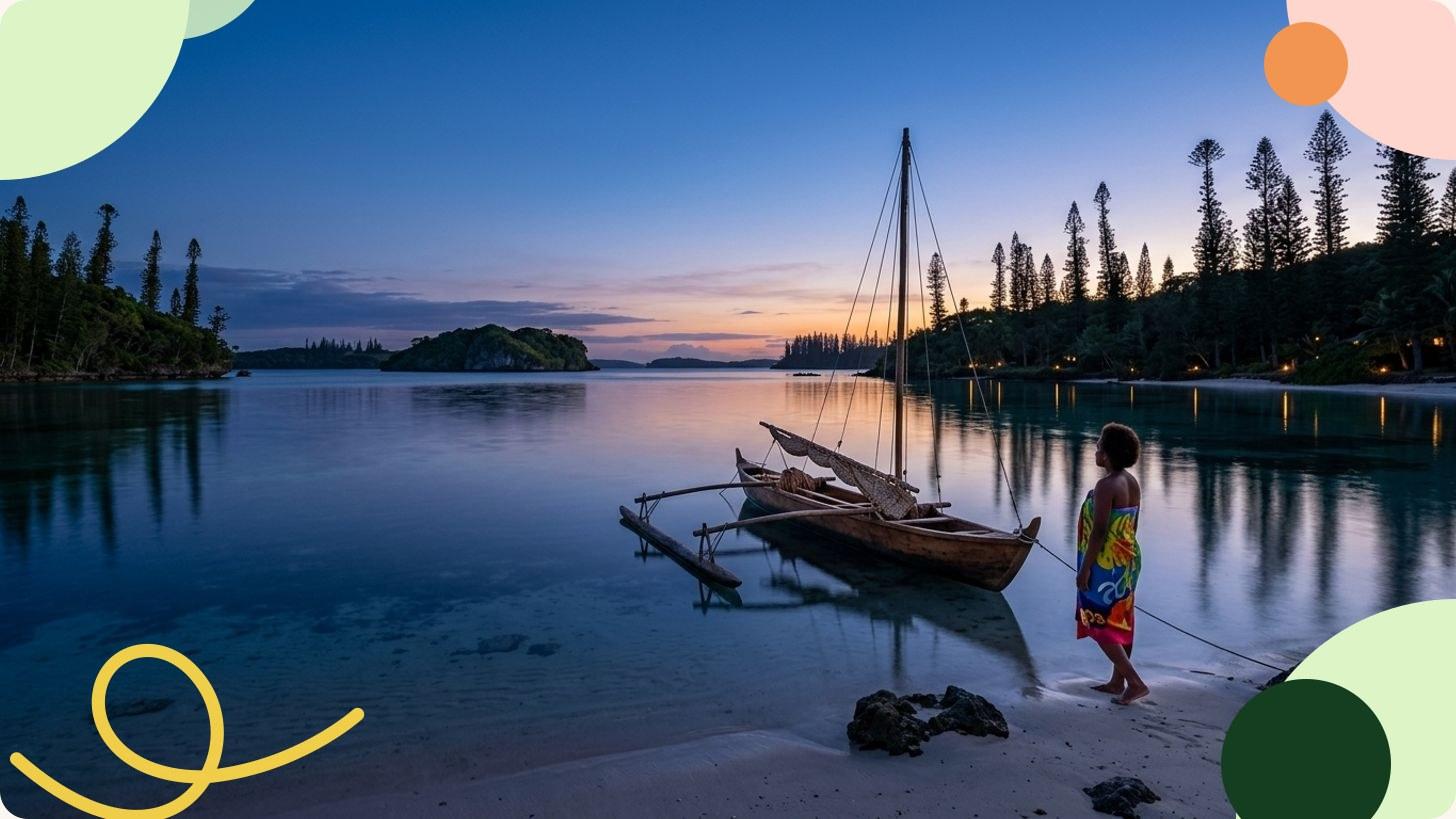

New Caledonia packs, into a territory roughly the size of Wales, a UNESCO World Heritage lagoon, near-deserted white sand beaches, tropical forest home to unique species and a vibrant living Kanak culture. Whether you have a week or a fortnight, the territory lends itself equally well to unwinding on the Isle of Pines, active exploration of the main island, or full immersion in the Loyalty Islands.
Plan my trip with confidenceThe Isle of Pines: crystal-clear waters and columnar pine forest
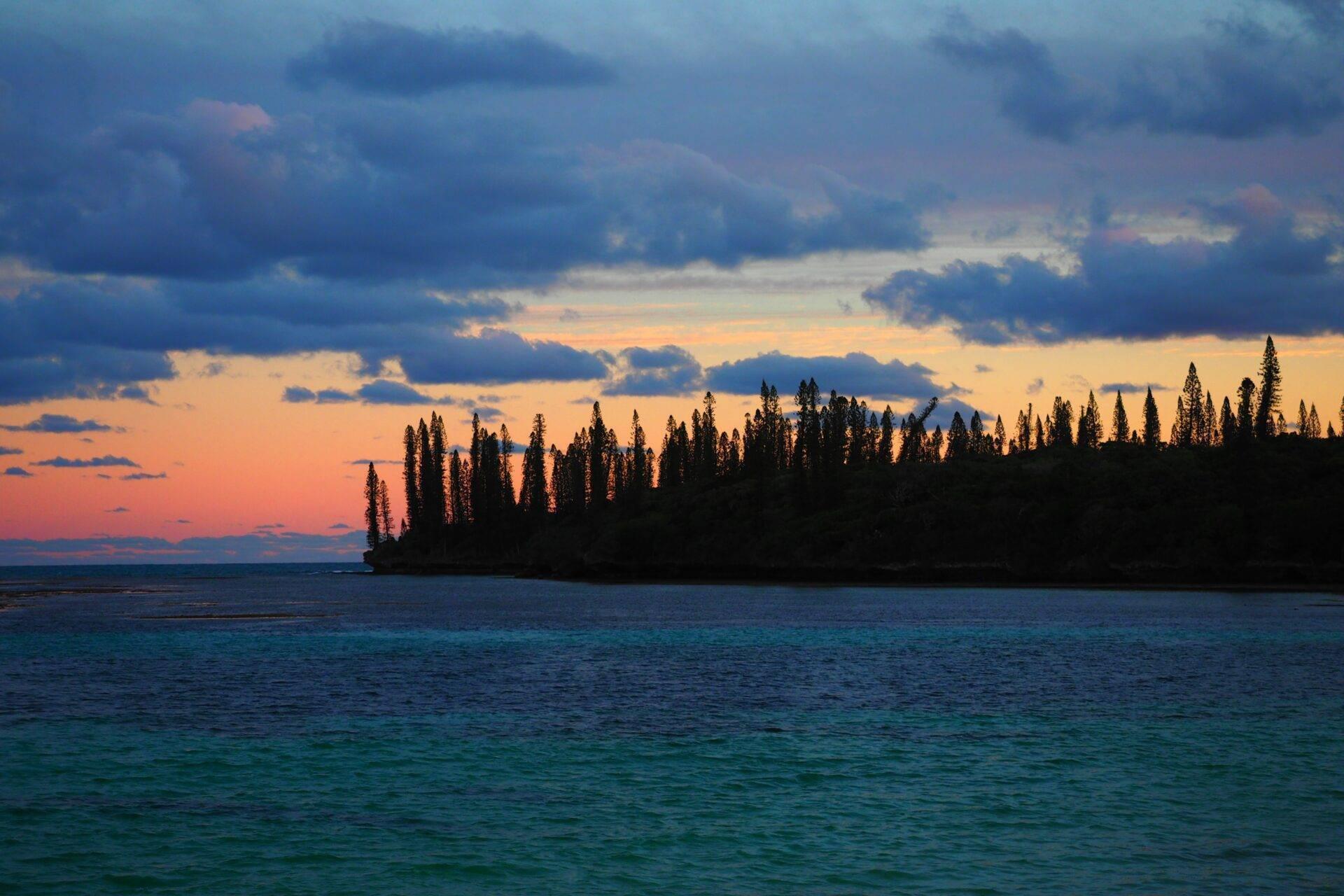
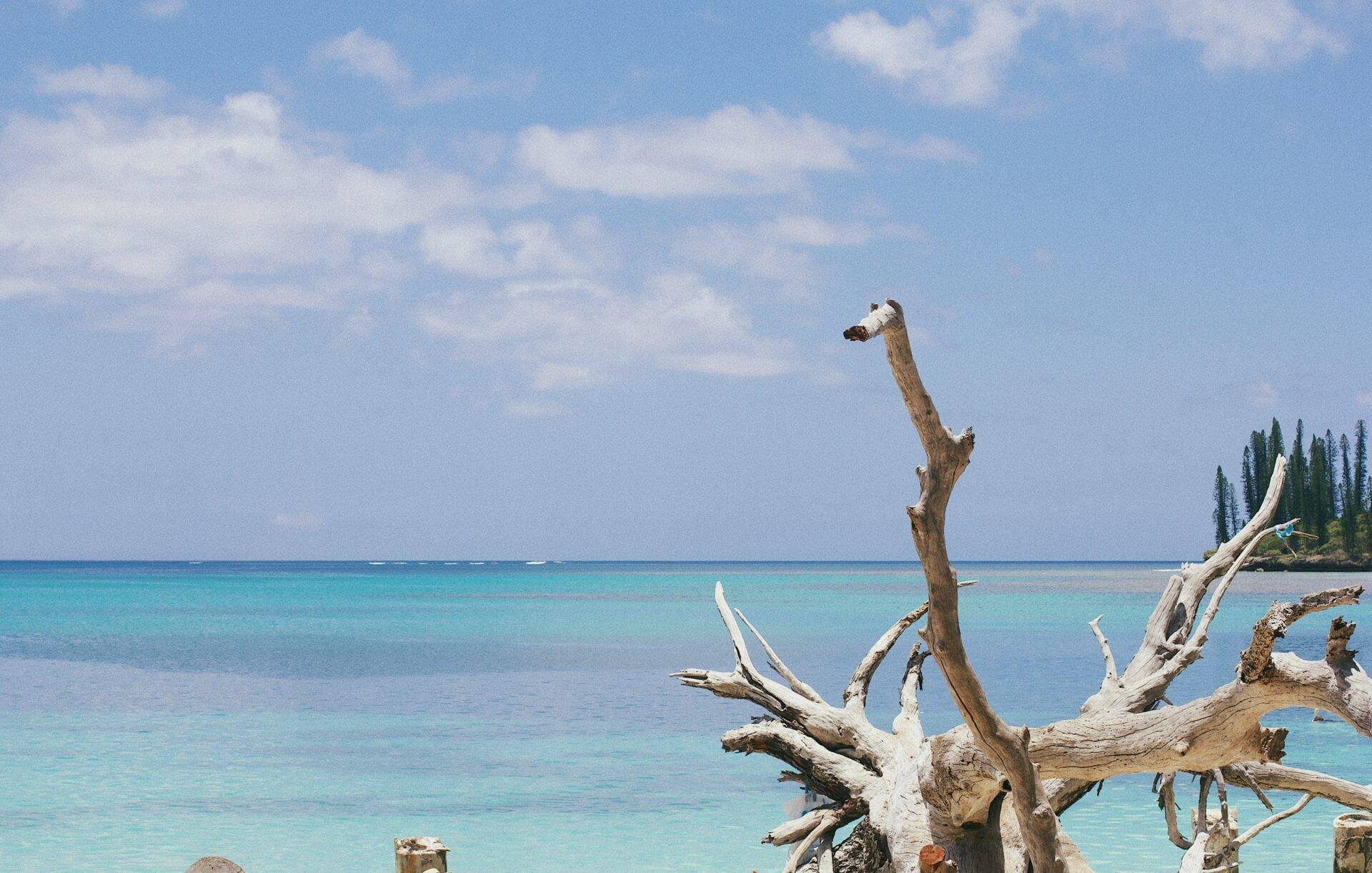
The Isle of Pines, around 80 km south of Nouméa, owes its distinctive character to two complementary assets: bays with strikingly transparent water and a forest of columnar pines that sets it visually apart from every other island in the Pacific. Kuto and Kanumera, its two most popular bays, offer visibility of several metres to the bottom, ideal for swimming and family snorkelling. Hiking trails wind through the pine forest and open onto sea views at every clearing. The surrounding Kanak villages welcome visitors and offer an authentic encounter with local life.
Grande Terre: mountains, coastlines and Kanak villages
Grande Terre holds New Caledonia’s full range of landscapes: mountain ridges, a drier western coast and a lush, verdant eastern coast. Hienghène, in the north-east, is known for its dramatic dark limestone formations, sheltered bays accessible by kayak and mountain streams that tumble down to the sea. The Col de Prony pass, in the south, opens onto sweeping views over the Southern Massif and its dense forest. Villages along the eastern coast offer a window into traditional Kanak architecture, with ceremonial huts and carved sculptures.
Nouméa: a seaside city with a Melanesian soul
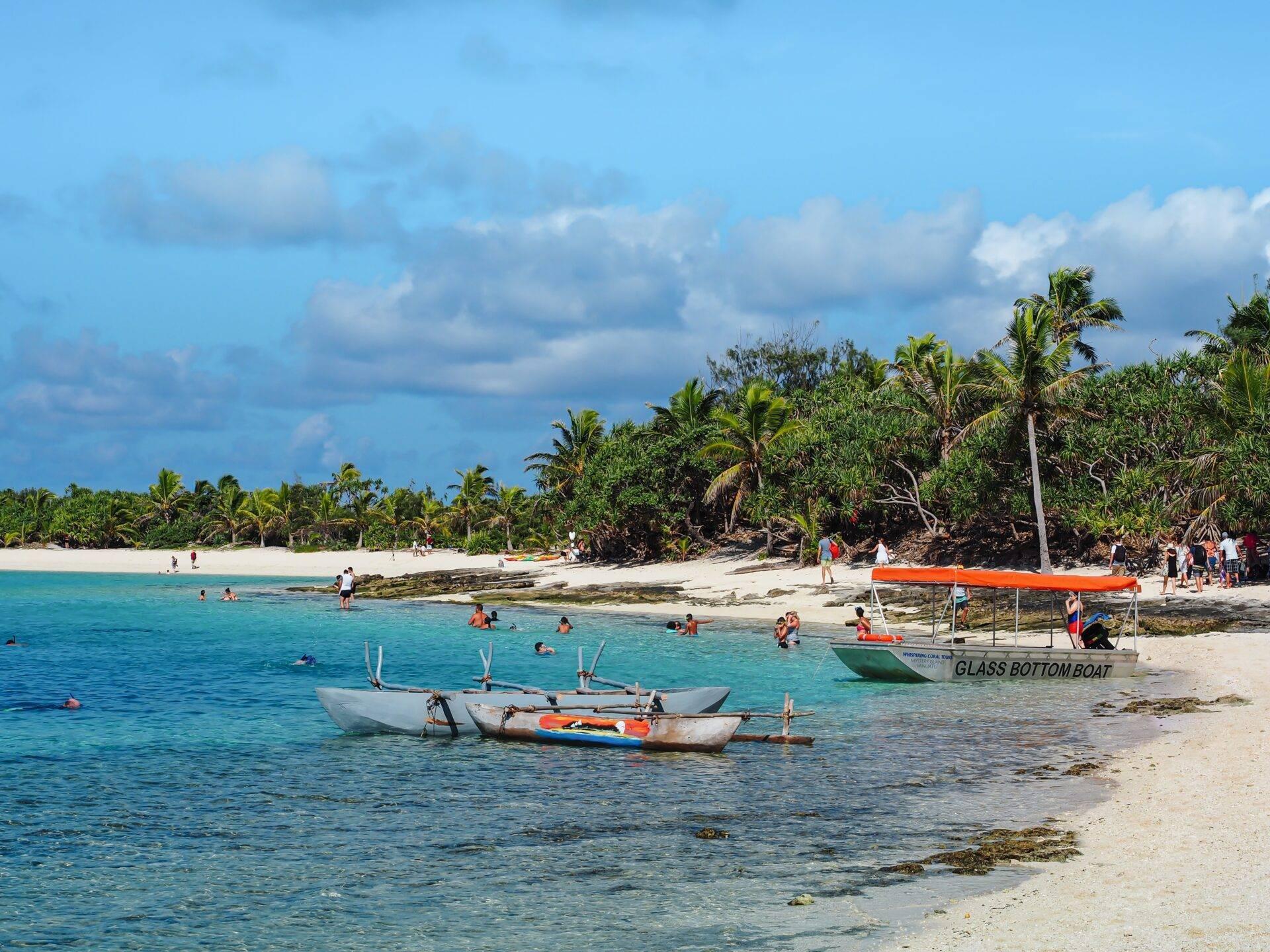
Nouméa is the territory’s only cosmopolitan city and the natural gateway for most visitors. Anse Vata and Baie des Citrons are home to sailing clubs, waterfront restaurants and lively markets. The New Caledonia Museum traces the history of the archipelago and showcases Kanak arts. The Tjibaou Cultural Centre, designed by architect Renzo Piano, is dedicated to contemporary Melanesian culture: its pavilions, inspired by the great Kanak huts, have become an architectural landmark of the South Pacific. The Pierre-Vernier promenade follows the bay, with views over the harbour and surrounding islets.
The lagoon: diving and snorkelling from Nouméa
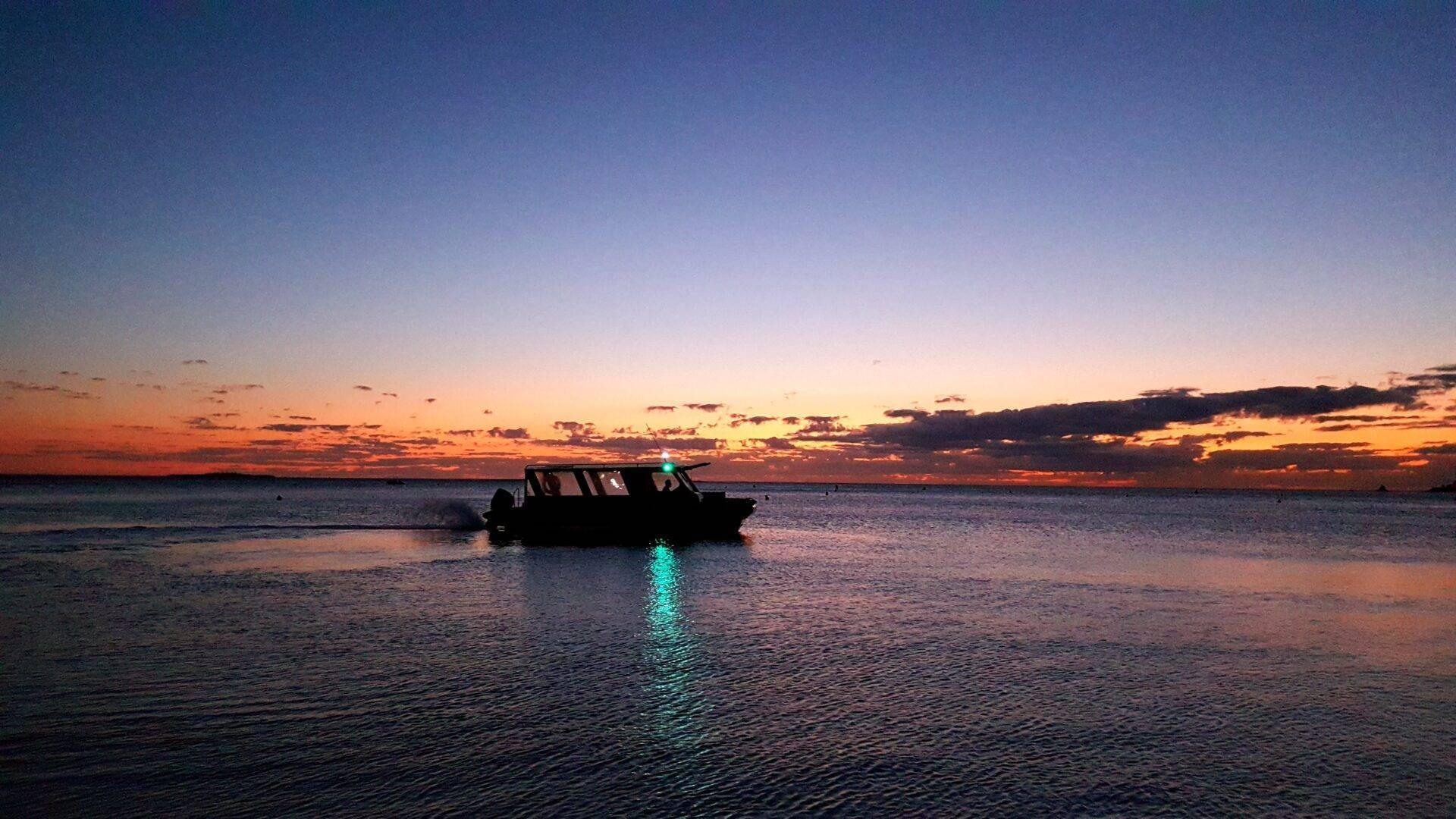
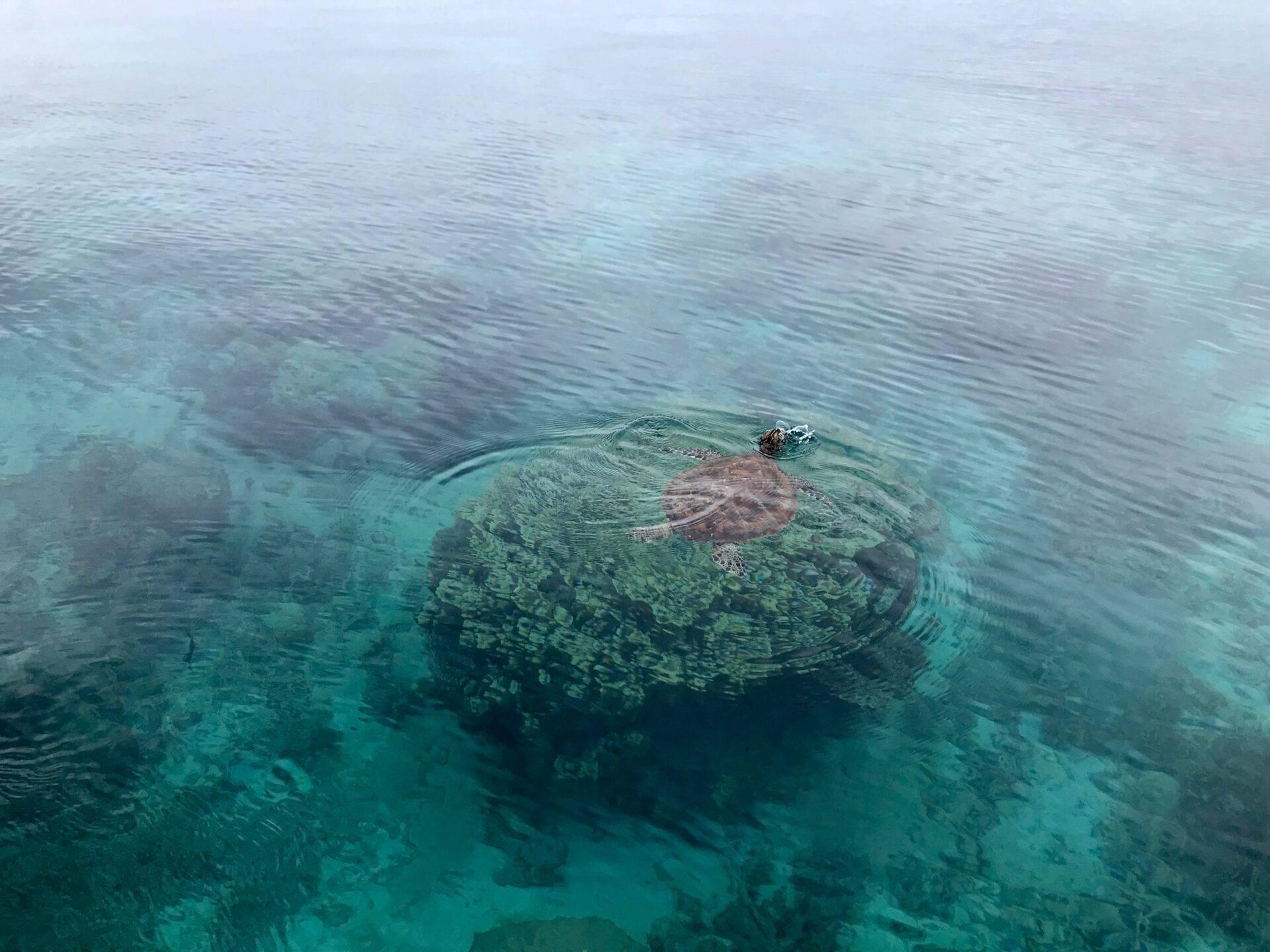
New Caledonia’s lagoon has been a UNESCO World Heritage Site since 2008. Îlot Canard, reachable from Nouméa in just a few minutes by boat, concentrates most of the capital’s underwater activities. Snorkelling or scuba diving here reveals sea turtles, leopard rays and grouper in exceptionally clear water. Dive centres based in Nouméa offer introductory dives for beginners and technical outings for certified divers.
Rivière Bleue park: old-growth forest in the south
The Rivière Bleue park, in the Southern Massif, protects one of Grande Terre’s last remaining areas of dense wet forest. It is one of the few places on earth where you can spot the kagu, a flightless bird endemic to New Caledonia and the territory’s symbol, whose call echoes through the trees at dawn. Marked trails follow Lac de Yaté and lead to waterfalls deep in the vegetation. Kayaking and mountain biking round out the options for more active visitors.
The Loyalty Islands: Lifou, Maré and Ouvéa
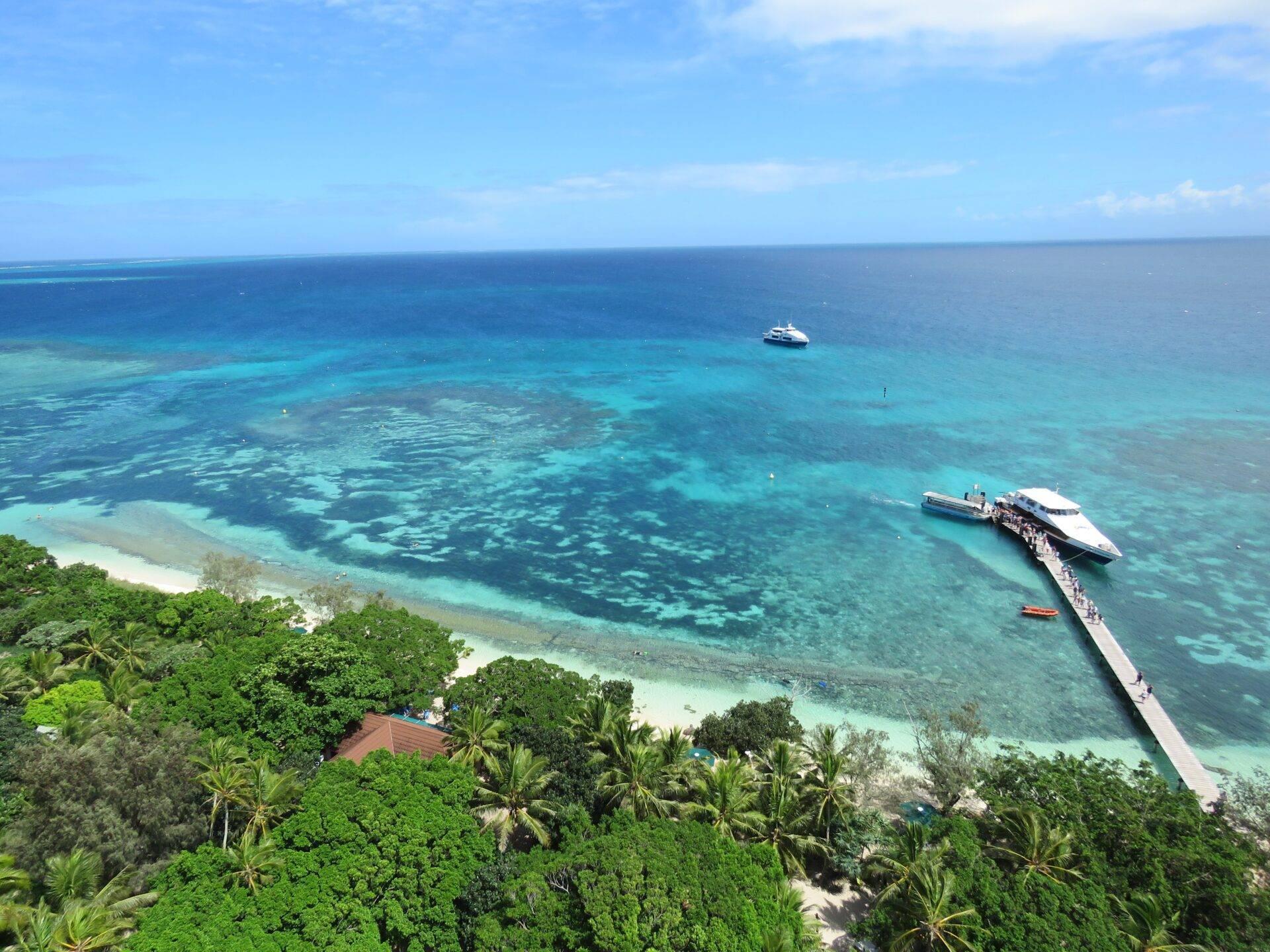
East of Grande Terre, the three Loyalty Islands each offer a distinct experience. Lifou, the largest, impresses with coral cliffs that plunge straight into the sea and caves accessible by swimming. Maré, more austere, alternates between limestone cliffs, natural pools and isolated beaches. Ouvéa stands out for the colour of its lagoon, a transparent turquoise laid over white sand, and for Mouli beach, one of the longest in the South Pacific.
On these islands, life follows the rhythm of chieftaincies and Kanak traditions. The coutume exchange, a mark of respect involving the gift of fabric or yams when visiting a village, is a form of welcome unique to this corner of the world. Travellers drawn to exploring other Pacific archipelagos will find similar logistical questions addressed in our guide to choosing islands in Indonesia.
Air Calédonie connects Nouméa (Magenta Airport) to all three Loyalty Islands. The flight to Ouvéa takes around 40 minutes.
Ouvéa: the island with an emerald lagoon
Ouvéa deserves a visit in its own right. Its shallow lagoon produces intense emerald tones quite different from the deep blues of Lifou. Mouli beach stretches for several dozen kilometres with no crowds and no heavy infrastructure. The Mouli bridge, spanning the lagoon between two parts of the island, is a panoramic vantage point over the water’s ever-shifting colours as the light changes throughout the day. Several families offer homestay accommodation, the most immersive way to experience daily life on Ouvéa.
Before you go: check the current situation
New Caledonia has experienced social and political unrest since 2024. The situation can change quickly. Before booking your flights, check the travel advisories published by the French Ministry of Foreign Affairs on France Diplomatie: this is the official source listing current vigilance levels and up-to-date recommendations for each territory.
If Oceania tempts you beyond New Caledonia, our selection of New Zealand’s must-sees will give you plenty of ideas to extend your journey through the region.
FAQ
What is the best time to visit New Caledonia?
May to November is the cool dry season, with temperatures around 20 to 25°C. This is the ideal time to explore Grande Terre and enjoy outdoor activities. The hot season, from December to April, can bring tropical rain and, occasionally, cyclones.
Do French nationals need a passport to travel to New Caledonia?
French nationals only need a national identity card. For travellers of other nationalities, entry requirements vary and should be verified with the relevant authorities in advance.
How long should I plan for a visit to New Caledonia?
Two weeks allow you to combine Nouméa, the Isle of Pines, the Loyalty Islands and part of Grande Terre. One week is enough to focus on Nouméa and the Isle of Pines.
Can you go diving in New Caledonia without a certification?
Yes. Many dive centres offer supervised introductory dives, particularly around Îlot Canard near Nouméa. The lagoon’s shallow areas are accessible for snorkelling with no prior training required.
How do you get to the Loyalty Islands from Nouméa?
Air Calédonie operates regular flights from Magenta Airport to Lifou, Maré and Ouvéa. The flight to Ouvéa takes around 40 minutes. Flying is the most practical way to reach the islands.