
Colombia packs an extraordinary range of experiences into a single country: colourful colonial cities, wild national parks, turquoise Caribbean beaches and ancient archaeological sites buried deep in the jungle. This guide covers the experiences that deserve your time, from the great metropolises to the most remote corners of the country.
The Great Colonial Cities
Cartagena, the UNESCO-listed Caribbean Gem
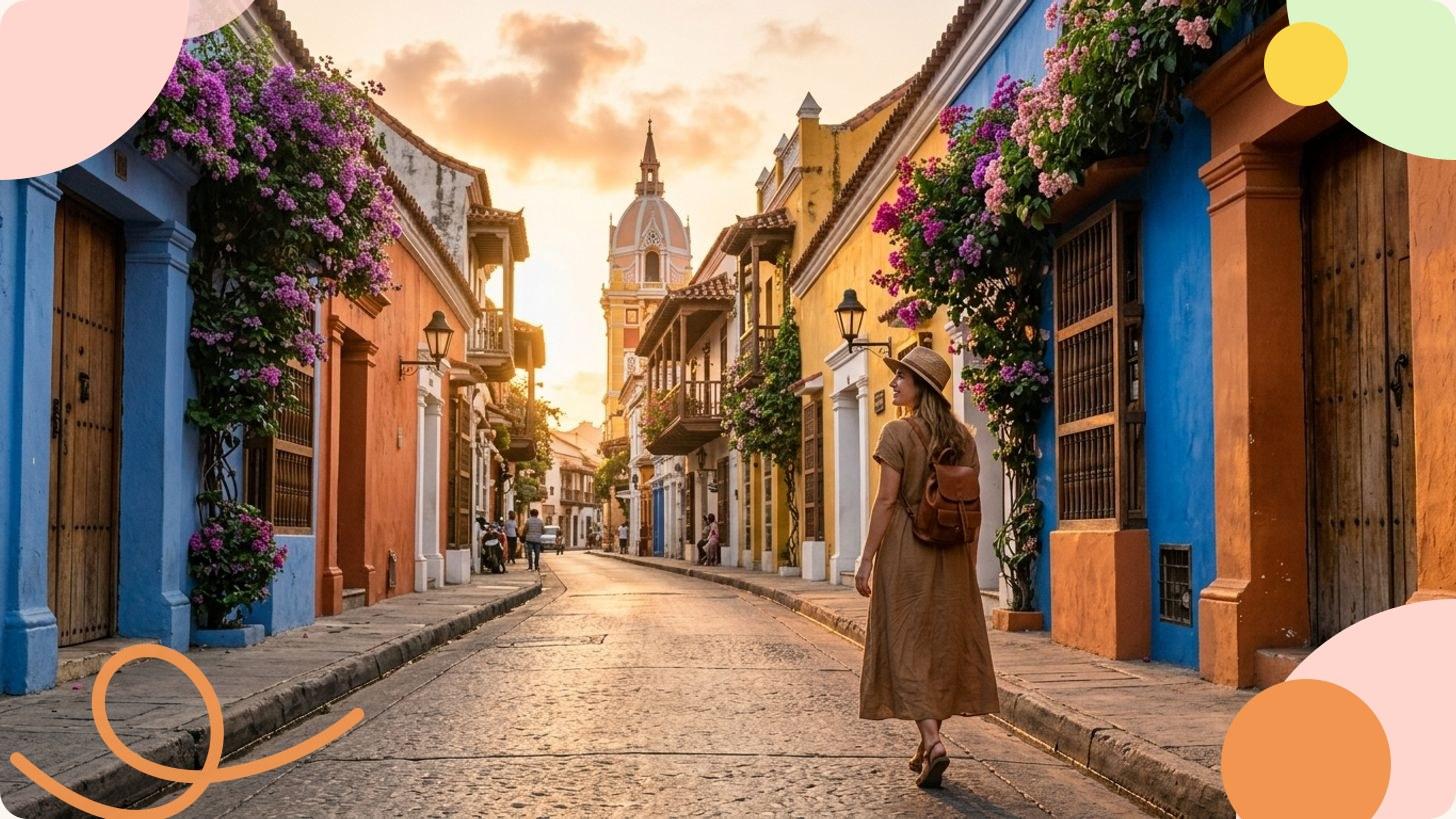
Cartagena’s old town, founded in 1533, has been a UNESCO World Heritage Site since 1984. Its cobbled streets are lined with bougainvillea-draped balconies and vivid yellow and red facades, while the Castillo San Felipe de Barajas stands sentinel on the skyline. The Plaza de los Coches pulses with the energy of the historic centre, and the city walls make for a perfect late-afternoon stroll with sea views.
Cartagena is best explored on foot: two to three days are enough to cover the old town, wander through the Getsemaní neighbourhood and take a trip out to the nearby Islas del Rosario.
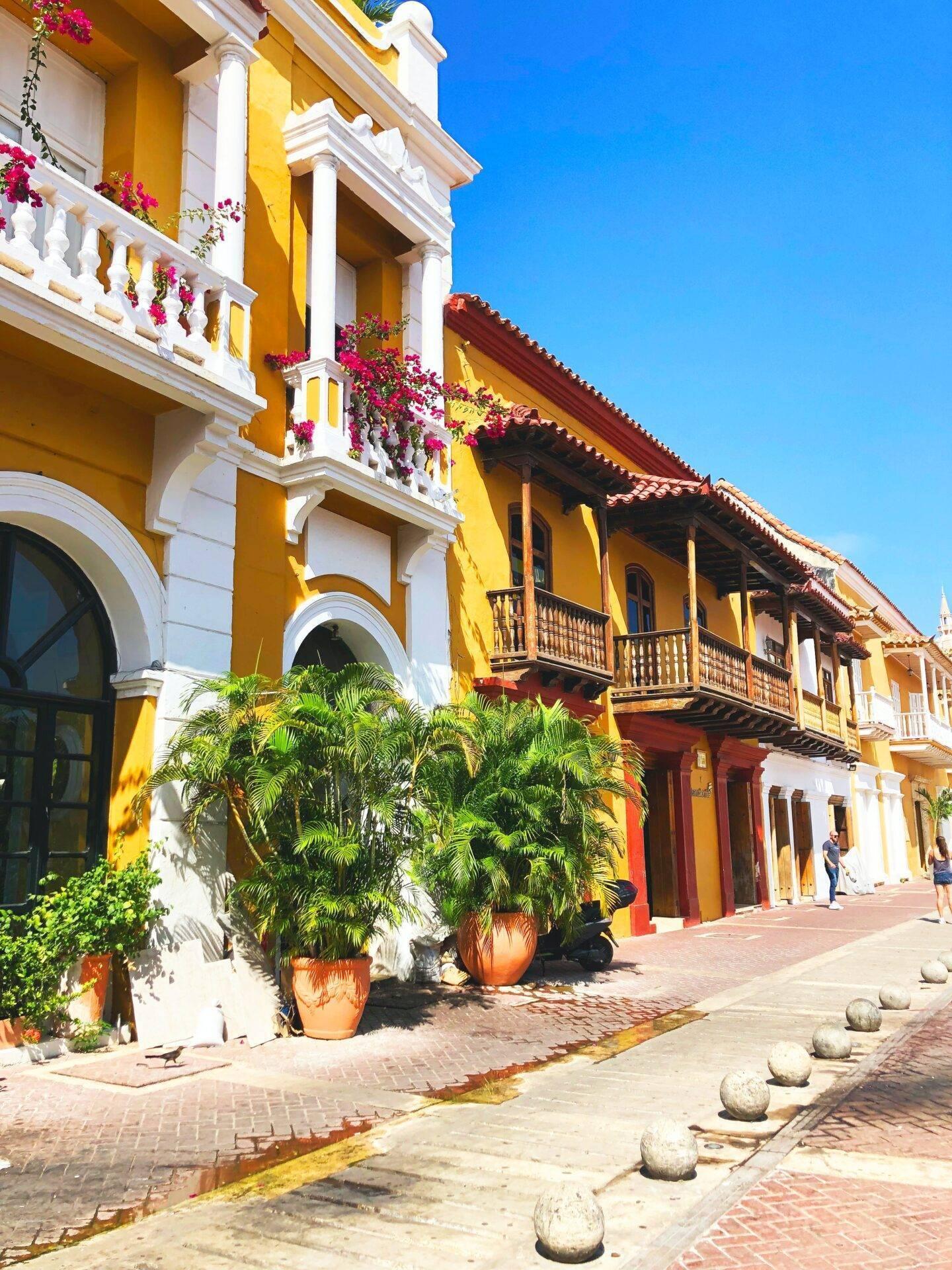
Bogotá, Cultural Capital of the Andes
Sitting at 2,600 metres above sea level, Bogotá blends historic neighbourhoods with a thoroughly modern energy. The La Candelaria quarter is home to colonial architecture, the Plaza Bolívar and the Gold Museum. The Paloquemao market offers a more vivid snapshot of everyday life, where fresh flowers, tropical fruit and freshly roasted coffee all compete for your attention.
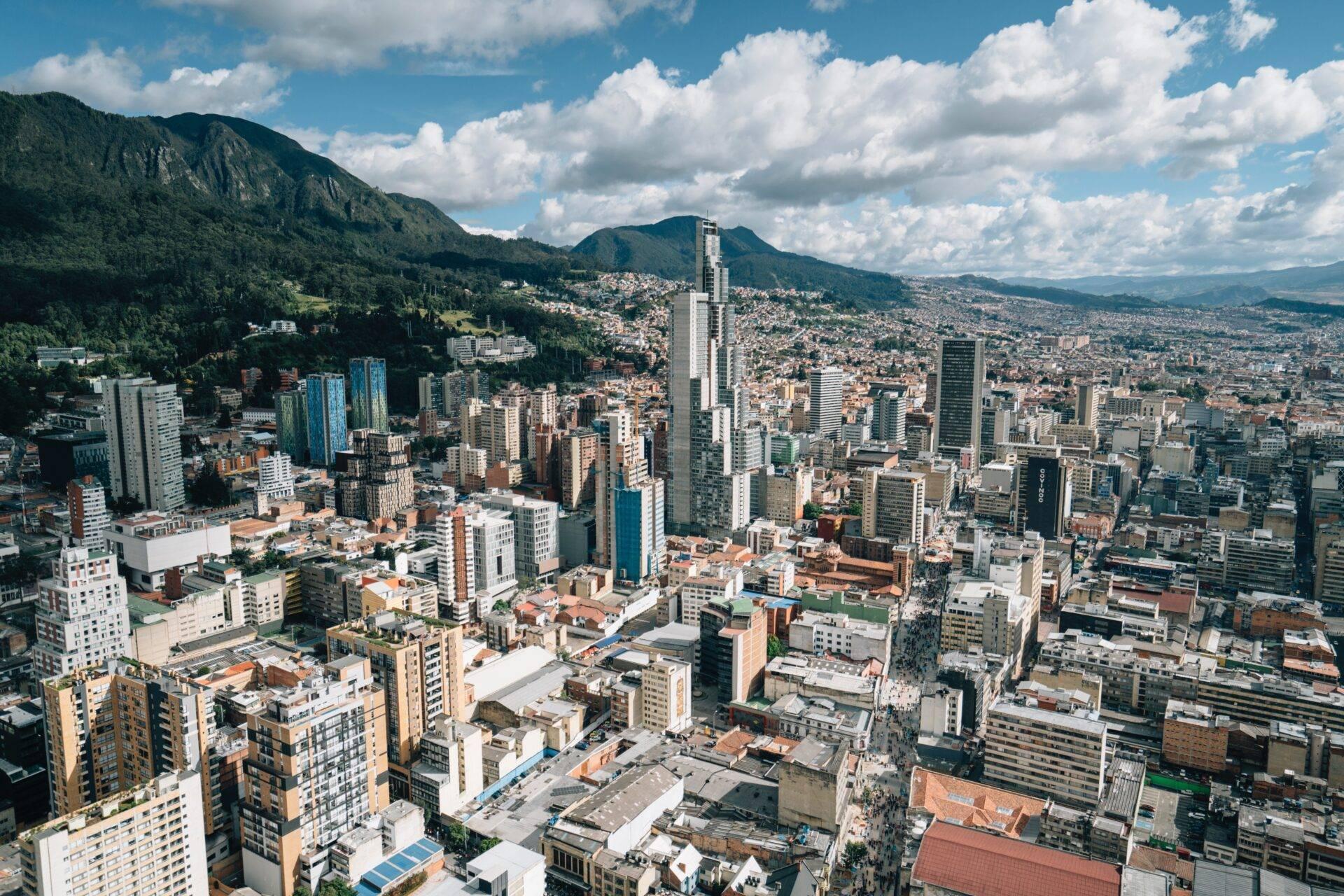
An hour’s drive north of the capital, the salt mine of Zipaquirá has been transformed into an underground cathedral, lit by coloured neon lights that play along a succession of metal arches. It is Bogotá’s most popular day trip.
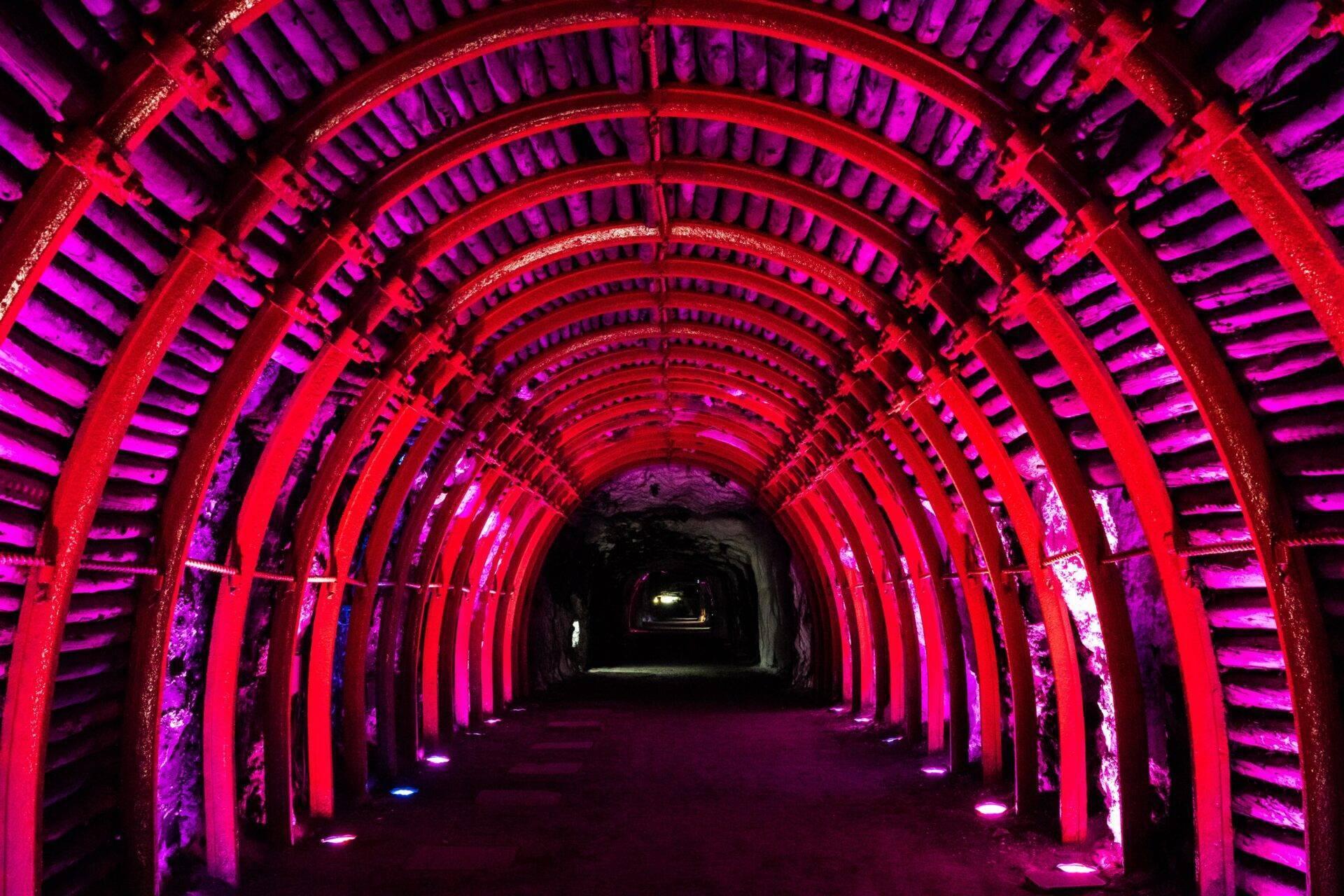
Medellín, the City That Reinvented Itself
Nestled in the Aburrá Valley, Medellín has undergone a remarkable transformation over the past two decades. The Metrocable connects the hillside neighbourhoods to the city below, while the Plaza Botero brings together Fernando Botero’s monumental sculptures in an open-air setting. The Museum of Antioquia rounds out the picture with one of the country’s most important Latin American art collections. The Poblado neighbourhood has the full range of restaurants and nightlife.
Cali, Birthplace of Salsa
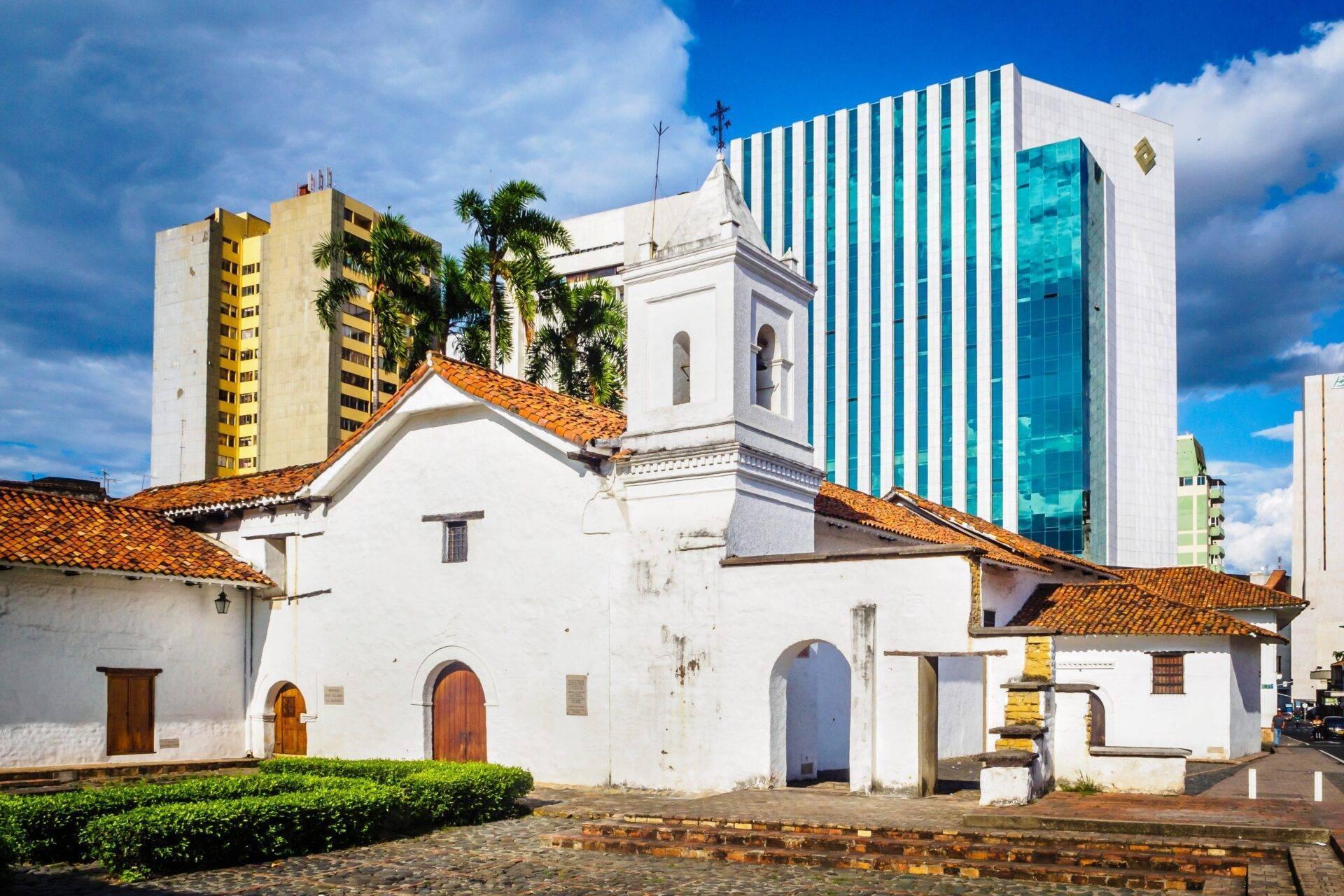
In the Cauca Valley, Cali beats to the rhythm of salsa. The salsotecas welcome dancers whose distinctly Cali style, smoother and faster than other variants, has been passed down through the generations. The city centre is worth a daytime visit for its squares and colonial architecture before joining the night-time celebrations.
The Caribbean Coast and its Islands
Santa Marta, Gateway to the Sierra Nevada
Santa Marta is the natural jumping-off point for two iconic destinations: Tayrona National Park to the north and Ciudad Perdida in the Sierra Nevada. Its historic centre combines colonial heritage with the lively atmosphere of a coastal town.
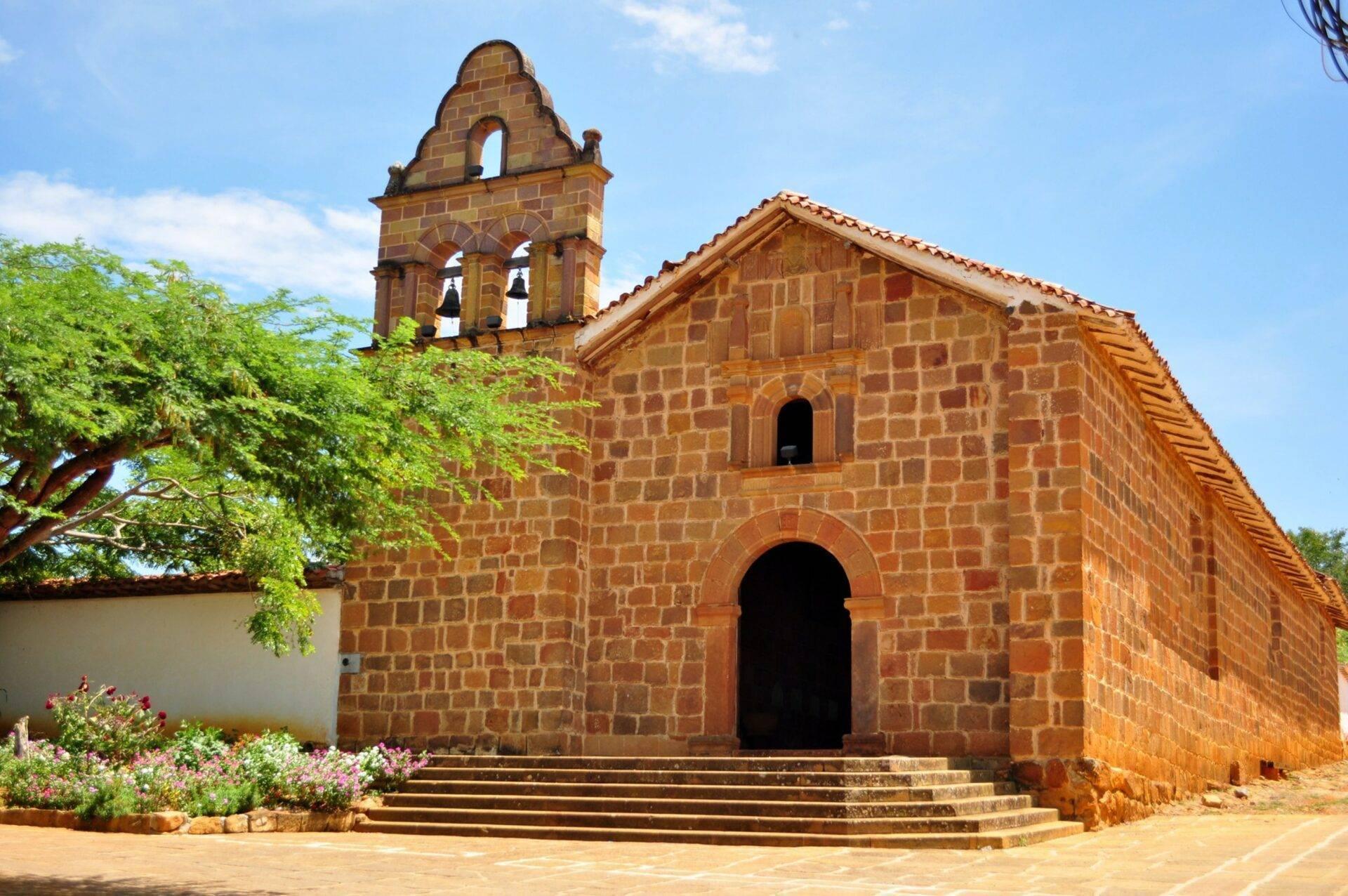
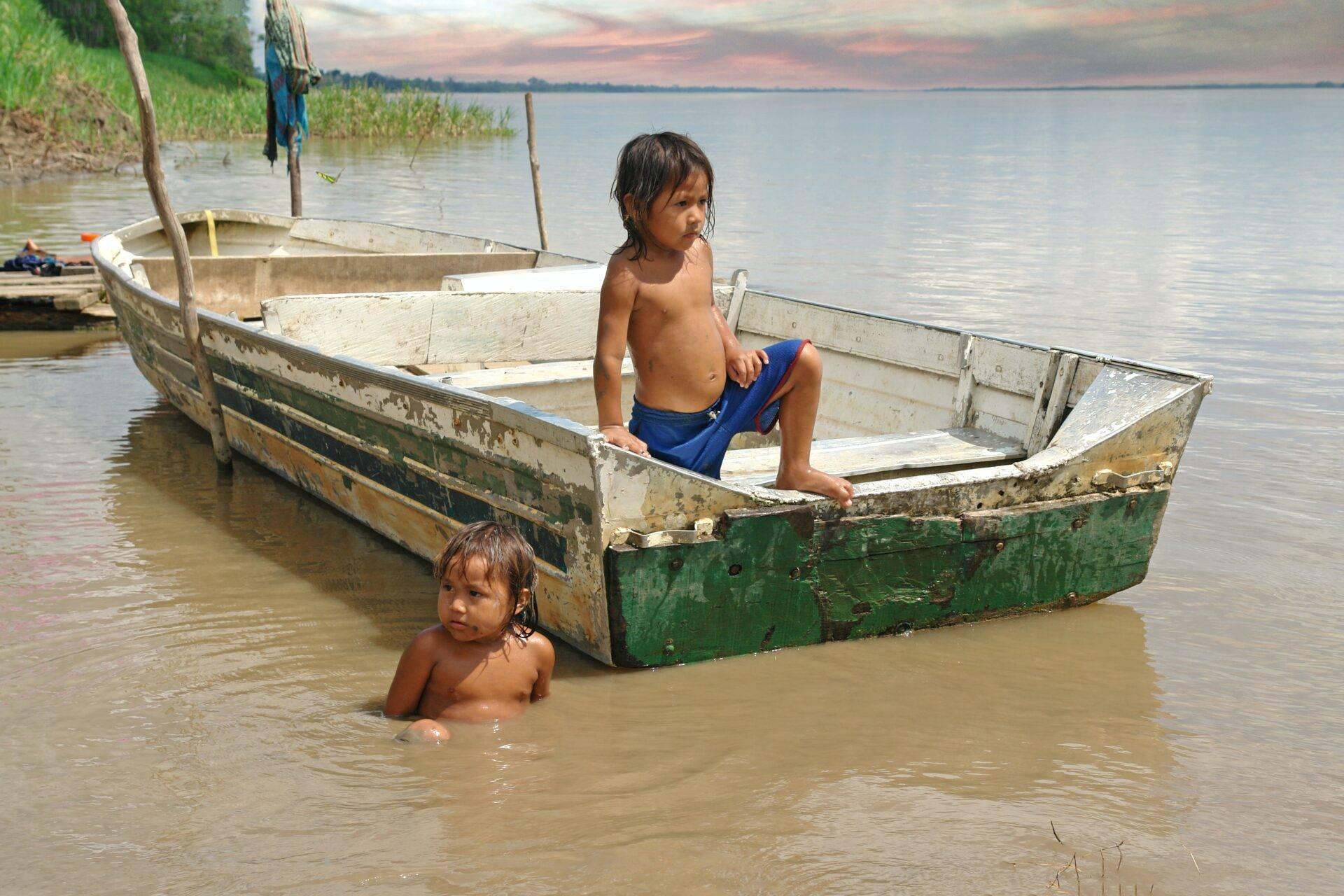
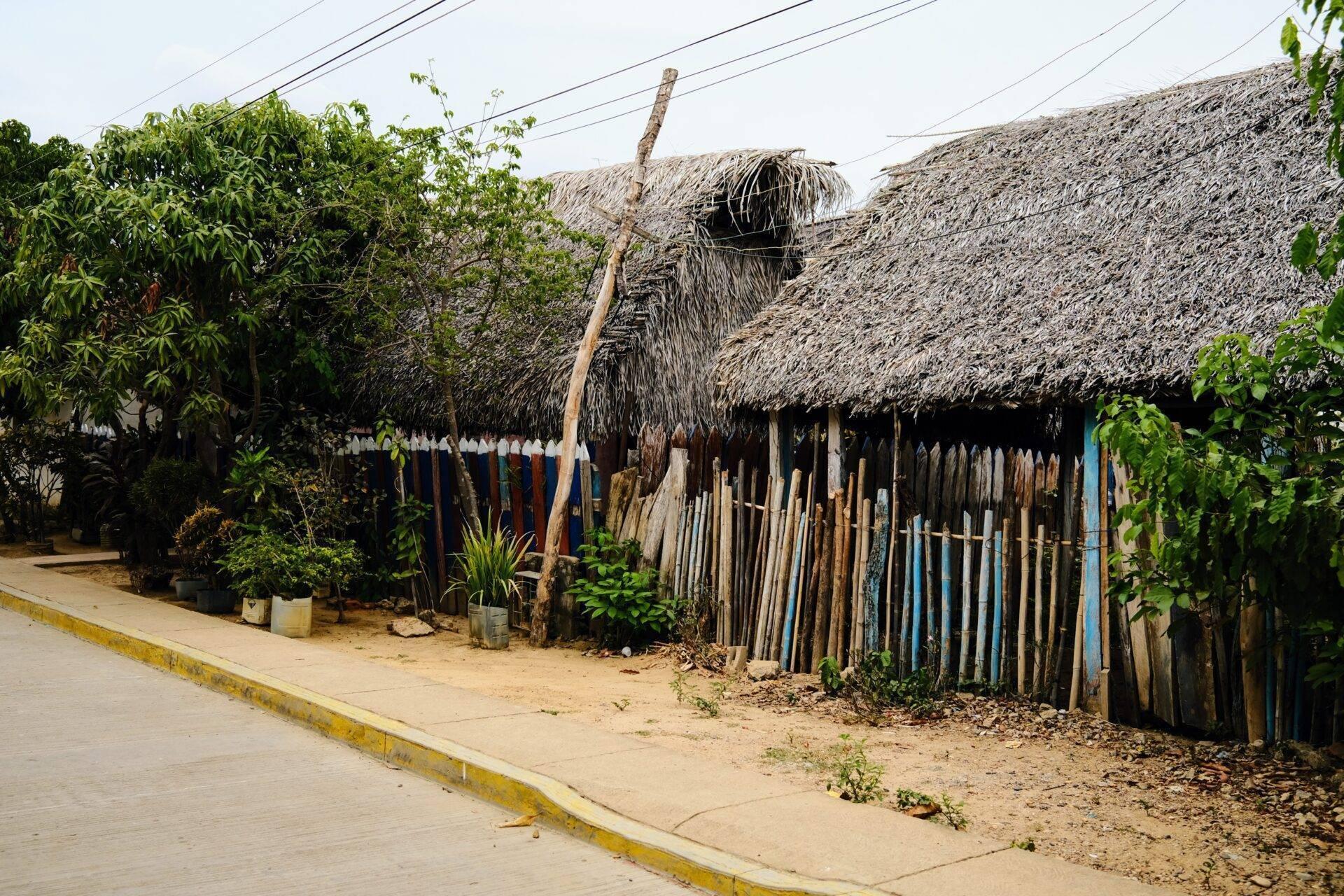
Between Santa Marta and Cartagena, fishing villages dot the coastline: wooden boats pulled up on the shore, children playing in the shallows, thatched-roof houses. This is a side of Colombia you will not find on any postcard.
Tayrona National Park: Protected Beaches and Wild Fauna
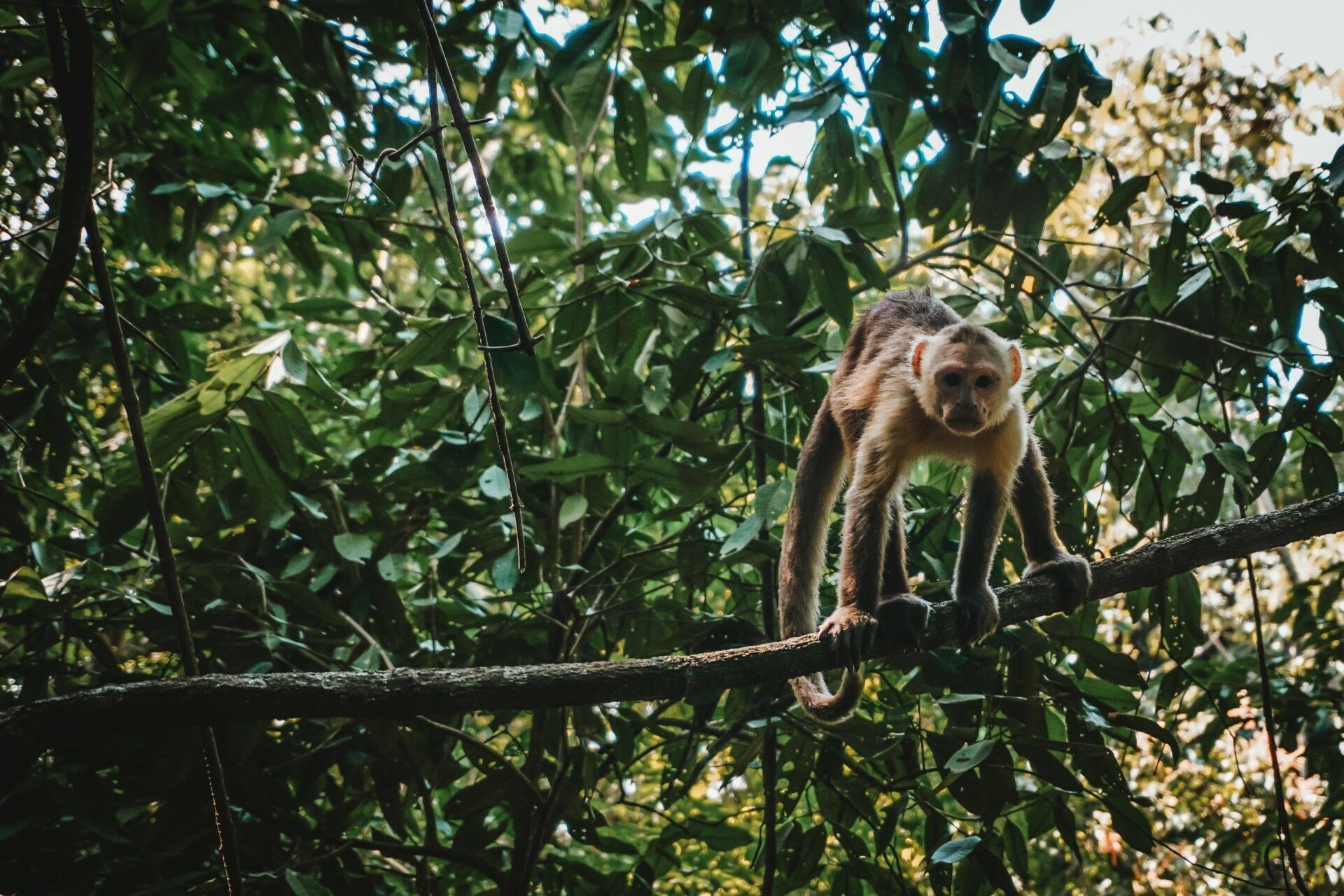
Tayrona National Park stretches along the Caribbean coast north of Santa Marta. Its beaches are earned after a two-to-three-hour walk through the forest from the village of El Zaino. Wildlife is ever-present: capuchin monkeys, iguanas and birds of all kinds accompany every trail.
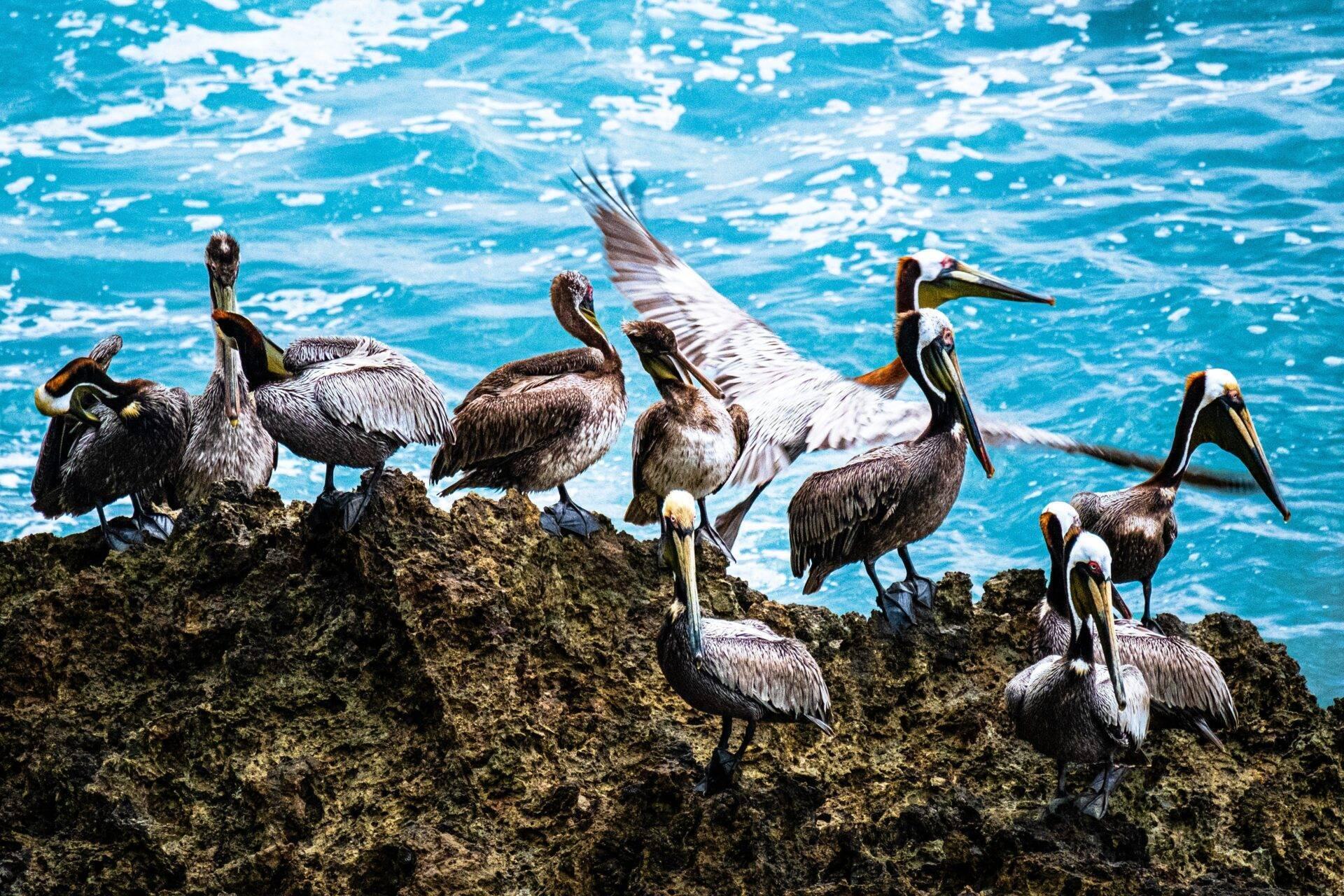
On the rocks along the Caribbean shore, brown pelicans gather in colonies facing the park’s characteristic turquoise waters.
San Andrés, Diving into the Caribbean
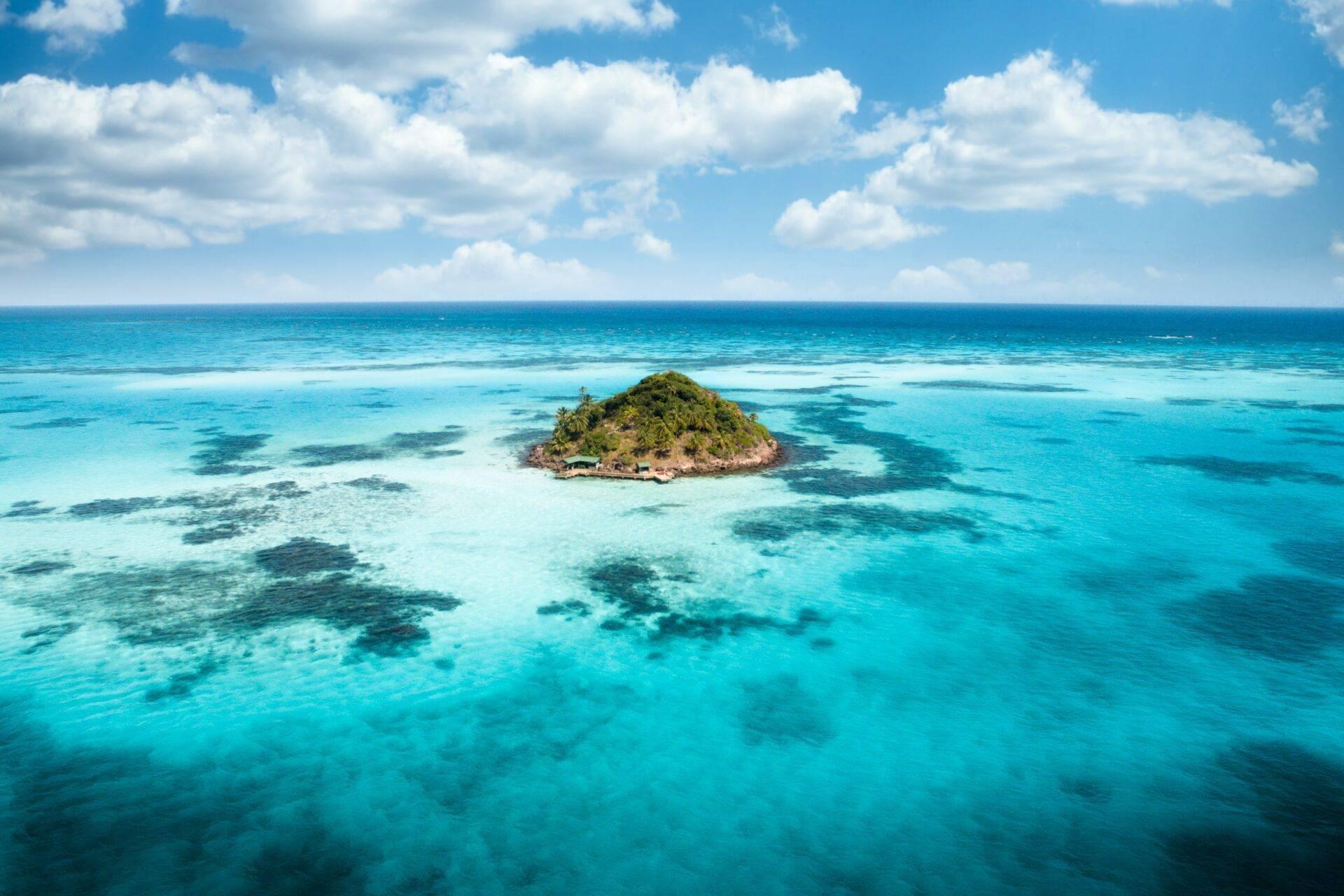
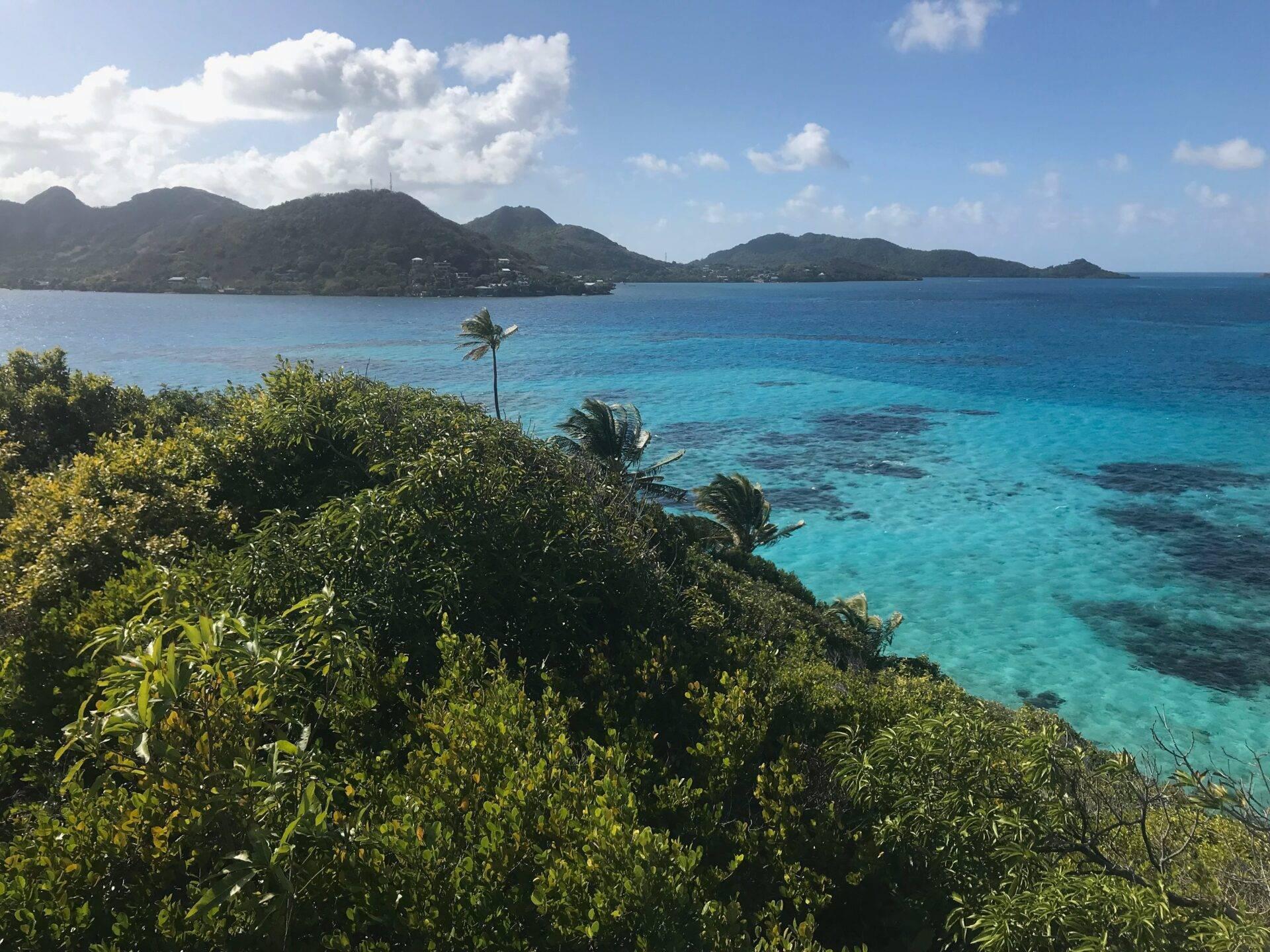
Lost in the Caribbean Sea, San Andrés draws visitors with its crystal-clear waters and coral reef. Divers and snorkellers discover exceptional marine biodiversity, with areas where the coral floor remains visible from the surface at shallow depths.
Heritage and Archaeological Sites
Ciudad Perdida, the Trek to a Ninth-Century City
Ciudad Perdida, founded by the Tayrona people around 850 AD, can only be reached on a guided trek from Santa Marta. Just seven licensed companies are permitted to lead groups to the site. The 4 to 5-day packages cover 48 to 63 km return and include camp accommodation, meals and a guide. The city sits at 1,300 metres above sea level: allow two days to ascend, half a day to explore the site, then the return descent.
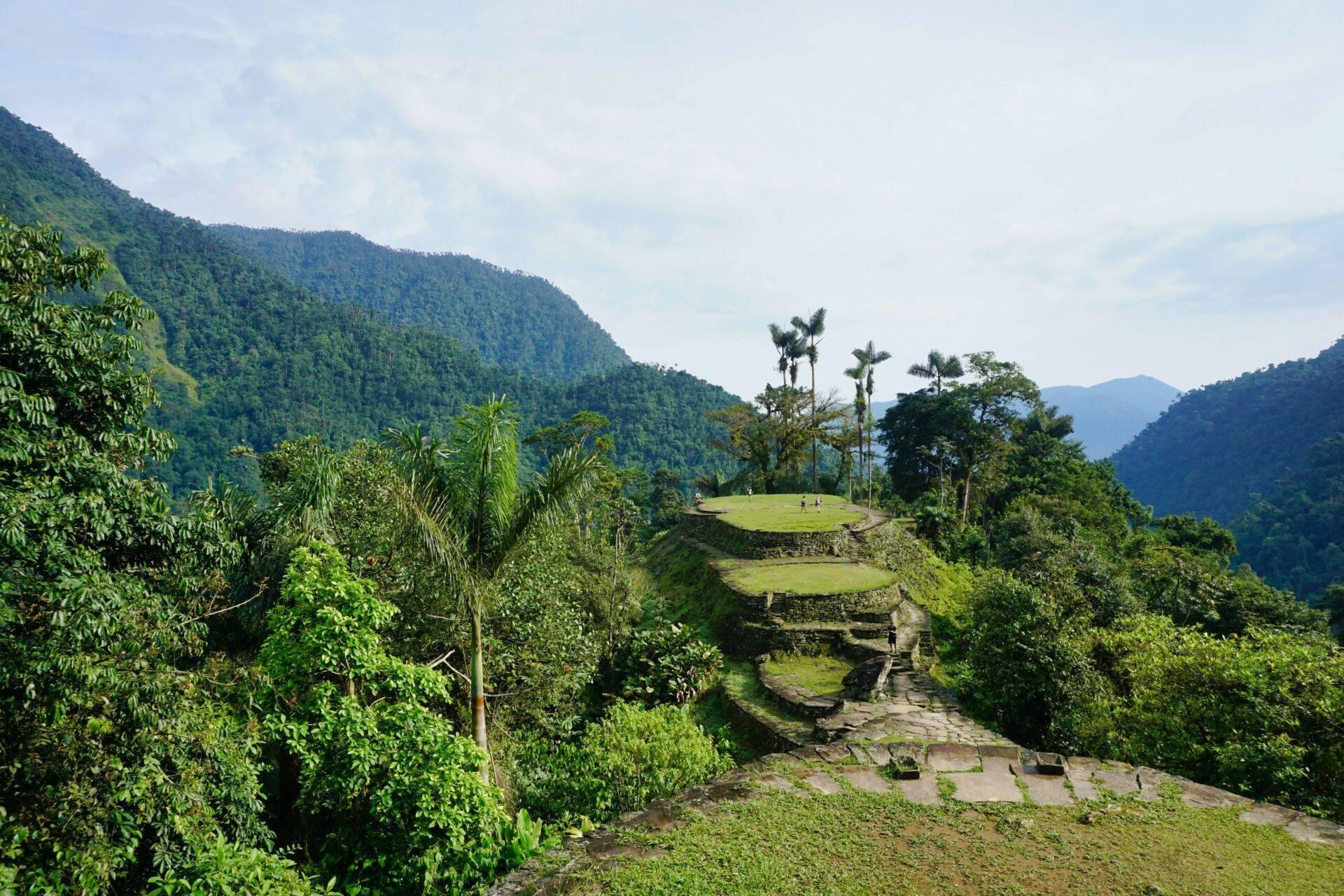
This kind of trek in a remote area calls for appropriate cover, particularly for medical repatriation. Visit the Colombia travel insurance page for cover tailored to this type of wilderness expedition.
Villa de Leyva, the Great Colonial Square of the Andes
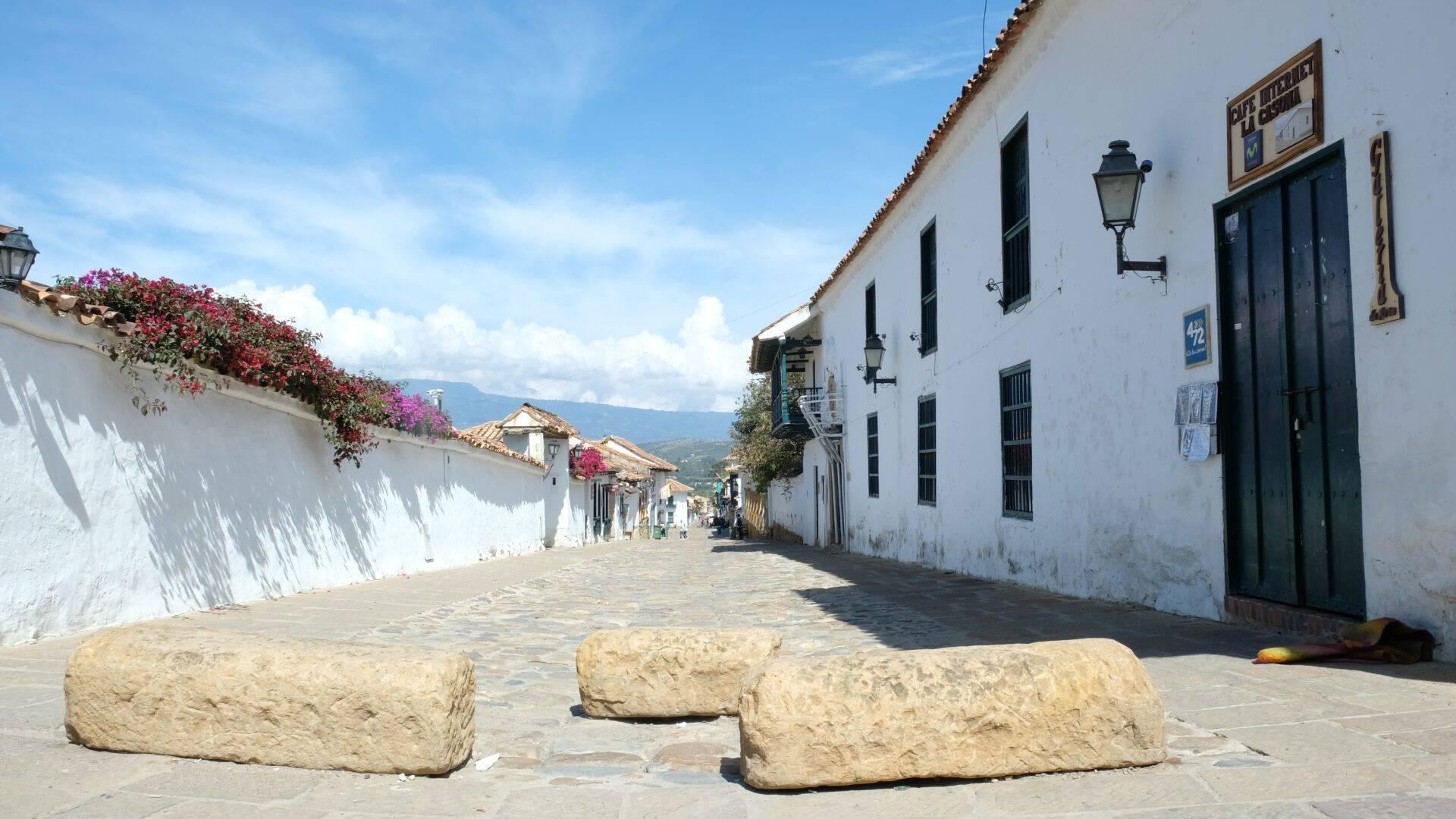
Villa de Leyva has preserved its colonial architecture since the 16th century. Its entirely paved Plaza Mayor, lined with arcaded white buildings, ranks among the largest squares in the whole of South America. The town serves as a base for exploring the nearby fossil sites and the monastery of La Candelaria.
Popayán, the Elegance of the White City
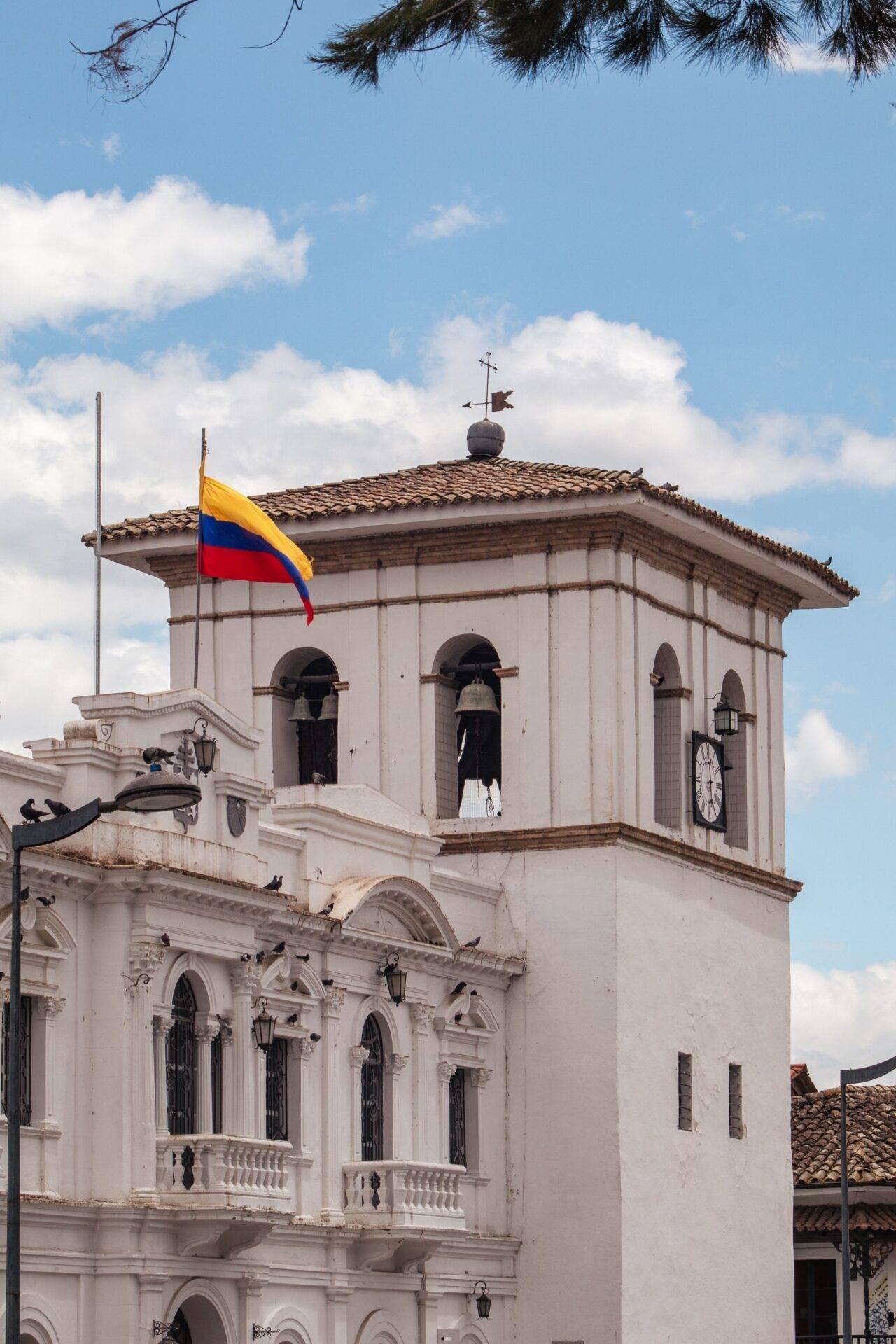
Known as la ciudad blanca, Popayán owes its reputation to its immaculate colonial facades and its many historic churches. A university city in the Andes, it combines architectural heritage with a vibrant cultural life in a setting that seems untouched by time.
The Coffee Region
Salento and its Multicoloured Houses
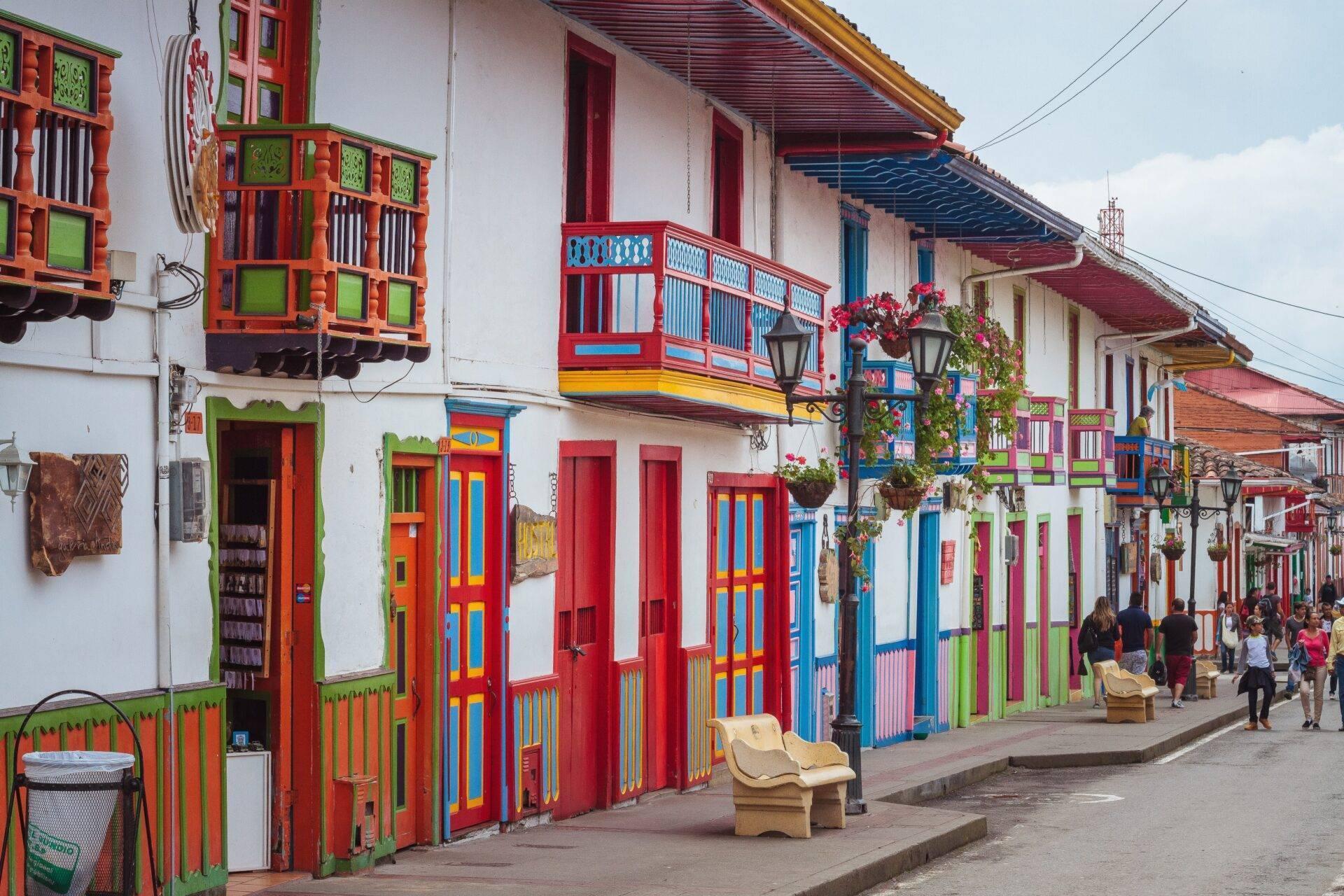
At the heart of Colombia’s coffee-growing region, Salento is the most visited village in the Coffee Triangle. Its houses, with facades in red, blue and green, sport ornate balconies typical of Andean colonial architecture. Local cafés serve a tinto brewed from beans grown on the surrounding hillsides.
The Cocora Valley: the Giant Palms of the Andes
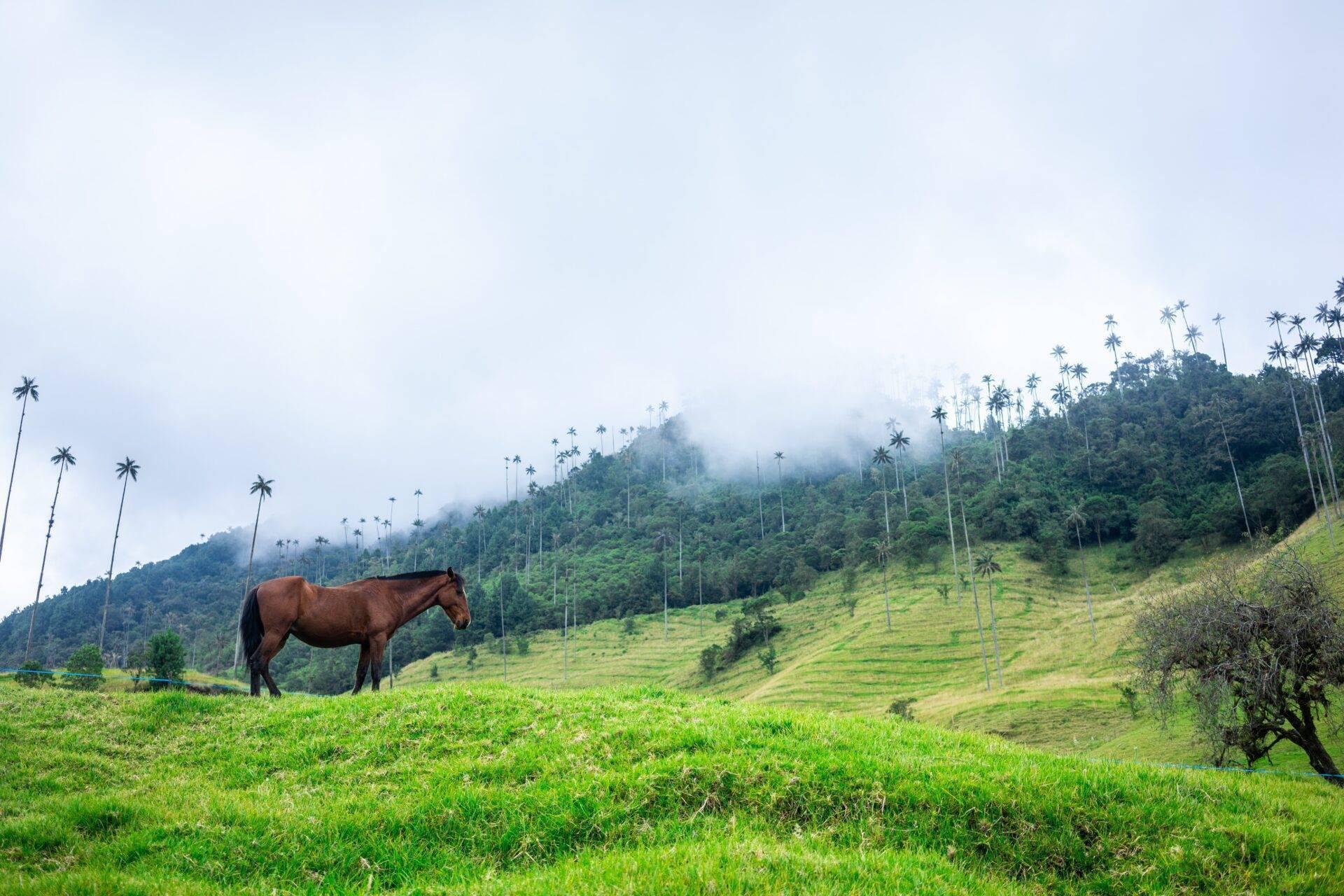
A few kilometres from Salento, the Cocora Valley is home to the wax palm, Colombia’s national tree, which can reach 60 metres in height. The circular hike (4 to 6 hours) winds through cloud forest before opening out into the valley, where horses and cattle graze beneath misty mountains.
Guatapé and the Piedra del Peñol
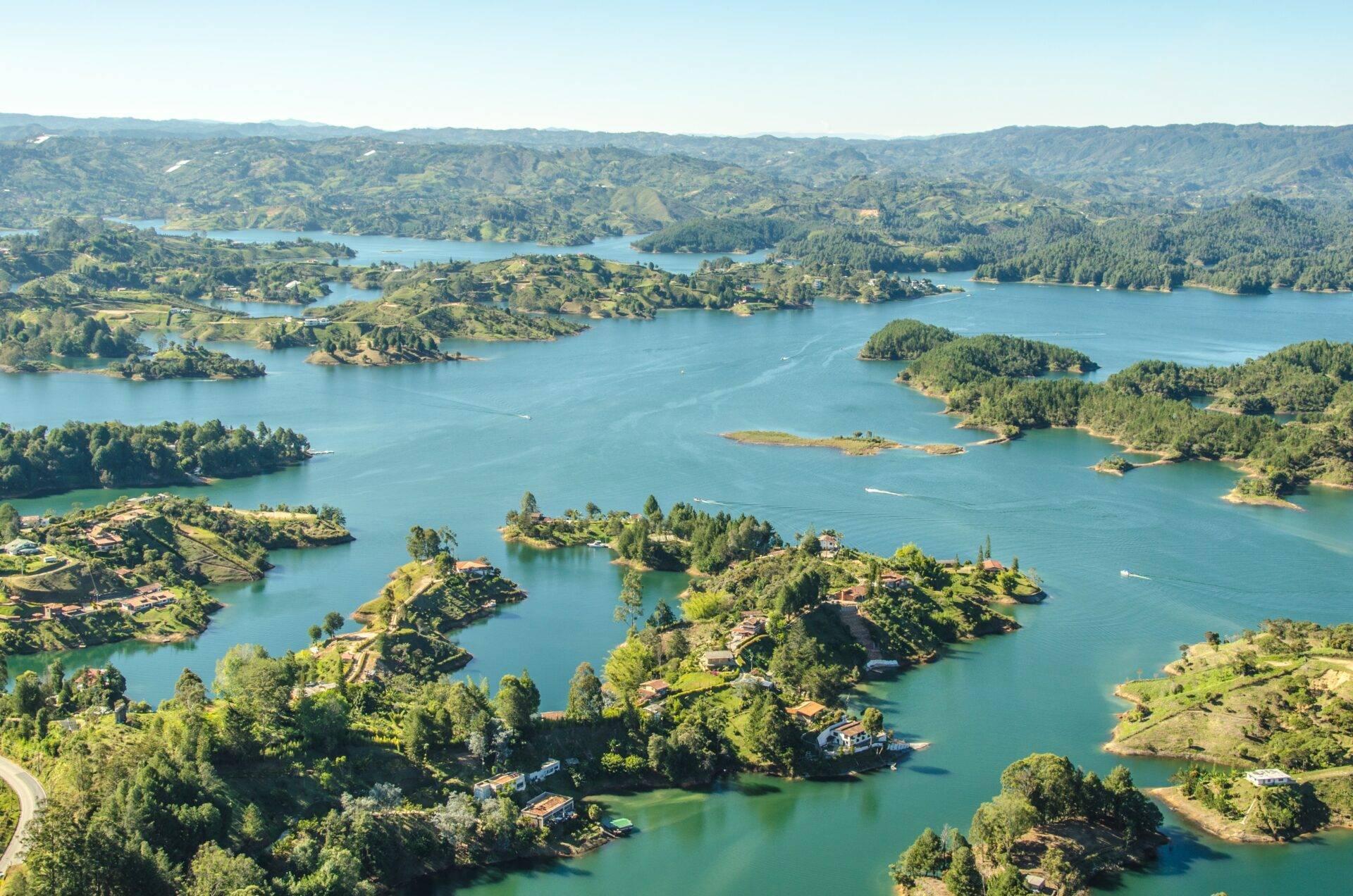
Close to Medellín, Guatapé is known for its sprawling reservoir and its houses decorated with colourful zócalos (painted bas-relief friezes). The Piedra del Peñol, a granite rock rising above the lake, offers from its summit a sweeping panorama over wooded islets and the shimmering waters of the reservoir.
For more Andean landscapes and pre-Columbian sites on the continent, things to do in Peru offers a complementary itinerary in South America.
Nature and Adventure
Caño Cristales, the River of Five Colours
In the Meta llanos, Caño Cristales blazes with red, pink, green, yellow and blue from June to late November, thanks to the aquatic plant Macarenia clavigera. Peak colour runs from July to early October. Access requires a flight to La Macarena (from Bogotá, Medellín or Villavicencio), followed by a licensed local guide within the national park. Sunscreen and insect repellent are banned in the water to protect the ecosystem.
San Gil, Capital of Extreme Sports
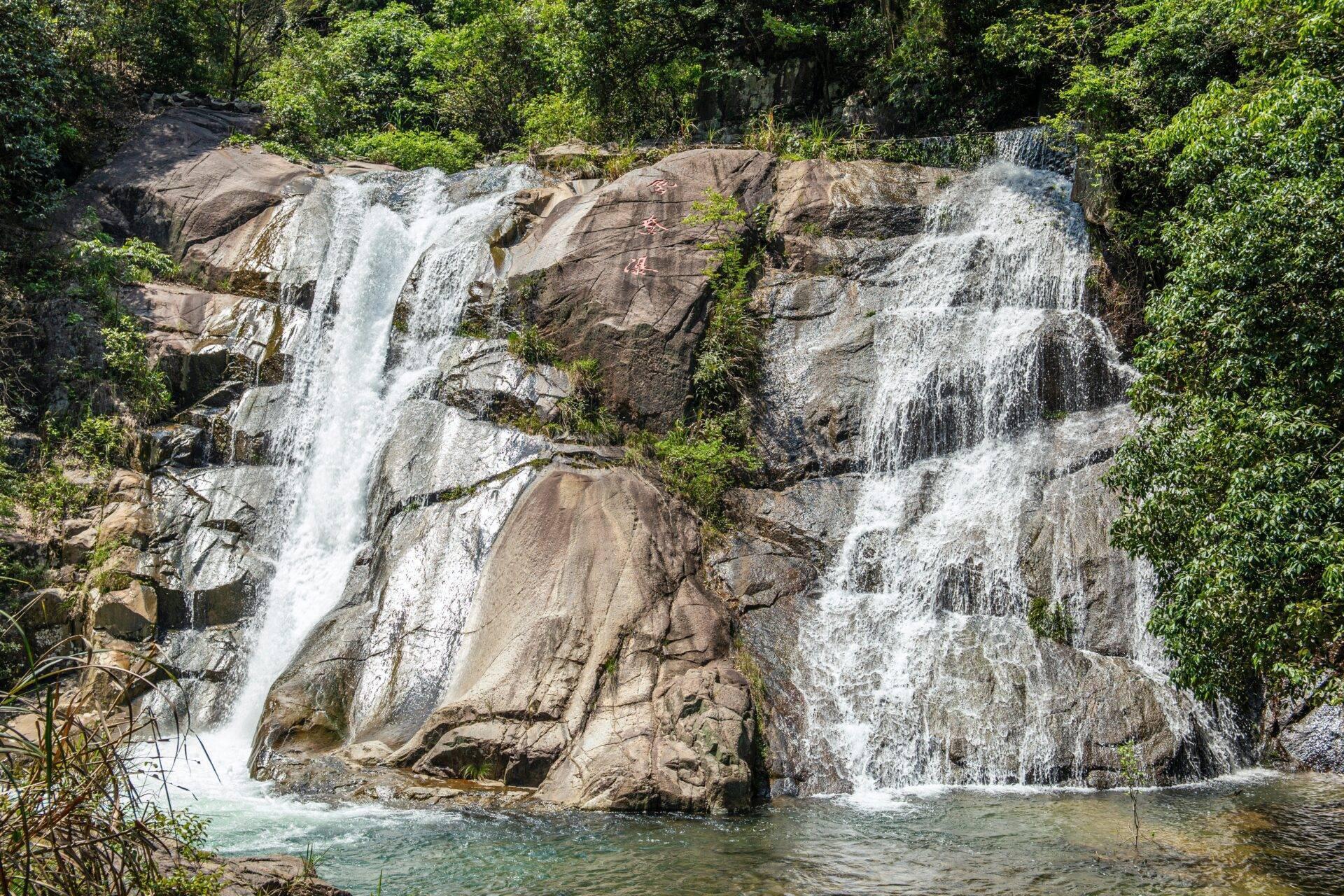
San Gil, in the Santander department, has the best white-water rafting in the country. The Río Suárez offers 16 kilometres of Class IV-V rapids in a two-hour descent; the Río Chicamocha provides a dramatic canyon run; the Río Fonce is a family-friendly option on calmer waters. The surrounding area also offers the Juan Curi waterfall for abseiling, the Chicamocha Canyon for paragliding, and caving and mountain biking excursions.
To plan a trip combining adventure, culture and regional discoveries, the travelling in Colombia guide covers internal transport and essential stops.
FAQ
When is the best time to visit Colombia?
Colombia spans several climate zones, so there is no single best season. The Caribbean coast is at its finest from December to April. The Andes are pleasant year-round. Caño Cristales can only be visited from June to late November, with peak colours between July and early October.
How long do you need to see Colombia properly?
Two to three weeks allow you to cover two or three regions. A classic first trip links Bogotá, Medellín and Cartagena. A nature-focused itinerary combines Santa Marta, Tayrona National Park and the Coffee Triangle with Salento.
How difficult is the Ciudad Perdida trek?
Ciudad Perdida is a 4 to 5-day trek (48 to 63 km return) from Santa Marta, with significant elevation gain in tropical heat. A guide is compulsory: only seven licensed agencies have access to the site, which remains sacred to local indigenous communities.
Is Colombia safe for tourists?
The major cities and established tourist destinations can be visited without particular difficulty if standard precautions are taken. Some isolated rural or border areas require greater care. Check the recommendations of your foreign ministry before travelling.
Do French nationals need a visa for Colombia?
French nationals do not need a visa for a tourist stay. For full entry requirements, recommended vaccinations and travel health information, the Colombia travel insurance page has everything you need before you set off.