
Colombia packs into a single trip what other destinations take months to reveal: Andean cities sitting above 2,000 metres, Caribbean beaches lapped by turquoise water, pre-Hispanic cities buried in jungle, and coffee trails winding through rolling hills. Whether you have two weeks or a month, the country offers a rich variety of itineraries for every type of traveller.
What sets Colombia apart
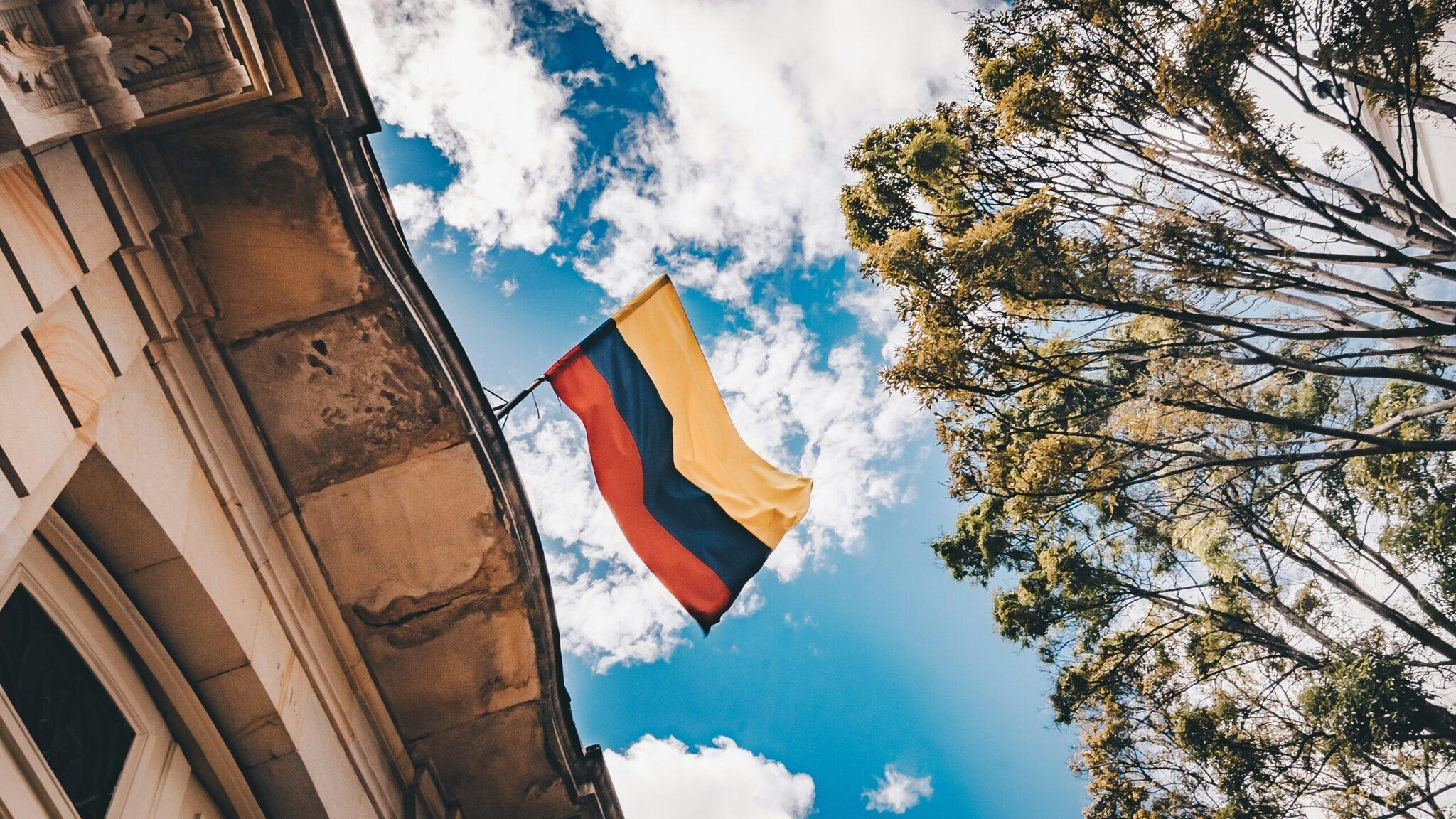
Colombia is one of the few countries to combine so many different ecosystems in a single destination. The Andes run from north to south through the heart of the country, creating temperate valleys and snow-capped peaks. The Caribbean coast offers Spanish colonial architecture and unspoilt beaches. The Amazon rainforest in the south-east is among the most biodiverse on the continent. And the lesser-visited Pacific coast plays host to humpback whales, visible between June and October.
This geographical diversity is matched by a vibrant cultural scene: cumbia and vallenato filling the streets, regional cuisine bursting with flavours rarely found in Europe, pre-Columbian art and urban spaces in the midst of a full renaissance. Colombia is unlike any other destination in South America.
Get my travel insurance quoteWhen to visit Colombia
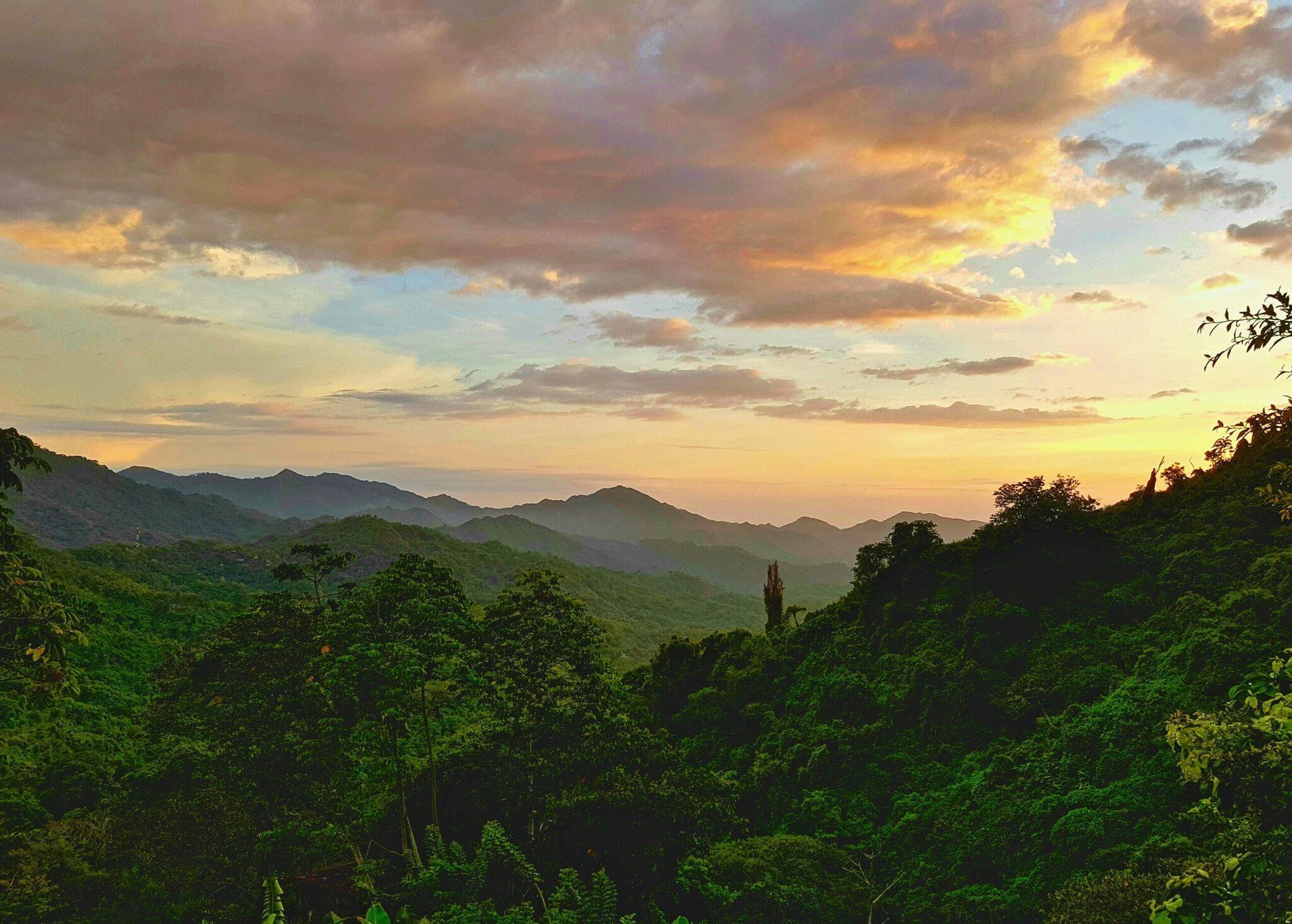
Colombia has no single season: each region follows its own climatic rhythm.
The dry seasons: December-March and July-August
These are the best windows for exploring the widest range of regions at once. Skies are clear across the Andes, the Caribbean coast and the Zona Cafetera. High season between mid-December and mid-January brings higher prices and accommodation that fills up fast. For the best combination of weather, value and manageable crowds, February is often the pick.
The rainy season: April-May and October-November
Showers tend to fall in the late afternoon, leaving mornings clear and bright. Landscapes are greener, accommodation is cheaper and sites are far less crowded. A solid choice for those looking to dodge the crowds, provided you pack waterproofs.
Festivals worth booking your flight around
Some of Colombia’s events are an experience in their own right:
- Barranquilla Carnival (late February): one of the largest carnivals in South America
- Medellín Flower Festival (August): the silleteros parade, with participants carrying spectacular floral arrangements on their backs
- Cali Salsa Festival (December): a week of concerts and dancing in the world’s salsa capital
Bogotá, Medellín and Cartagena: the three pillars of the classic route
Bogotá, an Andean capital at 2,640 metres
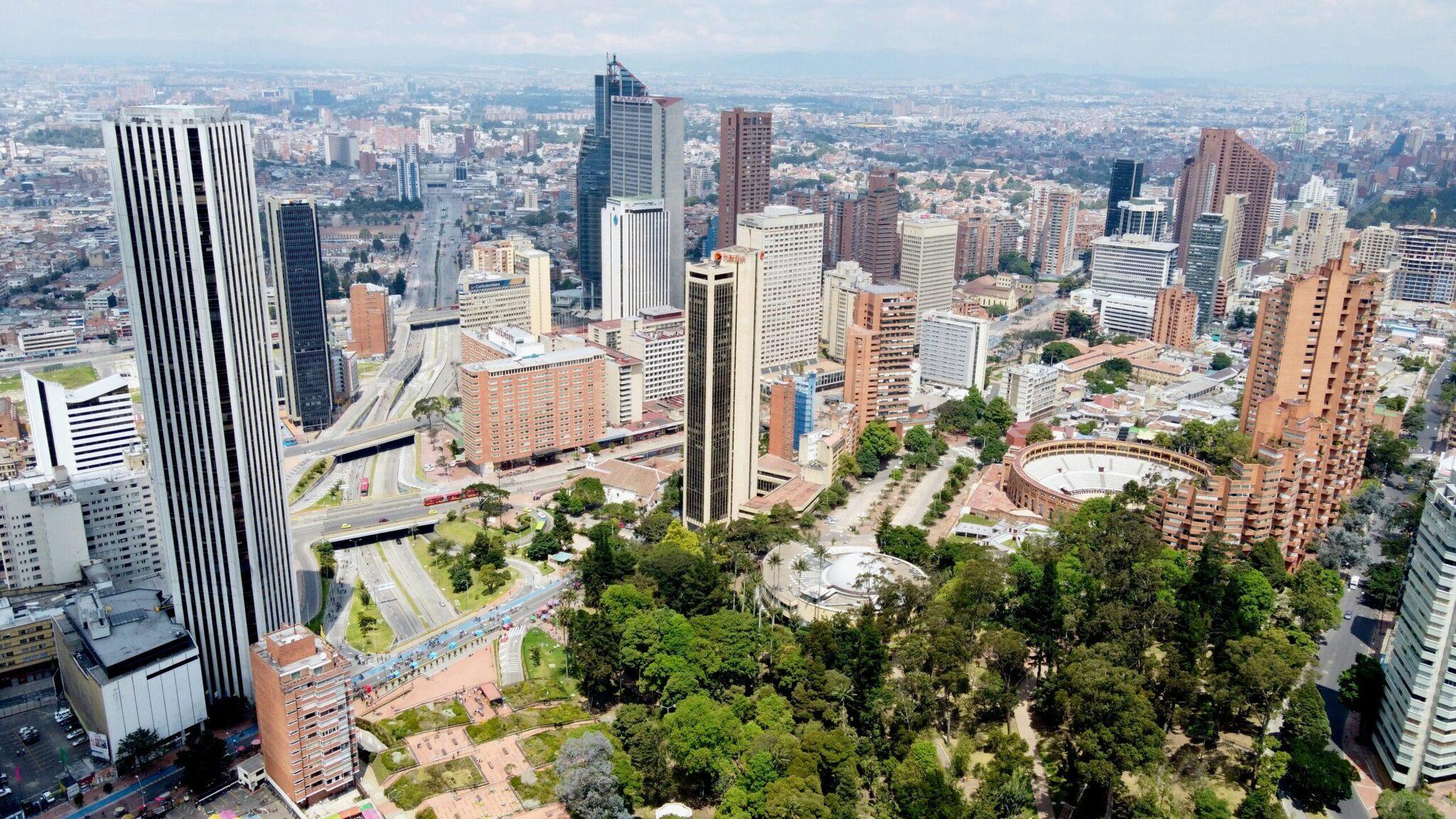
Bogotá has a habit of surprising those who underestimate it. Perched at 2,640 metres in the Andes, it is one of the most culturally rich capitals in South America. The historic La Candelaria district retains its cobbled streets and well-preserved colonial buildings. The Gold Museum houses one of the most important pre-Columbian goldwork collections on the continent. The Cerro de Monserrate, reachable by cable car, rewards visitors with a sweeping panoramic view across the entire city.
For a taste of everyday life, Paloquemao market or the restaurants of the Usaquén neighbourhood give a picture of Bogotá well away from the tourist trail.
Medellín, the city of eternal spring
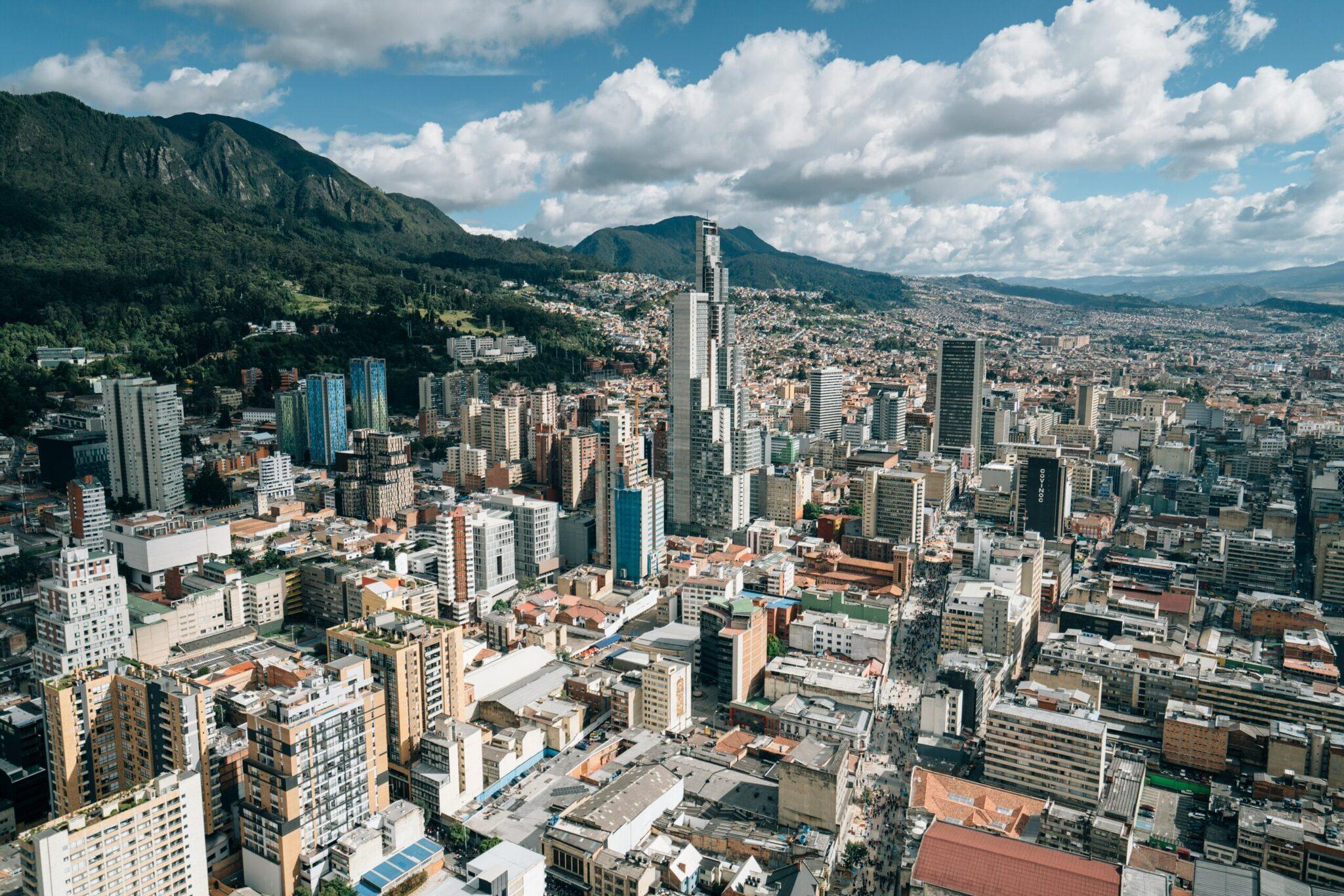
Medellín has pulled off one of the most remarkable urban transformations in Latin America. Nestled in a valley at 1,495 metres, it enjoys a mild climate year-round, earning it the nickname Ciudad de la Eterna Primavera (City of Eternal Spring). The Museum of Antioquia displays the rounded sculptures of Fernando Botero, Colombia’s most celebrated artist. The Metrocable, a symbol of urban renewal, connects the hillside neighbourhoods to the city centre and offers a fresh perspective on the valley below.
Two hours by road, the village of Guatapé and its monolithic rock (El Peñol) reward climbers with a 360-degree view over the surrounding lakes.
Cartagena, the Caribbean’s colonial gem
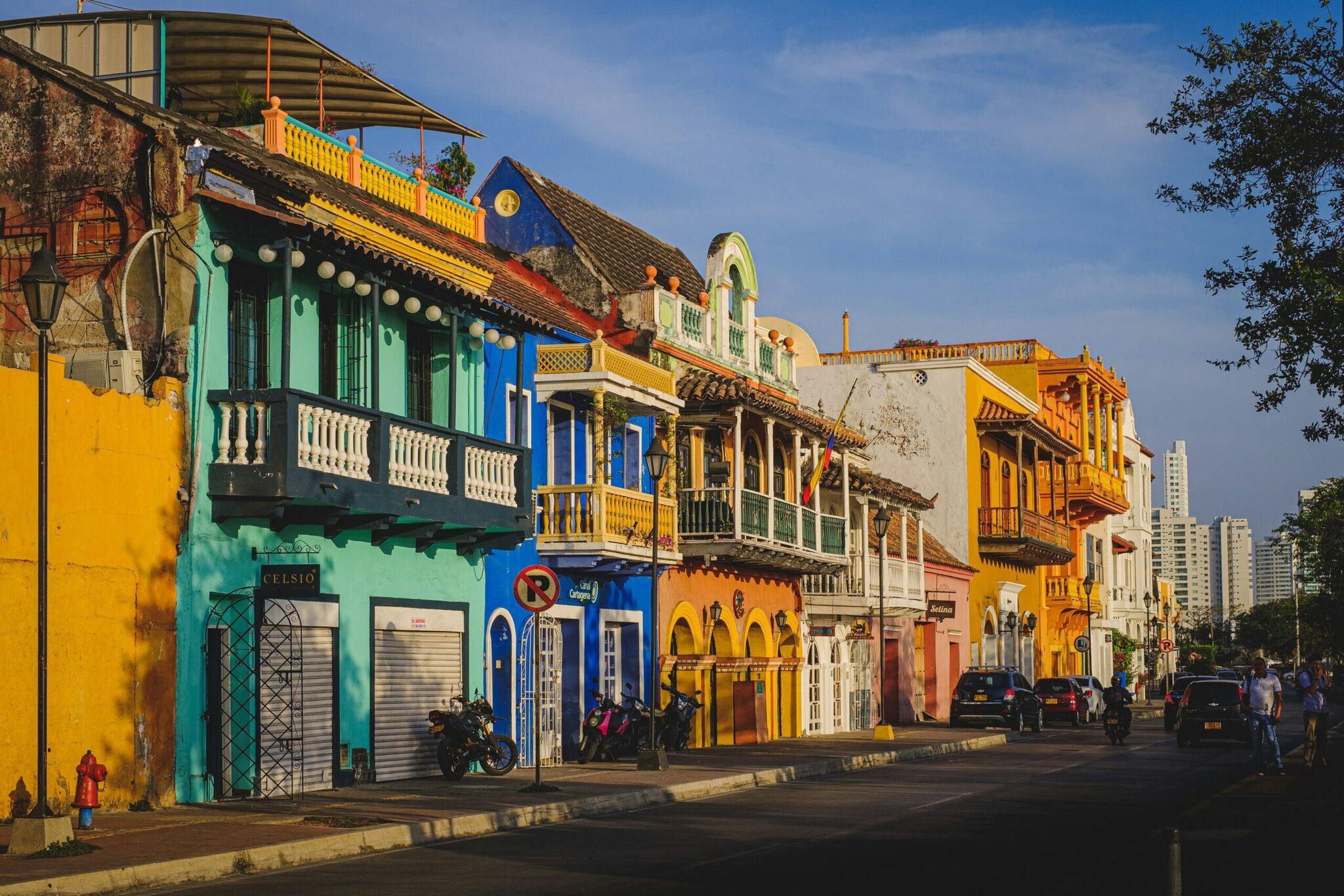
Cartagena’s walled historic centre is a UNESCO World Heritage Site. Colonial houses with brightly painted facades and flower-draped balconies give the old town an atmosphere unlike anywhere else in Latin America. The Getsemaní neighbourhood, with its giant murals and local bars, is the place to feel the city’s pulse. The Rosario Islands, two hours by boat, offer crystal-clear waters for snorkelling and swimming.
For a more detailed day-by-day guide, see our full round-up of things to do in Colombia.
Off the beaten track in Colombia
The Zona Cafetera and the Cocora Valley
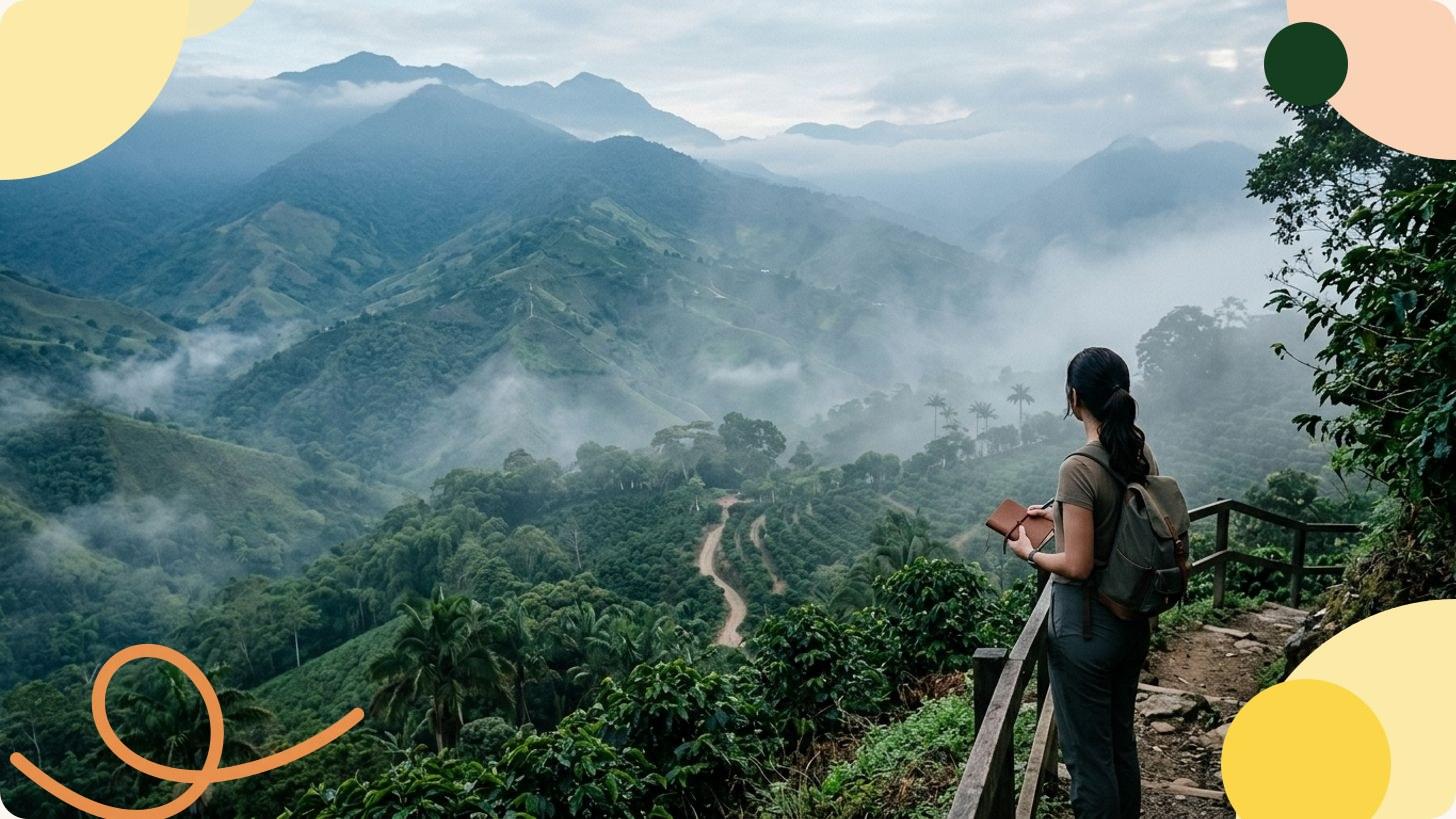
The coffee region, centred on the villages of Salento and Filandia, is one of the country’s most distinctive experiences. Local fincas (family farms) open their doors for guided tours that trace the full journey from cultivation to roasting. The Cocora Valley is home to the wax palm, Colombia’s national tree: its slender silhouettes have become one of the country’s most iconic images.
Tayrona National Park
On the Caribbean coast, Tayrona National Park is where the jungle meets the sea. The beaches are only reachable on foot (between 45 minutes and 2 hours depending on your entry point), which keeps the atmosphere wonderfully unspoilt. The beaches at Cabo San Juan del Guía are spectacular, but strong currents make some areas dangerous for swimming: always follow local safety guidelines.
Ciudad Perdida: the legendary trek
Deep in the Sierra Nevada de Santa Marta, Ciudad Perdida is an ancient Tayrona city founded around 800 AD. The 4-to-6-day trek to reach it passes through indigenous villages, river crossings and dense jungle. It ranks among the most memorable hikes in South America.
San Agustín and its pre-Hispanic statues
In the mountains of the south-west, the San Agustín Archaeological Park preserves hundreds of stone statues carved by a little-known pre-Columbian civilisation. The site remains far less visited than Cartagena or Bogotá, which gives it a quietly compelling atmosphere.
Colombian food: a journey in itself
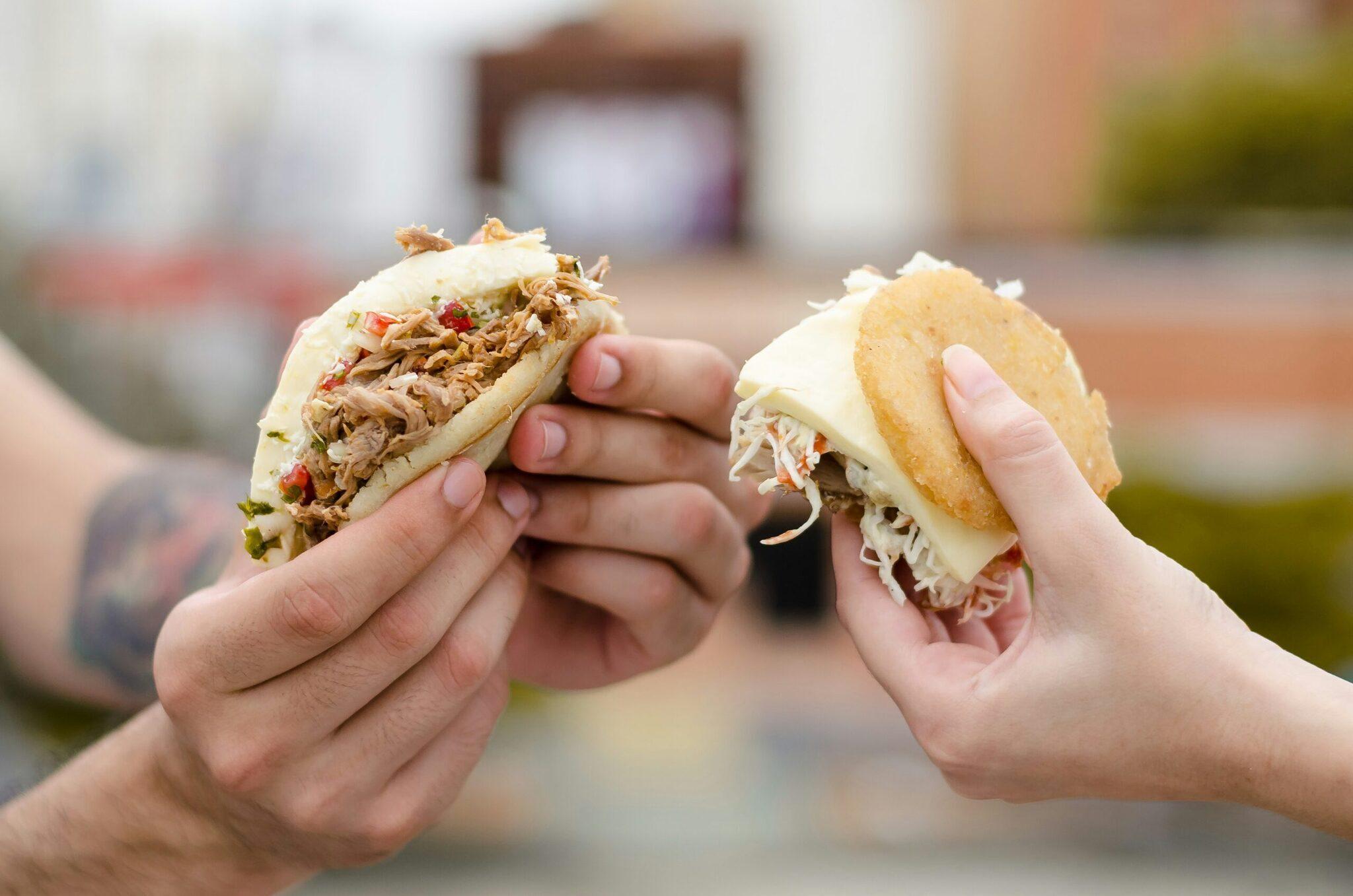
Colombian cuisine is as varied as the country’s landscapes. Around Medellín, the bandeja paisa (red beans, rice, chicharrón, egg, plantain and black pudding) is the definitive local dish. In Bogotá, ajiaco, a chicken soup made with three varieties of local potato, is the perfect warmer on a cool day. Along the Caribbean coast, seafood and coconut-based dishes take centre stage.
Everywhere you go, arepas (corn flatbreads) appear at every meal from breakfast to dinner, and jugos (fresh fruit juices) offer flavours rarely encountered in Europe: maracuyá, lulo, guanábana. And of course, the specialty coffee of the Zona Cafetera is well worth taking home in quantity.
Leaving well prepared
Before you finalise your itinerary, one point deserves attention: medical care can be costly for foreign visitors in Colombia, and repatriation from remote areas such as the Sierra Nevada or the Amazon is an expensive undertaking. For practical details (visas, recommended vaccinations, currency) and guidance on choosing the right cover, visit our Colombia travel insurance page, where everything is gathered in one place so nothing gets overlooked before you leave.
FAQ
How long do you need to travel Colombia?
Allow a minimum of two weeks to cover the main destinations (Bogotá, Medellín, Cartagena). With three weeks, you can add the Zona Cafetera or Tayrona Park at a comfortable pace.
What is the best time to visit Colombia?
The dry seasons (December-March and July-August) offer the best conditions across most regions. February is often recommended for good weather without the crowds or the higher prices of the December-January peak.
Is Colombia safe for travellers?
The major tourist cities (Bogotá, Medellín, Cartagena) welcome millions of visitors each year and the situation has improved significantly. Standard precautions apply: avoid isolated areas at night and do not display valuables. Some zones remain inadvisable; check the latest travel advice from your Foreign Ministry before you go.
Should you visit Bogotá or Medellín first?
It depends on what you are looking for. Bogotá offers exceptional cultural and museum heritage. Medellín wins with its youthful energy and remarkable urban renewal. Ideally, the two cities complement each other and sit naturally in the same itinerary: regular domestic flights connect them.
What is the food like in Colombia?
Food varies by region: bandeja paisa in Medellín, ajiaco (chicken soup) in Bogotá, seafood and coconut dishes along the Caribbean coast. Arepas and exotic fruit jugos can be found right across the country.