
Albania brings together in one country experiences that elsewhere demand several destinations: an Ionian riviera with waters to rival the Cyclades, mountain ranges topping 2,500 metres, and UNESCO-listed Ottoman towns. Less than three hours by air from London, and with a daily budget of around €30-50, it stands out as one of Europe’s most rewarding destinations for curious travellers.
Tirana: a capital that catches you off guard
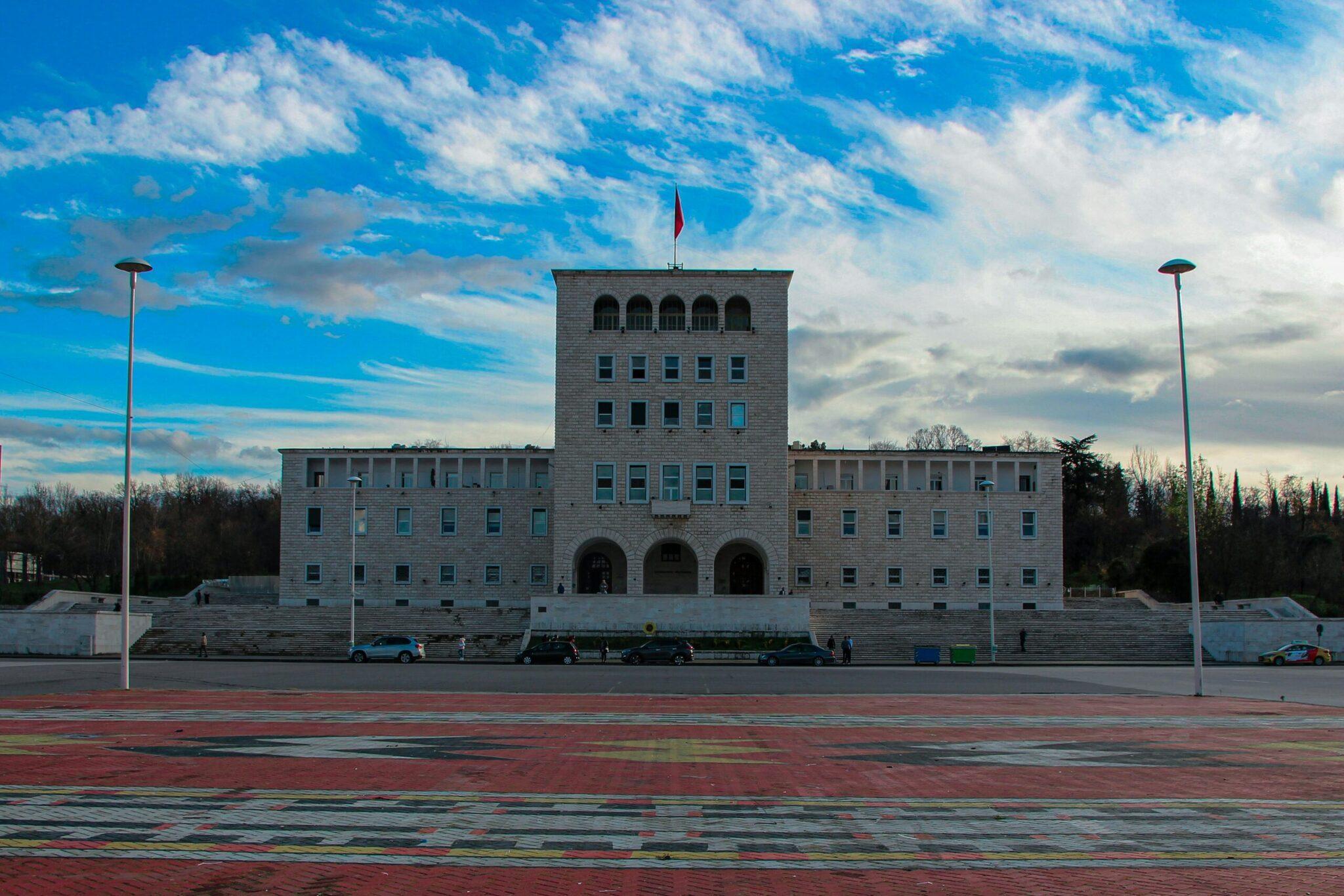
Tirana is far more than a transit stop. Skanderbeg Square, redesigned as a sweeping pedestrian space, brings together the Et’hem Bey Mosque, the National History Museum and the Opera House within easy walking distance. The Blloku district, once reserved exclusively for the Communist nomenklatura, is now home to the liveliest cafes in the capital.
To understand the country’s recent history, the Bunk’Art museums are essential: installed in former nuclear bunkers built under the Hoxha dictatorship, they offer a remarkable window into the five decades of isolation that shaped modern Albania.
The Albanian Riviera: Europe’s most underrated coastline
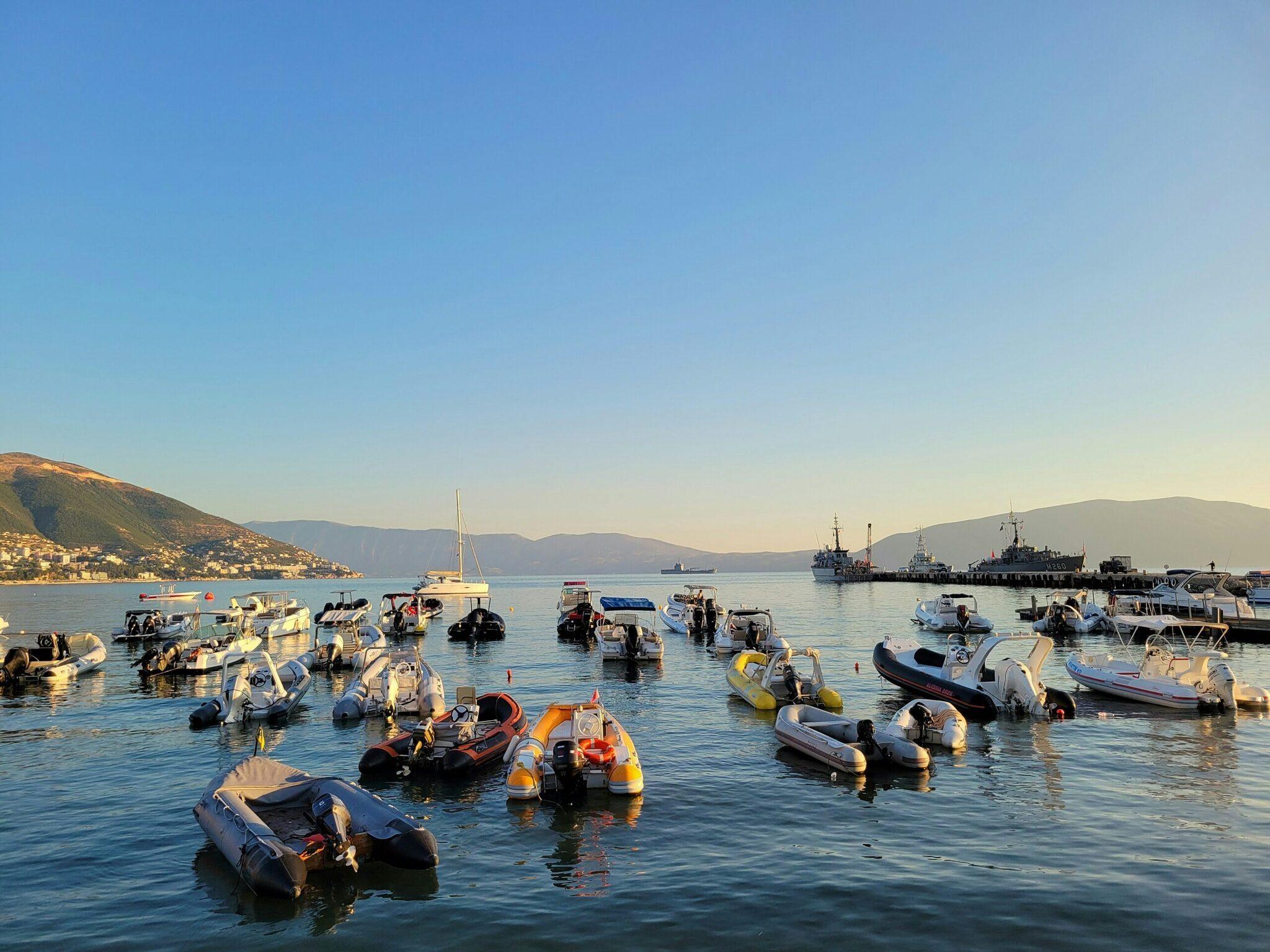
From Vlorë to Sarandë, the Ionian coast unfolds in a succession of coves and pebble beaches that many travellers liken to Greece as it was decades ago: beautiful, accessible and refreshingly uncrowded. Dhërmi, Jale and Gjipe Bay draw visitors with their stillness and crystal-clear waters. Ksamil, in the far south, offers tiny islands within easy swimming distance in a deep, vivid sea.
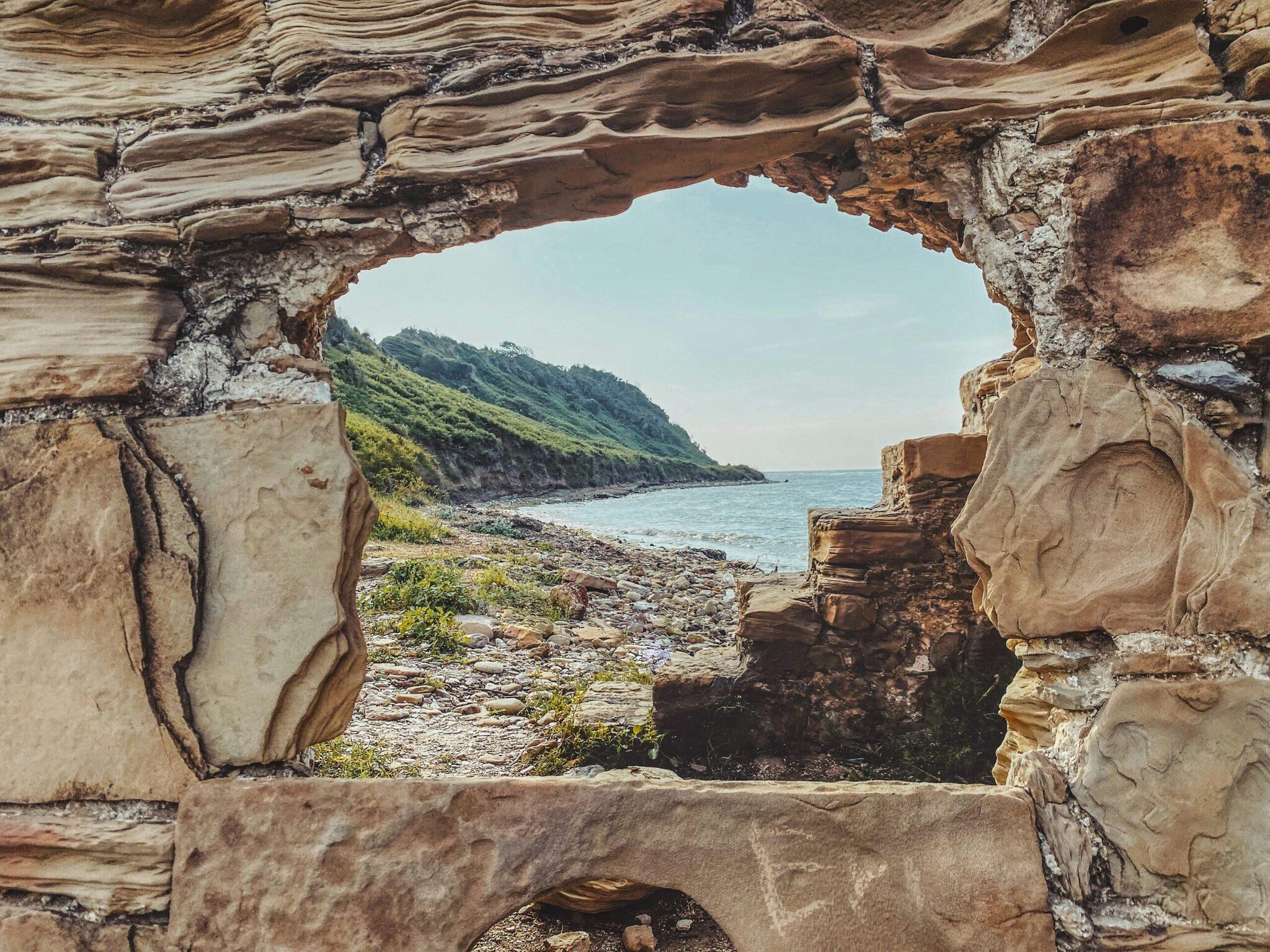
From Sarandë, a short trip leads to the ruins of Butrint, a Greco-Roman archaeological site on the UNESCO World Heritage List, where ancient theatres and Byzantine ramparts stand layered above the lagoon.
Those drawn to Mediterranean coastlines will find further inspiration along Sardinia’s unspoiled shores or discovering what Crete holds for the unhurried traveller: two destinations that share Albania’s wild, luminous character.
The Albanian Alps: trekking the “Accursed Mountains”
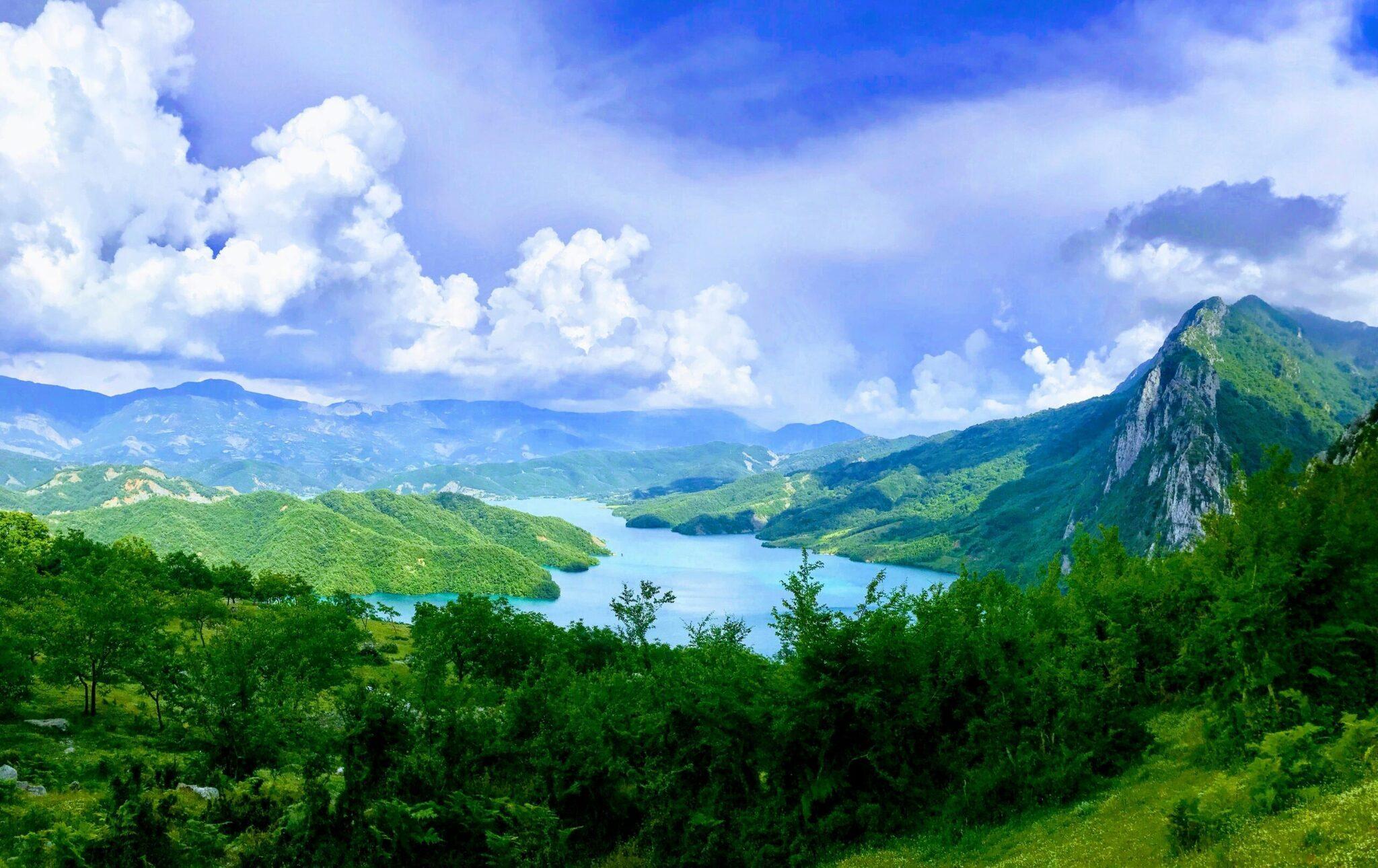
In the north, the Bjeshkët e Namuna, or “Accursed Mountains,” are among the least-visited ranges in Europe. The Valbona-Theth trek captures everything these peaks have to offer: around 16 km, a pass at 1,759 metres and six to eight hours of walking through pine forests and alpine meadows. At journey’s end, the village of Theth and its Blue Eye (Syri i Kaltër), a glacial spring of startling turquoise, make the effort more than worthwhile.
May, June, September and October bring the best conditions for trekking: passable trails, bearable temperatures and generous mountain light. At altitude, the unexpected remains a real possibility and medical facilities are few and far between: travel insurance covering medical costs and repatriation becomes a genuine safety net in these remote areas.
Get my travel insurance quoteBerat and Gjirokastra: two UNESCO-listed Ottoman jewels
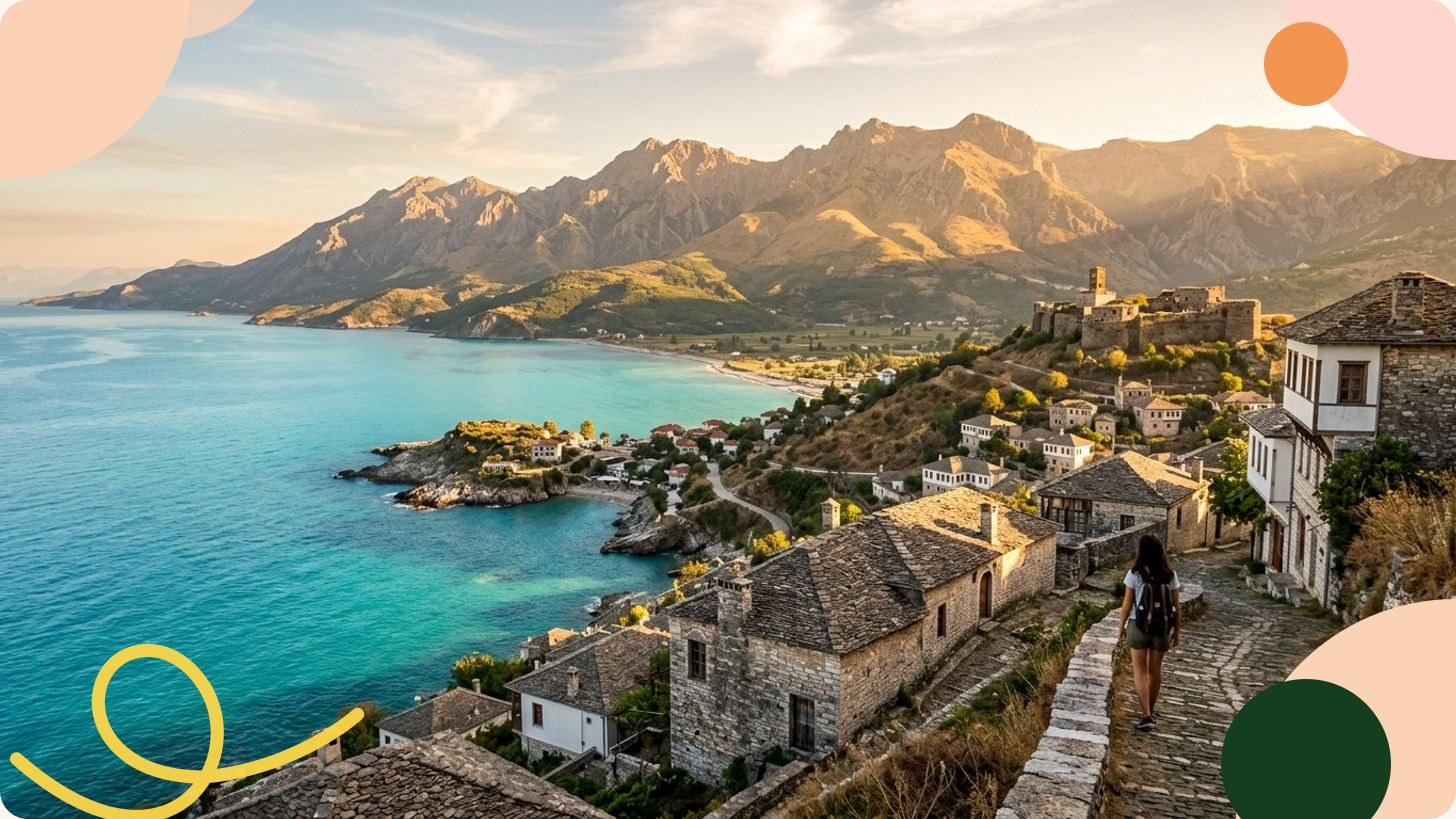
Berat, nicknamed “the city of a thousand windows,” owes its reputation to rows of white houses with broad bay windows stacked up a hillside above the Osum river. Gjirokastra, more austere with its slate rooftops and medieval castle, is the birthplace of Ismail Kadare, one of Albania’s most widely translated writers.
Both towns reward one to two days each: craft bazaars, medieval fortifications and ethnographic museums bring five centuries of Ottoman history to life in a way that feels entirely, distinctly Albanian.
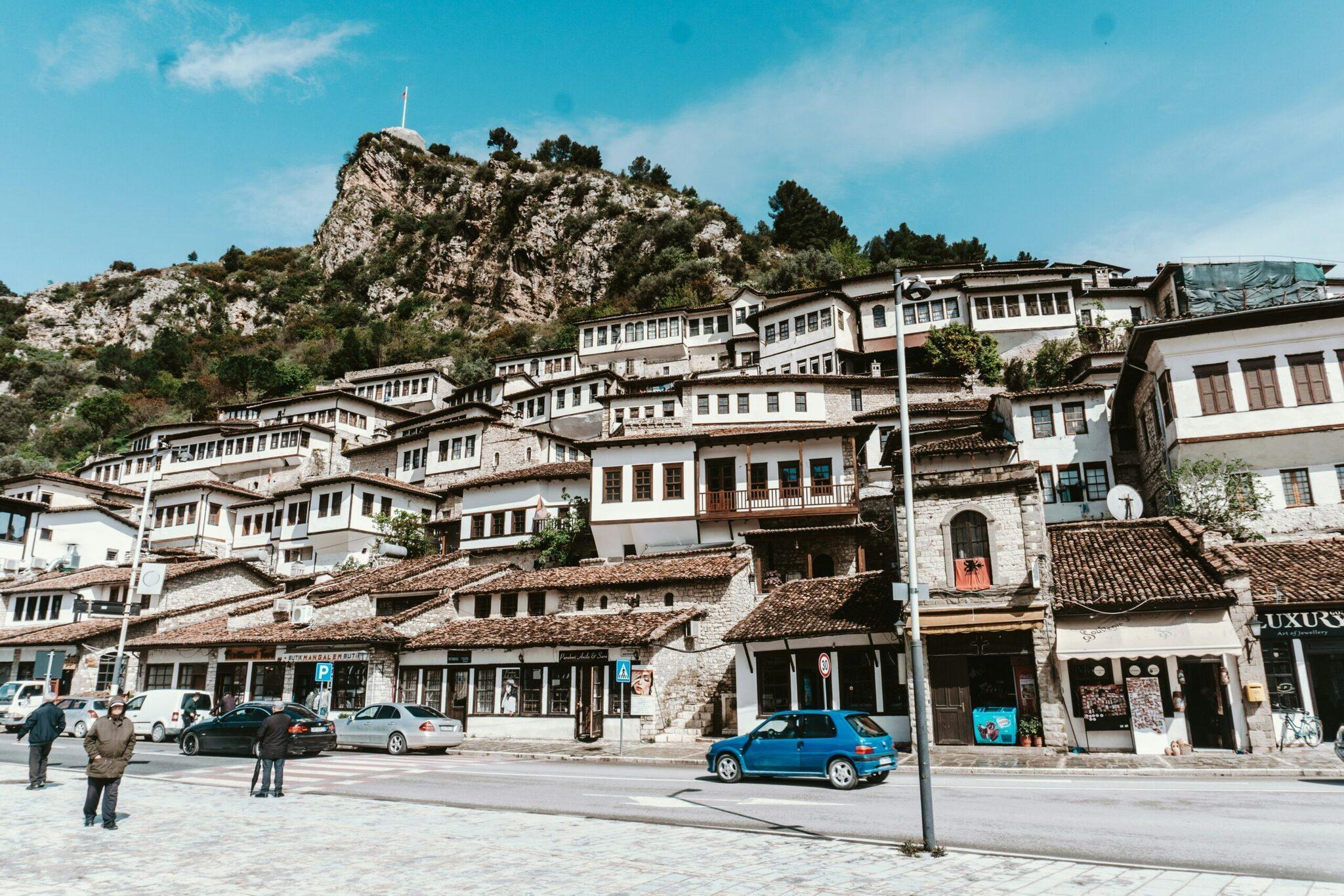
For those who believe that travel is as much about understanding as it is about seeing, Berat and Gjirokastra make the point perfectly.
Albanian food: the trip’s biggest surprise
Albanian cuisine may well be the greatest discovery of the journey. Shaped by five centuries of Ottoman influence woven together with Greek and Italian touches, it delivers bold, generous flavours. Tavë kosi, the national dish, is a baked casserole of lamb and rice under a layer of egg-enriched yoghurt, creamy with a gentle tang. Byrek, a flaky pastry filled with white cheese, spinach or meat, works equally well as a breakfast or a midday bite.
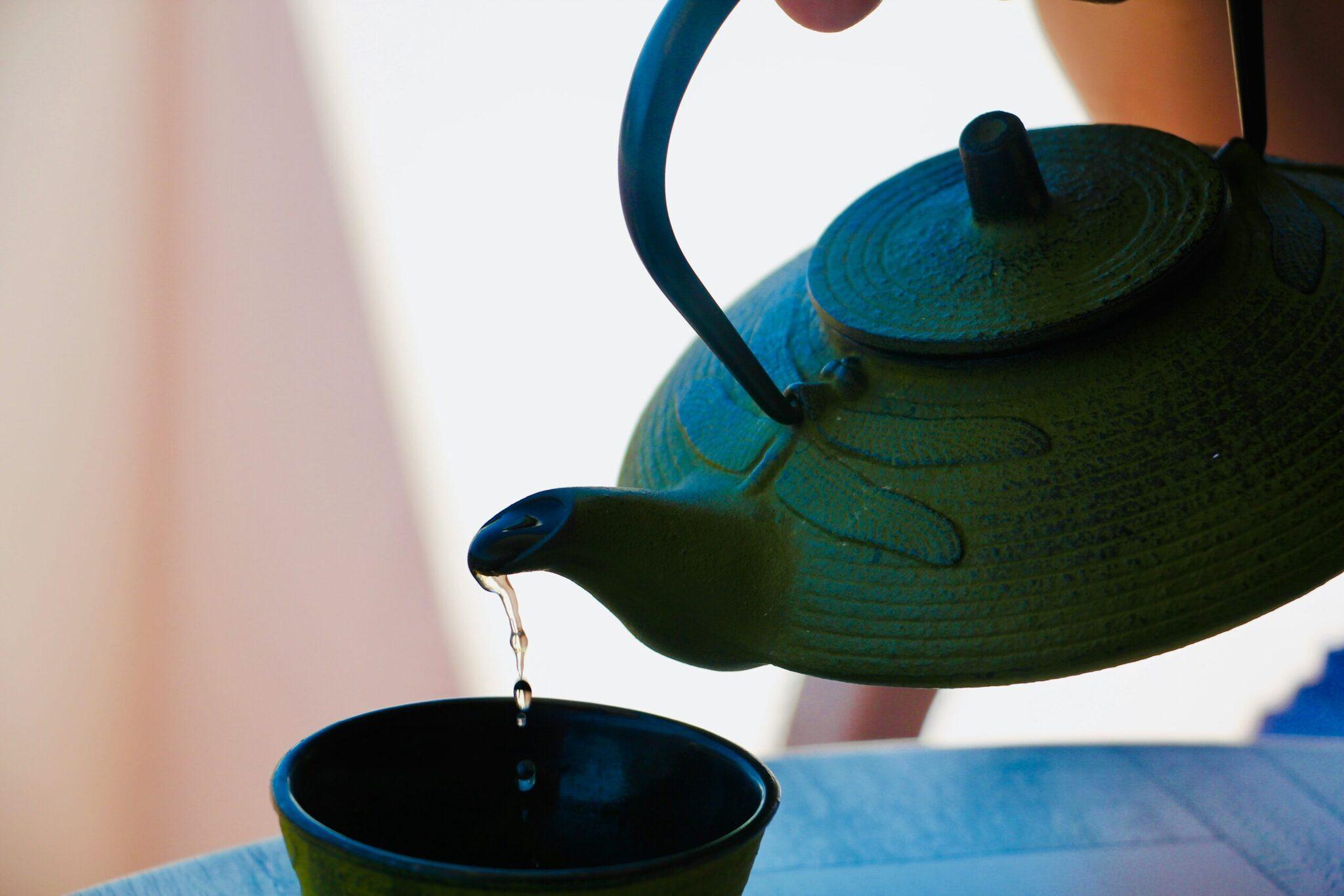
Settling into a cafe in Tirana or Berat, watching the world go by over a short, strong coffee served with a glass of water: this is one of the most genuinely transporting rituals an Albanian trip has to offer.
Getting around the country
Hiring a car in Tirana remains the most flexible way to move between southern coves and northern mountain villages. The furgons, shared minibuses that depart when full, form an informal and inexpensive network linking the main towns for a few euros. Local and practical, they demand mainly patience when it comes to schedules.
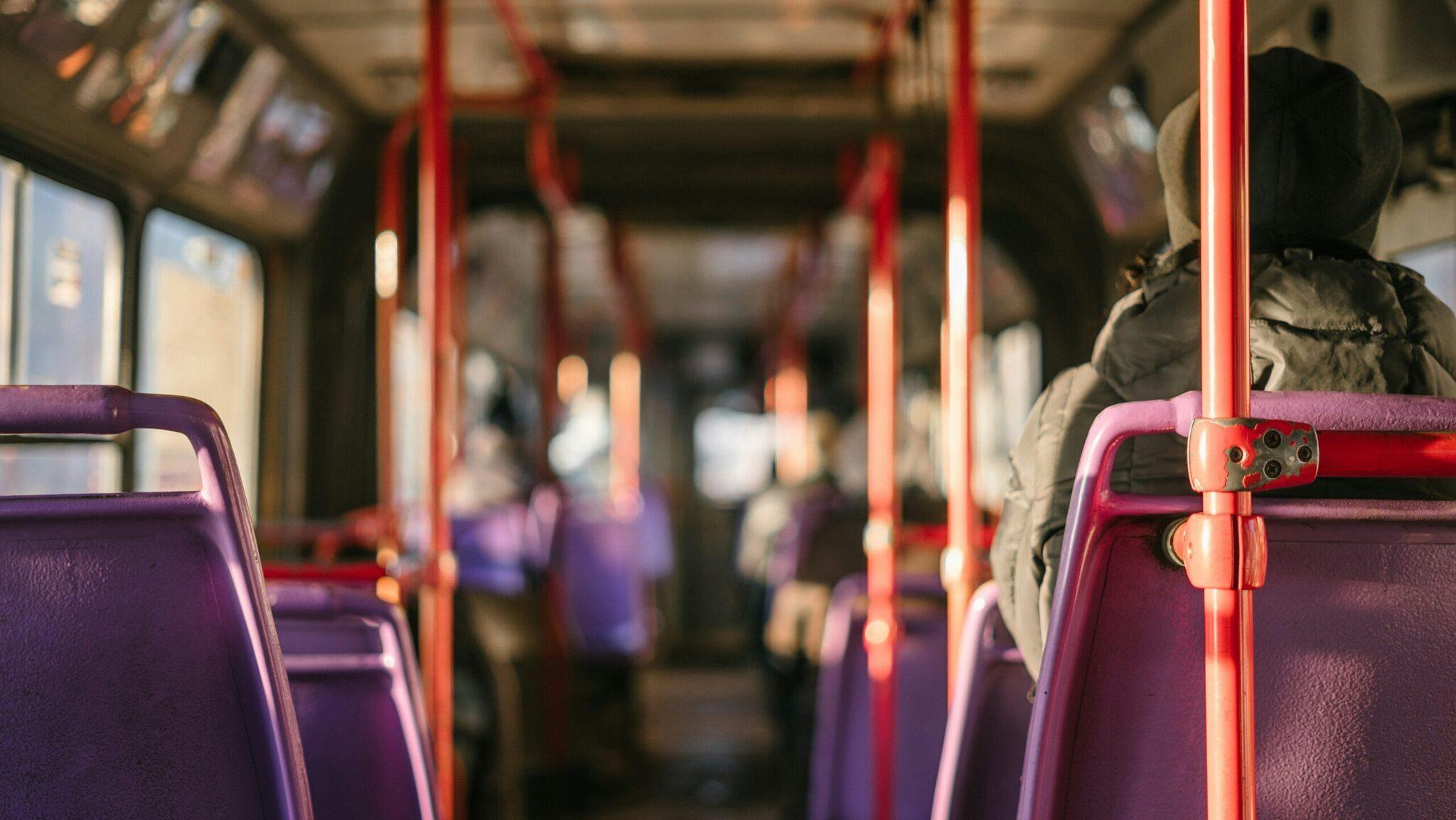
In the mountains, roads are often narrow and winding. Driving at night is not recommended: aim to reach your destination before dark.
When to visit Albania
May-June and September offer the best balance: coastal temperatures between 22 and 28°C, walkable mountain trails and visitor numbers that remain manageable. July and August are peak beach season on the riviera, with prices climbing and heat in the inland valleys sometimes exceeding 40°C. For alpine trekking, wait until late May at the earliest: snow lingers well into spring at Valbona and Theth.
FAQ
Is Albania safe for travellers?
According to official government travel advice (updated April 2026), Albania carries no specific security warning. The usual precautions apply: keep an eye on your belongings in tourist areas and check local conditions before heading out on isolated mountain trails.
How many days do you need to visit Albania?
Ten days comfortably covers the south: Tirana, Berat, Gjirokastra, the riviera and Butrint. Allow two weeks to include the Albanian Alps in the north.
When is the best time to visit Albania?
May-June and September offer the best conditions for combining coast and mountains, without the summer crowds or the heat.
Is tap water safe to drink in Albania?
Tap water is not recommended for drinking in most areas. A filtered water bottle is the practical solution and avoids generating a trail of plastic waste throughout the trip.
Do you need travel insurance for Albania?
Albania is not an EU member state, which means the European Health Insurance Card does not apply there. In the event of hospitalisation or medical evacuation, all costs fall to the traveller without adequate cover. Travel insurance covering medical expenses and repatriation is particularly valuable if you plan to trek in mountain areas, far from any hospital.