
Sardinia packs, within a single island, some of the Mediterranean’s most unspoiled beaches, an almost untouched mountain interior and a prehistoric civilisation with no equal in Europe. Whether you’re planning ten days of sea and hiking or an off-season cultural break, here’s everything you need to leave at the right time and come back with no regrets.
Explore Sardinia with complete peace of mindSome of the Mediterranean’s Most Unspoiled Beaches
Sardinia alternates limestone coves along the east coast, pink granite shores in the north-east and broad white-sand stretches in the north-west. Three areas concentrate the most spectacular scenery.
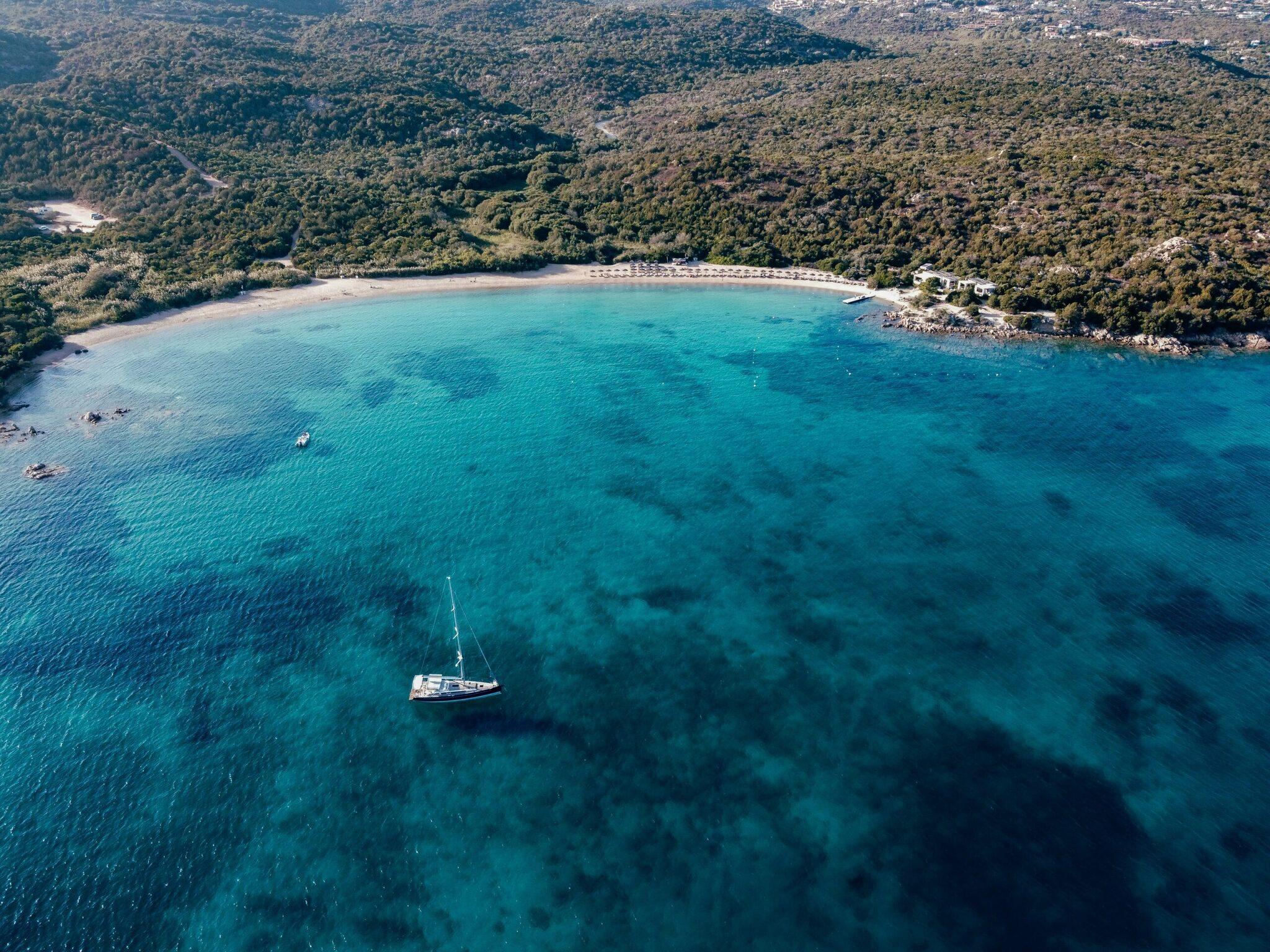
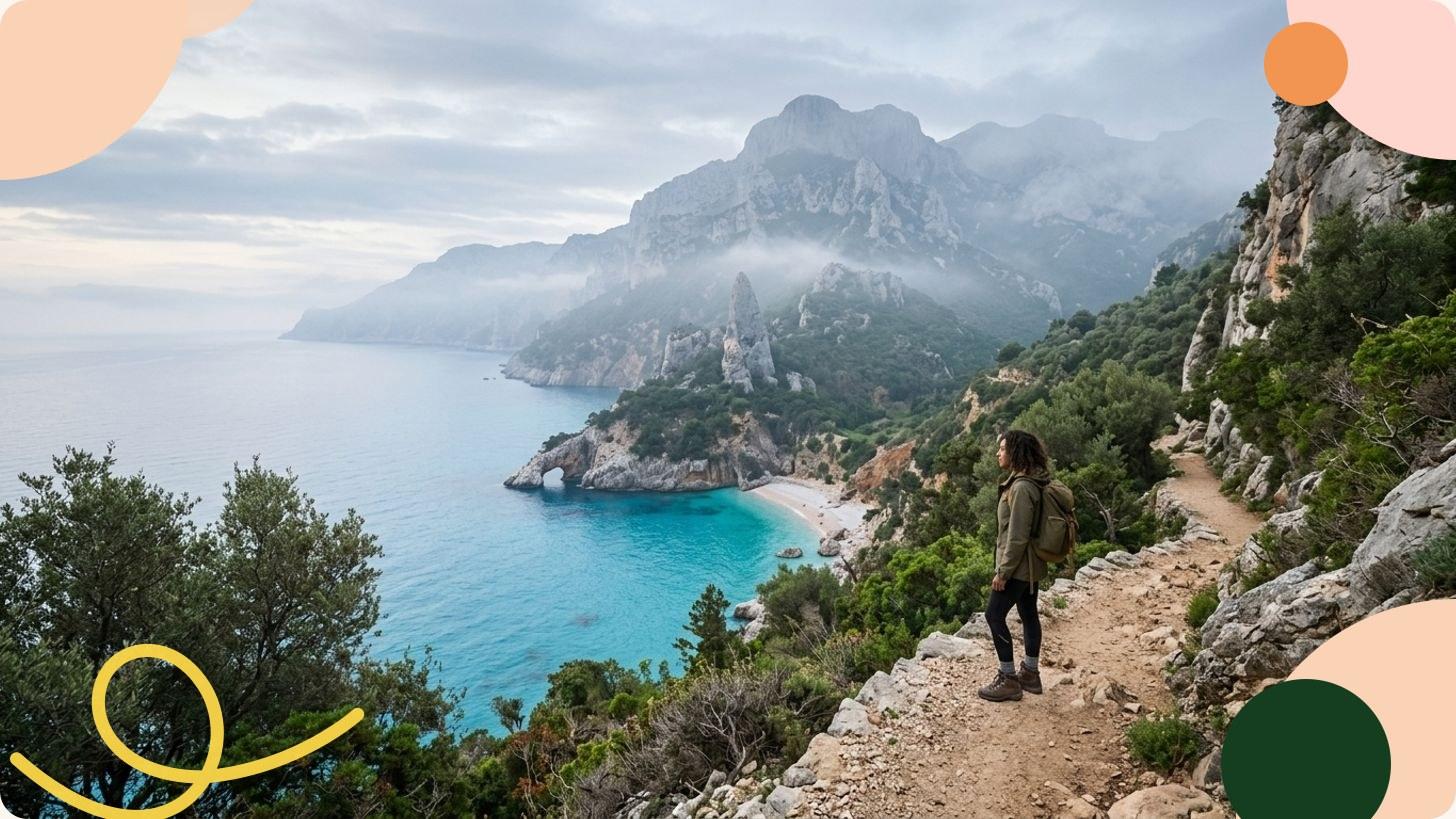
The Gulf of Orosei (east coast) shelters coves reachable only by boat or after several hours on foot. Cala Goloritzé, set beneath a monumental rock arch, regularly tops the list of Italy’s most beautiful beaches. In summer, shuttle boats from Cala Gonone are essential: walking access requires a permit and is capped by daily limits.
The Costa Smeralda and La Maddalena Archipelago (north-east): pink granite beaches with turquoise waters – Spiaggia del Principe, Cala di Volpe, Liscia Ruja. Reachable by ferry from Palau, the La Maddalena Archipelago groups seven protected islands of sea-polished granite coves. Porto Cervo, the main town on the Costa Smeralda, has some of the highest prices in Italy, especially in July and August.
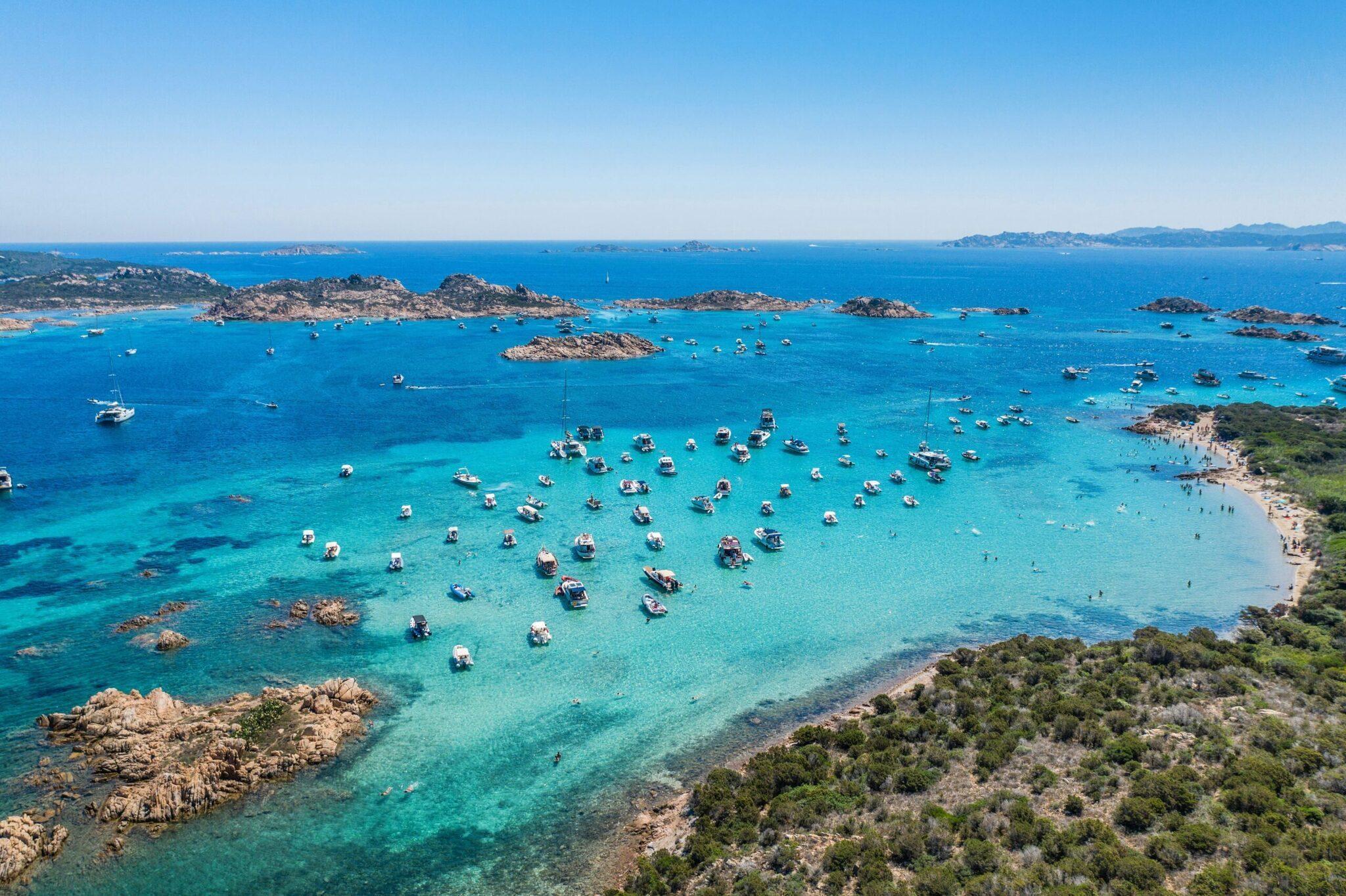
La Pelosa at Stintino (north-west) is regularly rated among the finest beaches in the Mediterranean: shallow turquoise water, white sand and views across to the Aragonese tower of Asinara. Entry costs 3.50 € from 15 May to 15 October, with online booking recommended to protect this fragile site.
Granite, Limestone and Peaks: the Island’s Interior
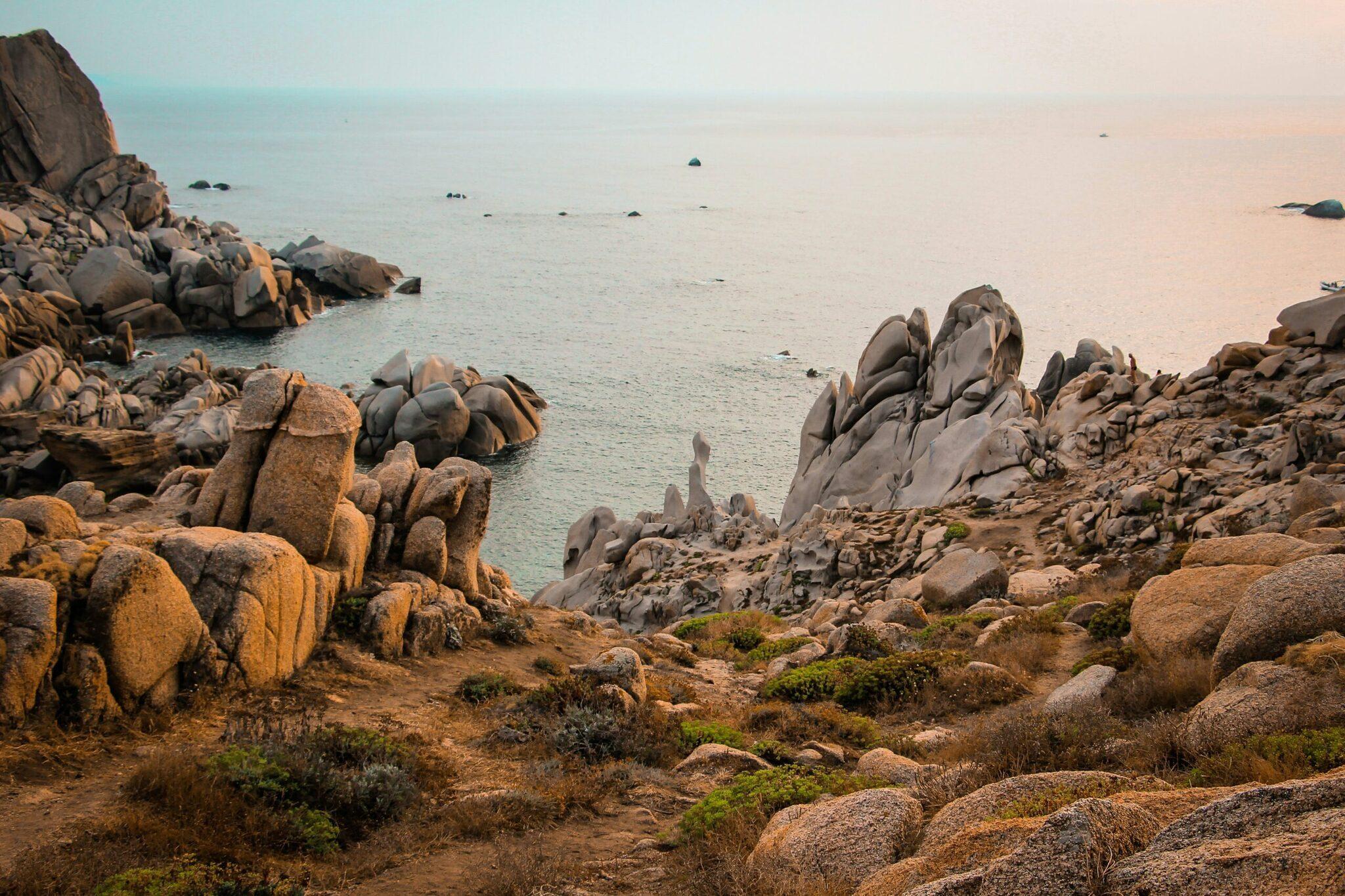
In the north and north-east, pink granite sculpts jagged coastlines and rounded islets that define the Gallura region and the La Maddalena Archipelago.
At the heart of the island, the Gennargentu massif rises to its high point: Punta La Marmora (1,834 m), Sardinia’s tallest summit. The trails leading there from Bruncu Spina (where the island’s only ski resort sits) require no technical climbing skills and reward walkers with a panorama stretching across the entire island.
Adjoining the Gennargentu, the Supramonte is a limestone plateau spreading between Orgosolo, Oliena and Dorgali before merging into the Gulf of Orosei. It saves its finest landscapes for those on foot: the vertiginous walls of the Gorroppu Gorge, the springs of Su Gologone and villages where pastoral traditions remain very much alive. Together, these two massifs form demanding but accessible terrain, at its best in May-June and September.
The Neptune’s Caves, at Capo Caccia near Alghero, can be reached by boat from the harbour or by descending a long staircase carved into the cliff face. This network of galleries filled with exceptional limestone formations is one of the island’s most striking natural wonders.
Hikes Worth the Journey
Sardinia is one of Italy’s most demanding and rewarding hiking destinations.
- Cala Goloritzé from Baunei: 4 to 5 hours return, with a bird’s-eye view of the beach and rock arch.
- Punta La Marmora (Gennargentu): 3 to 4 hours from Bruncu Spina, 360-degree panorama with no technical difficulty.
- Gorroppu Gorge (Supramonte): 5 to 7 hours through one of Europe’s deepest canyons.
- Selvaggio Blu: 7 days of self-sufficient trekking along the cliffs of the Gulf of Orosei, rated one of Italy’s hardest and most beautiful trails. Strictly for experienced walkers with navigation and scrambling skills.
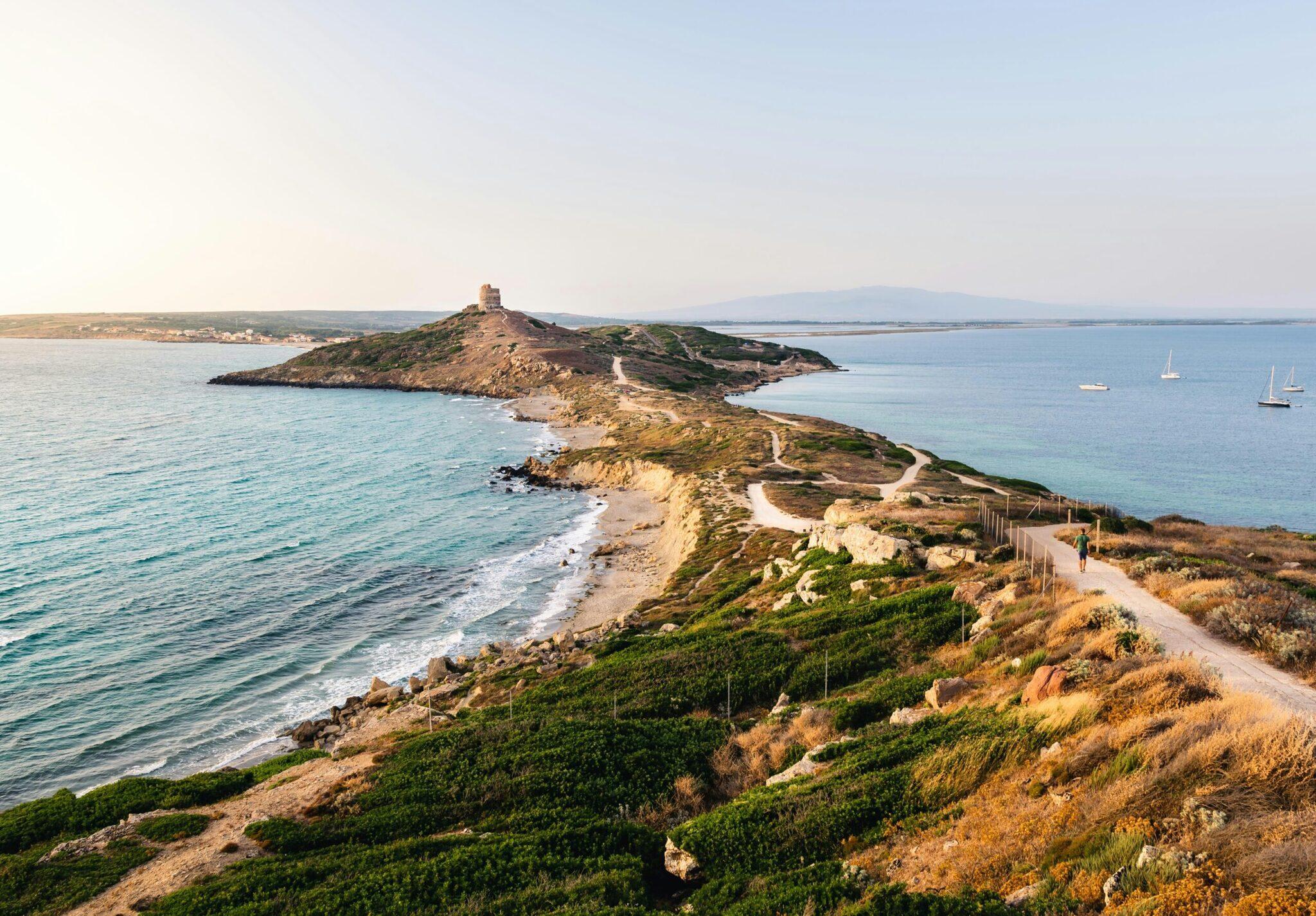
If Mediterranean coastal hikes appeal to you, things to do in Crete covers another island where gorges and cliff paths rival those of Sardinia.
Towns and Cultural Heritage
Cagliari
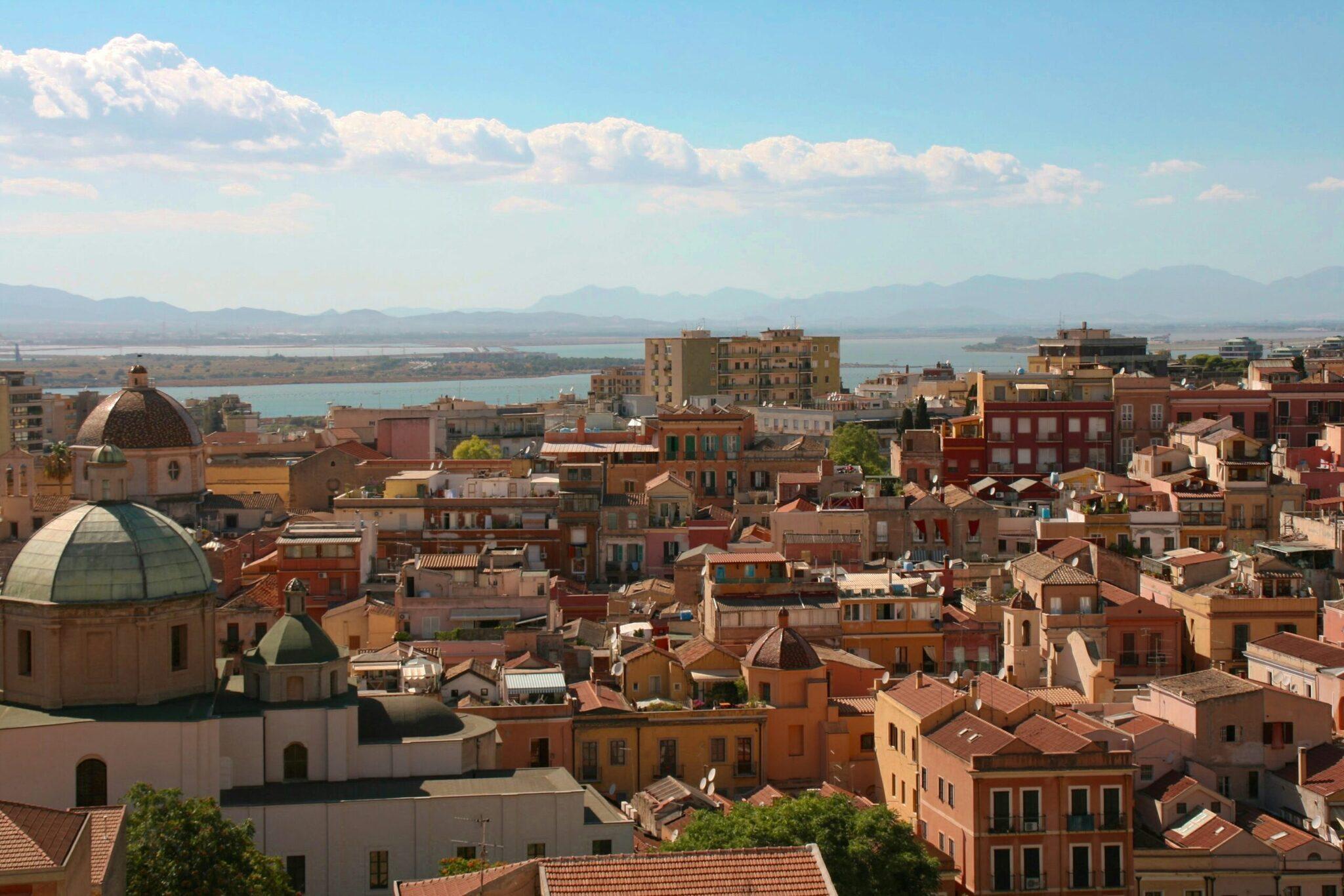
Sardinia’s capital is best explored from the medieval hilltop district of Castello, perched above the gulf and the lagoons where flamingos gather. The San Benedetto covered market, one of the largest in Europe, is the ideal place to find pecorino, smoked ricotta and local cured meats. The atmosphere here is far more authentic than anywhere in the north.
Alghero
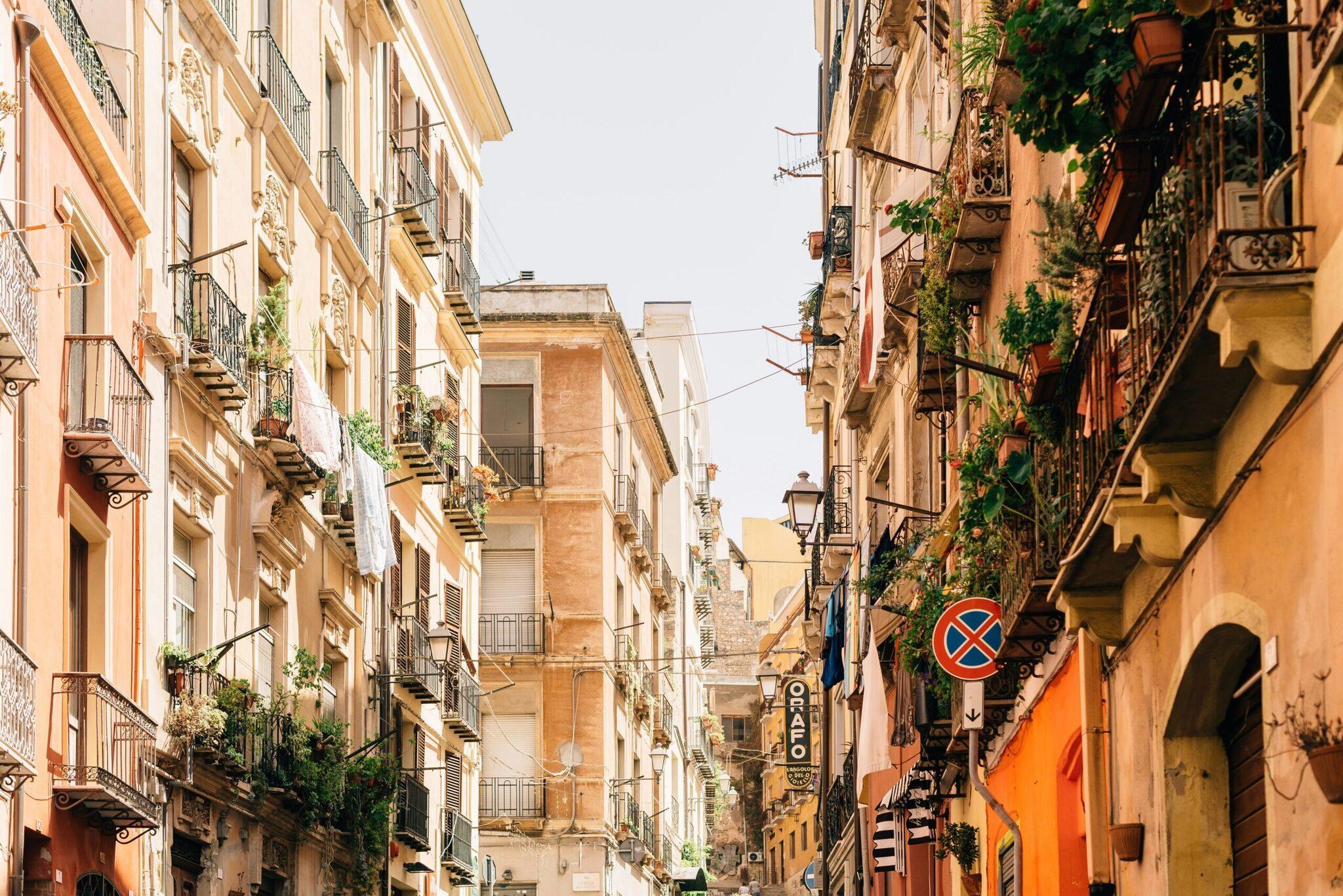
Founded by Catalans in the 14th century, Alghero still speaks a local Iberian dialect and retains an old town whose ramparts drop straight into the sea. Its narrow streets are lined with trattorias, fishmongers and craft shops. The town makes an ideal base for exploring the north-west: Neptune’s Caves, Capo Caccia and the Asinara nature park.
Nuragic Civilisation: a Unique Heritage
Nearly 7,000 nuraghes (towers of cut stone) survive across Sardinia, testifying to an original civilisation that flourished between 1800 and 500 BC. The site of Su Nuraxi di Barumini, a UNESCO World Heritage Site, is the most complete and accessible: roughly 50 km north of Cagliari, an hour-long guided tour is enough to understand the layout of this fortified prehistoric village. Among the Supramonte sites, the cave-dwelling village of Tiscali, hollowed out of a natural cavern, is also worth the detour for archaeology enthusiasts.
When to Visit Sardinia
May-June is objectively the best window: sea temperatures of 20-22°C by June, air temperatures around 25-28°C, beaches that are still accessible without queues and accommodation priced well below summer rates. The Sant’Efisio festival in Cagliari (early May) is the island’s largest Catholic procession.
September offers the same advantages, with a sea that is still warm (around 24°C) and particularly beautiful evening light.
July-August: the Costa Smeralda beaches are at their busiest, coastal roads are congested and prices peak around 15 August (Ferragosto). If you do travel in summer, the south (Cagliari, Villasimius) and the interior remain far more manageable than the north.
March-April: ideal for cultural exploration and hiking, though the sea is still too cool for swimming.
If you’re weighing up several Mediterranean destinations for summer, our pick of the best Southern European destinations may help you decide.
Getting Around Sardinia
Sardinia has three airports: Cagliari-Elmas (south), Olbia Costa Smeralda (north-east) and Fertilia near Alghero (north-west). Direct flights from several European cities serve Olbia and Cagliari in summer.

Car hire: essential for reaching isolated coves, inland villages and nuragic sites. Book several weeks ahead for summer travel, as availability drops fast.
Ferries: several companies connect Genoa, Civitavecchia, Livorno, Marseille and Toulon to Cagliari, Olbia or Golfo Aranci. A practical option if you want to bring your own car without hiring one on the island.
Local buses: the ARST network covers most municipalities, with decent frequency between major towns but very limited services to the wilder stretches of coastline. Fine for getting into town from the airport; not sufficient for exploring the coves.
Food: What to Try
Sardinian cuisine is markedly different from mainland Italian food, shaped by pastoral traditions and Catalan and Aragonese influences.
- Pecorino sardo: aged sheep’s-milk cheese ranging from fresh to very mature, varying by region.
- Porceddu: suckling pig slow-roasted over myrtle wood, a celebratory dish.
- Culurgiones: pasta parcels stuffed with potato, mint and pecorino, a speciality of the Ogliastra.
- Malloreddus: small ridged pasta in a sausage and saffron sauce.
- Cannonau: an IGP red wine made from grenache grapes, produced in Sardinia and typically served with grilled meats.
FAQ
Do I need a visa to visit Sardinia?
No. Sardinia is an Italian region. As an EU citizen, your national identity card is all you need, provided it is valid.
When is the best time to visit Sardinia?
May-June and September offer the best conditions: warm seas, accessible beaches and accommodation priced well below July-August. July-August works if you are happy to deal with the crowds and higher prices, especially on the Costa Smeralda.
Do I need to hire a car in Sardinia?
Yes, if you want to truly explore the island. Public transport covers the main towns, but the secluded coves of the Gulf of Orosei, mountain villages and nuragic sites can only be reached by car or after long walks.
North or south Sardinia: which is better for a first visit?
The north (Costa Smeralda, Maddalena, Alghero) has the most famous beaches and the most developed tourist infrastructure. The south (Cagliari, Villasimius, Sulcis) is more authentic, with equally beautiful beaches that are less crowded and generally cheaper. For a two-week trip, a north-to-south itinerary lets you experience both sides of the island.
Does my Yupwego insurance cover a trip to Sardinia?
Sardinia is part of Italy and the European area. Depending on your policy, Yupwego covers your medical expenses and repatriation should you be hospitalised during your stay. Check the Yupwego FAQ or your policy’s general terms and conditions for the precise details.