
The United States covers more than 9 million km2: from New York’s skylines and Yellowstone’s geysers to the canyons of Utah, the studios of Hollywood and the beaches of Florida, each region offers a world of its own. Here are the most memorable experiences to help you build your itinerary, whatever the length of your trip.
New York: the energy of the East Coast
Times Square and Broadway theatres
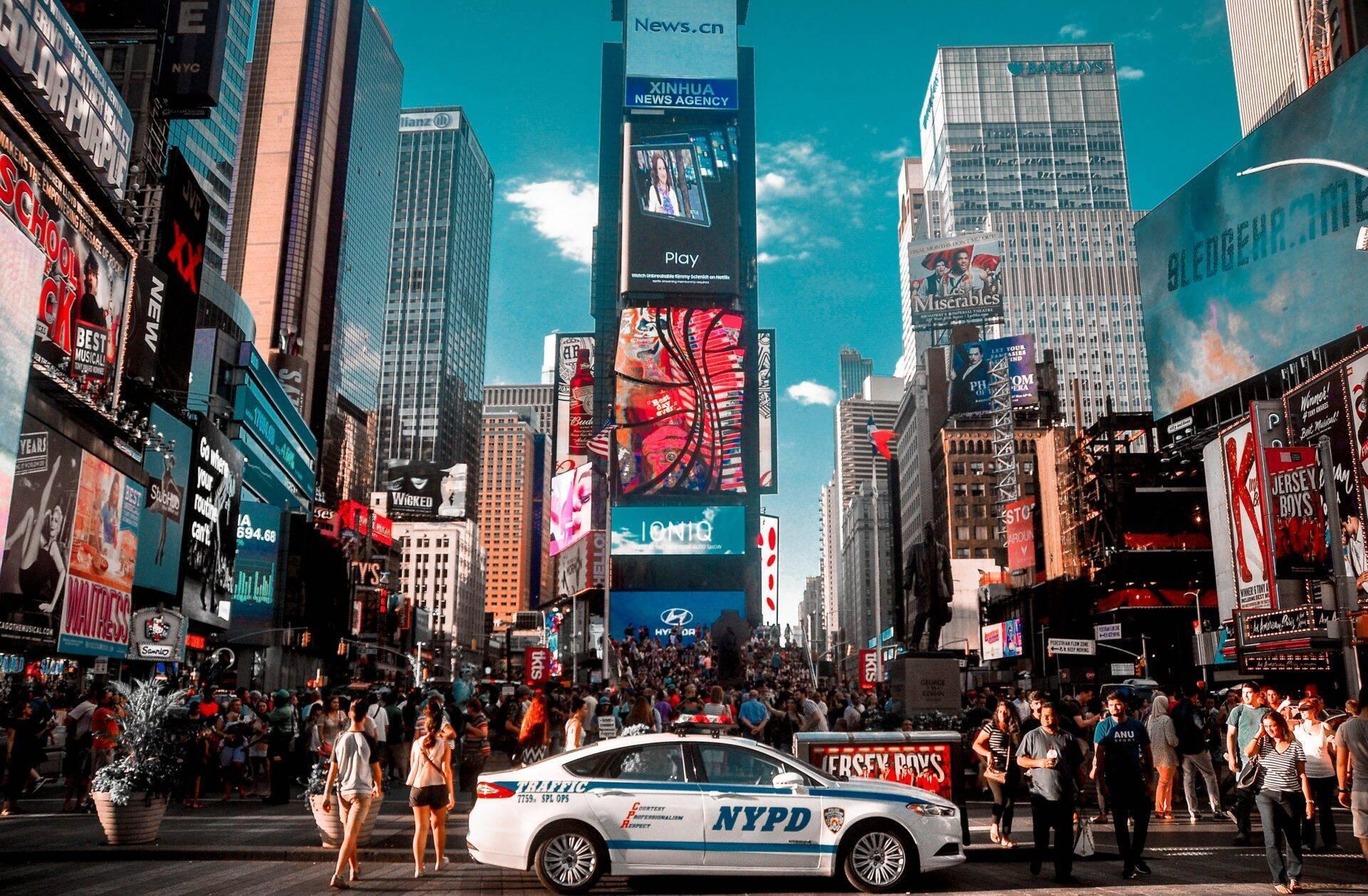
At the corner of Broadway and 7th Avenue, Times Square never sleeps. Giant illuminated billboards, shops open late into the night and a constant stream of visitors create an atmosphere unlike anywhere else. The Broadway theatres, spread through the surrounding streets, stage some of the world’s most sought-after musicals. Booking ahead is strongly recommended for the most popular shows.
Central Park: 341 hectares at the heart of Manhattan
Just a few blocks from Times Square, Central Park offers a striking contrast. The park stretches across 341 hectares between 59th and 110th Street. Bethesda Terrace, Bow Bridge and Central Park Zoo are the most visited stops. Right on the doorstep, the Metropolitan Museum of Art and the Guggenheim Museum each deserve at least half a day.

The Statue of Liberty and Ellis Island
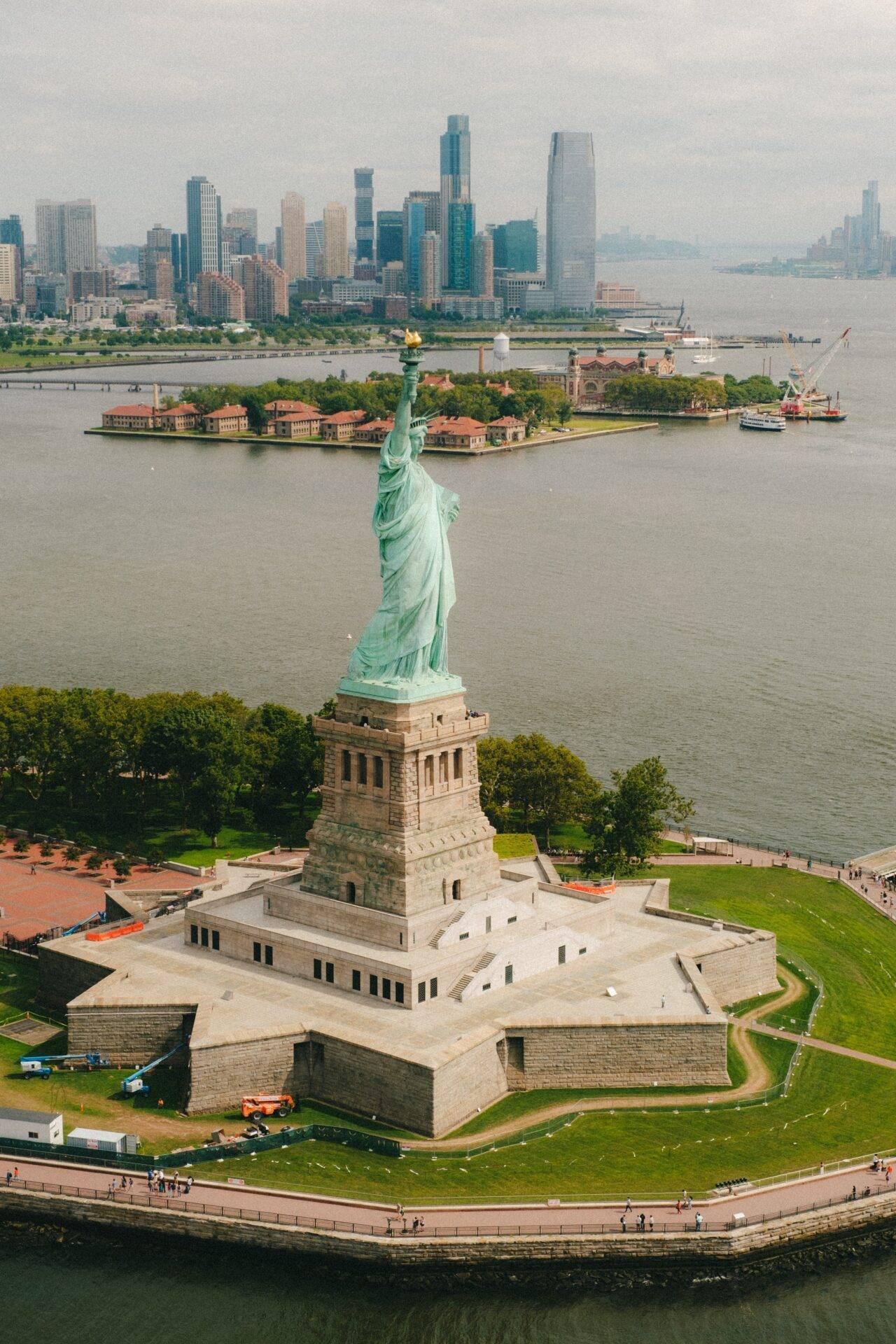
From Battery Park, a ferry takes you to Liberty Island. The Statue of Liberty stands 46 metres tall; reaching the crown means climbing 354 steps. The view of Manhattan from the island is one of the most iconic in the United States.
For a deeper dive into the city, our guide to things to do in New York covers the best visits neighbourhood by neighbourhood.
Protect my USA tripWashington D.C.: museums, monuments and the 250th anniversary
Union Station and the National Mall
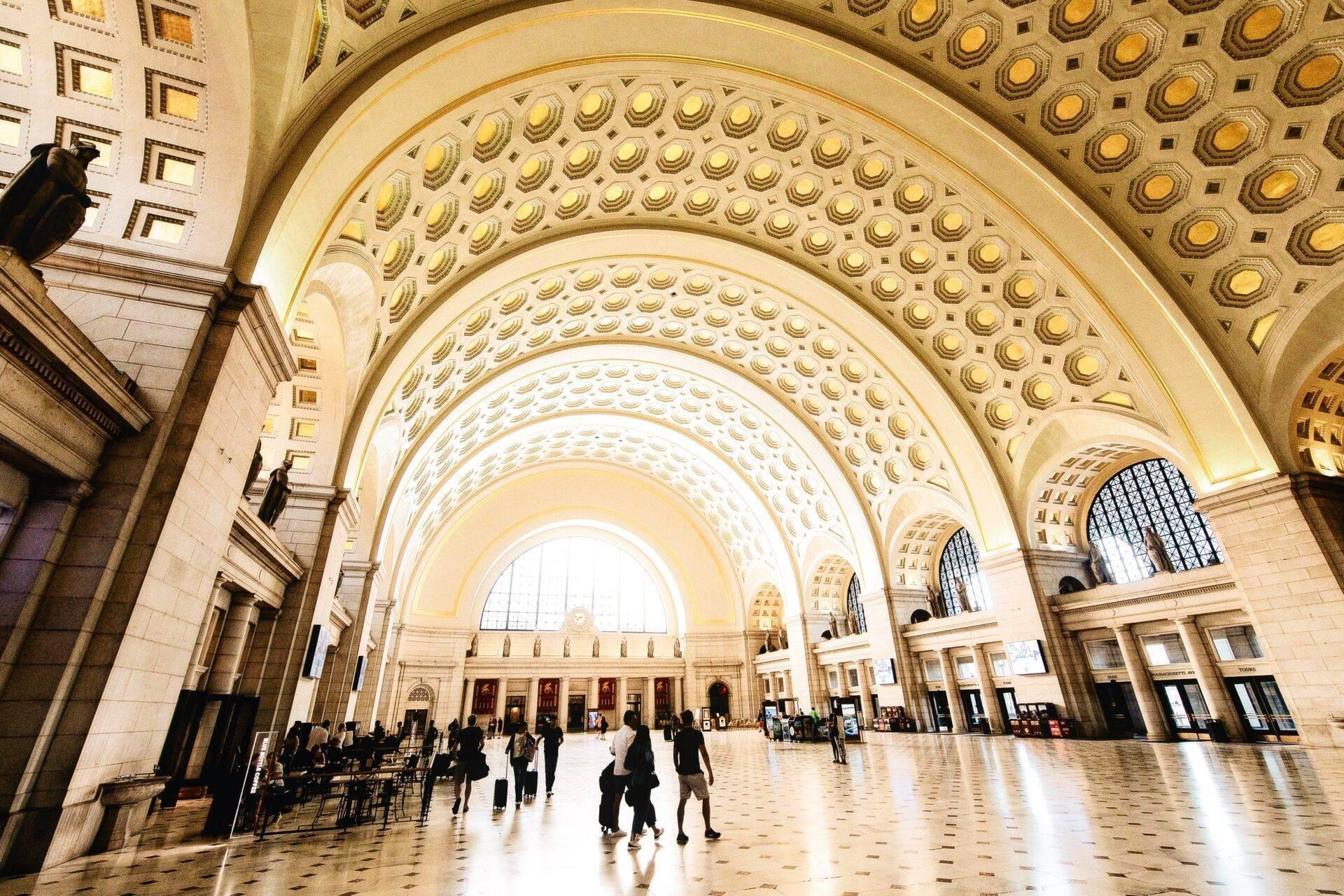
Right next to the Capitol, Union Station is far more than a railway hub. Its grand neoclassical hall, with its vaulted ceilings and gilded details, welcomes travellers before they head out to the National Mall, the Smithsonian’s free museums, the White House or the many memorials that dot the capital.
A once-in-a-lifetime summer: the 250th anniversary of American independence
On 4 July 2026, the United States marks 250 years of independence. Washington D.C. is the epicentre of the celebrations: the Smithsonian Festival transforms the National Mall from 18 June to 12 July 2026, with fireworks, a grand parade and festivities along Pennsylvania Avenue on the 4th of July. Several new cultural spaces are also opening their doors this summer, including the underground Lincoln Memorial museum. If you are planning a trip to the USA this summer, the capital is living through a rare historic moment.
Las Vegas: the Strip and its lights
Las Vegas’s main drag stretches for around 4 miles of monumental casinos, dancing fountains and live shows. The Bellagio’s fountains, the gaming floors of Caesars Palace and Cirque du Soleil productions are the highlights of any visit. An evening stroll along the Strip is a spectacle in itself.
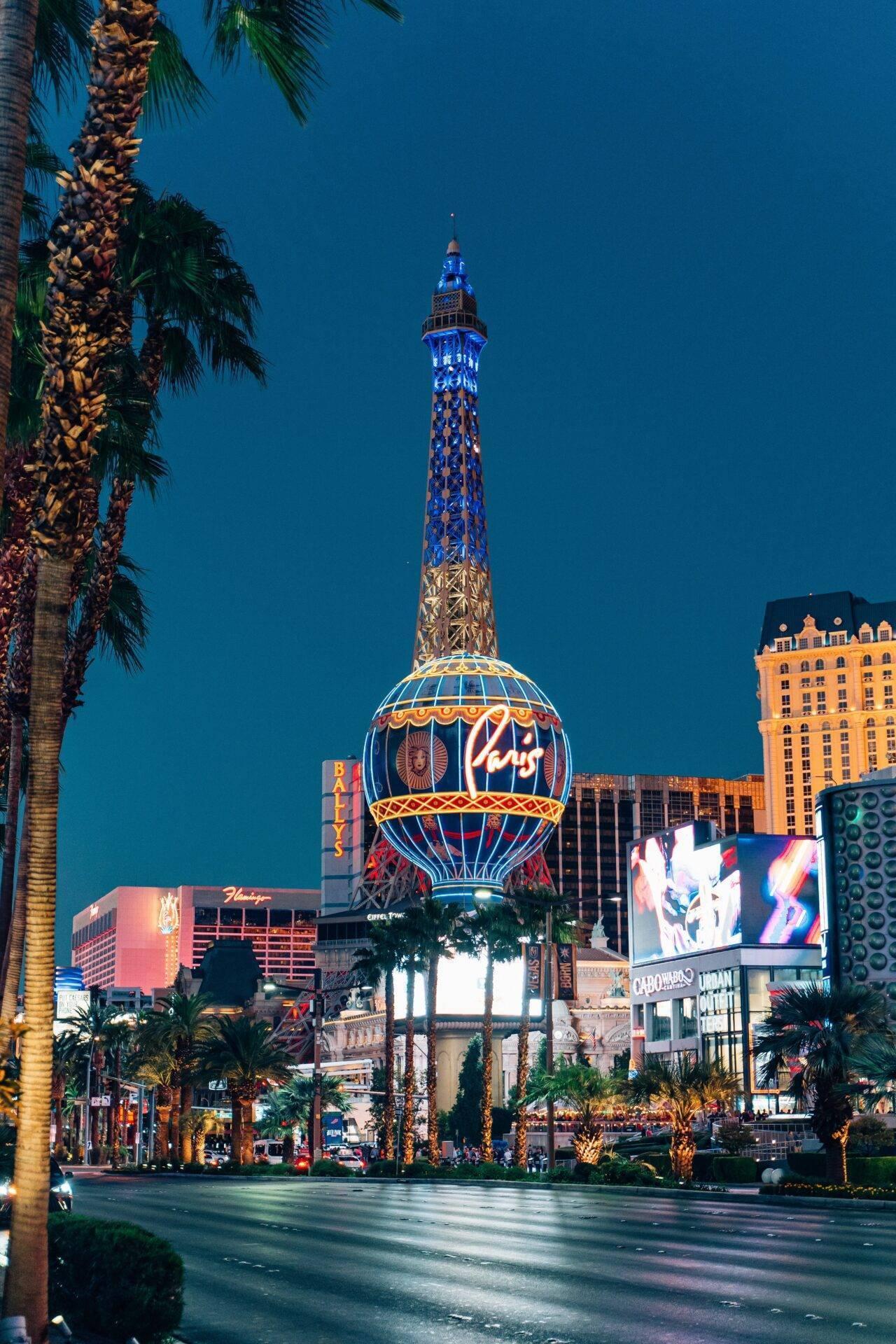
The casino architecture competes in grandeur and glitter. Some hotels recreate world landmarks (the Eiffel Tower, Venice’s Grand Canal, the Egyptian pyramids), giving the Strip the permanent feel of a Hollywood film set.

Niagara Falls
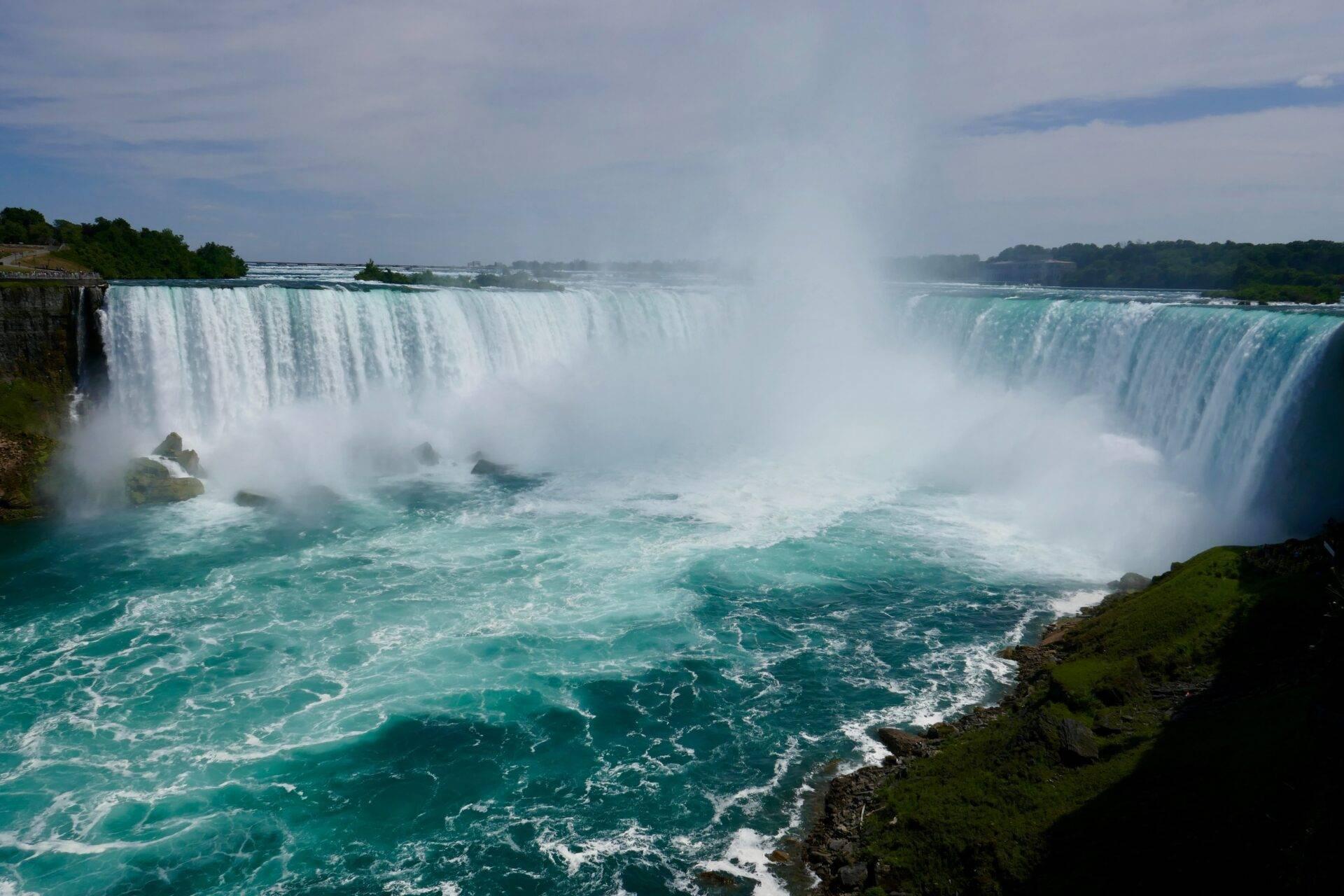
On the border between the United States and Canada, Niagara Falls comprises three distinct waterfalls: the American Falls, Bridal Veil Falls and the vast Horseshoe Falls. The Maid of the Mist boat brings you right to the foot of the cascades, where spray envelops everyone on board. A helicopter tour gives you a sense of the site’s sheer scale from above.
The American West: landscapes that change your perspective
The national parks of the American West rank among the most spectacular natural sites on earth. Our guide to the most beautiful national parks in the USA will help you choose the ones that suit your pace of travel.
The Grand Canyon, UNESCO World Heritage Site
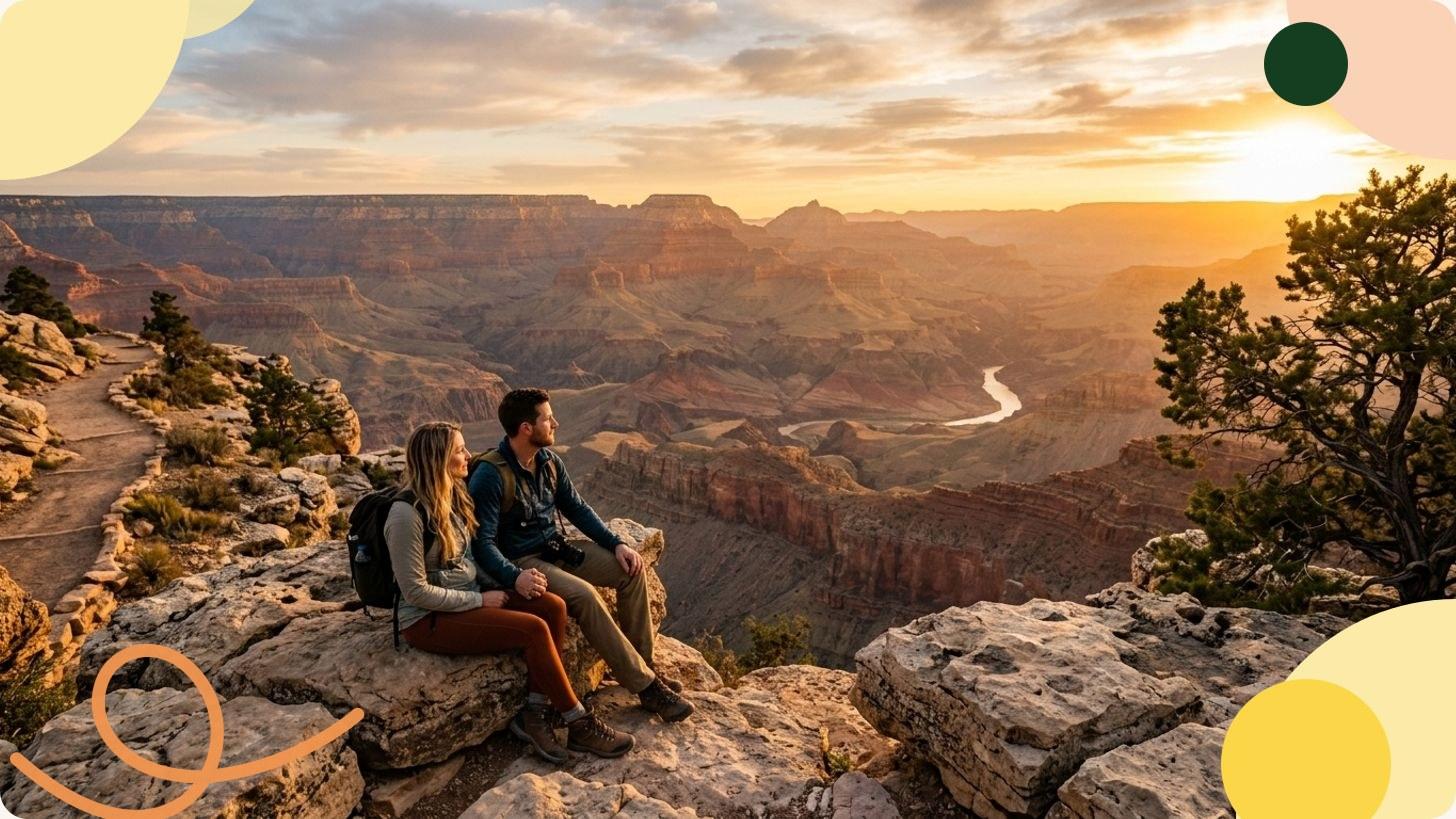
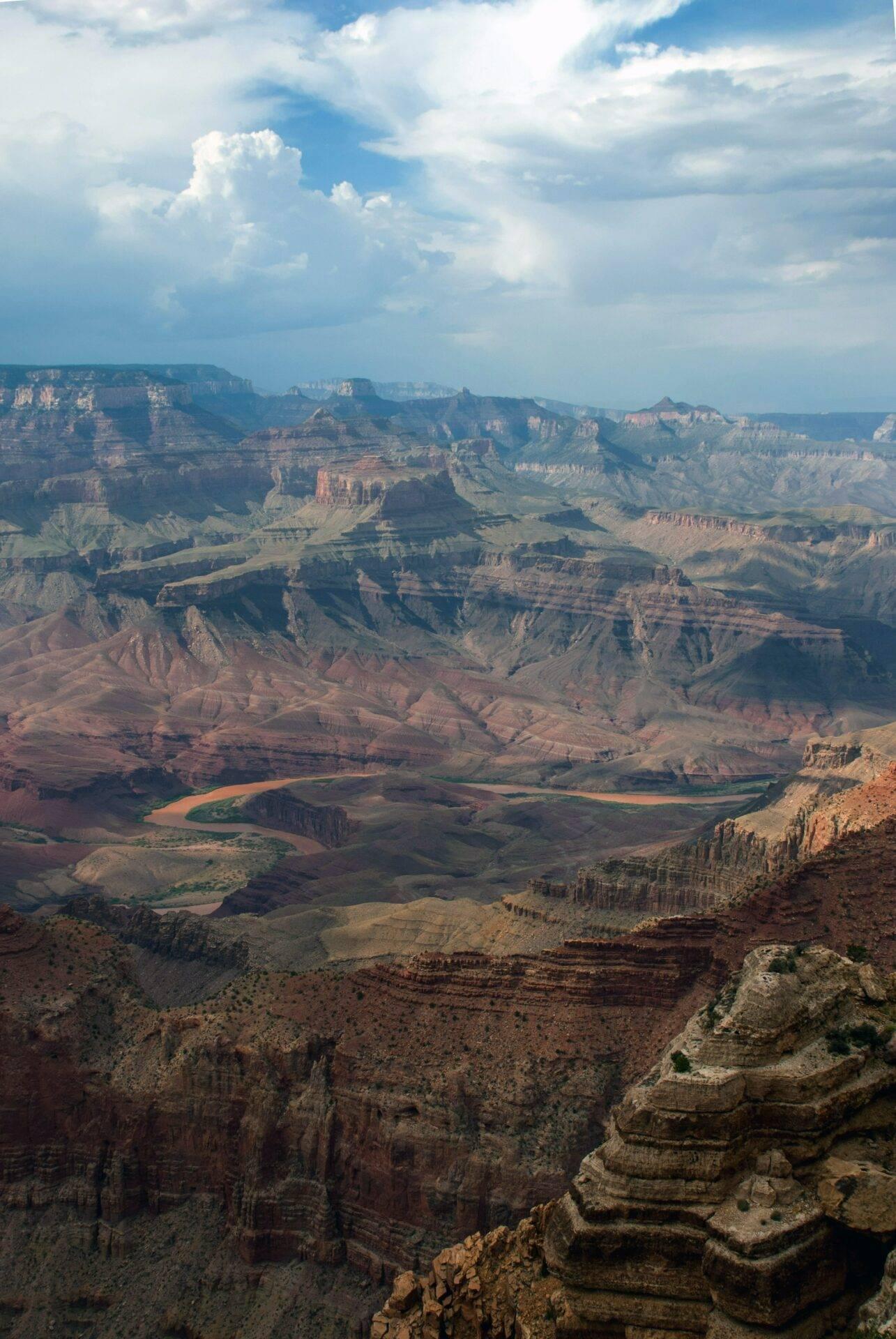
Founded in 1919 and listed as a UNESCO World Heritage Site, the Grand Canyon stretches 446 km and plunges to depths of 1,800 metres. The layers of red and brown rock visible on its walls tell billions of years of geological history. The South Rim, accessible year-round, offers the most approachable panoramas. Experienced hikers descend to the Colorado River via the Bright Angel or South Kaibab trails for a completely different experience from the canyon floor.
Bryce Canyon: the amphitheatre of hoodoos
In southern Utah, Bryce Canyon is a vast natural amphitheatre scattered with hoodoos, those chimney-shaped rock formations carved by erosion. The light at dawn and dusk, when it sets the cliffs ablaze with colour, produces unforgettable images. Zion National Park, reachable from the same area, rounds off the visit with its deep, narrow canyons.
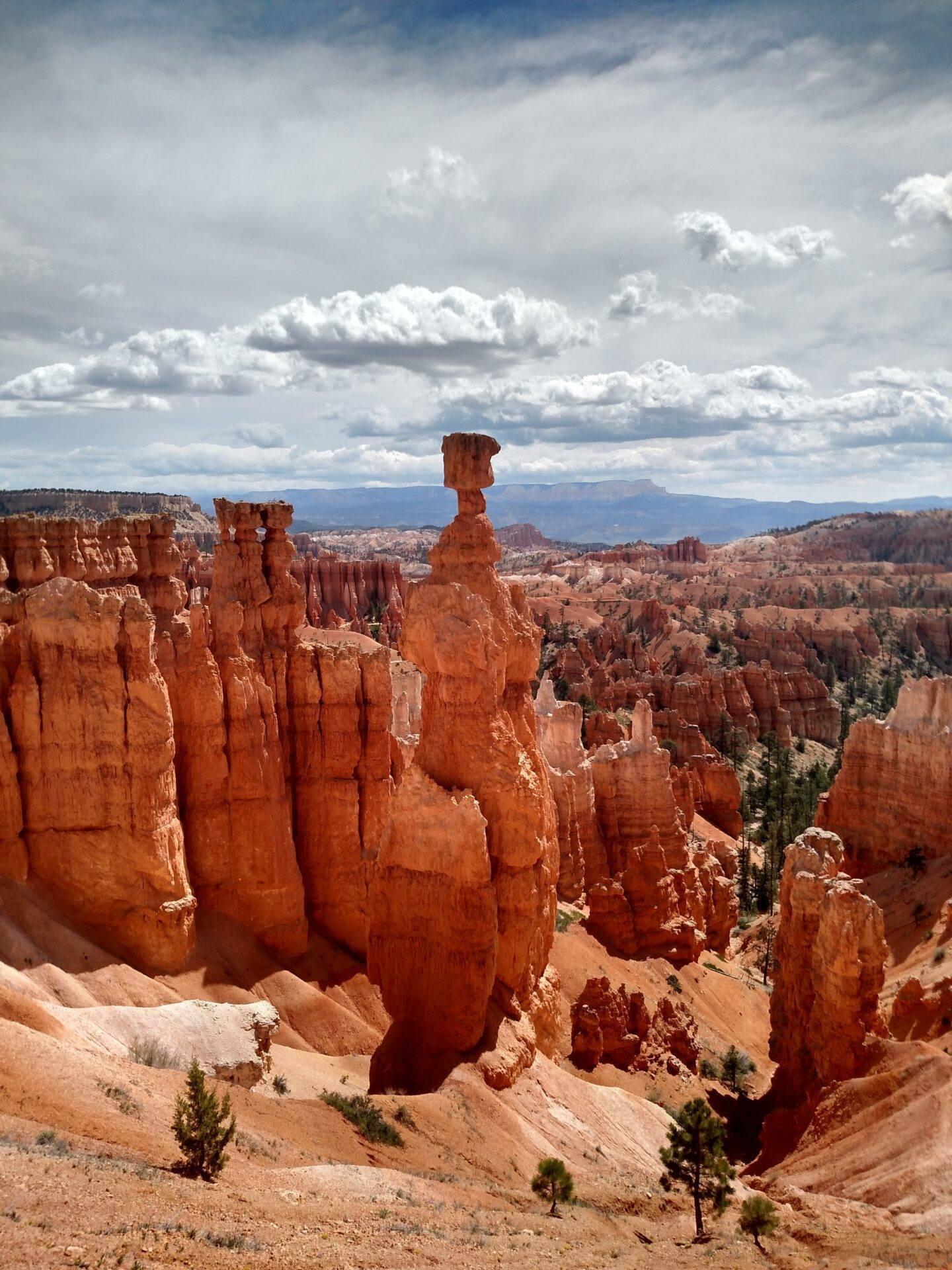
Yellowstone: geysers, hot springs and wildlife
One of the most iconic national parks in the United States, Yellowstone sits atop one of the largest active volcanic calderas on the planet. Old Faithful, its most famous geyser, erupts roughly every 90 minutes. The Grand Prismatic Spring, with its vivid turquoise and orange hues, is the largest hot spring in the United States. In the Lamar Valley, bison, wolves and bears can be spotted throughout the seasons.
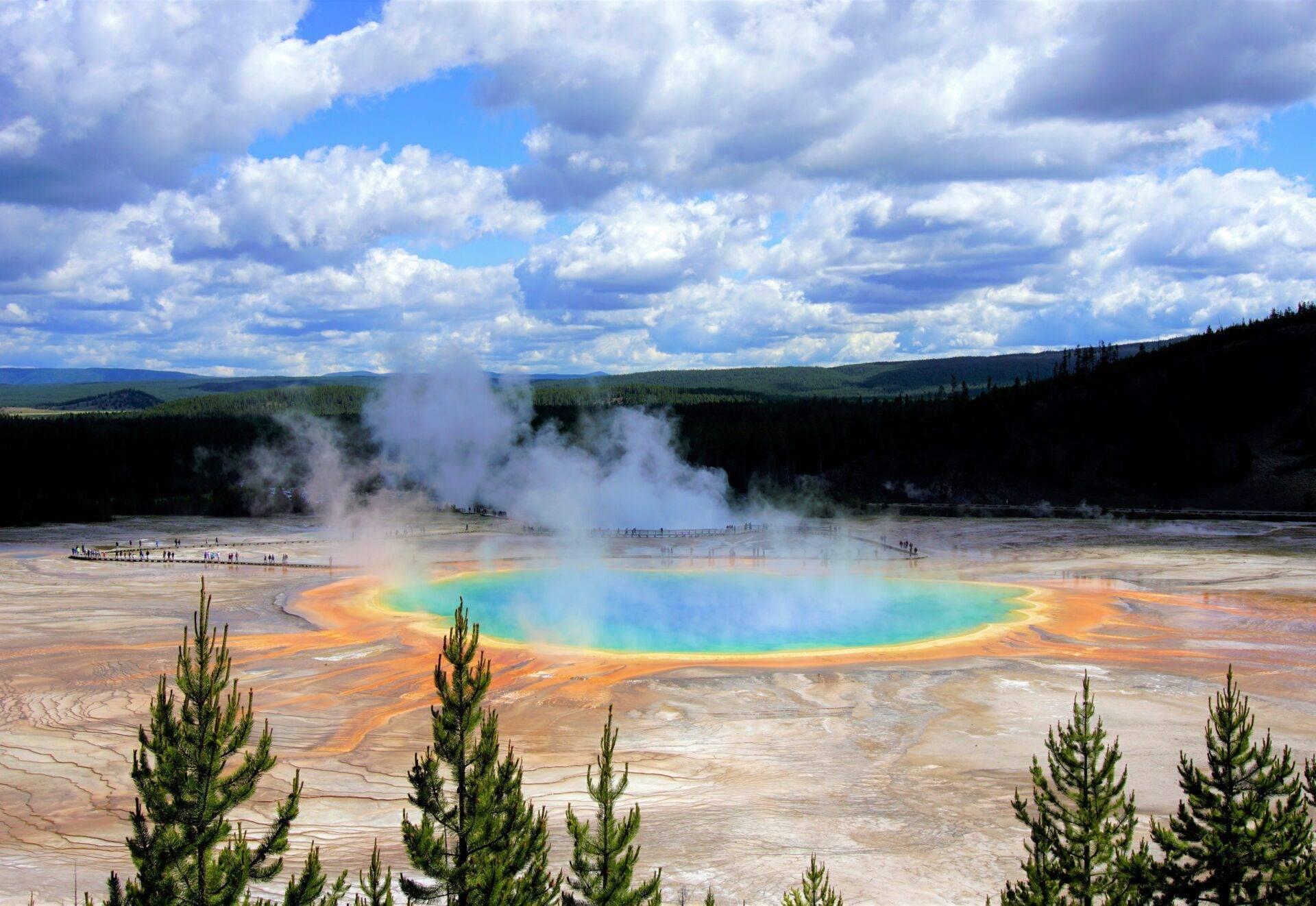
Yosemite: granite, sequoias and waterfalls in California
In the Sierra Nevada, Yosemite Valley brings together the granite formations of El Capitan and Half Dome, some of the continent’s highest waterfalls and Mariposa Grove, home to giant sequoias thousands of years old. The hike to the top of Half Dome, complete with cables for the final stretch, requires a permit that should be secured well in advance.
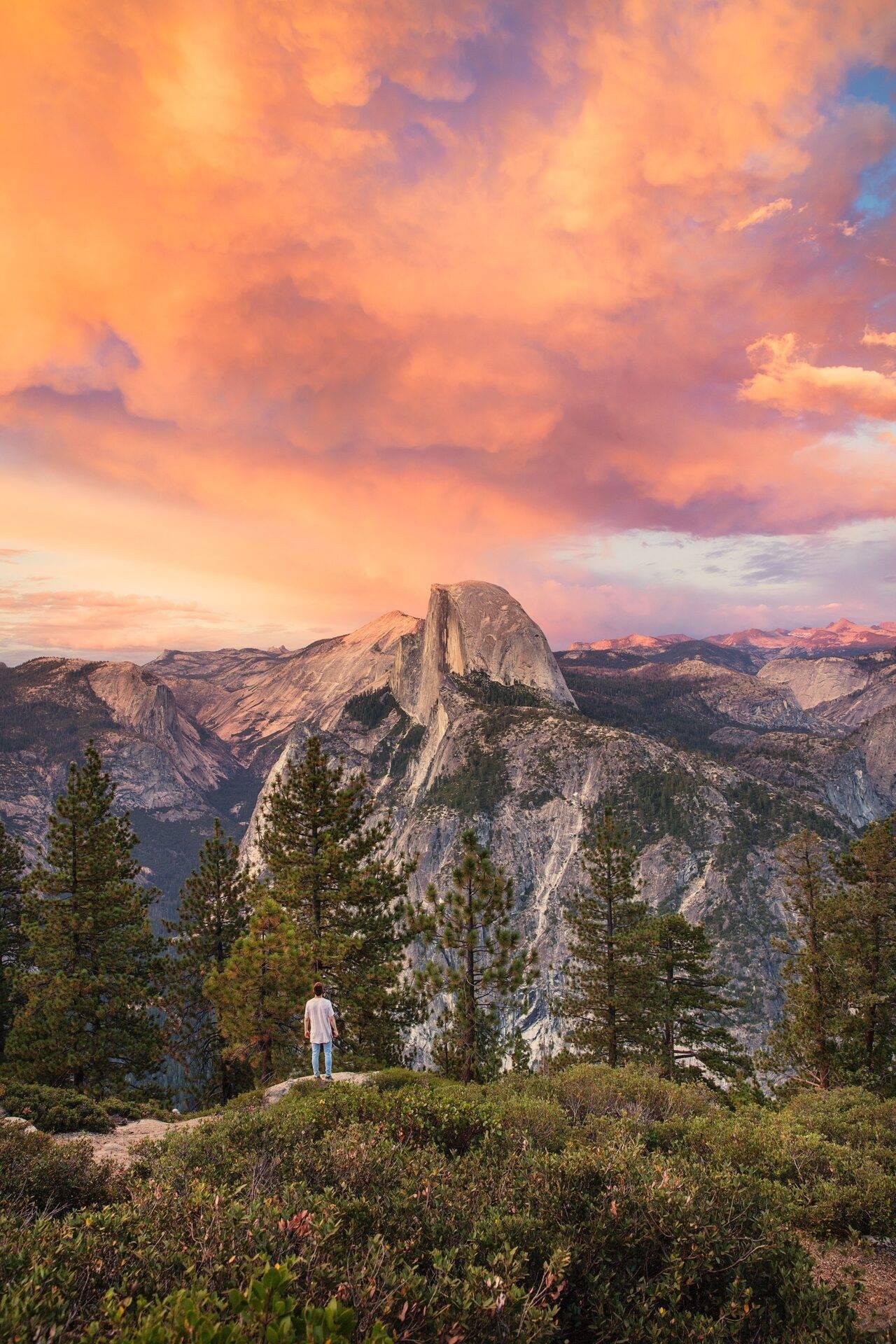
San Francisco and the Golden Gate Bridge
The Golden Gate Bridge spans 2,720 metres across the San Francisco strait. Its colour, known as International Orange, and its towering pylons make it one of the most photographed bridges in the world. The cable cars, Fisherman’s Wharf, Alcatraz Island and the views from the hills all make San Francisco a destination that deserves several days.
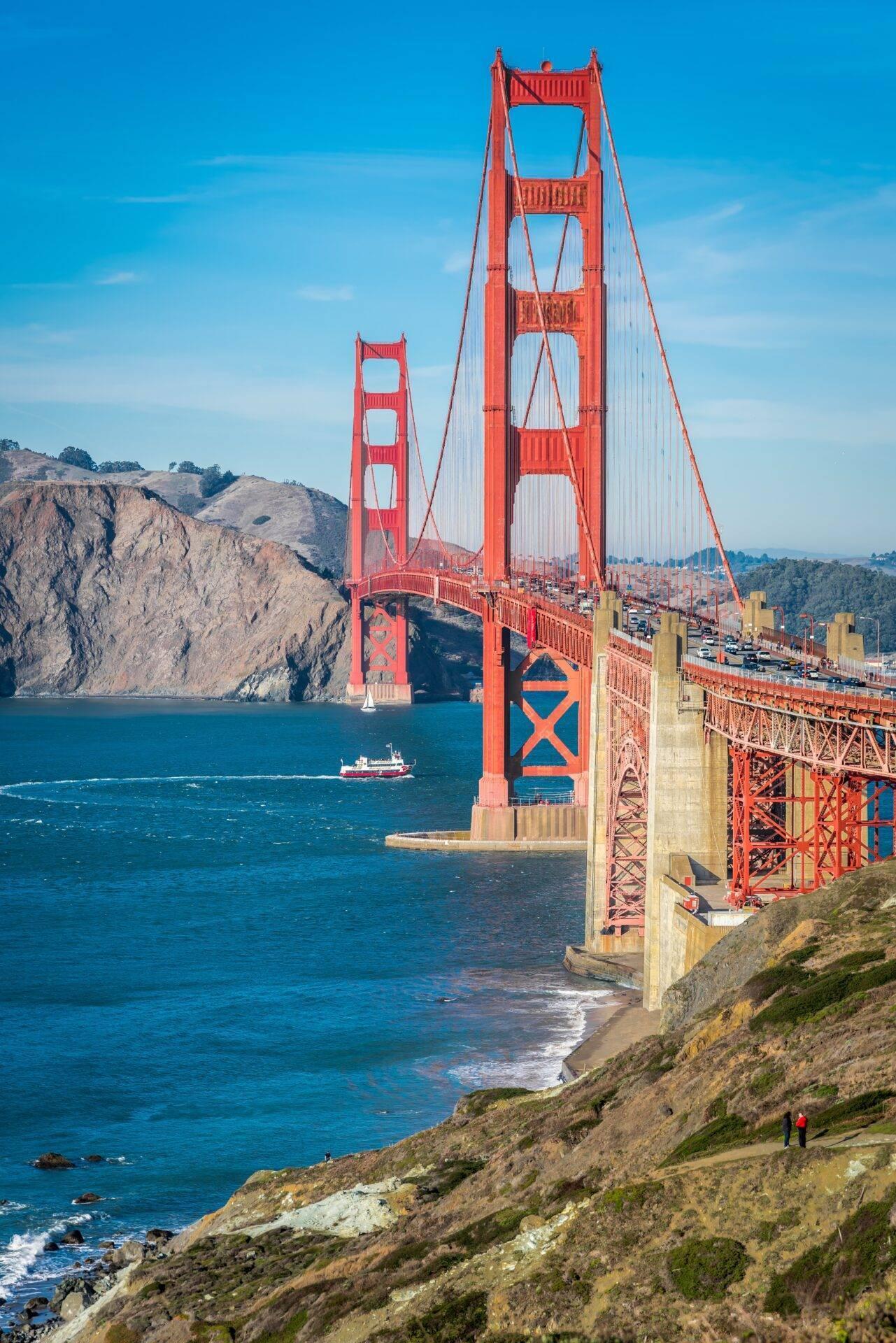
Mount Rushmore in the Black Hills
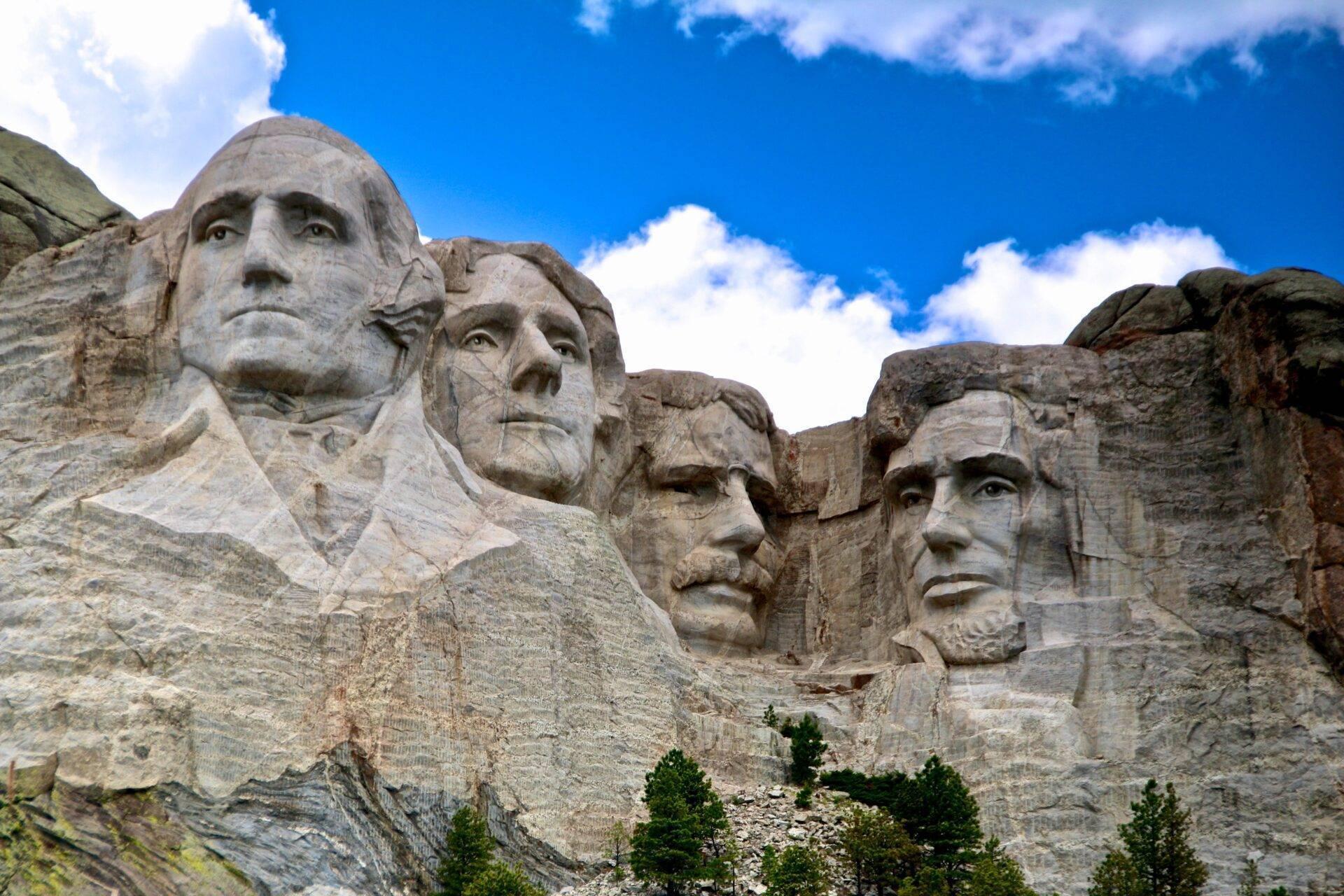
In the Black Hills of South Dakota, Mount Rushmore features the sculpted faces of George Washington, Thomas Jefferson, Theodore Roosevelt and Abraham Lincoln carved into a granite cliff. The site is illuminated after dark and takes on a very different atmosphere once the sun goes down.
For a broader look at destinations across the continent, see our guide to must-see places in North America.
Florida: theme parks, beaches and nature
Walt Disney World: Magic Kingdom and its themed lands
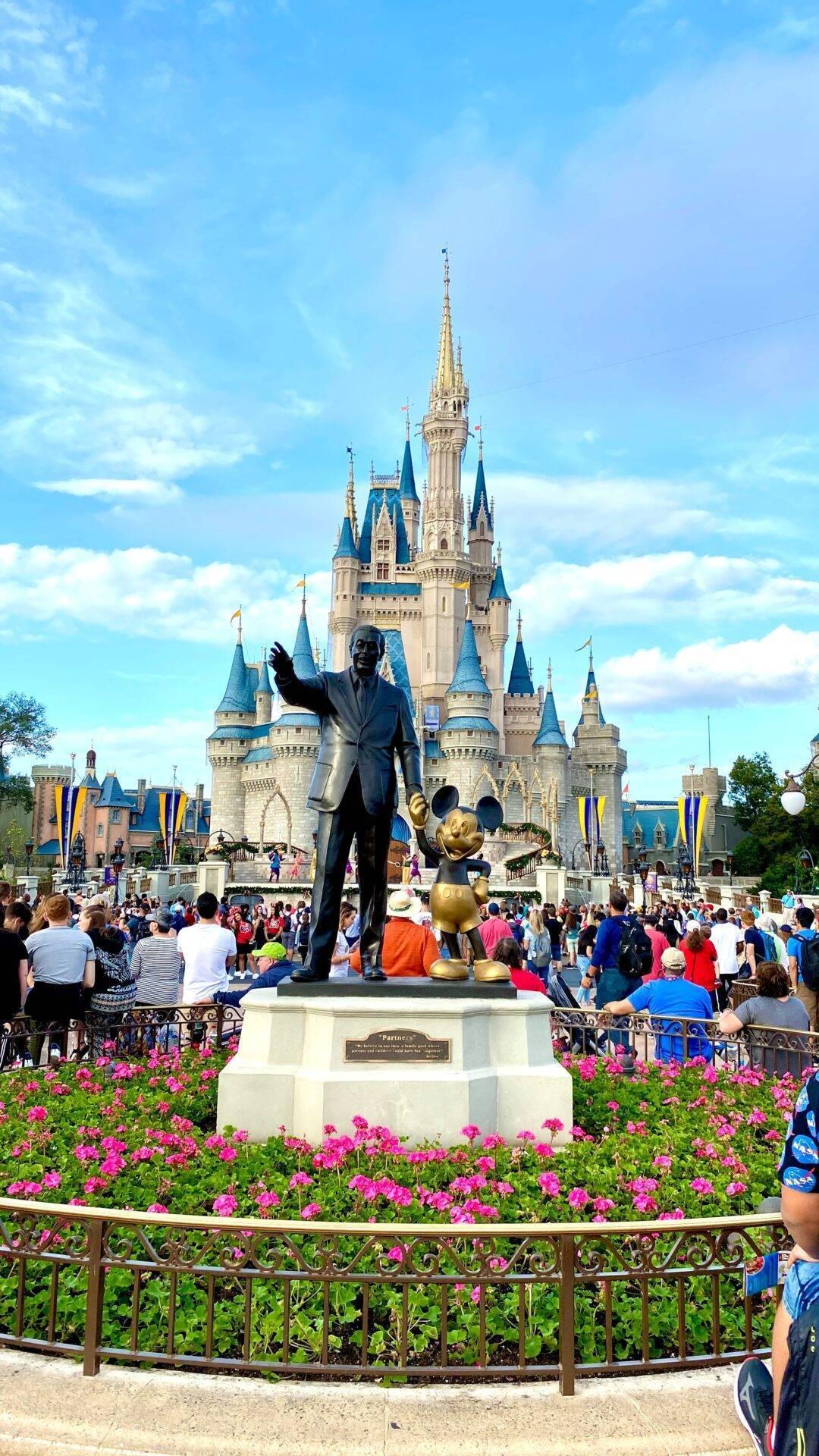
In Orlando, Walt Disney World brings together four distinct theme parks. Magic Kingdom is the historic heart of the resort, with Cinderella Castle, six themed lands and iconic attractions including Pirates of the Caribbean and Space Mountain. Evening fireworks projected onto the castle bring each day to a close.
Epcot: a world tour in an afternoon
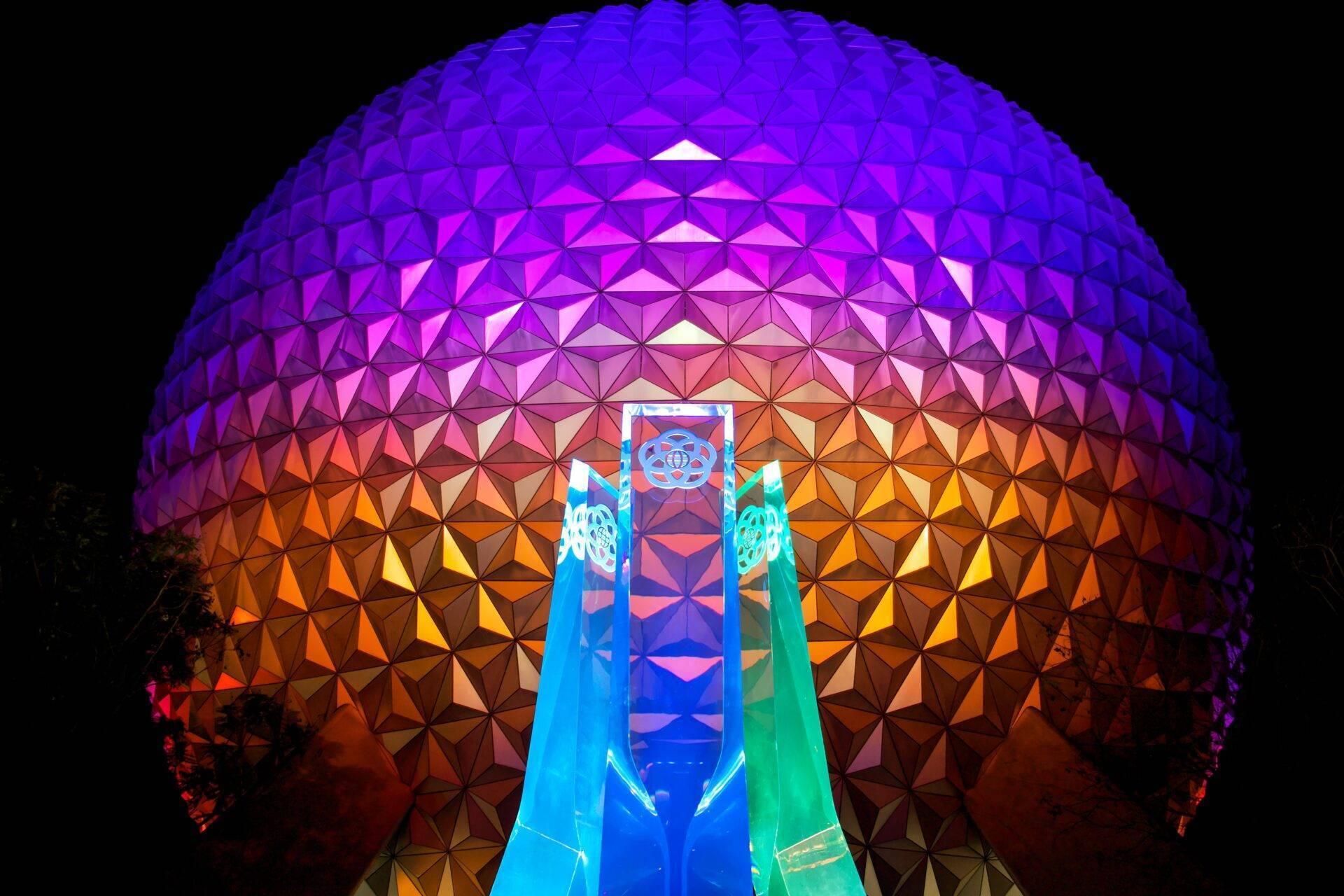
Epcot combines cultural exploration and scientific discovery. Its World Showcase pavilion groups eleven countries around a lagoon, including France, Japan, Italy and Morocco, each with its own restaurants and cultural shows. The Soarin’ and Test Track attractions draw visitors of all ages.
Disney’s Animal Kingdom: wildlife and adventure
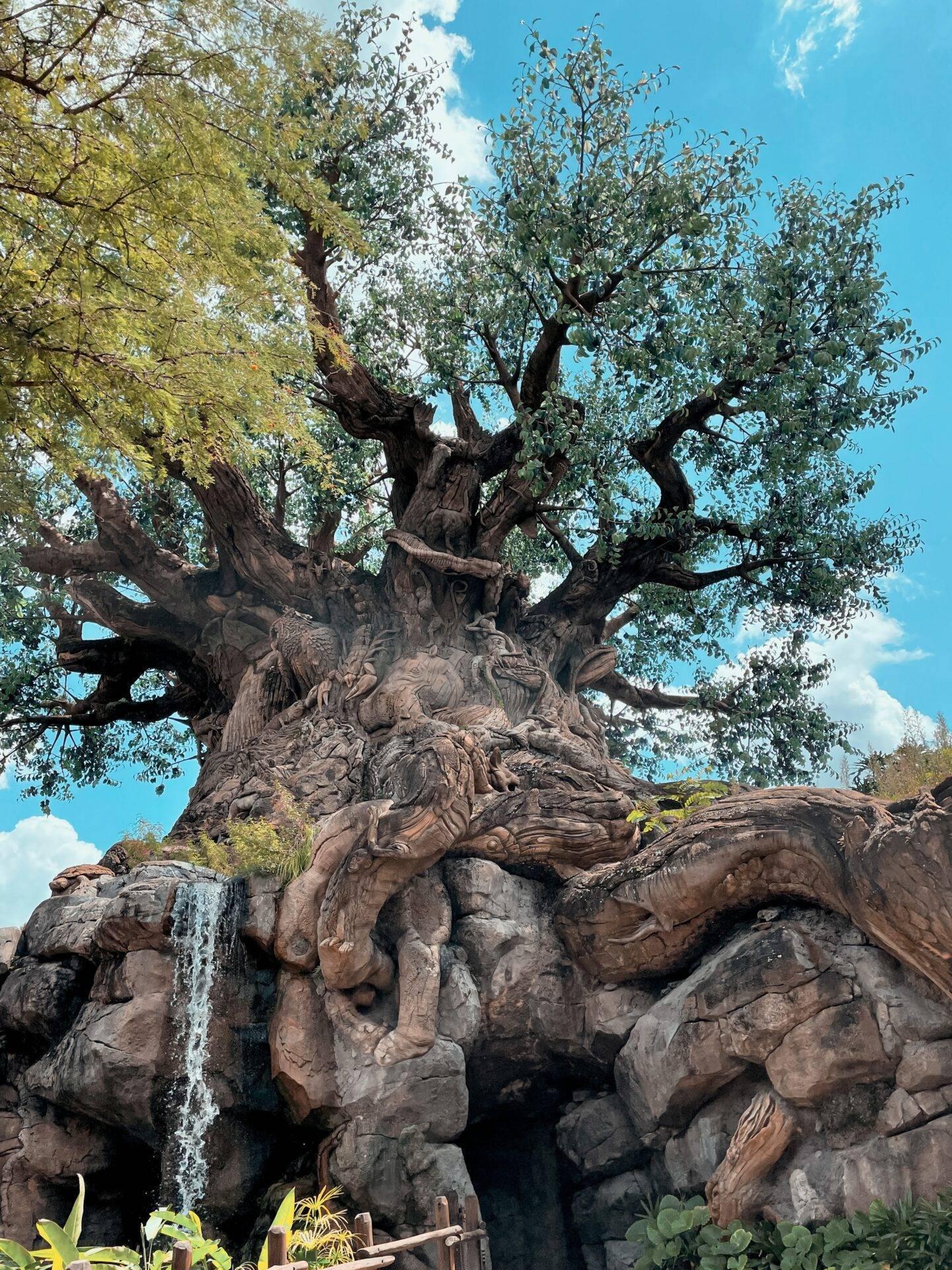
Animal Kingdom blends a zoo with immersive themed lands. The Africa and Asia sections let you see giraffes, elephants and tigers in carefully crafted settings. The Pandora (Avatar) land and Expedition Everest round out the visit for thrill-seekers.
Hollywood Studios: cinema and Star Wars
Hollywood Studios immerses visitors in the world of film. Star Wars: Galaxy’s Edge lets you pilot the Millennium Falcon on the planet Batuu. The Hollywood Tower Hotel, with its striking Art Deco architecture, houses one of the park’s most popular attractions.

Beaches and coastal resorts
Florida has countless beaches along both its Atlantic and Gulf coasts. Beyond the mainland, Hawaii offers a unique beach experience within the United States: beaches framed by lush mountains, active volcanoes to explore and a distinct Polynesian culture.

Los Angeles: film, culture and Universal Studios
Universal Studios Hollywood
Universal Studios Hollywood mixes high-speed rides with working film sets. The Wizarding World of Harry Potter, the Studio Tour that winds through real sets from productions currently in progress, and the Fast and Furious ride are the highlights of the day.

Hollywood Boulevard and the Walk of Fame
On Hollywood Boulevard, the Walk of Fame lines more than 2,700 stars honouring celebrities from film, television and music. Grauman’s Chinese Theatre, with its hand and footprints pressed into concrete by generations of stars, is right next door. The neighbourhood also offers studio tours and museums dedicated to the history of cinema.
Hiking and forests: the green, wooded East
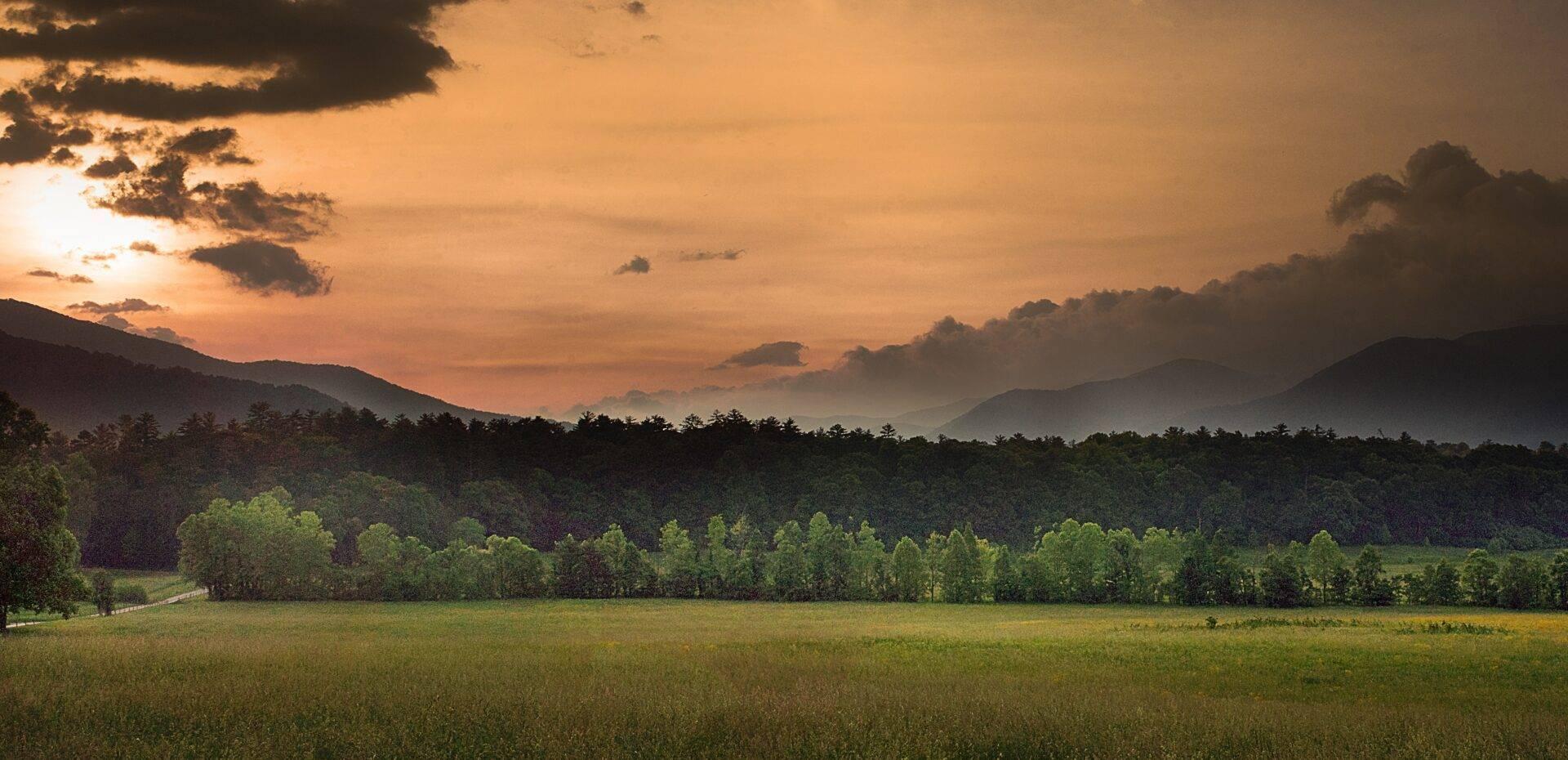
The eastern United States has its own landscapes, quite different from the arid canyons of the West. The Appalachians and their deciduous forests burst into spectacular colour in autumn, particularly in the Smoky Mountains region. The deep valleys, wooded ridges and clear rivers offer hiking trails far less crowded than their western counterparts.
If you are still weighing up whether to go this year, our article USA: is it still worth going in 2026? answers the most pressing practical questions.
FAQ
What is the best time of year to visit the USA?
It depends on your destination. The East Coast (New York, Washington D.C.) is at its best in spring (April to May) and autumn (September to October), well away from the July and August heat. The West and the Grand Canyon are ideally visited in spring or autumn to avoid extreme temperatures. Yellowstone is accessible from April to October. Florida is most popular in winter and spring, before the summer rains arrive.
How long should I set aside for a trip to the USA?
Two weeks allows you to cover one region well: the East Coast, Florida or the American West. To combine several major regions, allow at least three weeks. A road trip through the national parks of the West alone is worth ten to fifteen days.
Do I need travel insurance for the USA?
Medical costs in the United States are among the highest in the world. Even a short hospital stay can result in an enormous bill. Travel insurance covering medical expenses and repatriation is strongly recommended, regardless of how long you are staying.
What are the best things to do in the USA with children?
Florida’s theme parks (Walt Disney World, Universal Studios Orlando) are the most popular family destinations. National parks such as the Grand Canyon, Yellowstone and Yosemite offer a nature-based alternative suitable for all ages, with marked trails and ranger programmes for children. New York is also very family-friendly, with its many interactive museums.
Do I need a car to visit the USA?
A car is essential for exploring the national parks of the West and for any itinerary outside the major cities. In cities such as New York, Chicago and San Francisco, public transport is sufficient for most sightseeing. Car hire remains the most flexible way to move between national parks on a road trip.