
The Netherlands packs, into a relatively compact territory, UNESCO-listed historic canals, tulip fields, iconic windmills and some of Europe’s most visited museums. From the buzzing capital to car-free villages, here are twenty unmissable stops and experiences to build your itinerary around.
Amsterdam: canals, art and neighbourhood life
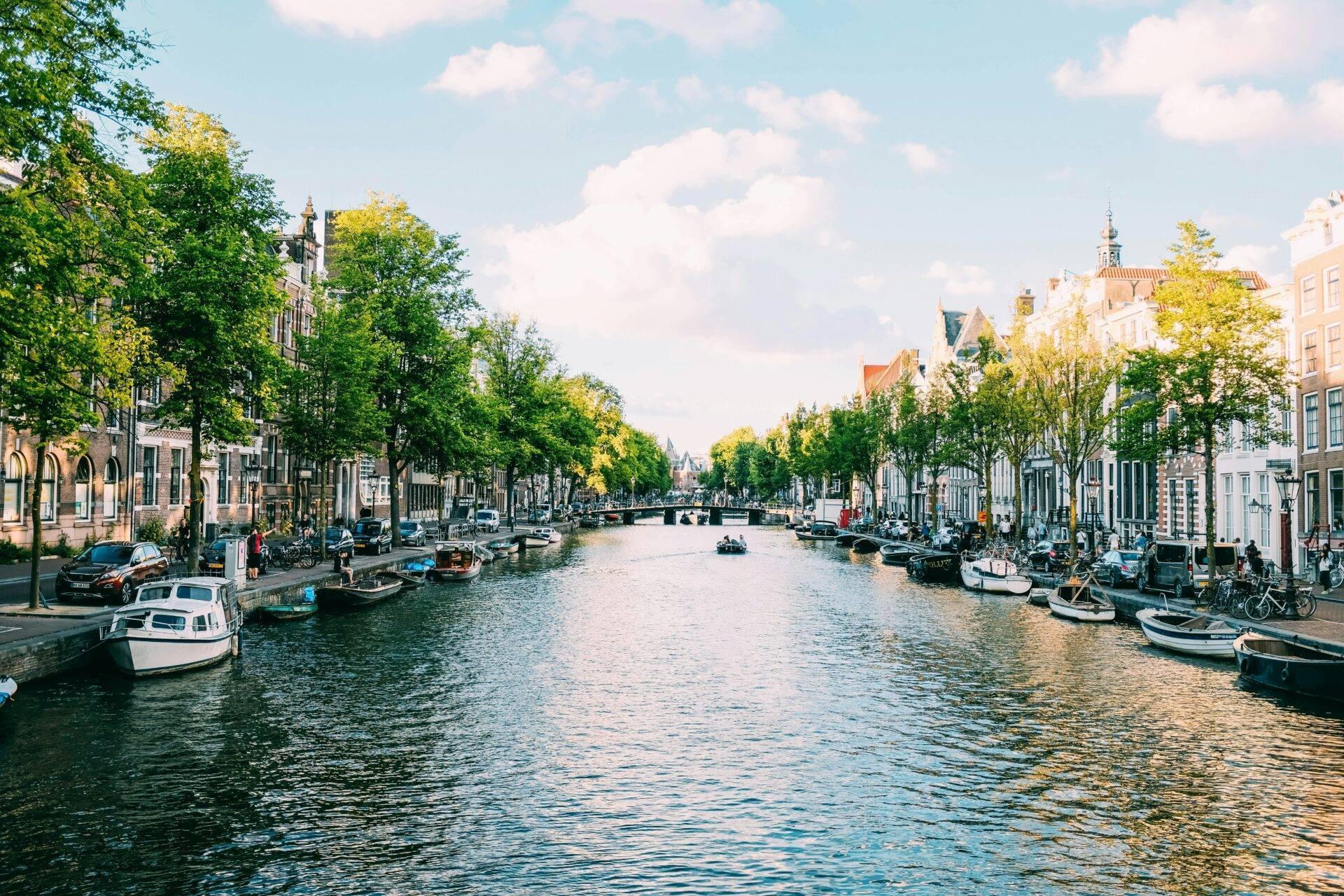
Amsterdam is best explored by bike or on foot along its 17th-century canal ring, inscribed on the UNESCO World Heritage List. The Jordaan, the Grachtengordel and Oud-West each have their own distinct character: independent art galleries, farmers’ markets and waterside terraces. The city reinvents itself from one neighbourhood to the next.
The Rijksmuseum and the Van Gogh Museum
Facing each other on the Museumplein are two of the country’s most important museums. The Rijksmuseum holds more than 8,000 works across 80 galleries: the Gallery of Honour displays Rembrandt’s Night Watch alongside four Vermeer masterpieces. A short walk away, the Van Gogh Museum houses around 200 of the artist’s paintings, together with his letters and sketchbooks. Booking online ahead of your visit is strongly advised, particularly in April and during the summer months.
Get my travel insurance quoteKeukenhof: a sea of tulips
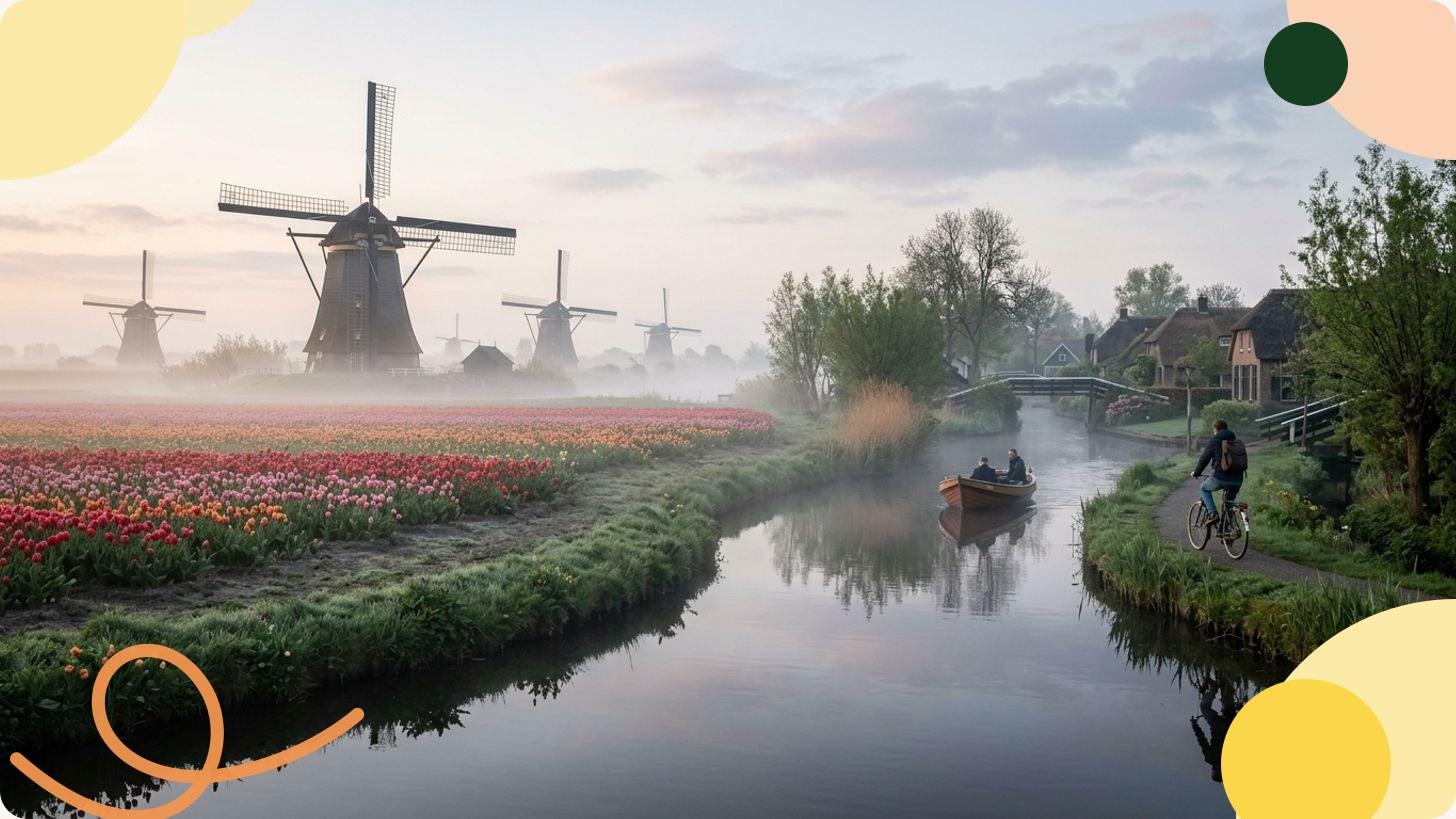
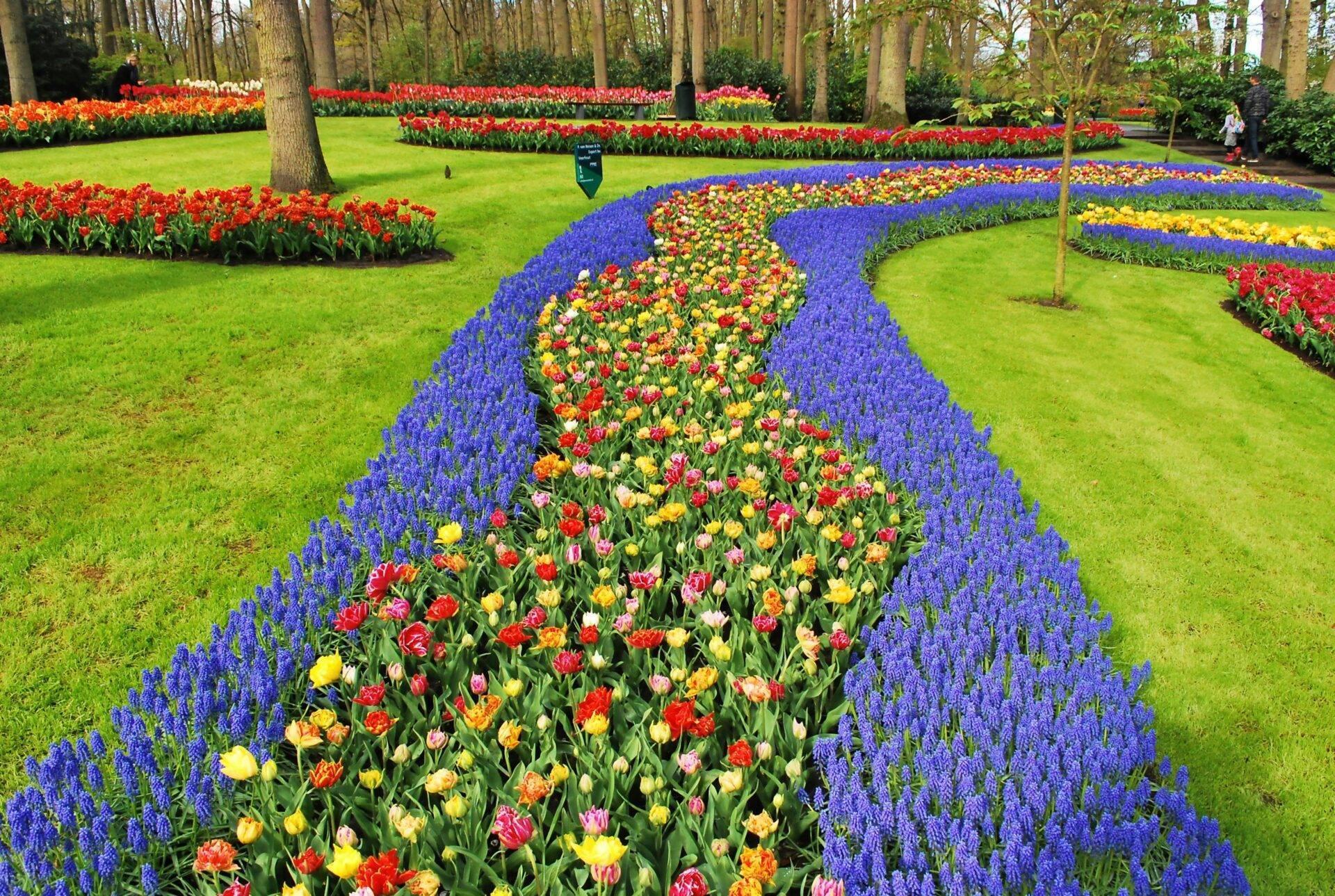
In Lisse, 30 kilometres south-west of Amsterdam, Keukenhof opens each year from mid-March to mid-May across 32 hectares. Seven million bulbs are planted there every autumn by 40 gardeners, thanks to donations from more than 100 Dutch growers. The park welcomes over a million visitors during its eight weeks of annual opening. The peak period falls in April, when tulips, hyacinths and daffodils all bloom at once.
The 19 windmills at Kinderdijk
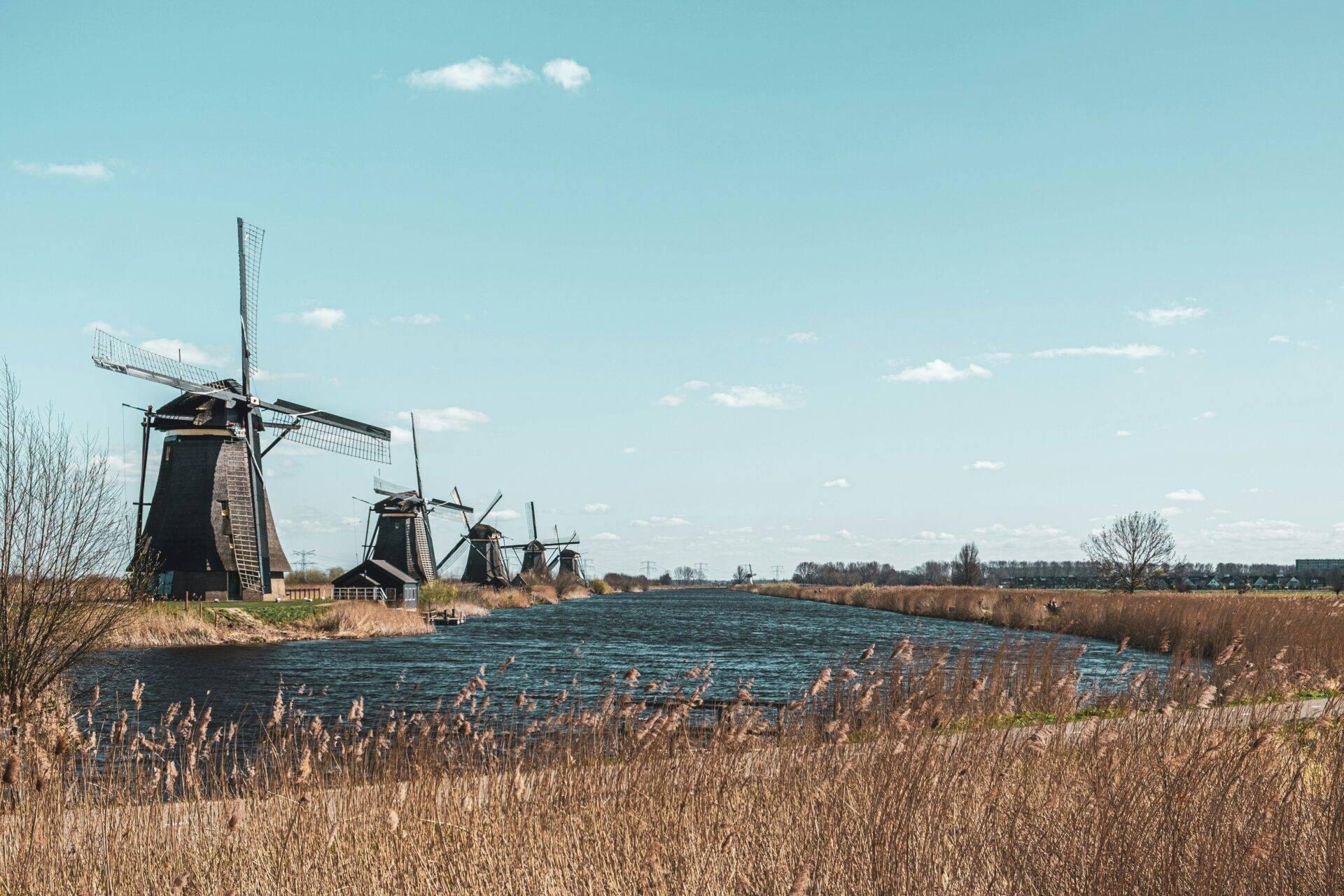
A UNESCO World Heritage Site since 1997, Kinderdijk brings together 19 windmills built in the 18th century to drain the polders into the surrounding rivers. Located half an hour east of Rotterdam, the site can be explored on foot, by bike or by shuttle boat. Several mills are open inside, revealing how millers lived and how the hydraulic system that reclaimed this land from the sea actually worked.
Zaanse Schans: the 18th century brought to life
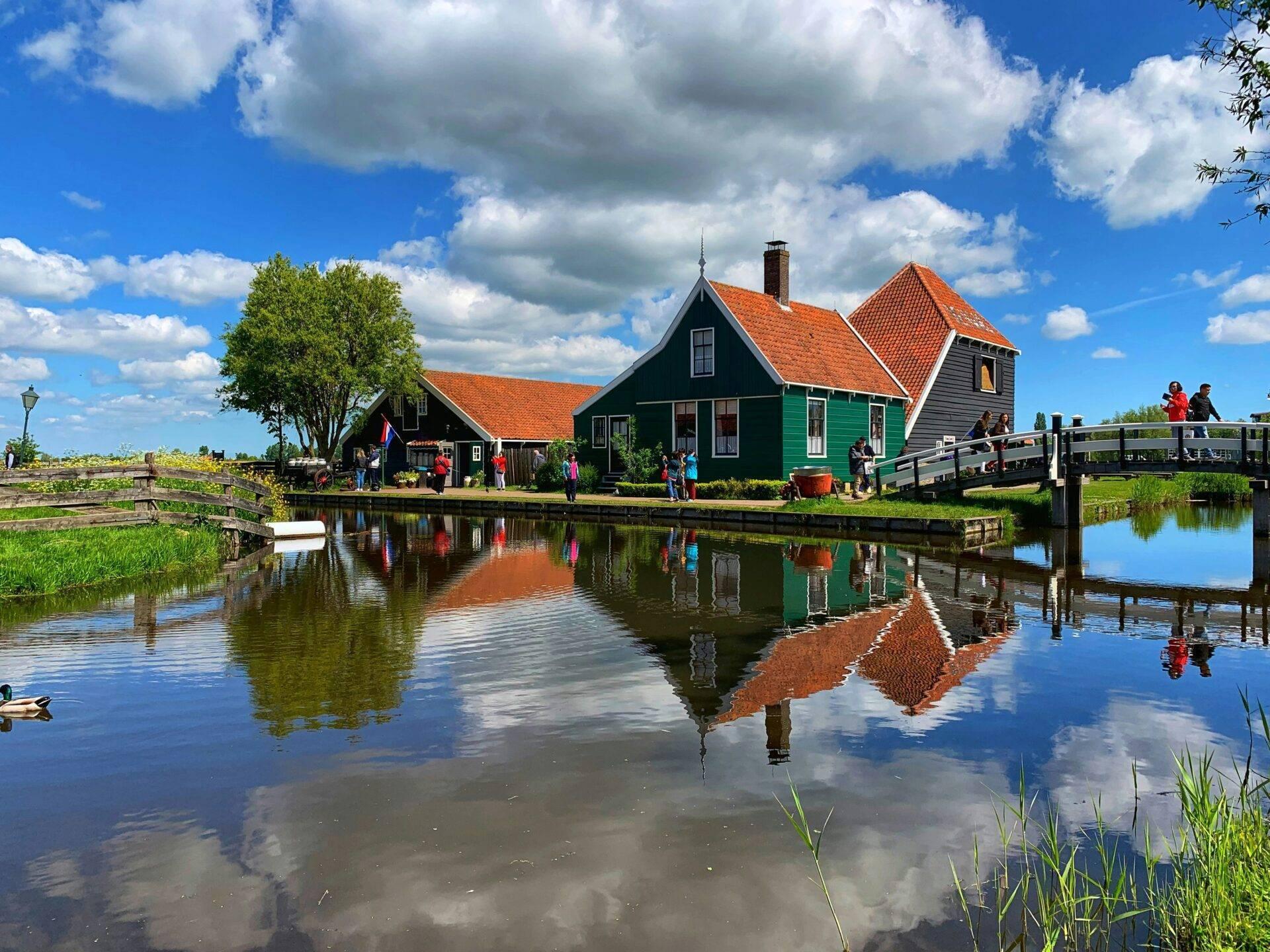
Twenty kilometres north-west of Amsterdam, Zaanse Schans gathers green wooden houses, working windmills, artisan cheese dairies and clog-making workshops into an open-air village museum with free entry. The workshops and mill interiors are ticketed, but strolling along the banks of the Zaan costs nothing. On weekdays and in the morning, the atmosphere is far more pleasant than at weekends.
Rotterdam: architecture as a statement
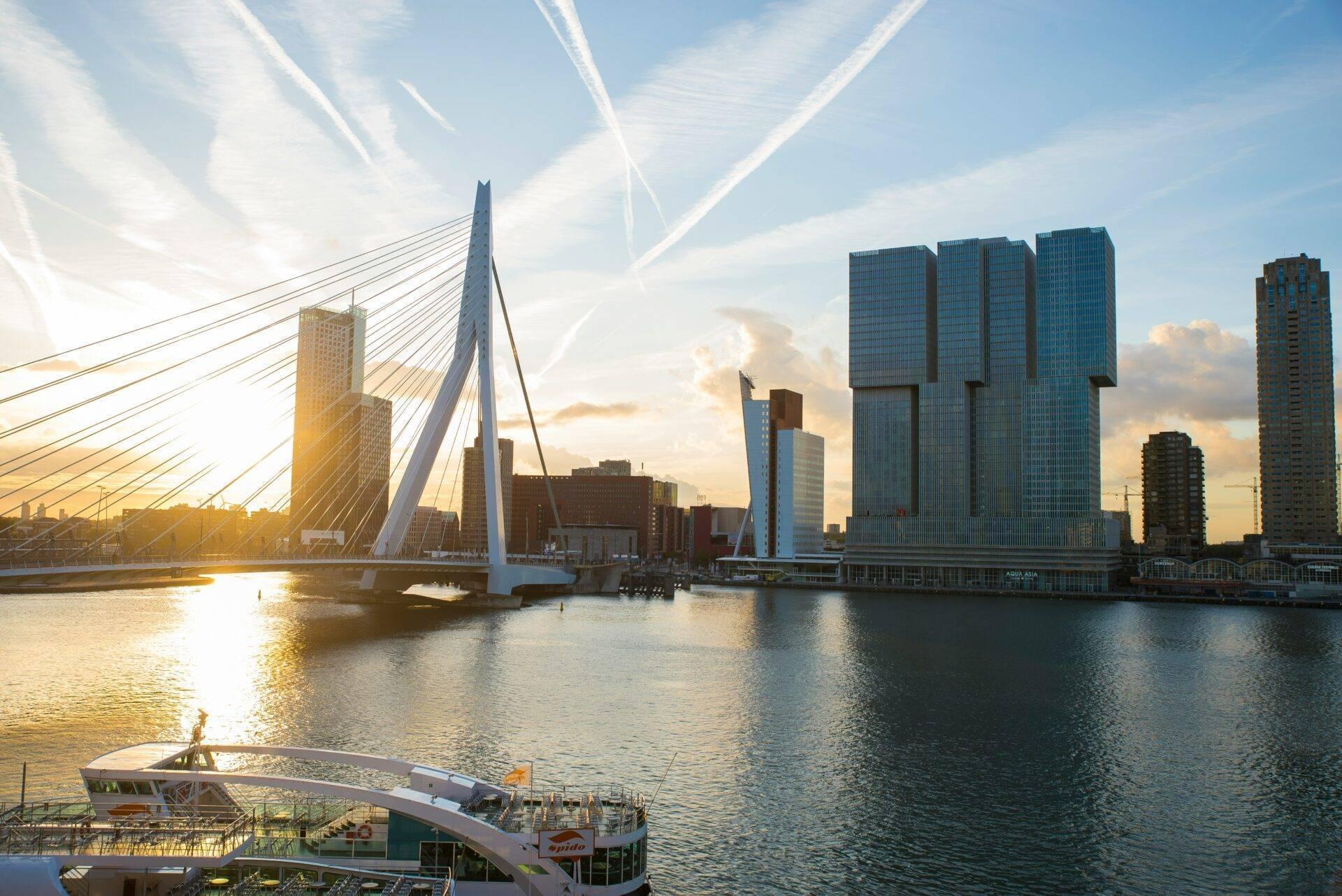
Flattened during the Second World War, Rotterdam rebuilt itself as a showcase for contemporary architecture. Piet Blom’s Cube Houses, the Erasmus Bridge, the Markthal covered market and the Depot Boijmans Van Beuningen form a striking waterfront architectural trail. Rotterdam is also home to Europe’s largest port, best appreciated from the quayside or on a river cruise.
The Hague: art, diplomacy and the North Sea
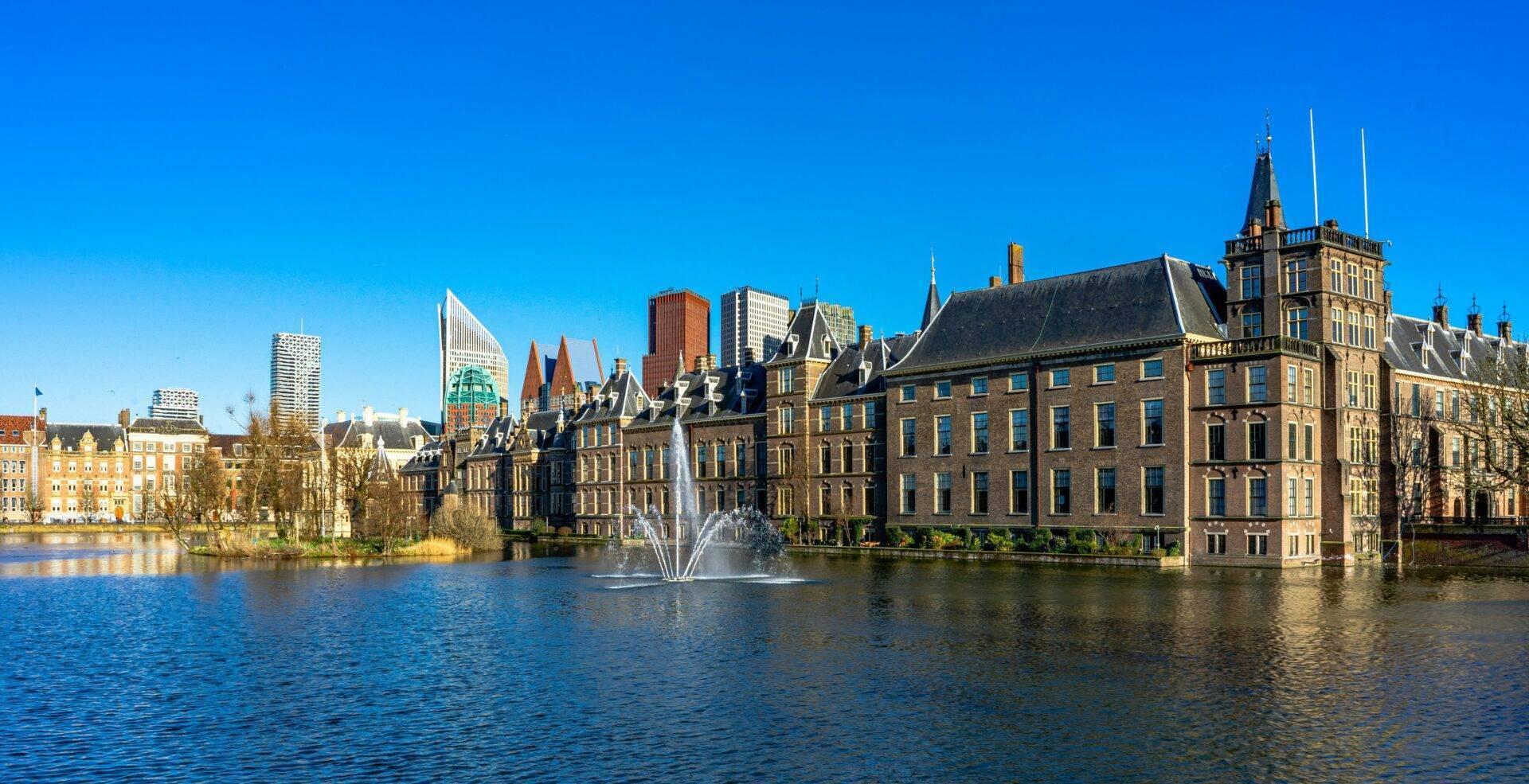
The political capital of the Netherlands, The Hague is home to the Mauritshuis, a palace built in 1644 that holds Vermeer’s Girl with a Pearl Earring, Rembrandt’s The Anatomy Lesson of Dr Nicolaes Tulp and Fabritius’s The Goldfinch. The city blends elegant residential neighbourhoods, embassies and world-class museums. Ten minutes away by tram, the seaside resort of Scheveningen rounds off a visit perfectly.
Hoge Veluwe National Park
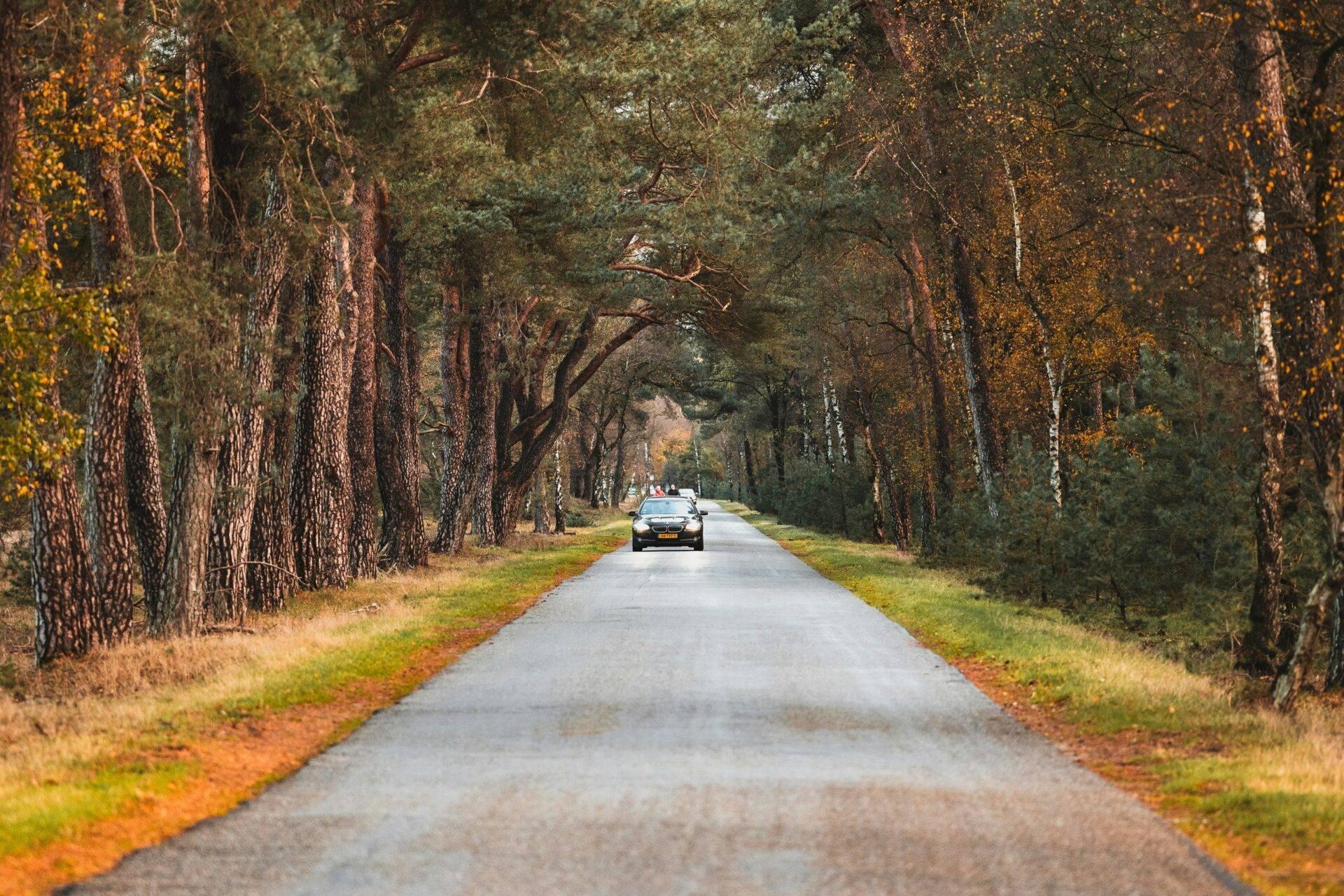
Set in the province of Gelderland, the Hoge Veluwe is one of the Netherlands’ largest privately owned nature reserves: thousands of hectares of forest, heathland and sand dunes, all explored on white bicycles provided free of charge at each entrance. At the heart of the park, the Kröller-Müller Museum holds the world’s second-largest Van Gogh collection alongside an open-air sculpture garden.
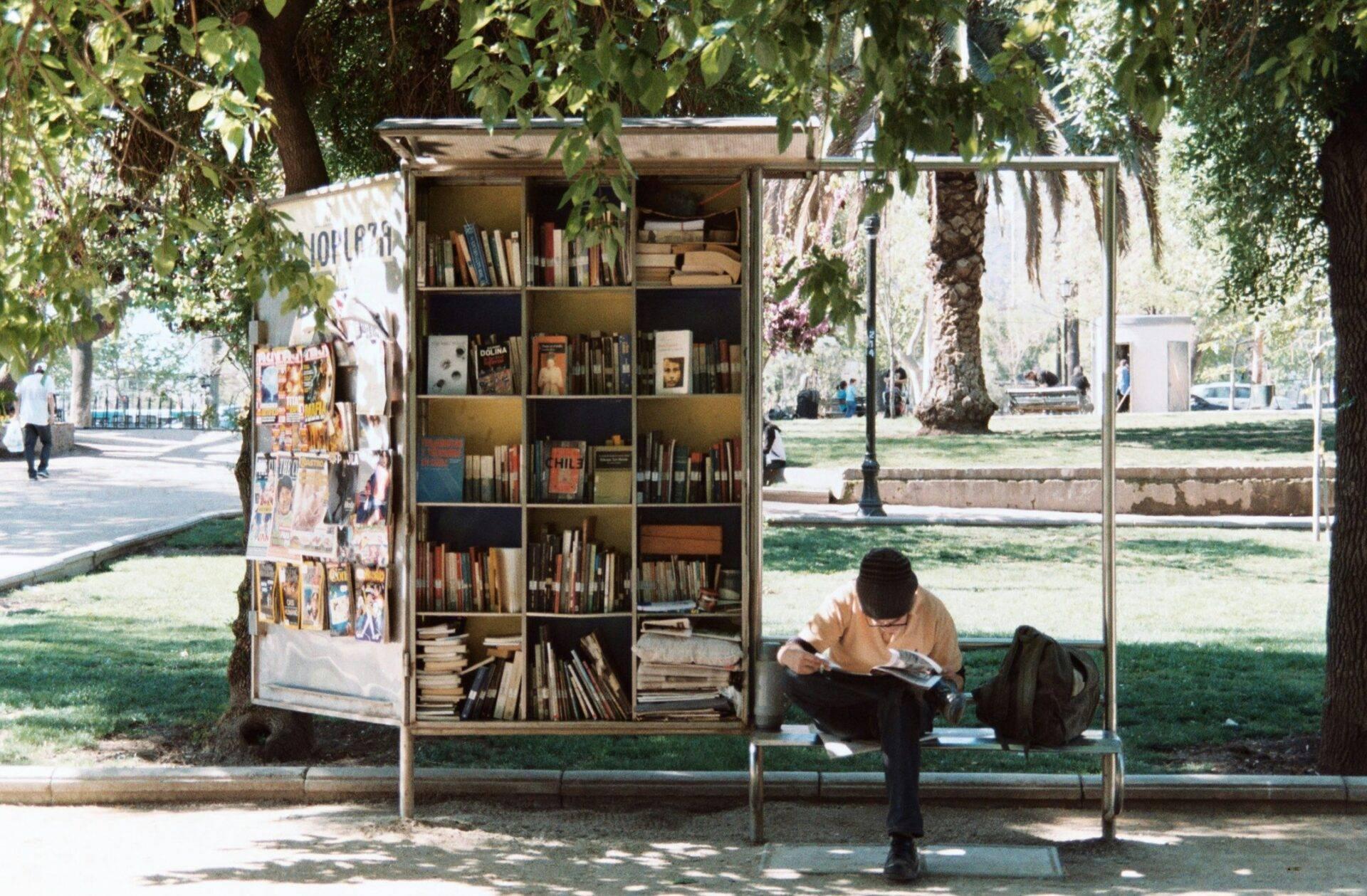
The small wooden book exchanges found in Dutch parks and public spaces capture something essential about local life: sitting down, reading and enjoying the outdoors are simply part of the daily rhythm.
Utrecht and the Dom Tower
The country’s fourth-largest city, Utrecht has an intact medieval centre crossed by split-level canals, a feature unique to the Netherlands. The Dom Tower, whose construction dates back to the 14th century, rewards the climb of 465 steps with sweeping views over the polders. Down below, the medieval vaulted cellars along the old wharves now house cafés and restaurants.
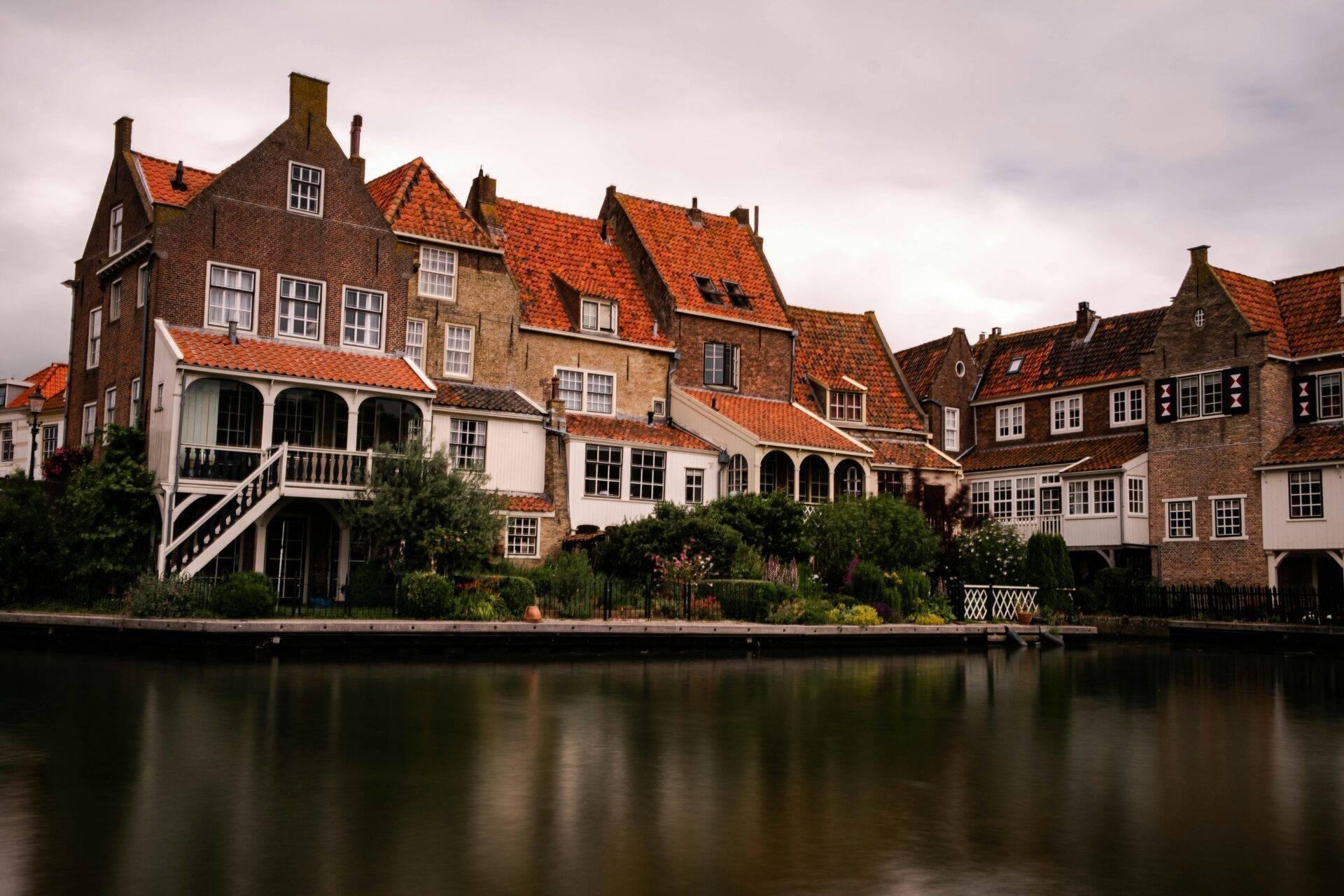
Delft: blue pottery and Vermeer’s city
Delft owes its worldwide fame to the blue-and-white earthenware produced here since the 17th century, and to Vermeer, whose paintings immortalise its streets and canals. The De Porceleyne Fles factory, still in production today, welcomes visitors and demonstrates ceramic painting techniques. The old town is compact enough to cover entirely on foot in a single day.
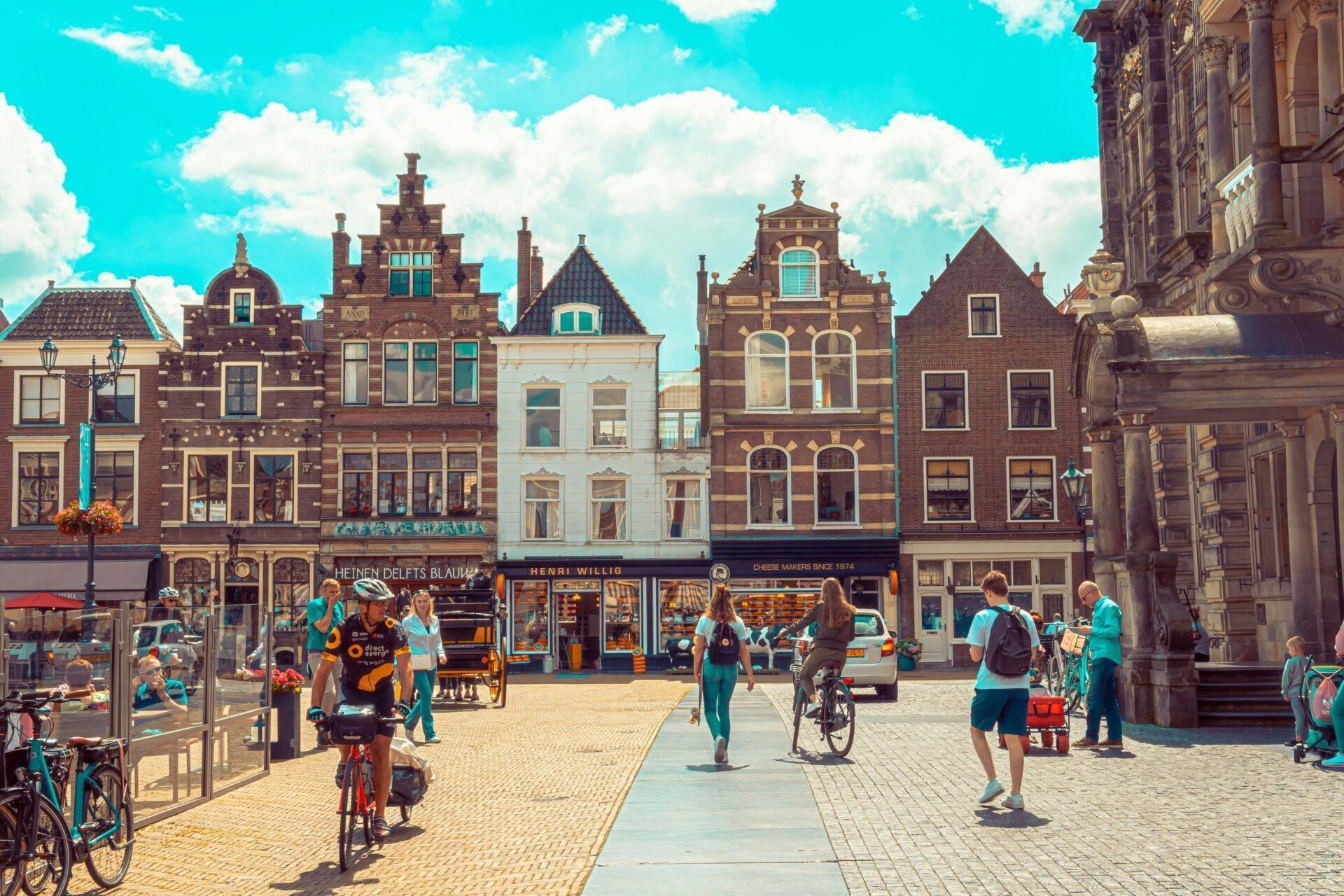
Giethoorn: exploring without cars
Known as the “Venice of the North”, Giethoorn in the province of Overijssel has no roads or cars in its historic village. Its roughly 180 wooden bridges span tranquil canals explored by flat-bottomed boat, kayak or on foot. The late-afternoon light falling on the thatched rooftops and their reflections in the water makes the journey worthwhile on its own.
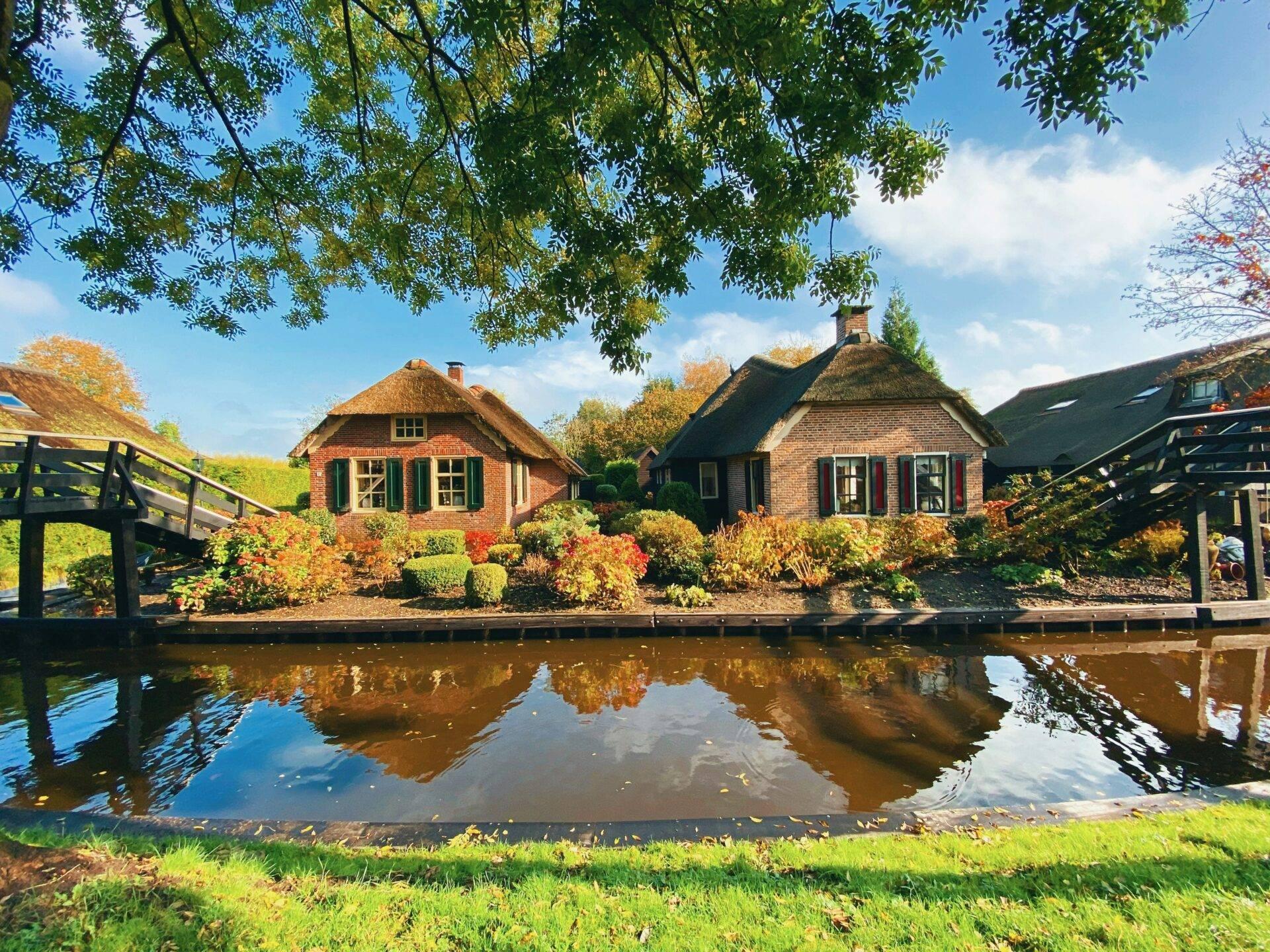
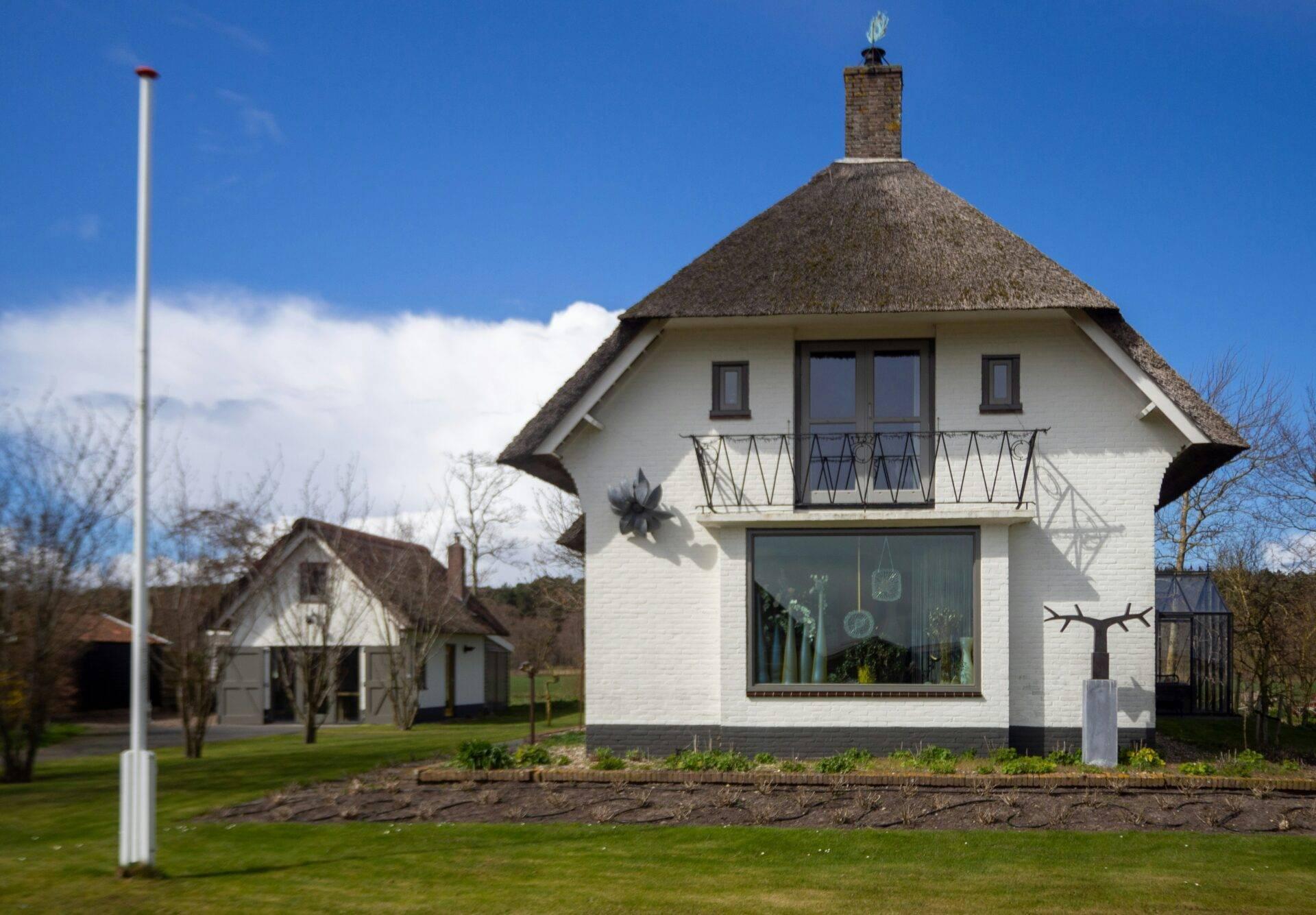
Leiden: the medieval university city
Leiden is home to one of northern Europe’s oldest universities, founded in 1575. Its many museums make it one of the richest cities in the country in terms of collections per capita. The National Museum of Antiquities holds Egyptian artefacts brought back during Dutch expeditions, while De Valk windmill offers an unusual vantage point over the centre from its gallery walkways.
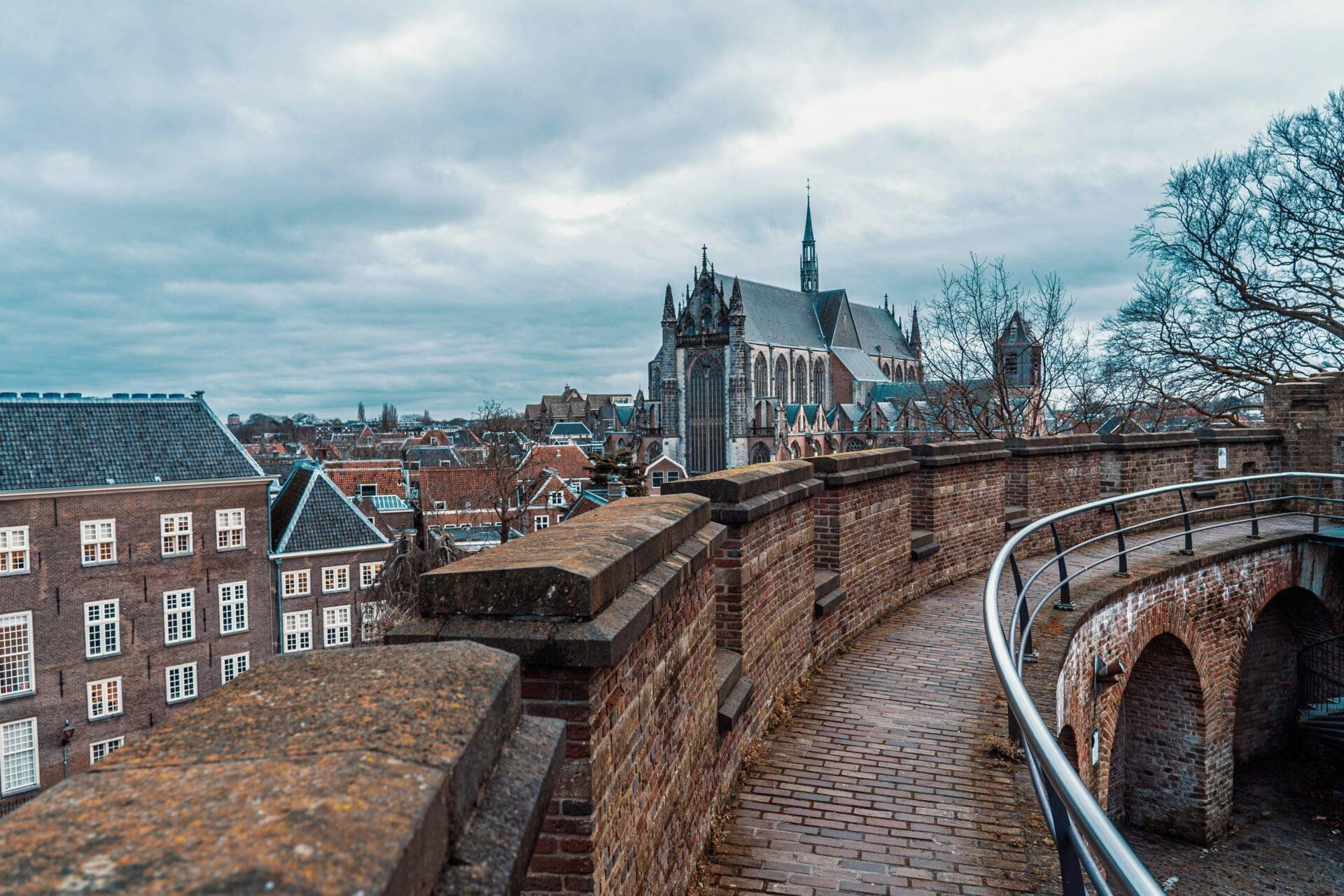
Maastricht: at the crossroads of Europe
The southernmost of the Netherlands’ major cities bears the imprint of Flanders, France and Germany in its Romanesque and Baroque architecture. The Basilica of Saint Servatius, whose origins date to the 11th century, is one of the oldest churches in the country. The city is also celebrated for its food scene and artisan chocolatiers, right on the Belgian border.
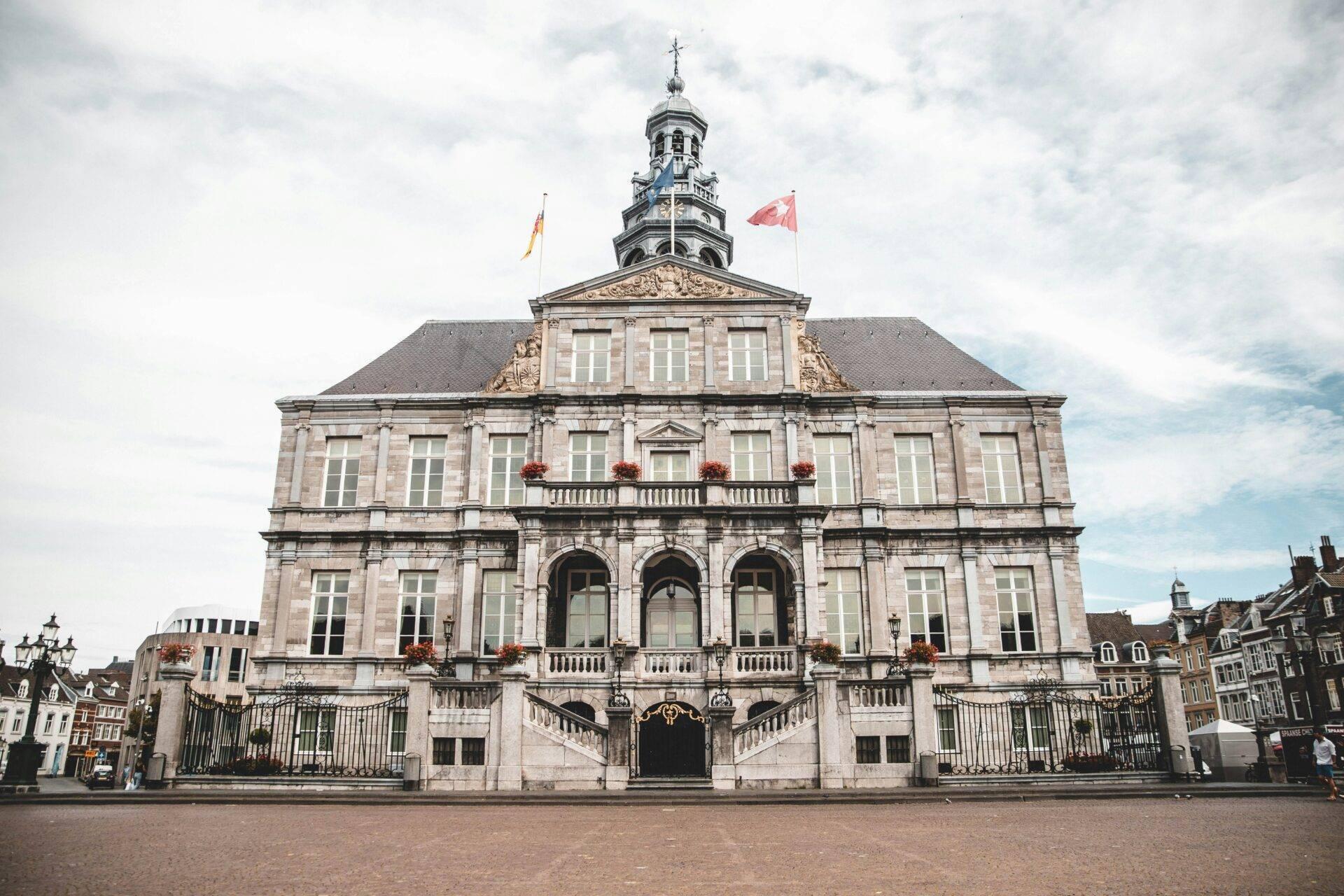
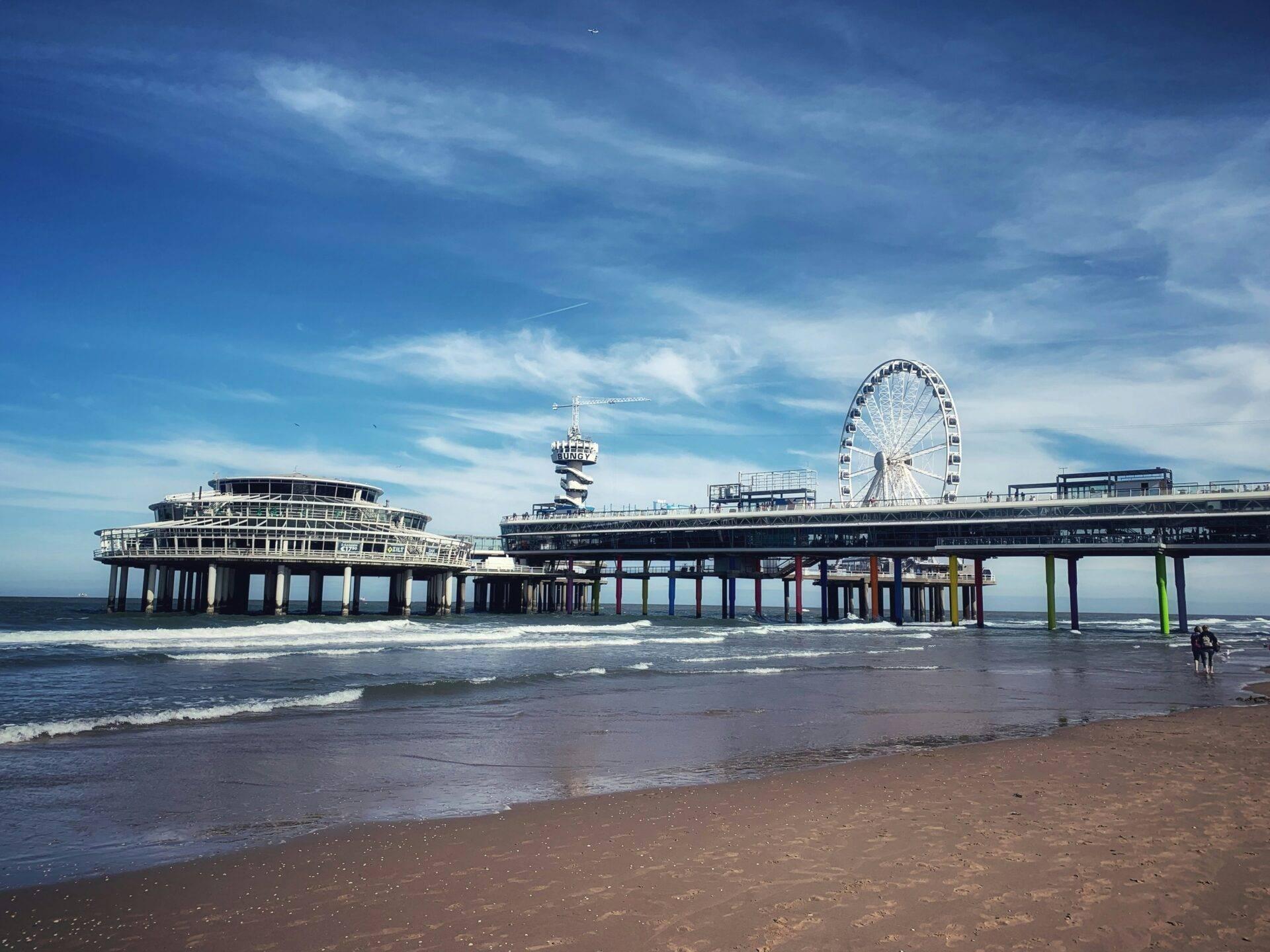
Scheveningen Beach
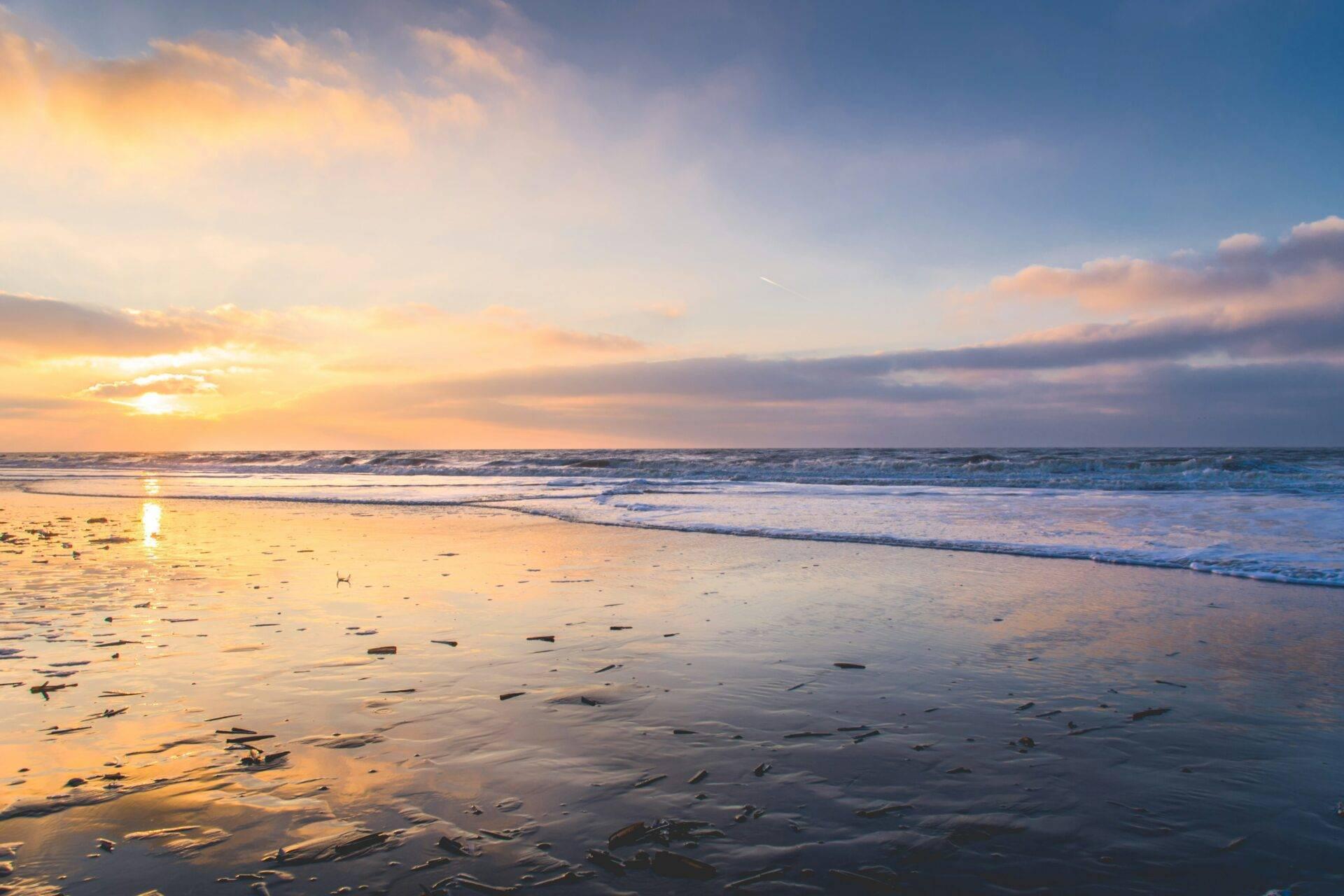
Directly accessible by tram from The Hague, Scheveningen is one of the country’s most popular stretches of sand. Its pier, kibbeling (battered fried fish) stalls and kitesurfing spots make it a well-rounded seaside destination. Sunsets over the North Sea here rank among the most vivid on the Dutch coastline.
Volendam: picture-postcard lakeside charm
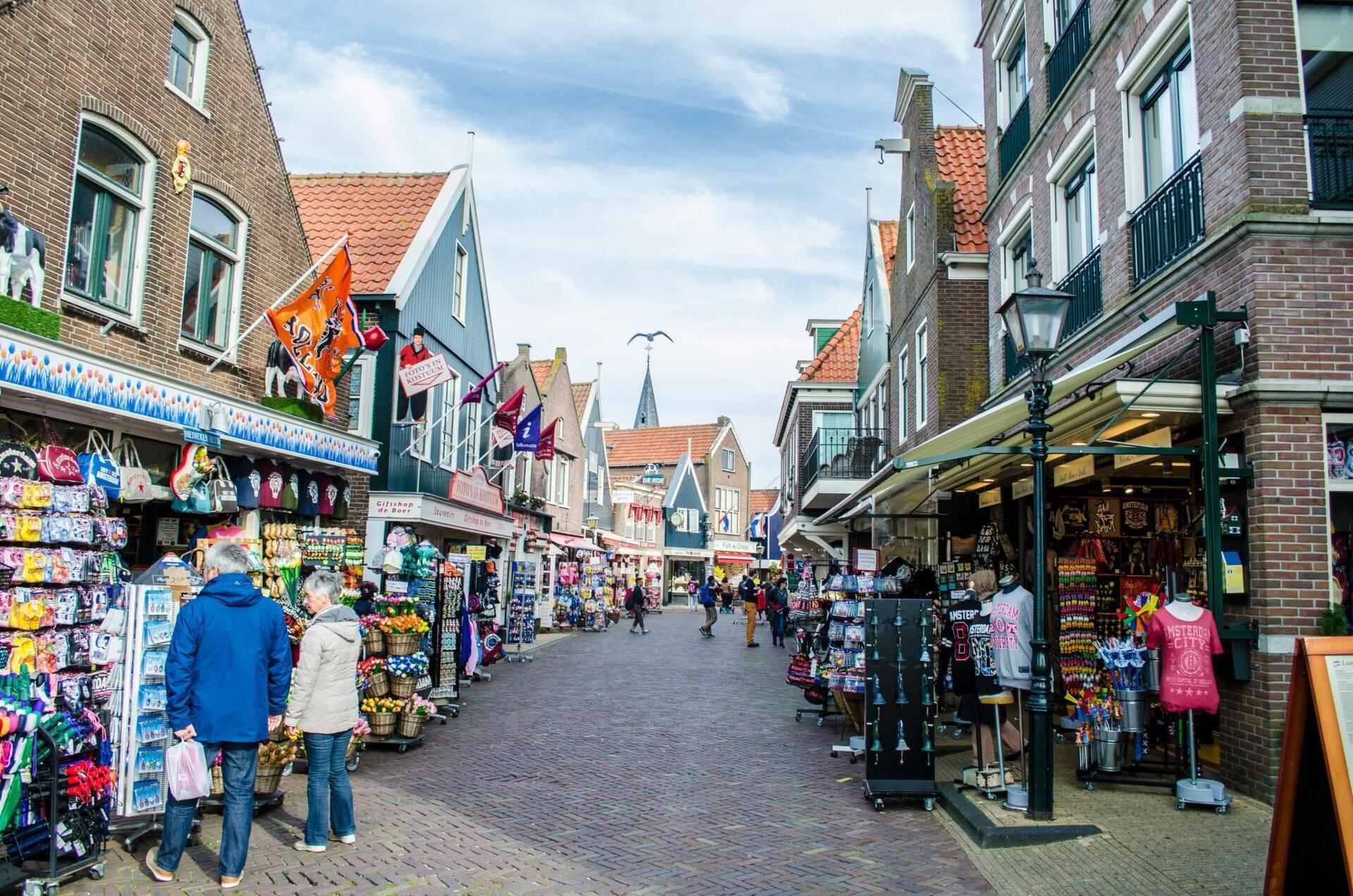
Twenty kilometres north of Amsterdam, Volendam is a former fishing village on the shores of Lake Markermeer, known for its colourful houses and local craft shops. Smoked fish sold along the quay and the orange-roofed shopping lanes make it a popular stop on any circuit around the capital.
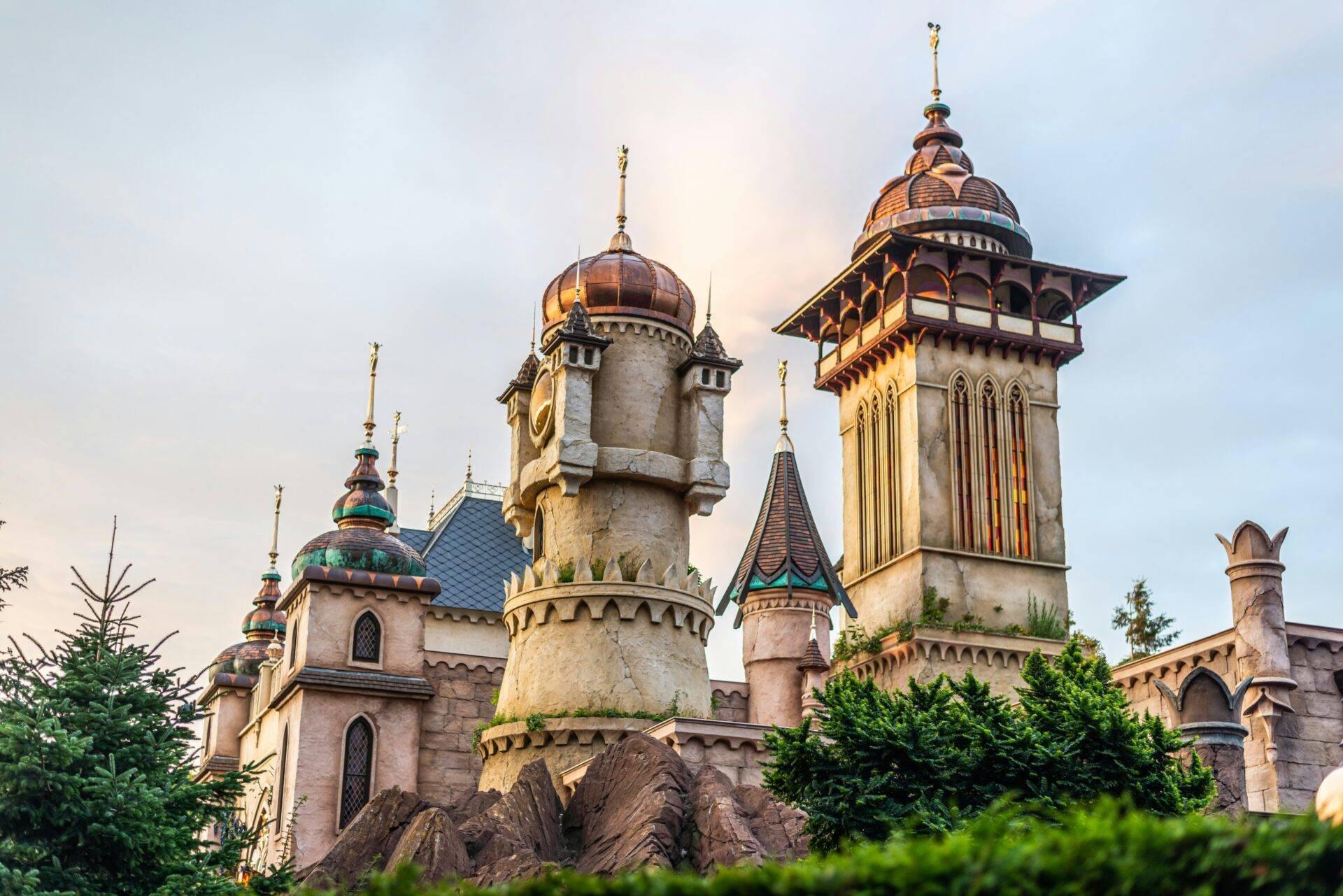
Efteling: the enchanted kingdom since 1952
Opened on 31 May 1952 near Tilburg, in the province of North Brabant, Efteling is the Netherlands’ largest theme park and one of the oldest in the world, predating Disneyland by three years. Its attractions draw on fairy tales by the Brothers Grimm and Hans Christian Andersen. The Fairy Tale Forest, created by artist Anton Pieck, remains its historic heart.
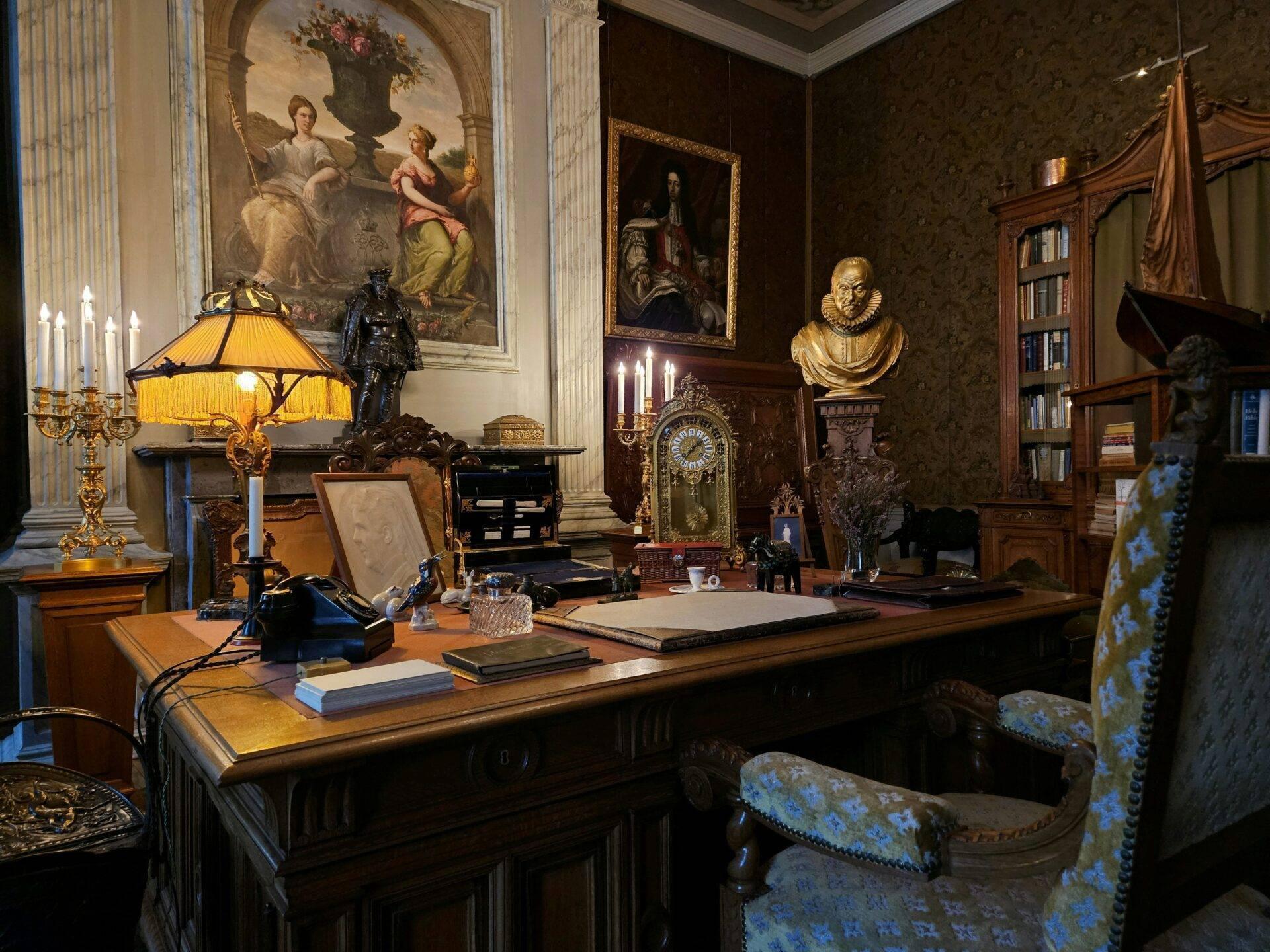
Het Loo Palace in Apeldoorn
The royal residence of the House of Orange-Nassau since 1686, Het Loo Palace reopened in April 2023 after five years of work and the addition of a 5,000 m² underground extension. The period-furnished royal apartments, the fully restored formal gardens and the new subterranean wing trace four centuries of Dutch monarchy.
The Alkmaar Cheese Market
Every Friday from the last Friday in March to the last Friday in September, the Waagplein in Alkmaar hosts one of the country’s most famous cheese markets, running from 10am to 1pm. Porters in traditional costume carry wooden stretchers loaded with rounds of Gouda and Edam between buyers and transport vehicles. Living folklore at its finest, right in the heart of a historic canal city.
Exploring by bike: the best way to get around
The Netherlands ranks among the countries with the densest cycling networks in Europe. Hiring a bike in any major city is straightforward, and all main railway stations offer rentals. Whether you are cycling from Leiden to Keukenhof, following the canals between Delft and The Hague, or picking up one of the free white bikes at Hoge Veluwe, two wheels reveal a completely different side of the country.
Planning your trip
For the practical side of your visit (travel health insurance, entry requirements and health advice), see our full guide: Netherlands Travel Insurance.
Fans of northern Europe will also find inspiration in our guides to Things to Do in Denmark and Things to Do in the Canary Islands. And for a winter trip in Europe, our pick of the best cities to visit at Christmas could round out your plans nicely.
FAQ
What is the best time to visit the Netherlands?
Spring (April to May) is ideal for the tulip fields and Keukenhof, which opens for just eight weeks a year. Summer suits beach lovers and open-air festivals. Autumn turns the forests of Hoge Veluwe to shades of rust and gold. In winter, Amsterdam and Maastricht host lively Christmas markets.
How do you get around the Netherlands without a car?
The national rail network (NS) connects all major cities with high-frequency services. Cycling is the perfect complement to the train for shorter distances. In the cities, trams, buses and the metro cover the full urban area.
How many days do you need to see the highlights of the Netherlands?
One week is enough to cover Amsterdam, Keukenhof (in spring), Kinderdijk, The Hague and Rotterdam at a comfortable pace. Two weeks allows you to add Utrecht, Maastricht, Giethoorn and the national parks.
Is Keukenhof open all year round?
No, Keukenhof opens for roughly eight weeks a year, generally from mid-March to mid-May. Outside that window, the tulip fields between Lisse and Hillegom remain visible from the roads and cycling paths.
Do you need to book Dutch museums in advance?
For the Rijksmuseum and the Van Gogh Museum in Amsterdam, booking online ahead of your visit is strongly recommended, especially between April and May and during summer. For Keukenhof, buying your ticket in advance guarantees entry and helps you avoid long queues.