
Spanning nearly 48,000 km² between the Caribbean Sea and the Atlantic Ocean, the Dominican Republic is far more than the resort complexes of Punta Cana. Deserted beaches, a UNESCO-listed colonial city, waterfalls deep in the jungle and the highest peak in the Caribbean: here are 20 things to see and do, whether you’re travelling for 10 days, two weeks or three.
For entry requirements, health information and travel insurance, see our dedicated Dominican Republic guide.
Get my travel insurance quoteWhen to Visit the Dominican Republic
The dry season, from December to April, brings clear skies, calm seas and temperatures around 28°C — ideal conditions, though also the busiest time of year. From June to November, the wet season delivers short but intense downpours and coincides with the Caribbean’s hurricane season. January to March offers the best of both worlds: fine weather and humpback whale sightings in Samaná Bay.
The East: Dream Beaches and Turquoise Waters
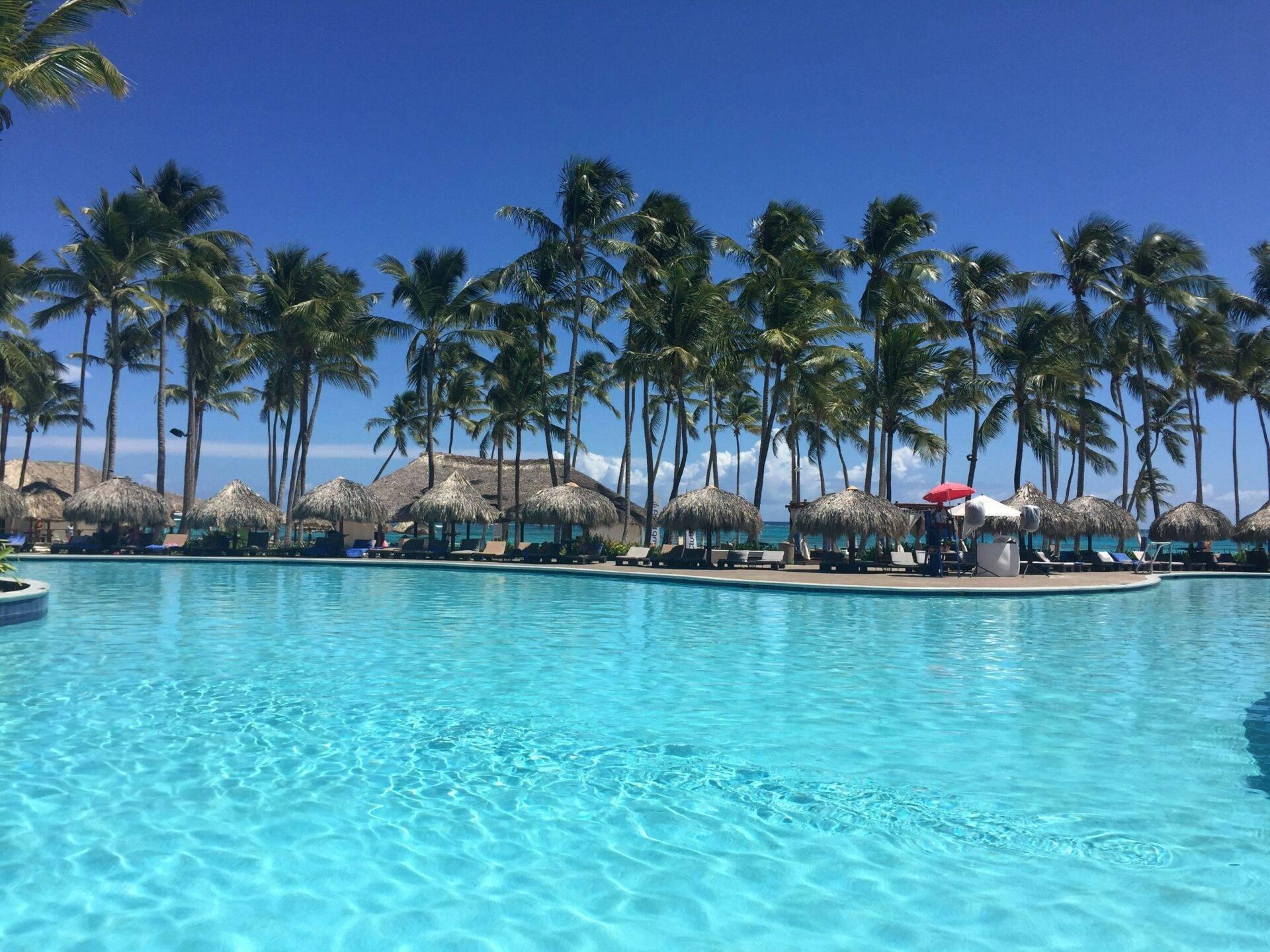
1. Punta Cana
On the eastern coast, Punta Cana is the country’s most popular gateway: miles of white sand lined with coconut palms, crystal-clear water and a tropical climate year-round. It’s the heartland of watersports, from diving and snorkelling to sailing, and golfers will find courses widely regarded as among the finest in the Caribbean.
2. Playa Juanillo
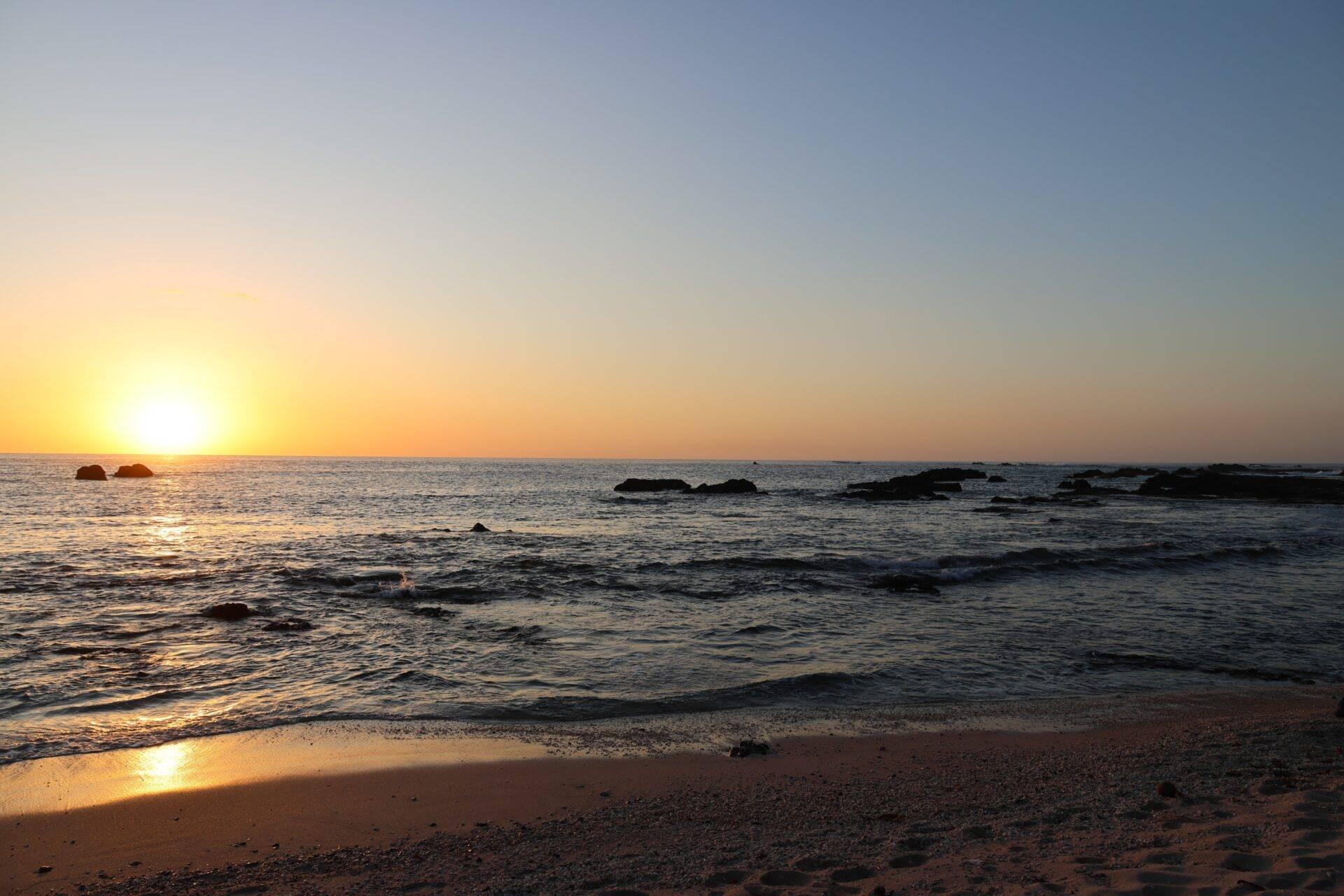
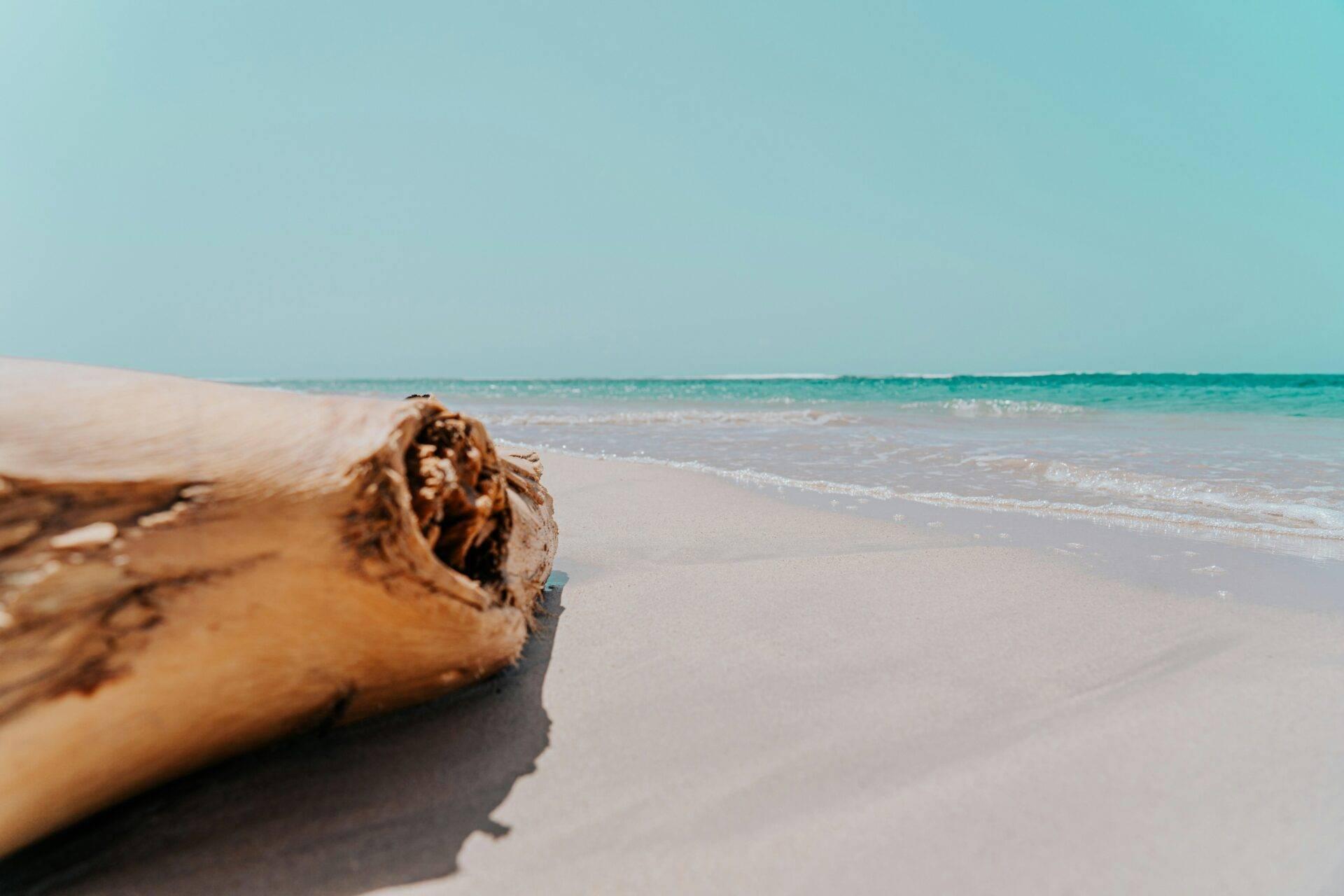
At Cap Cana, just south of Punta Cana, Playa Juanillo is one of the most photogenic beaches in the country: pristine sand, leaning coconut palms and a calmer atmosphere than the big hotel beaches. A perfect spot for a lazy day away from the crowds.
3. Saona Island
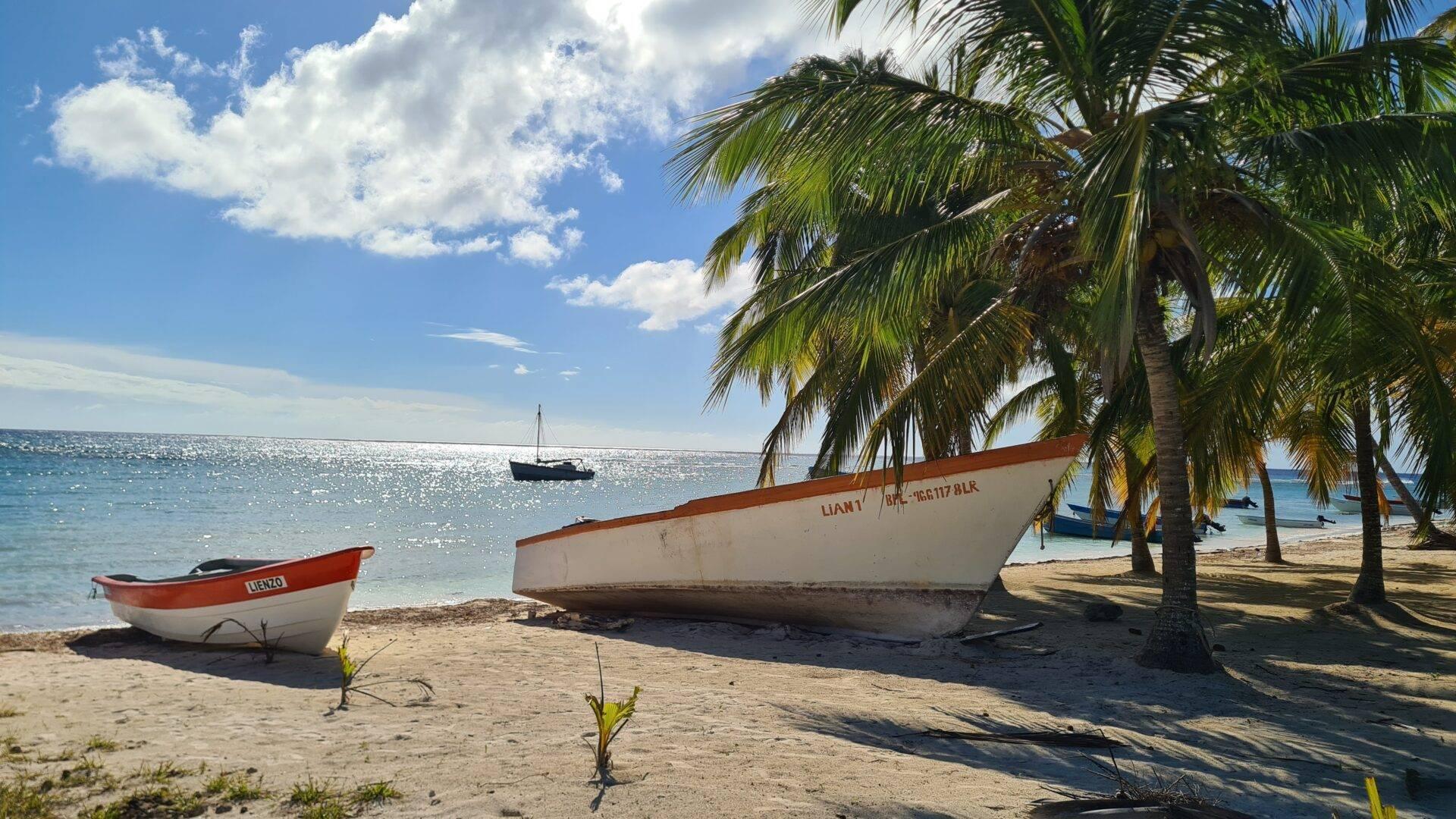
In the southeast, within Cotubanamá National Park, Saona Island is the country’s most iconic day trip. Boats and catamarans depart from Bayahibe, often stopping at a natural pool in open water where starfish drift in the shallows. Postcard-perfect scenery is guaranteed: white sand, turquoise water and palms swaying in the trade winds.
4. Bayahibe
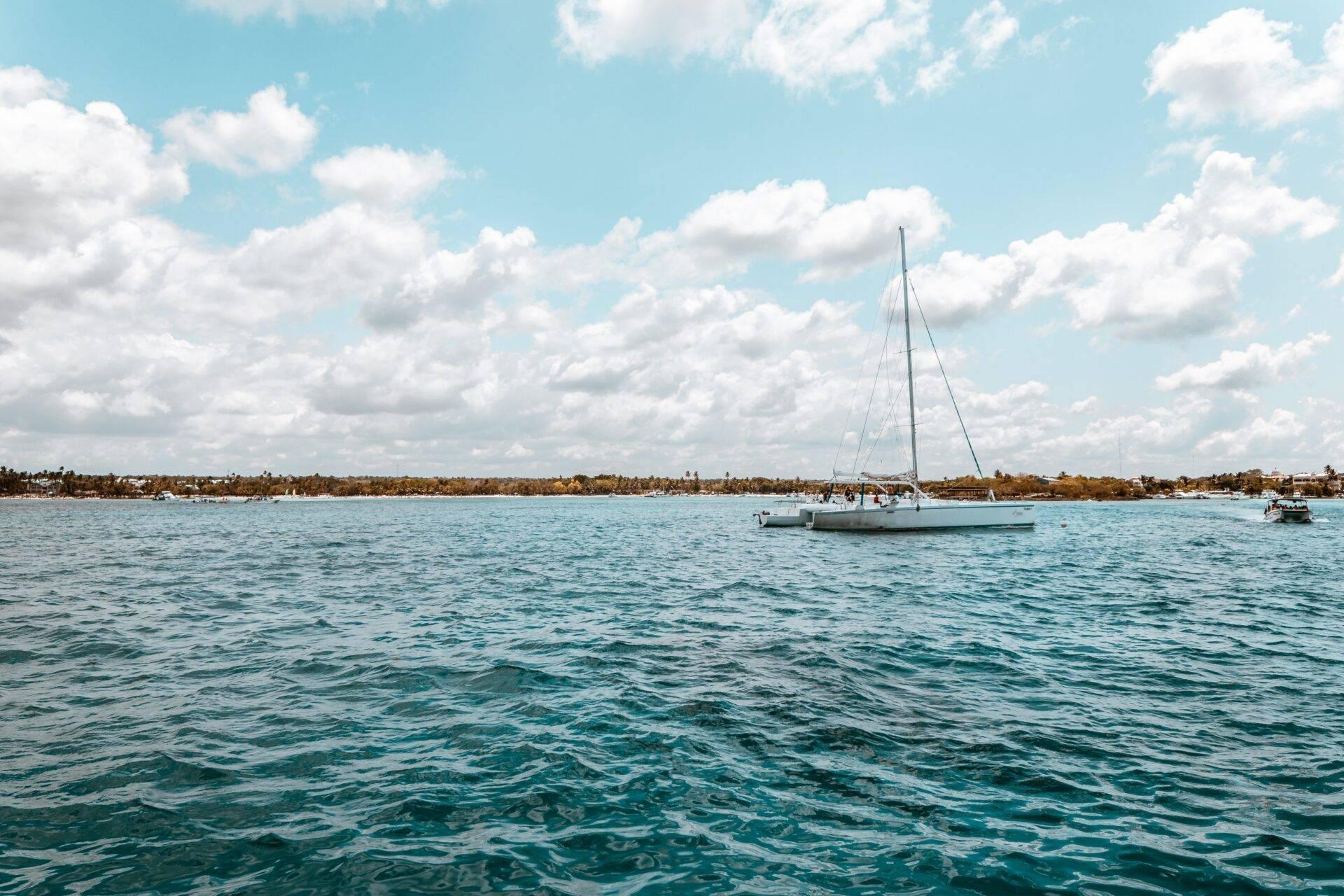
This small fishing village, the departure point for boats to Saona, is worth lingering in: a relaxed atmosphere, an unspoilt beach and some of the best diving sites in the country, including the reefs and wrecks of nearby Cotubanamá National Park.
5. La Romana
Midway between Santo Domingo and Punta Cana, La Romana blends tropical elegance with natural beauty: white-sand beaches such as Playa Bayahibe, spectacular coral reefs for divers and upscale resorts. It’s also sugarcane country, an industry that shaped the town’s history.
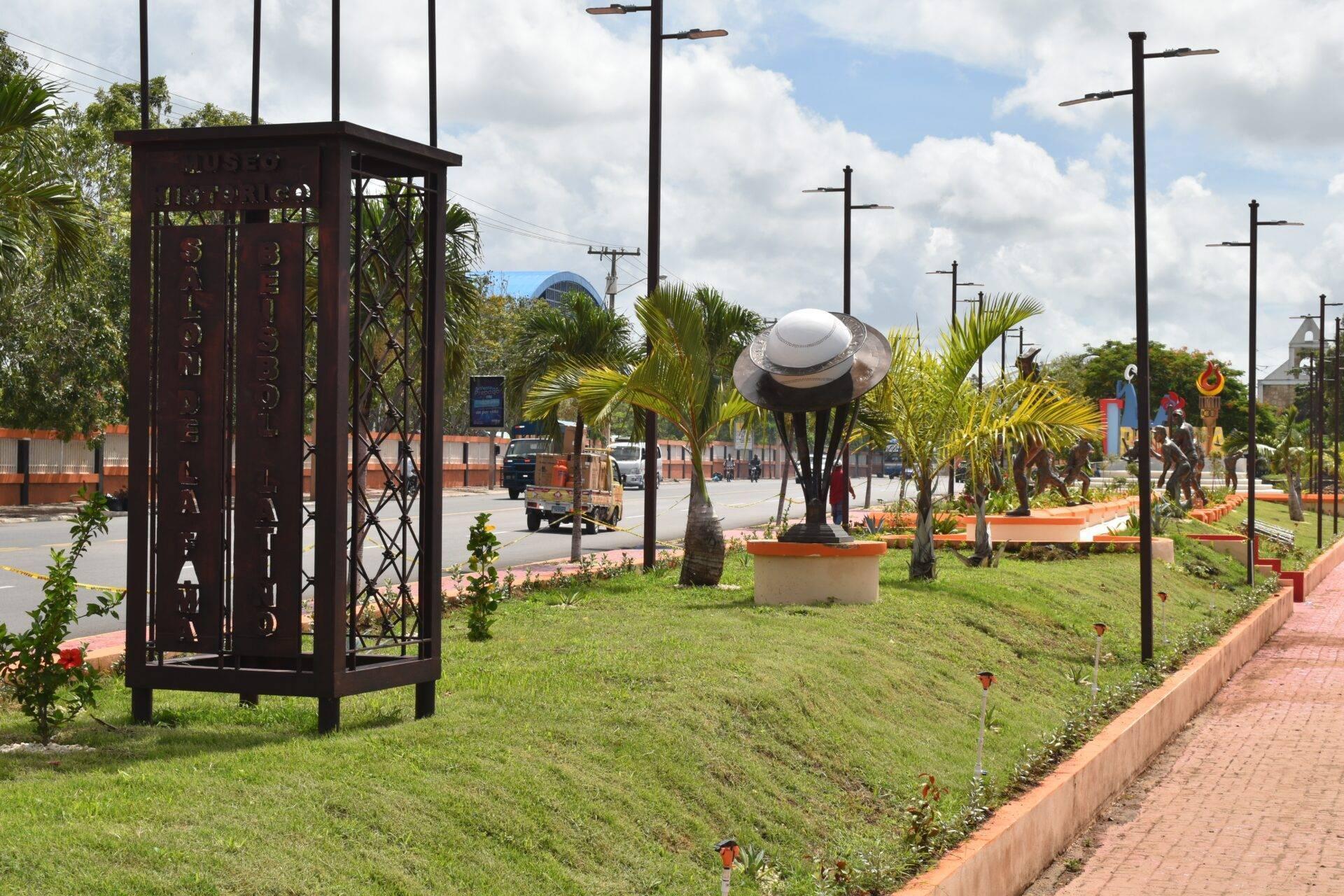
6. Altos de Chavón, Artists’ Village
A few kilometres from La Romana, Altos de Chavón is a remarkable recreation of a 16th-century Mediterranean village, perched high above the Chavón River. Artists’ workshops, a 5,000-seat amphitheatre and sweeping views down into the gorge: an unexpected cultural detour in the heart of the Caribbean.
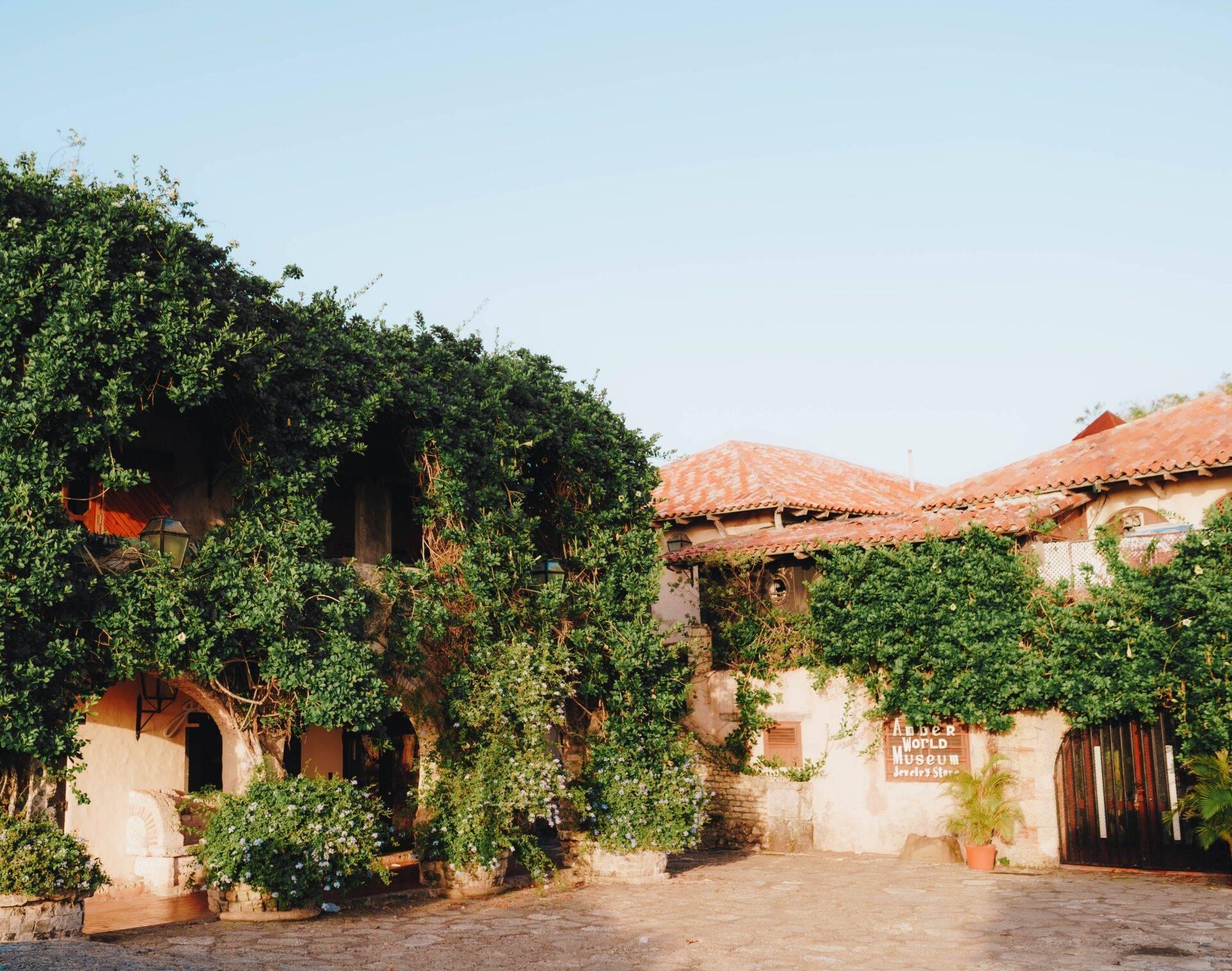
Santo Domingo and the South Coast
7. The Colonial City, a UNESCO World Heritage Site
Founded in the late 15th century, Santo Domingo is the oldest European city in the Americas. Its colonial zone, a UNESCO World Heritage Site, is best explored on foot: cobbled lanes, colourful facades, the Alcázar de Colón (the palace of Columbus’s son) and the Cathedral of Santa María la Menor, considered the first cathedral in the New World.
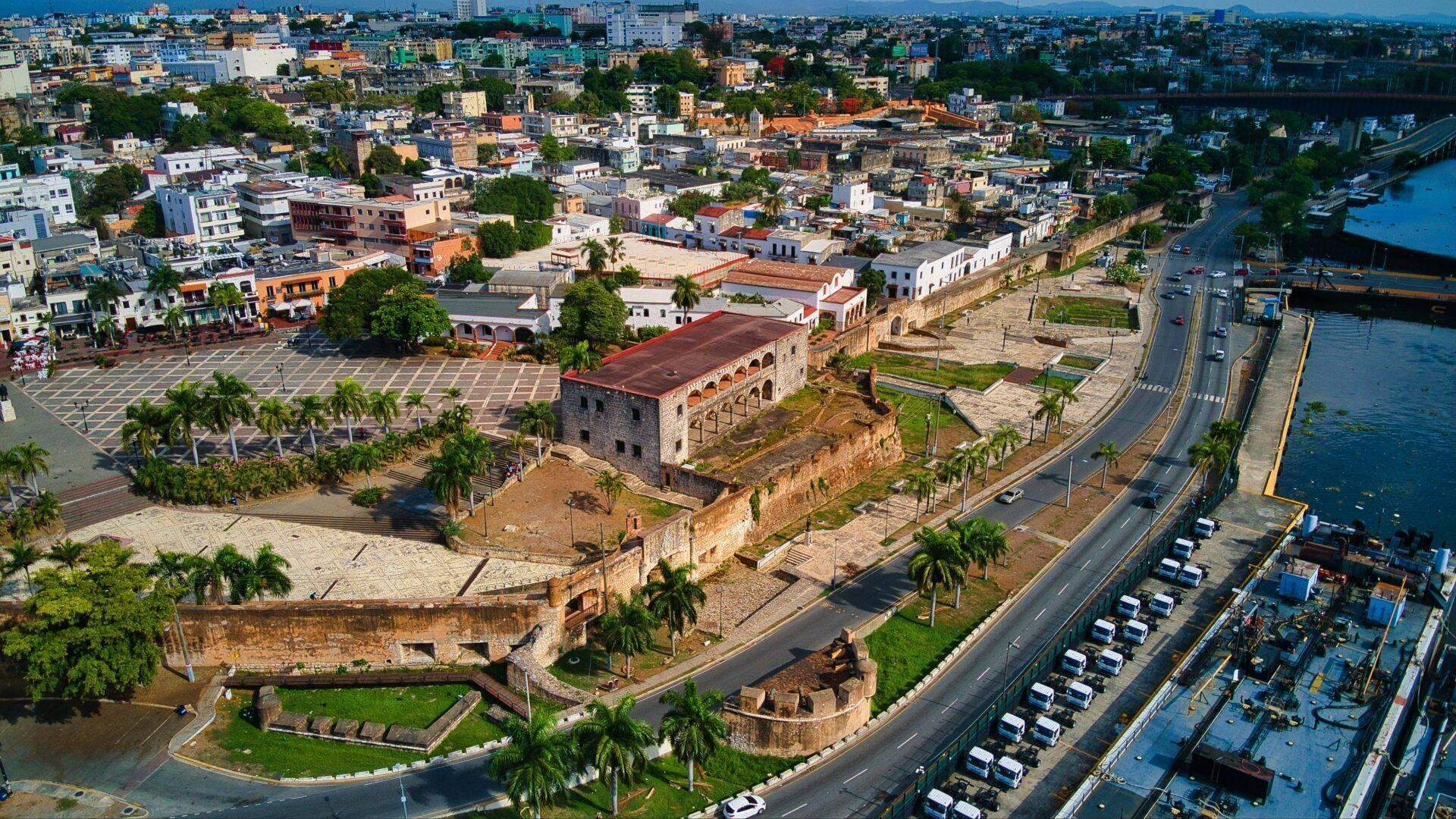
8. Santo Domingo, a Vibrant Capital
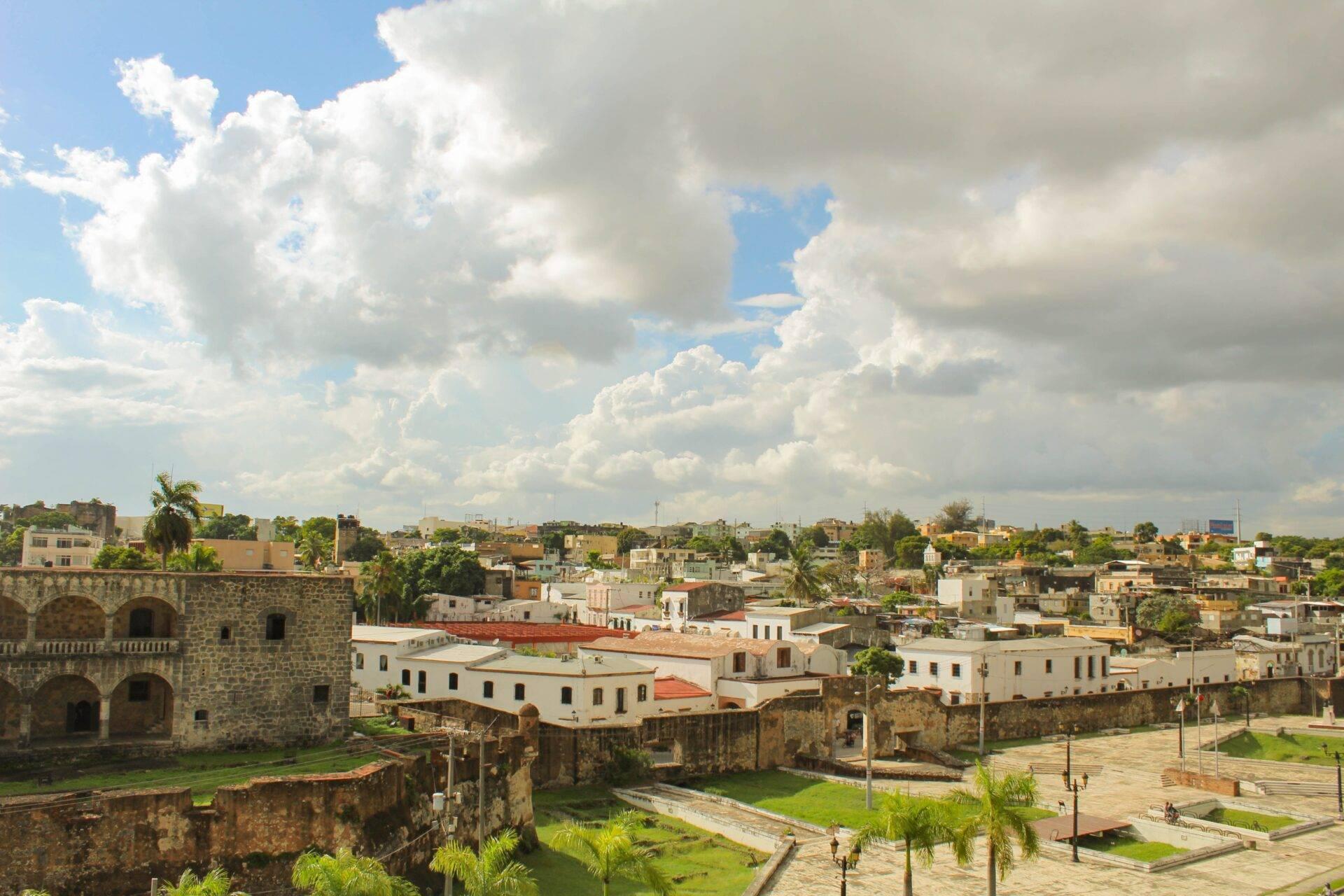
Beyond the colonial quarter, the capital pulses to the rhythm of merengue and bachata: the seafront Malecón, the museums of the Plaza de la Cultura, bustling markets and a food scene that weaves together Taíno, Spanish and African influences. Try sancocho, the national stew, or mangú at breakfast.
9. Boca Chica
About 30 kilometres from the capital, Boca Chica is where Dominicans head for the beach: a shallow lagoon sheltered by a reef, calm water perfect for families and a seafront strip of bars and restaurants where the dancing goes on well into the night. Street stalls serve pescado frito (fried fish) and empanadas — a street food experience not to be missed.
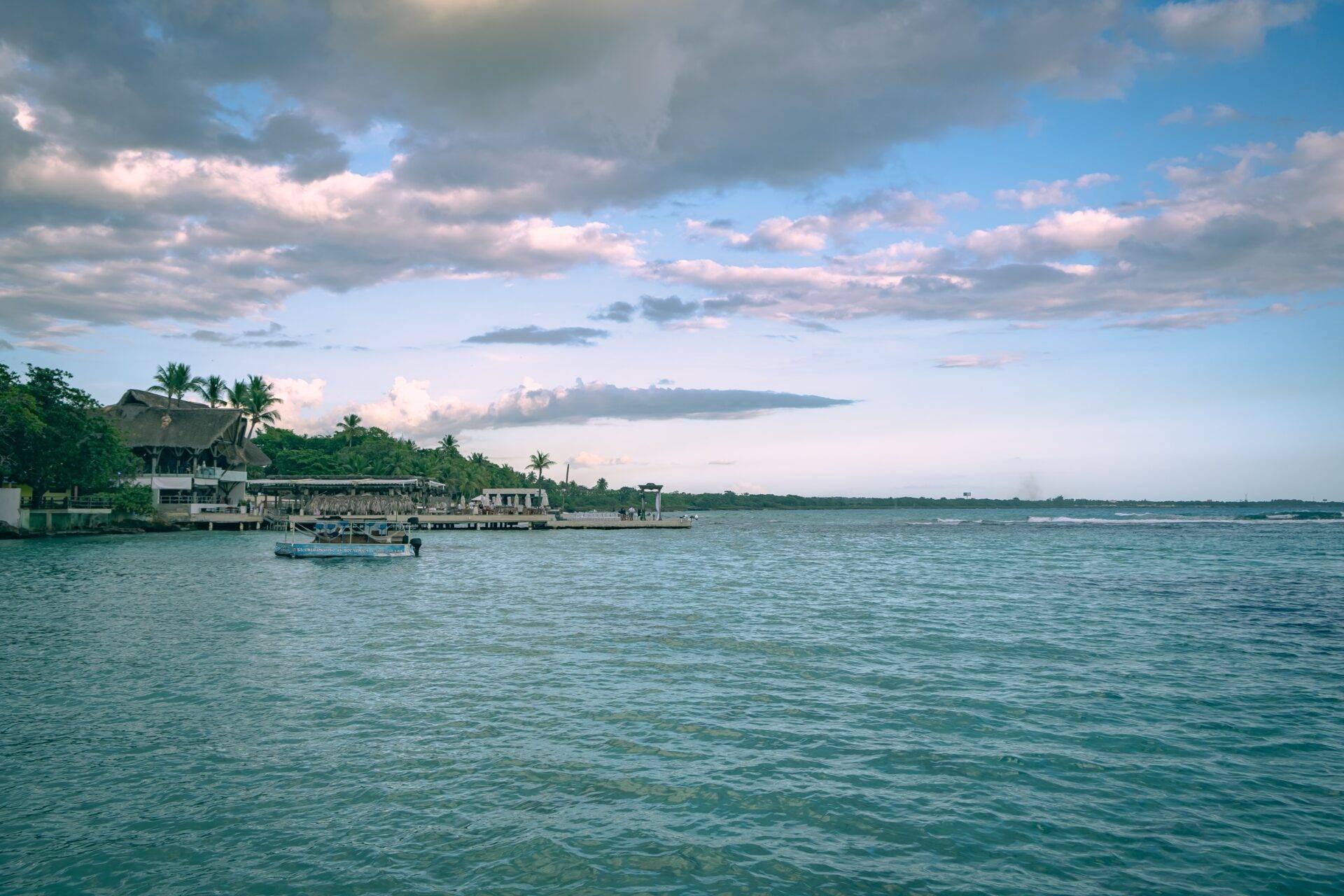
10. Juan Dolio
A little further east, Juan Dolio appeals to those looking for a smaller, more laid-back resort: a warm sandy beach, calm water ideal for kayaking and paddleboarding, and modest local restaurants serving freshly caught fish and seafood.
The North Coast: Atlantic Shores and Mountain Scenery
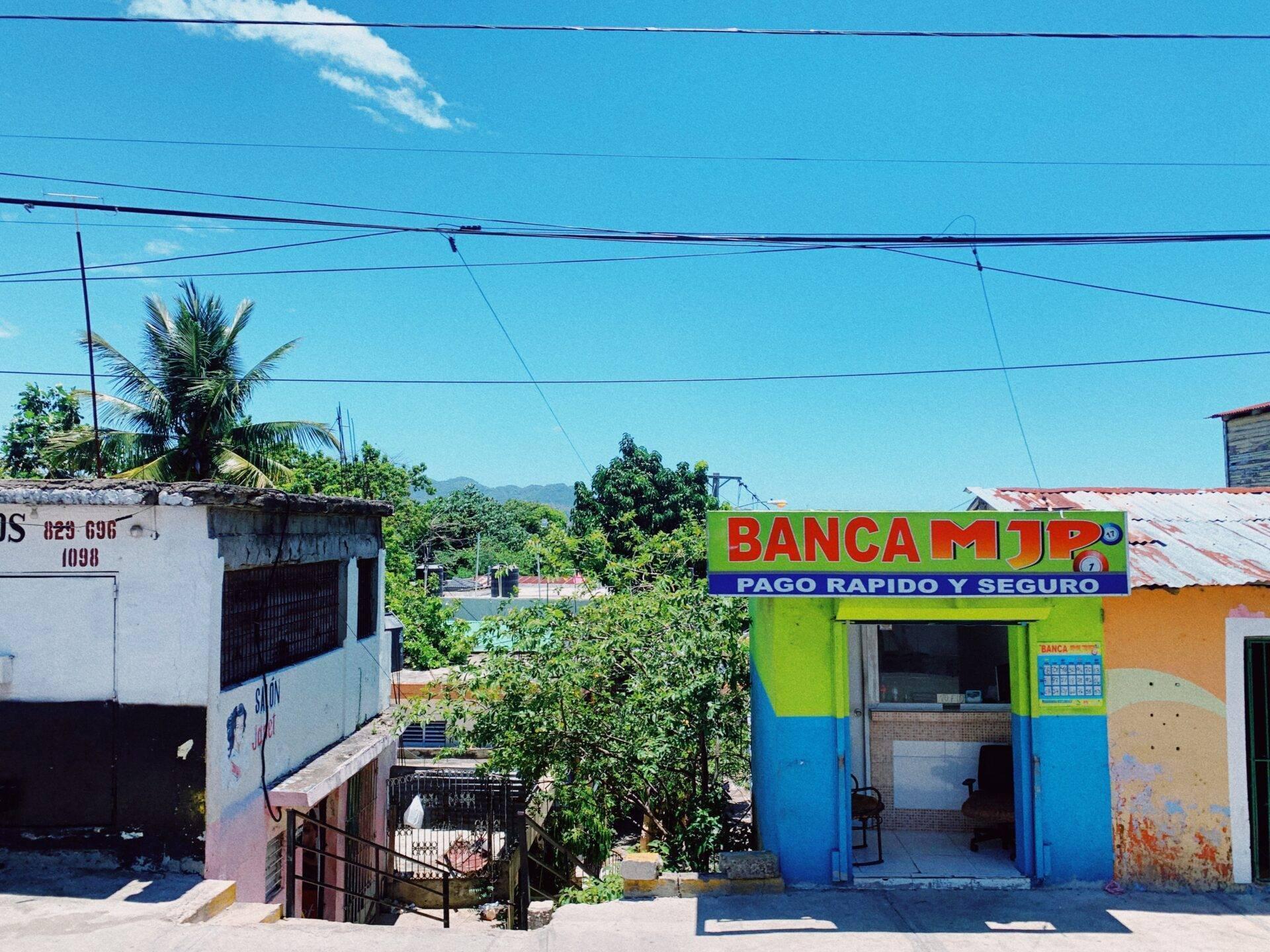
11. Puerto Plata
On the Atlantic coast, Puerto Plata combines golden beaches such as Playa Dorada, a Victorian-era old town and the San Felipe fortress. The steady winds make the area — particularly nearby Cabarete — a world-class destination for kitesurfing and windsurfing.
12. Mount Isabel de Torres
A cable car climbs to the summit of Mount Isabel de Torres, at 793 metres, where a replica of Rio’s Christ the Redeemer watches over the bay. Highlights include a botanical garden, sweeping panoramas across Puerto Plata and the Atlantic, and on a clear day, sightlines stretching far along the north coast.
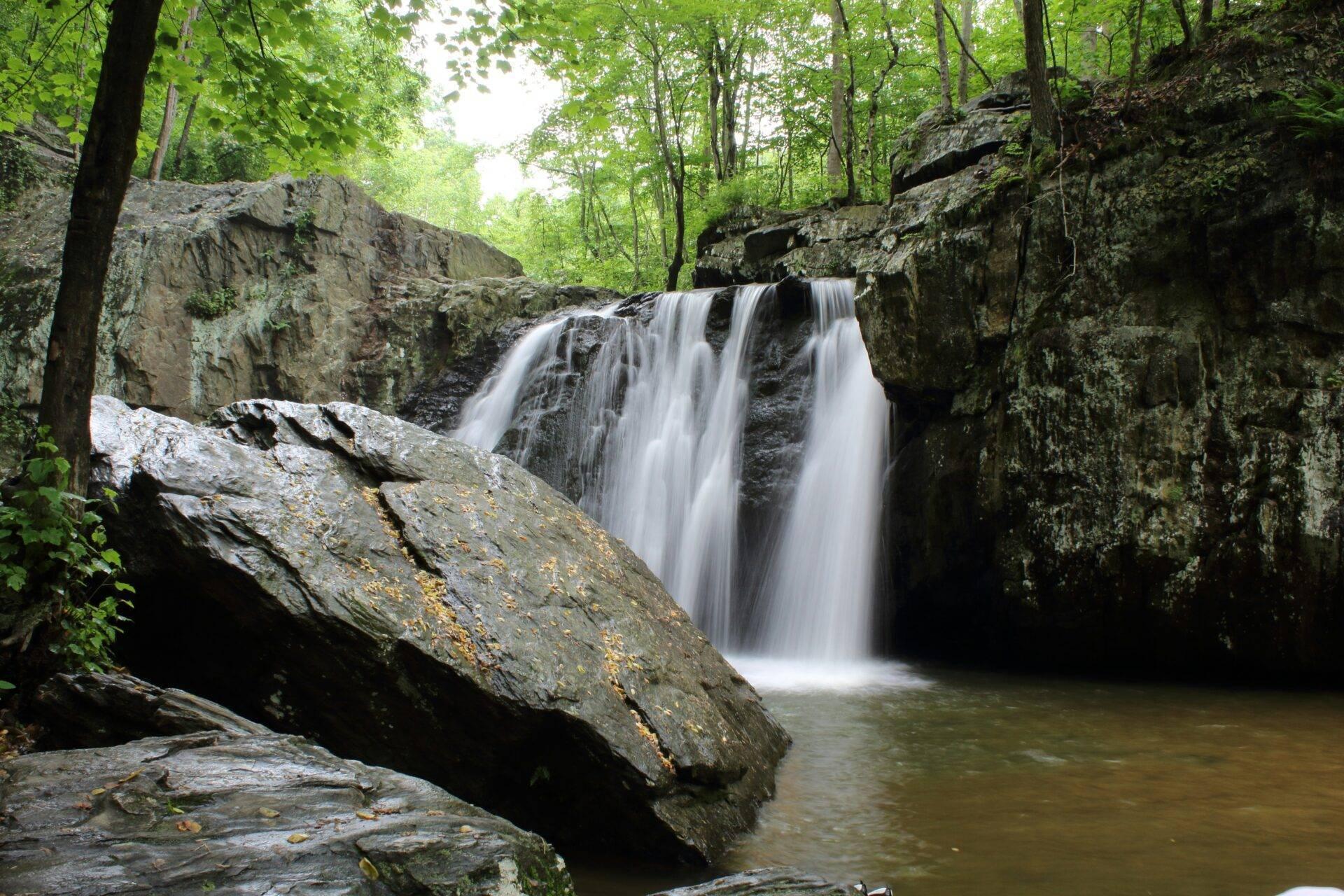
13. The 27 Waterfalls of Damajagua
Near Puerto Plata, the Damajagua waterfalls are the north’s headline adventure: a water trail through 27 cascades and natural pools carved into the jungle, descended by jumping, sliding and swimming, with helmets and life jackets provided. Shorter circuits are available depending on your fitness and confidence.
14. Cabo Francés Viejo
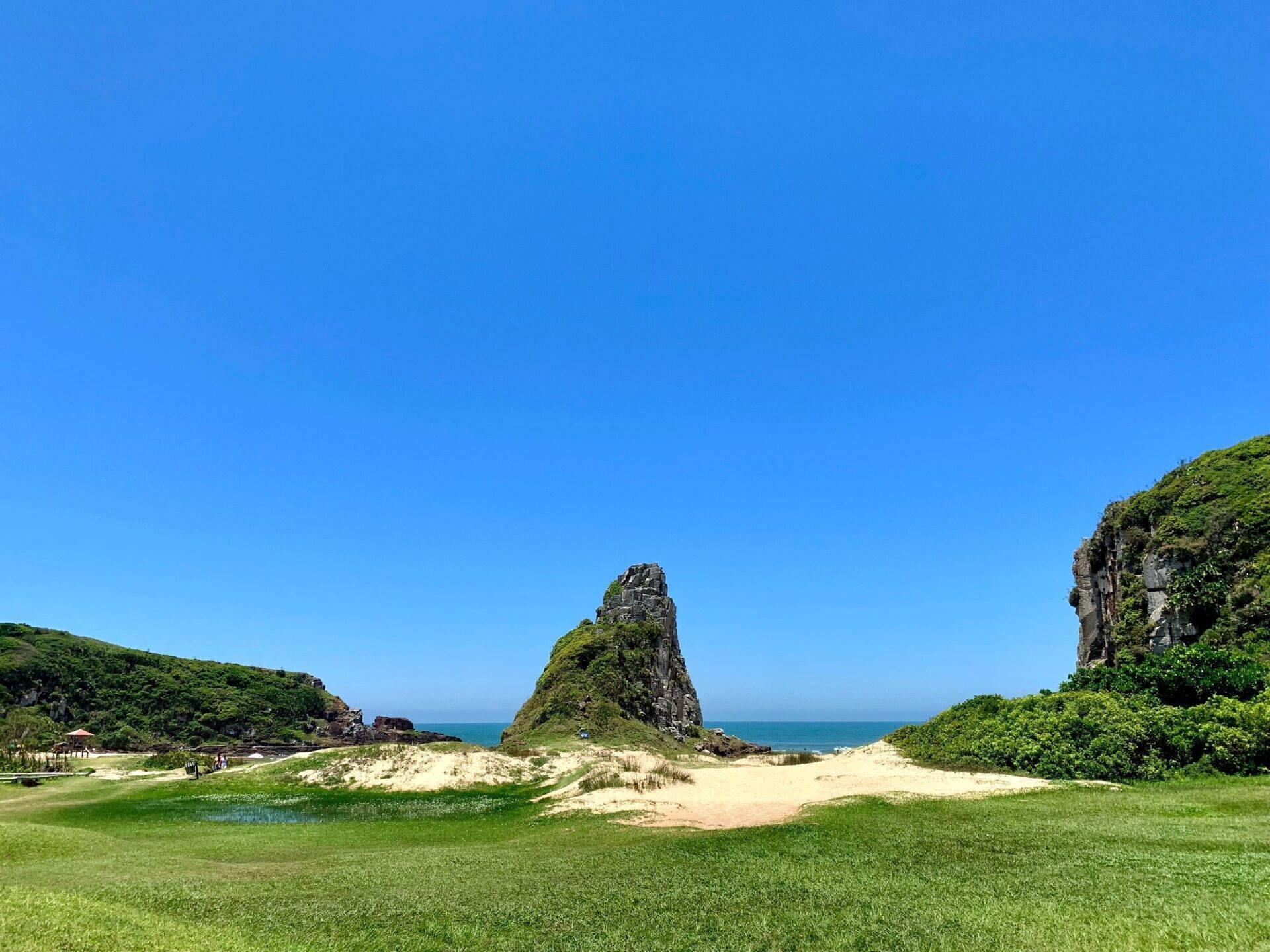
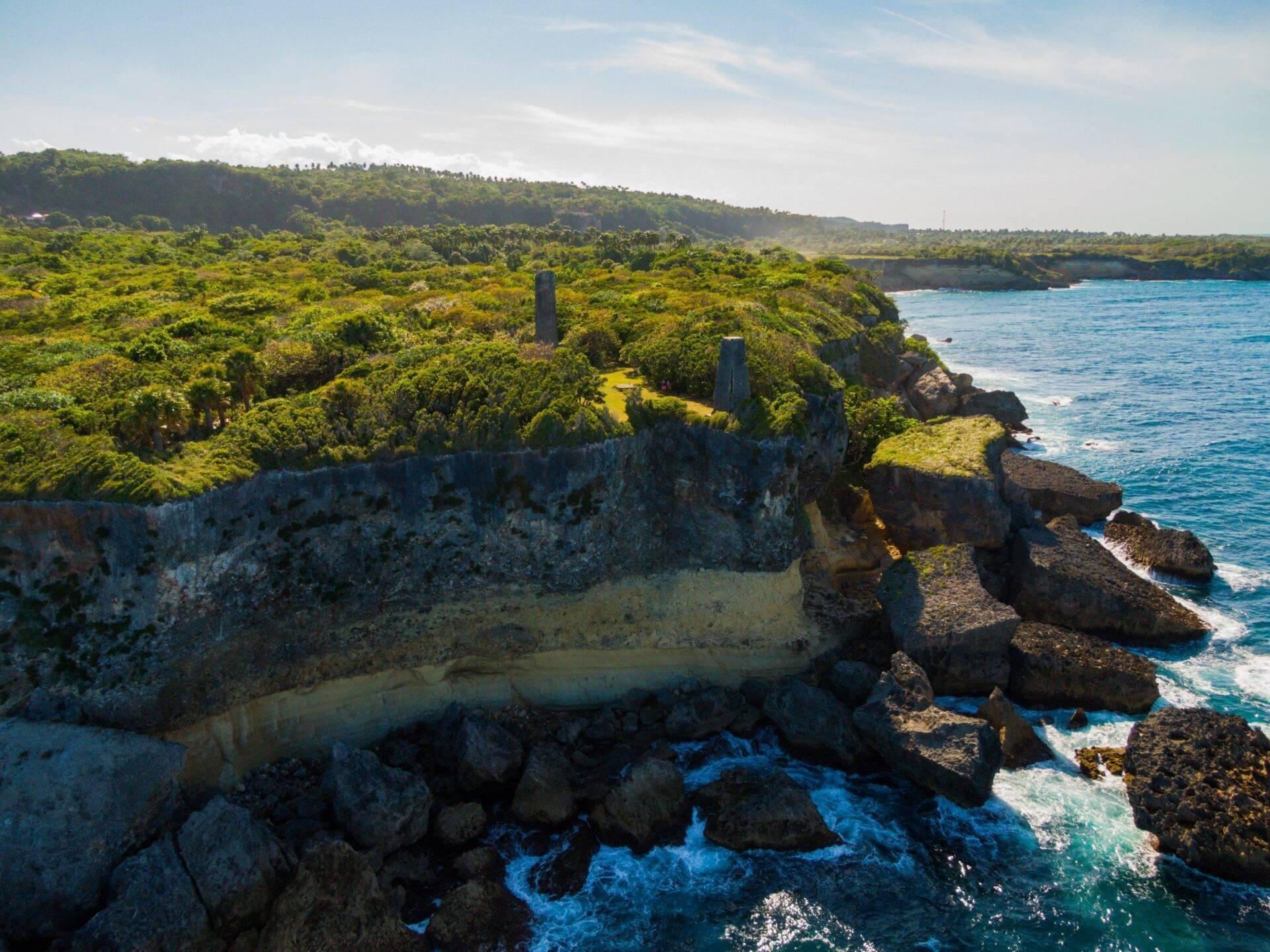
On the north-eastern coast near Cabrera, Cabo Francés Viejo park protects a wild stretch of coastline — cliffs, deserted beaches and crystal-clear water — far from the tourist trail. The ideal spot for a peaceful escape between destinations.
The Samaná Peninsula
15. Samaná and Its Humpback Whales
In the northeast, the Samaná Peninsula strings together virgin beaches, lush mountains and waterfalls, including the impressive Salto El Limón. Its bay is above all a sanctuary for humpback whales: every year from January to March, hundreds of these magnificent creatures gather here to breed, delivering one of the Caribbean’s most breathtaking marine spectacles. Playa Rincón, consistently ranked among the most beautiful beaches in the world, is reason enough to make the journey.
16. Cayo Levantado
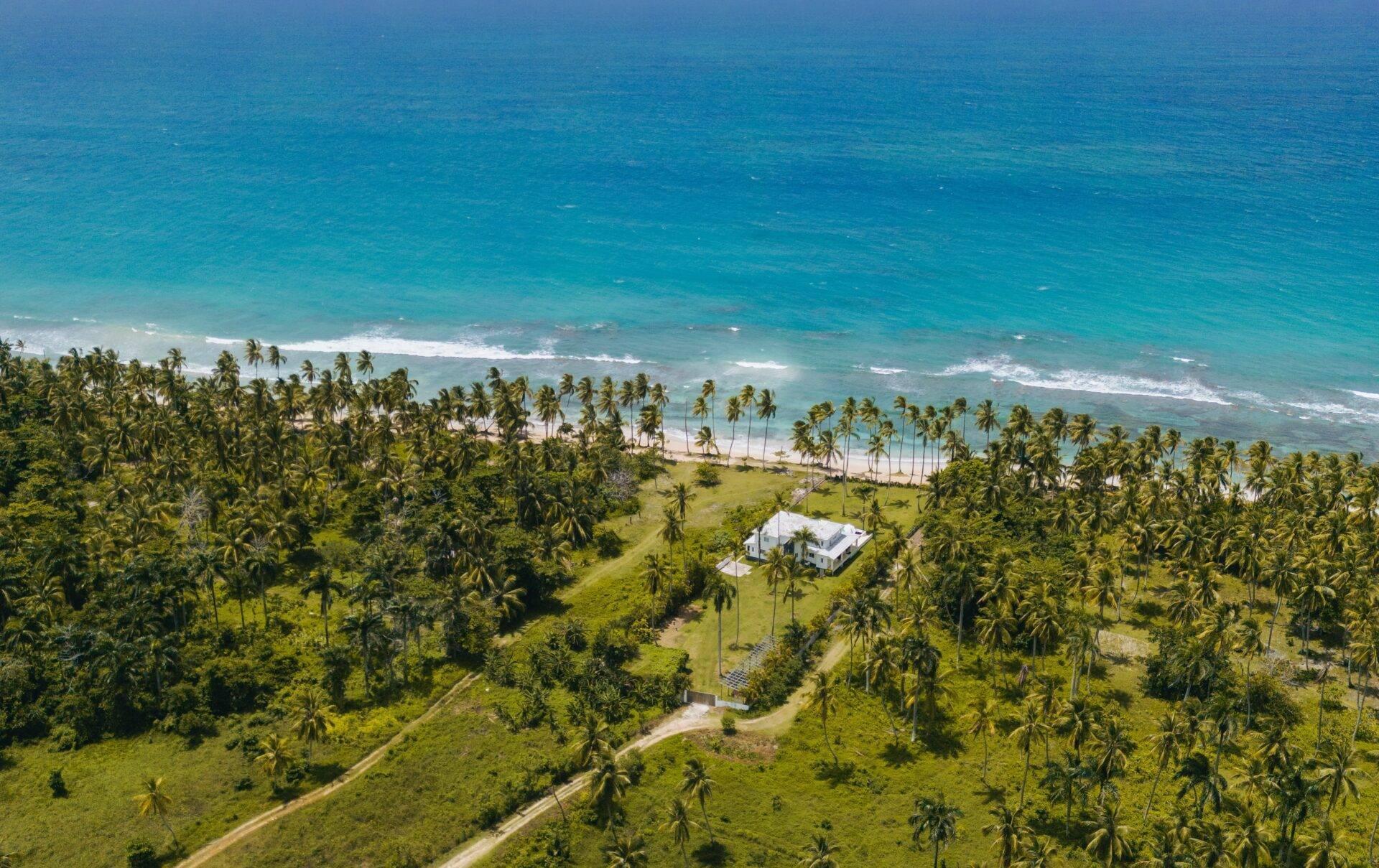
Nicknamed the Bacardi Island, Cayo Levantado is a paradise islet set in Samaná Bay: white-sand beaches, clear water, majestic palms and a peaceful atmosphere. Day-trippers arrive by boat from Samaná to swim, snorkel or simply soak up the scenery.
17. Las Terrenas
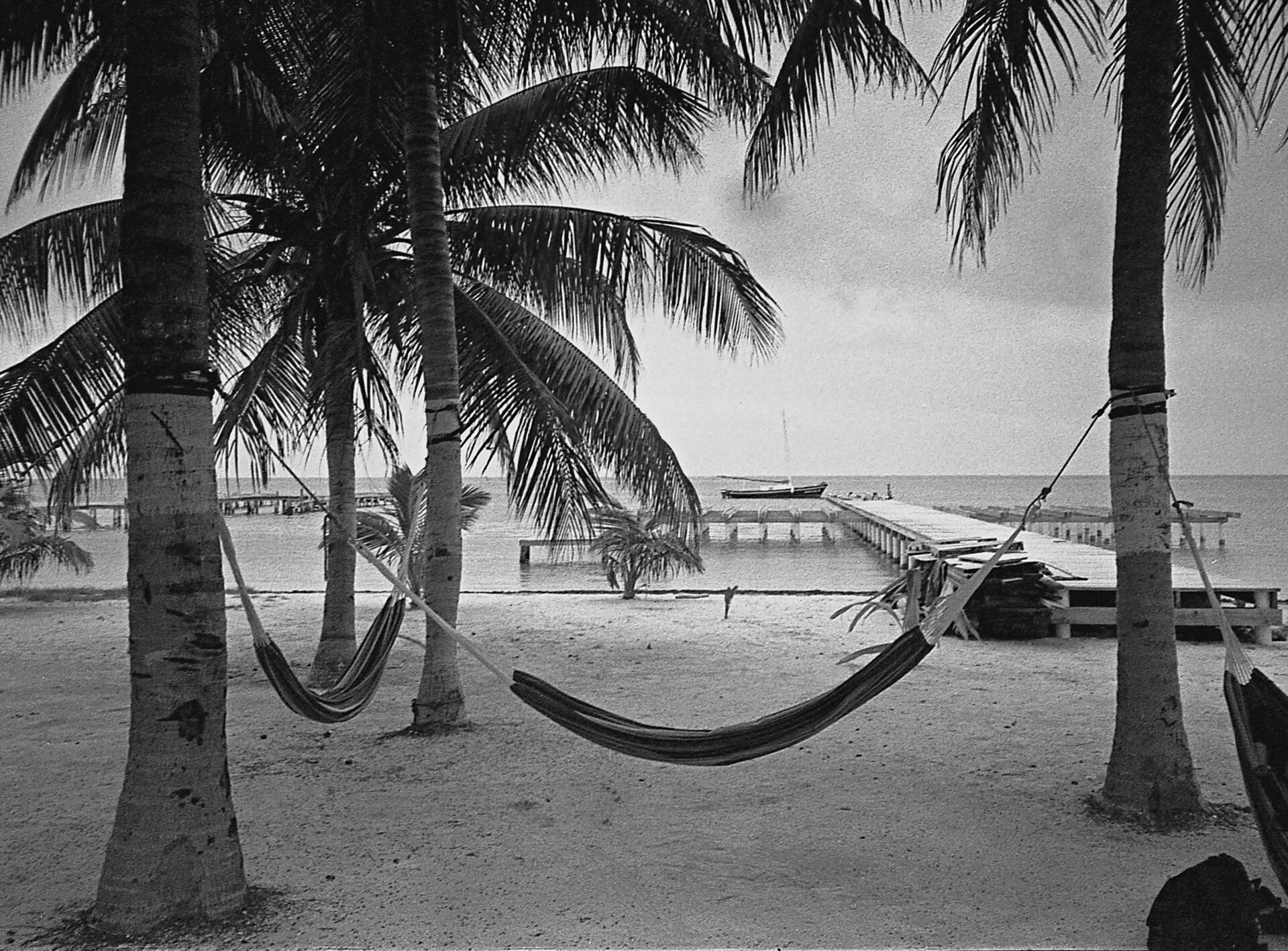
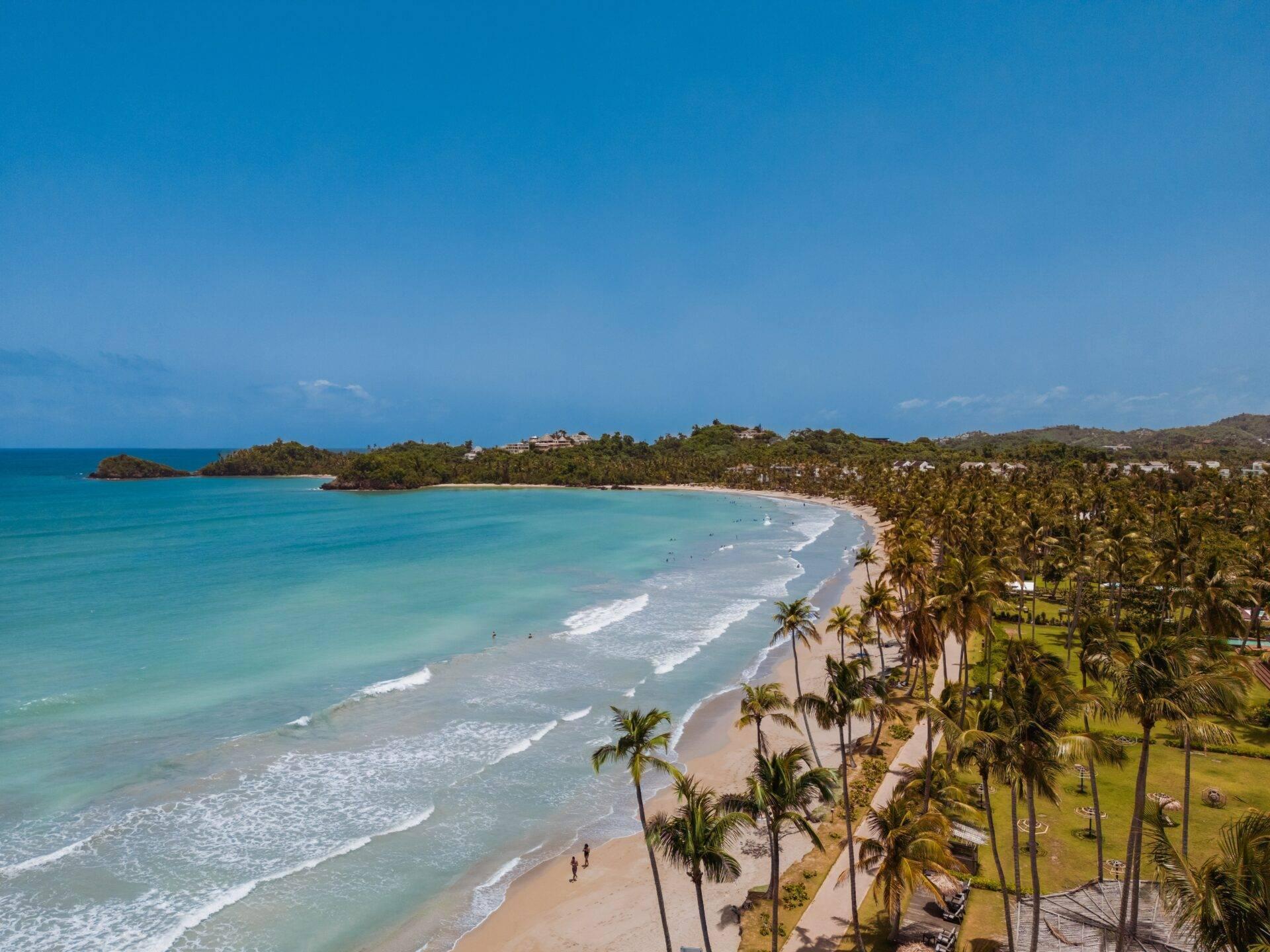
A fishing village turned cosmopolitan small town, Las Terrenas blends Caribbean charm with a relaxed pace of life: idyllic beaches such as Playa Bonita, restaurants with tables in the sand and an international community that gives the place a distinctly worldly character on the peninsula.
18. Las Galeras
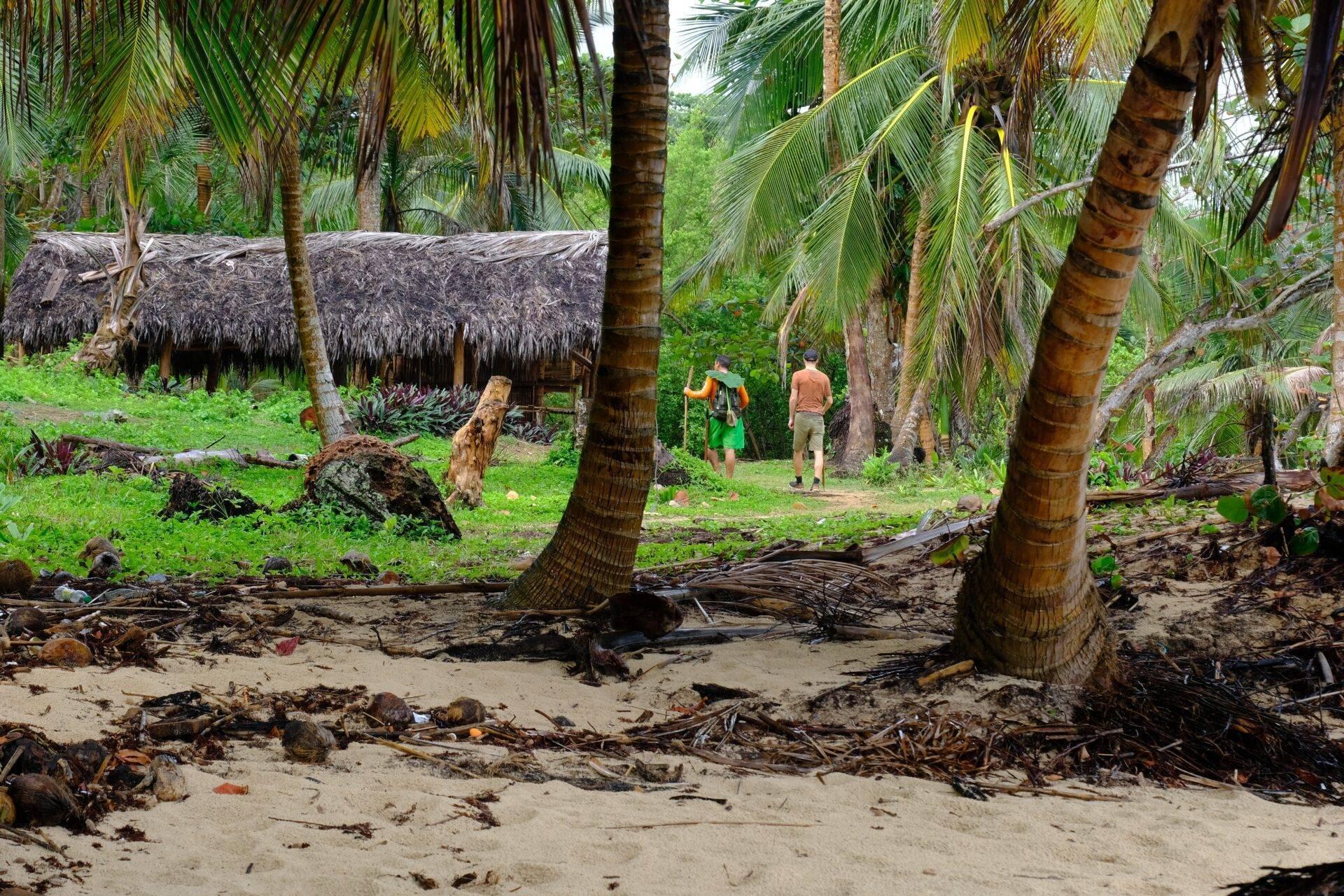
At the far tip of the peninsula, Las Galeras remains an authentic fishing village and one of the Caribbean’s hidden gems. It’s the starting point for beaches only reachable on foot or by boat, such as Playa Frontón and Playa Madama.
19. Los Haitises National Park
Across the bay from Samaná, Los Haitises is one of the country’s great natural treasures: around 1,600 km² of mogotes (karst hills) rising from mangrove swamps, caves decorated with Taíno petroglyphs and thousands of seabirds. Visits are made by boat, winding through channels lined with mangrove trees.
Inland
20. Jarabacoa and Pico Duarte
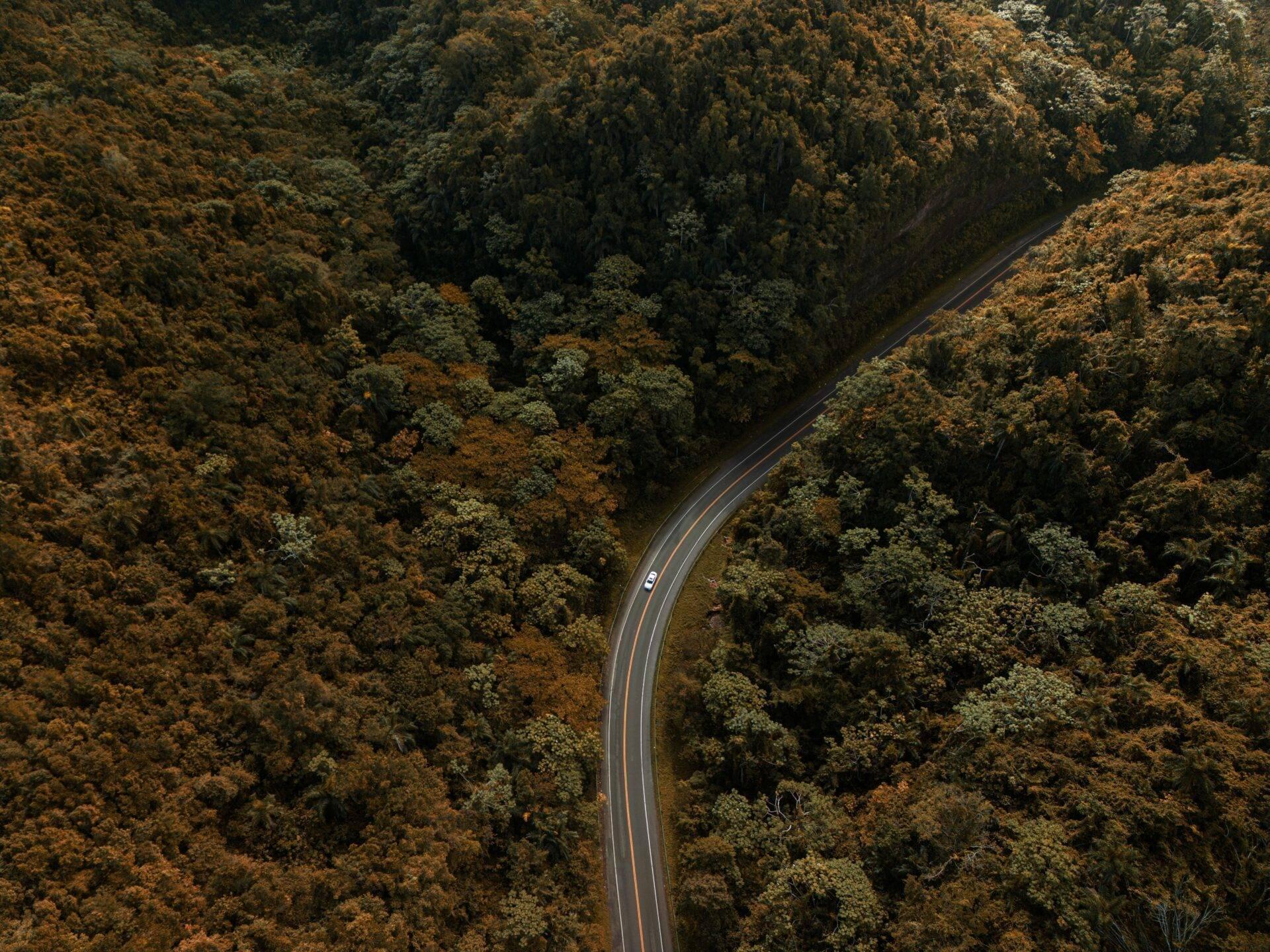
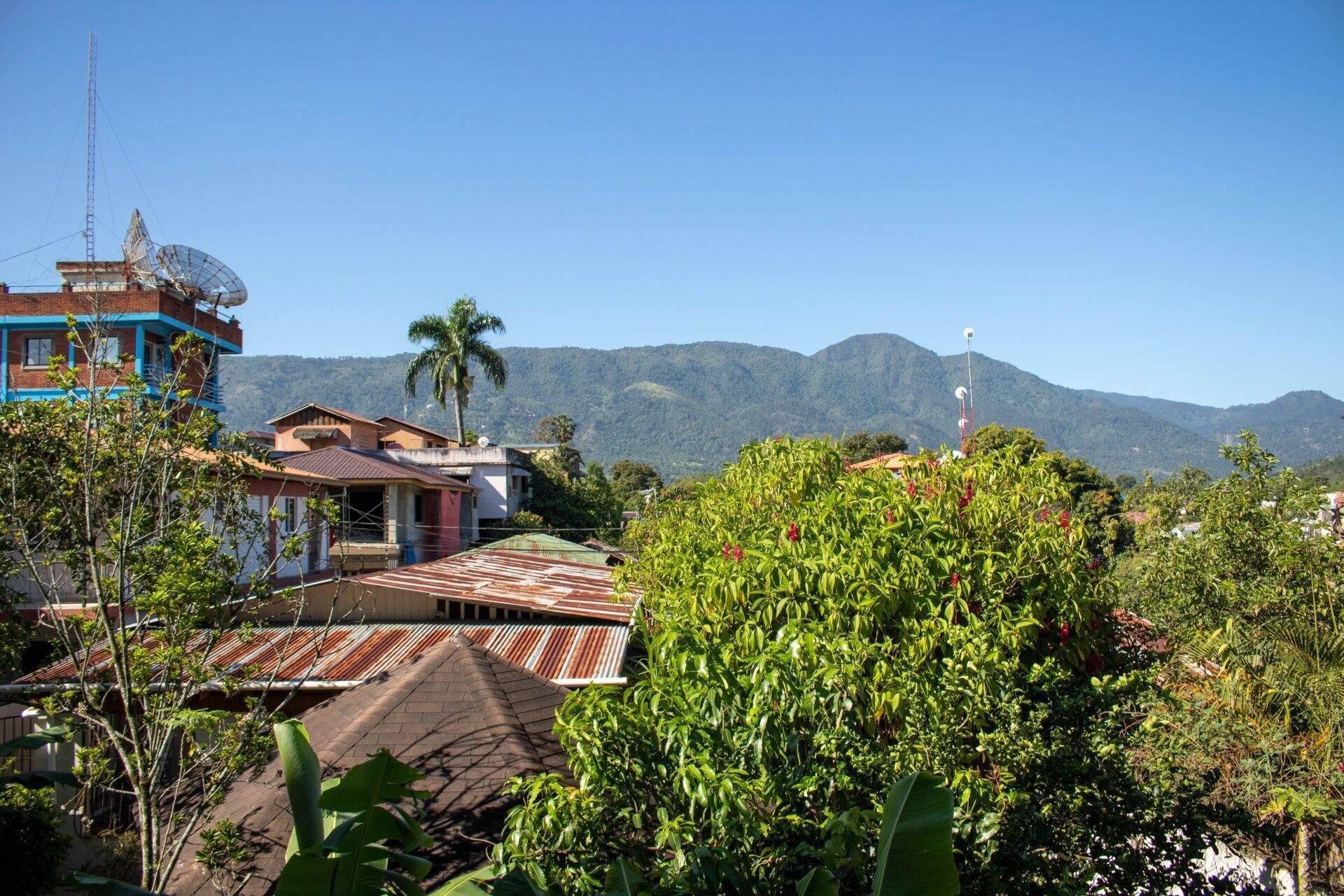
In the heart of the Cordillera Central, Jarabacoa is the Dominican Republic’s ecotourism capital: white-water rafting on the Río Yaque del Norte, canyoning, waterfalls and hiking. It’s also the base camp for the ascent of Pico Duarte which, at 3,087 metres, is the highest peak in the Caribbean — allow two to three days of trekking to reach the summit.
If the Caribbean has you dreaming of more, explore our 20 unmissable things to do in Cuba, the neighbouring island with a fascinating culture, or our pick of the 7 Caribbean islands you simply must visit.
FAQ
How many days do you need to visit the Dominican Republic?
Ten days is enough to combine a beach region (Punta Cana or Bayahibe), Santo Domingo and the Samaná Peninsula. To add the north coast (Puerto Plata, Damajagua) and the mountains around Jarabacoa, allow two to three weeks.
When is the best time to see whales in Samaná?
From January to March, humpback whales gather in Samaná Bay to breed. Whale-watching excursions depart from the port of Santa Bárbara de Samaná, with strict approach guidelines in place to protect the animals.
Do you need a visa for the Dominican Republic?
For many nationalities, a return ticket and a valid passport are all that’s required for a tourist stay, along with an electronic entry form (e-ticket) to be completed before you fly. Up-to-date entry requirements, health information and travel insurance details are covered in our Dominican Republic guide.
Punta Cana or Samaná: which should you choose?
Choose Punta Cana for well-equipped beaches, resorts and organised watersports; choose Samaná for wilder scenery, winter whale-watching and pristine beaches such as Playa Rincón. With ten days or more, the two complement each other perfectly.
Is the Dominican Republic safe for travellers?
Tourist areas are generally safe, with the usual common-sense precautions (avoid displaying valuables, use official taxis at night). On the health front, no vaccinations are mandatory; mosquito protection is recommended, and travel insurance covering medical costs locally will save you from hefty bills at private clinics.