
What to do in the Bahamas varies dramatically from one island to the next: swim with pigs in the Exumas, walk on pink sand at Harbour Island, dive into underwater caves on Long Island or join a midnight parade in Nassau during Junkanoo. Every island in the archipelago has its own identity. Here are 20 experiences not to be missed, presented island by island.
Insure my Bahamas tripNassau and Paradise Island: the gateway to the Bahamas
1. Getting lost in Nassau’s colourful streets
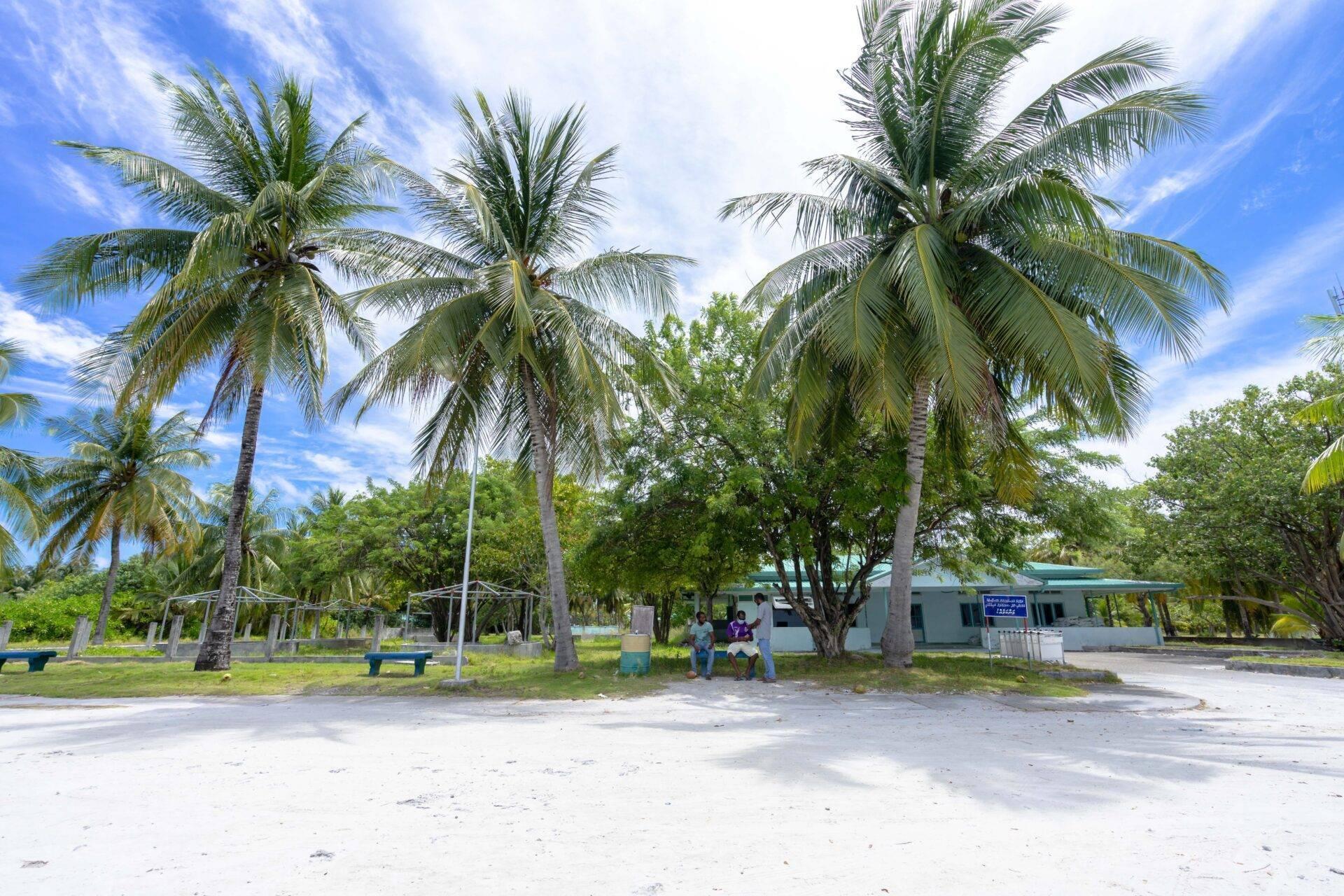
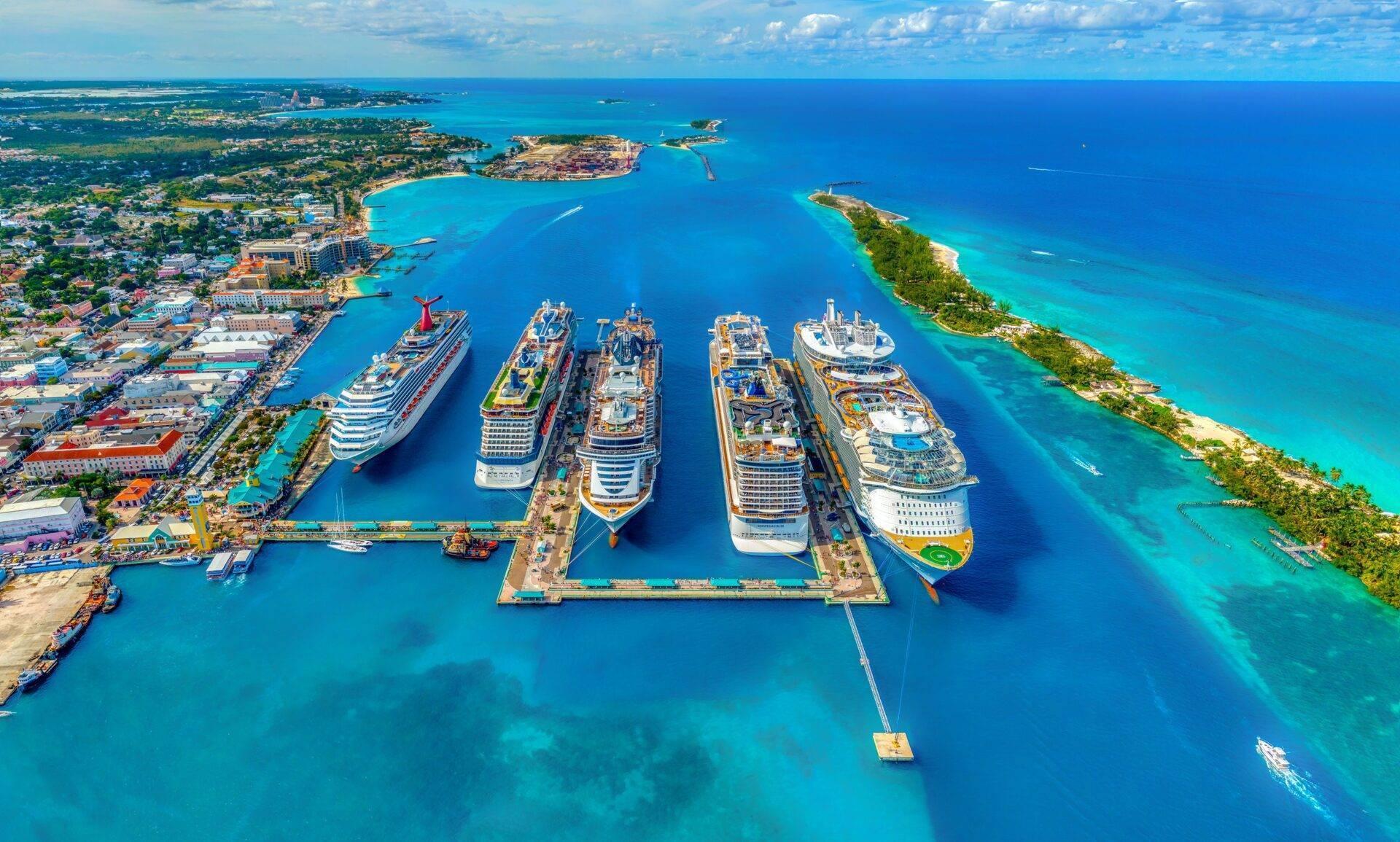
Nassau blends colonial wooden houses painted pink and yellow, the artisan Straw Market on Bay Street and fish stalls at Potter’s Cay. The historic centre, laid out around Parliament Square, reflects the British colonial past through its 18th-century stone buildings. Allow half a day to soak up the atmosphere of the capital.
2. Climbing Fort Charlotte and Fort Fincastle
These two late-18th-century fortifications stand watch over Nassau from the island’s high ground. Fort Charlotte retains its original moats, cannons and dungeons. A few minutes away, Fort Fincastle offers a panoramic view over the harbour and the Paradise Island Bridge.
3. The Atlantis Paradise Island experience
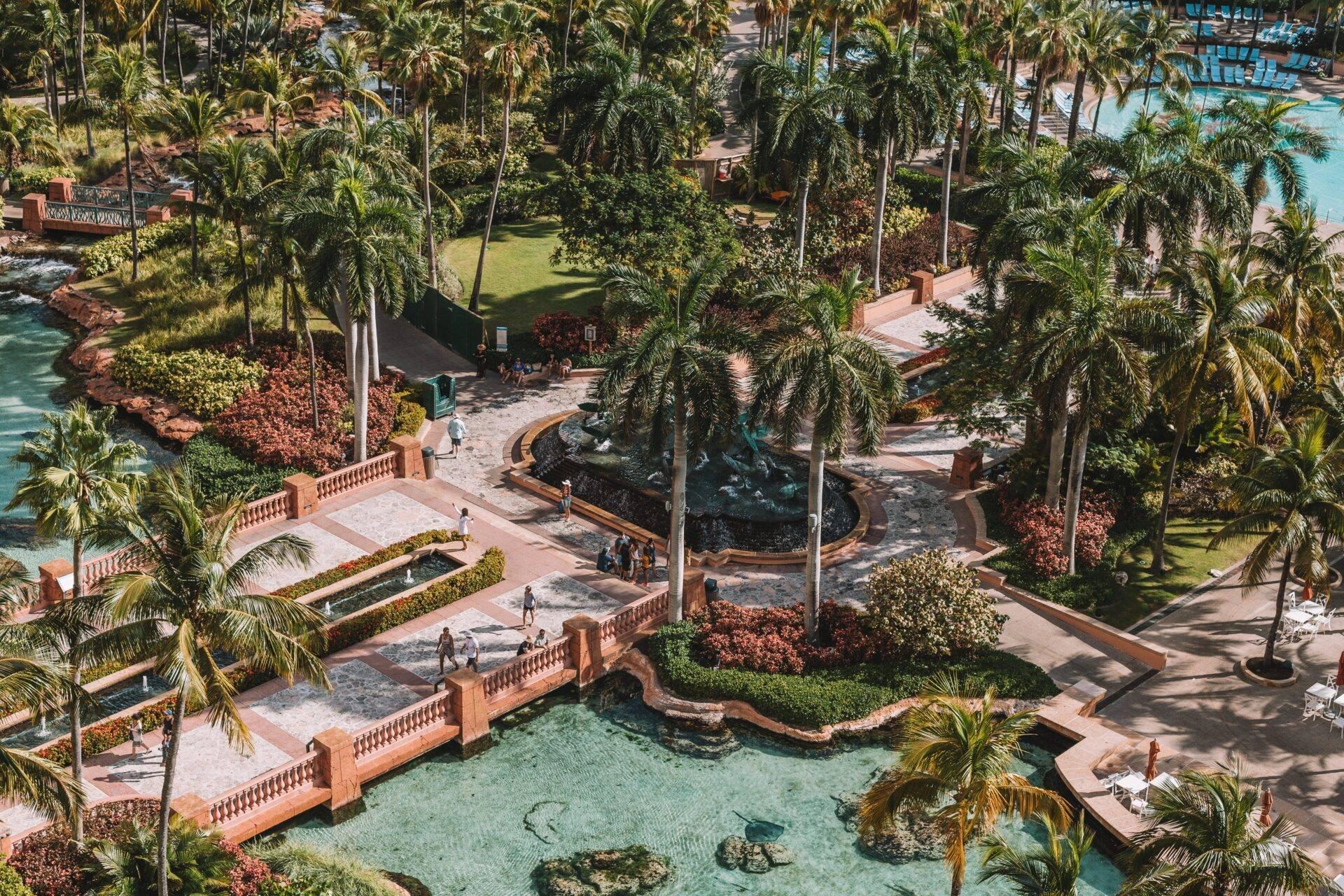
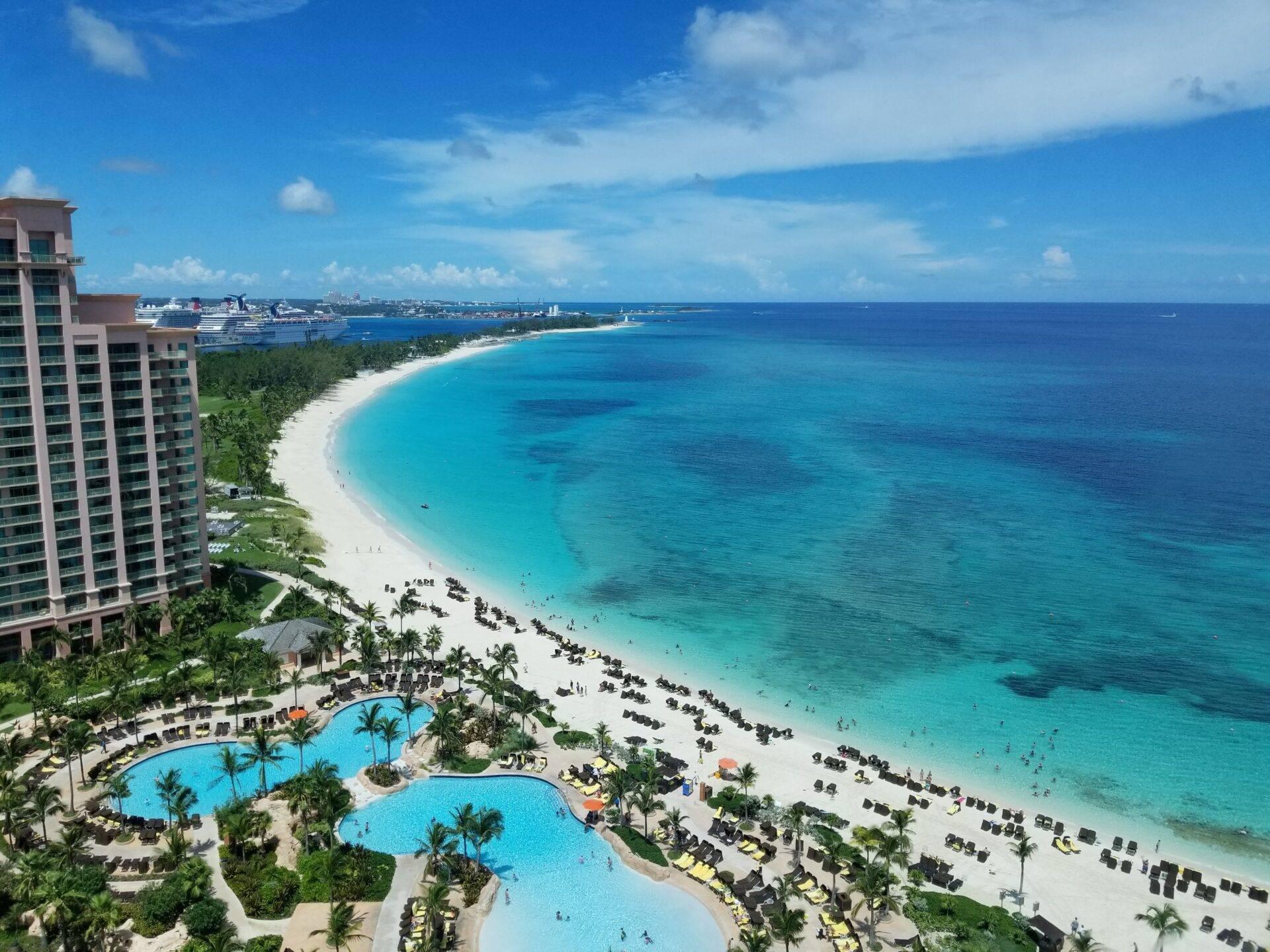
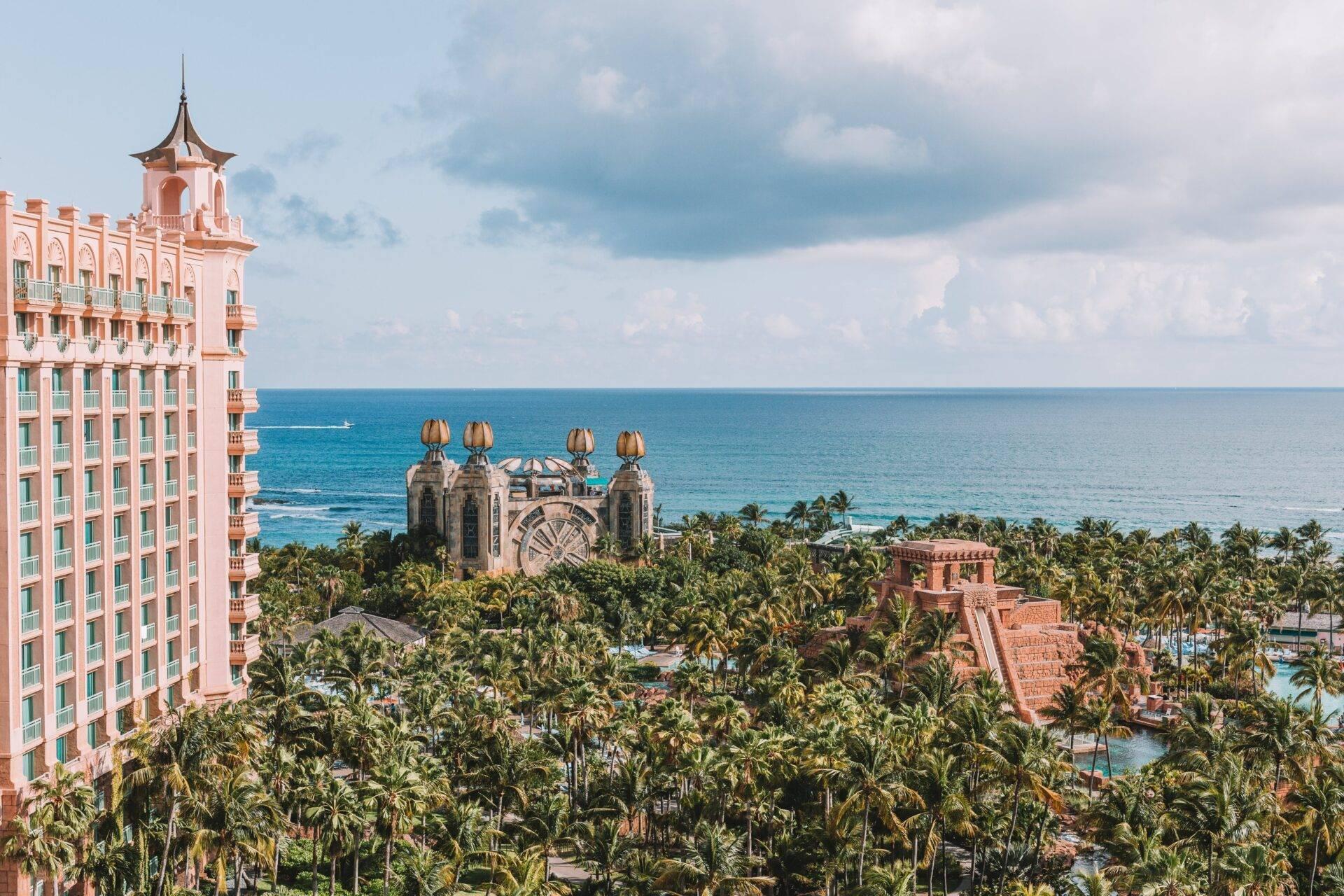
Connected to Nassau via the Paradise Island Bridge, Atlantis Paradise Island is a sprawling resort complex featuring a water park (slides, a lazy river, wave pools), a giant public aquarium and a dolphin lagoon. Day access to the AquaVenture Water Park is available without an overnight stay.
Junkanoo: the festive soul of the Bahamas
4. Getting swept up in Junkanoo
Every 26 December and 1 January, Bay Street in Nassau transforms into a giant parade from 2 a.m. onwards: multicoloured feathered costumes, drums and horns create a celebration unlike anything else. Born from the African traditions of enslaved people brought to the Bahamas by Loyalist settlers in the late 18th century, Junkanoo is the archipelago’s most spectacular cultural event.
The Exumas: the wild heart of the archipelago
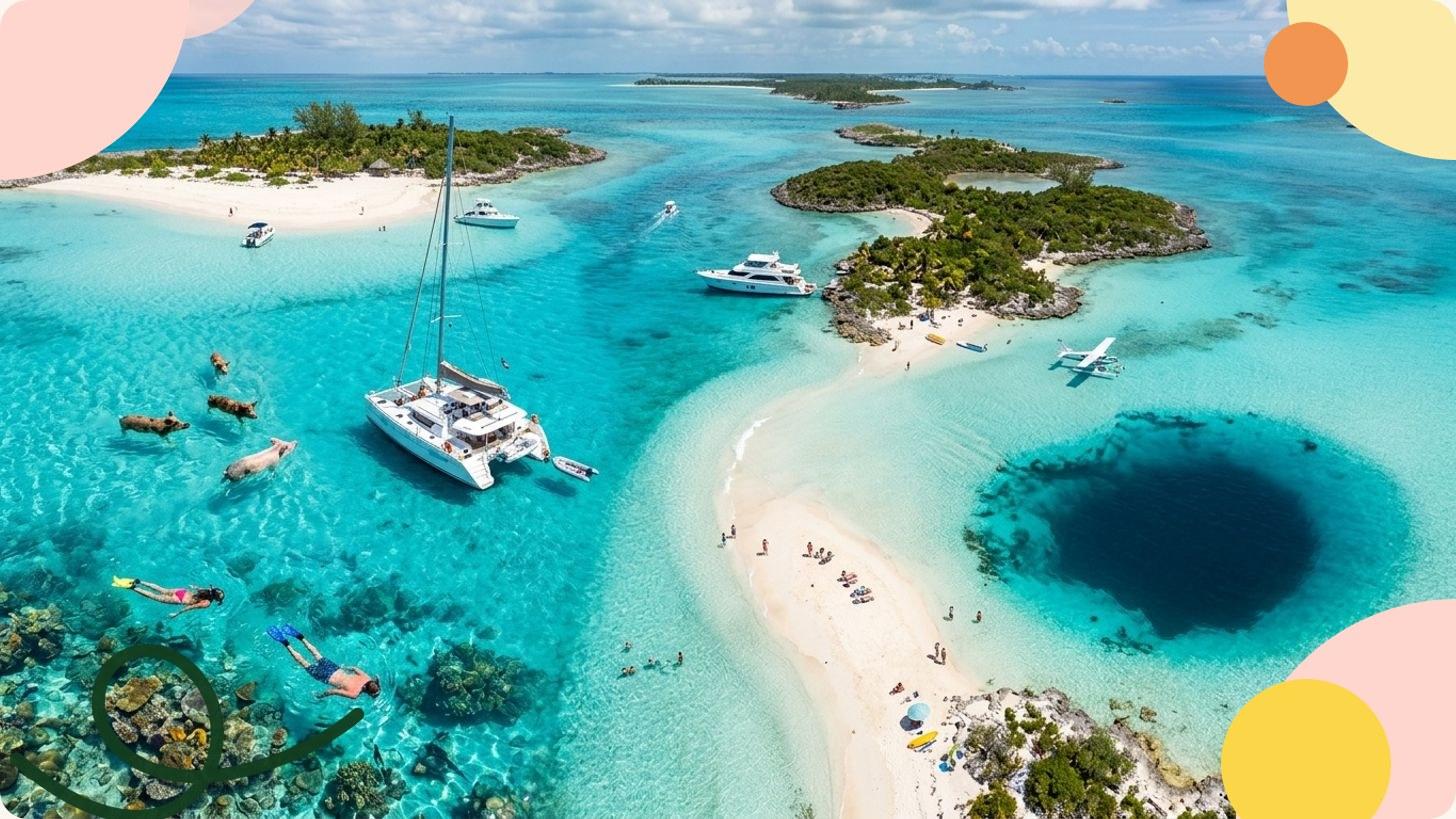
The Exumas archipelago contains 365 islands and cays, most of them uninhabited. This is where the most photographed natural scenes in the Bahamas are found.
5. Swimming with the pigs of Pig Beach (Big Major Cay)
Big Major Cay, nicknamed Pig Beach, is an isolated Exumas island whose free-roaming pigs have been swimming out to meet boats since the 1990s. Half-day excursions leave regularly from Nassau or George Town. Going early in the morning is advisable to avoid the crowds that build up later in the day.
6. Diving into Thunderball Grotto
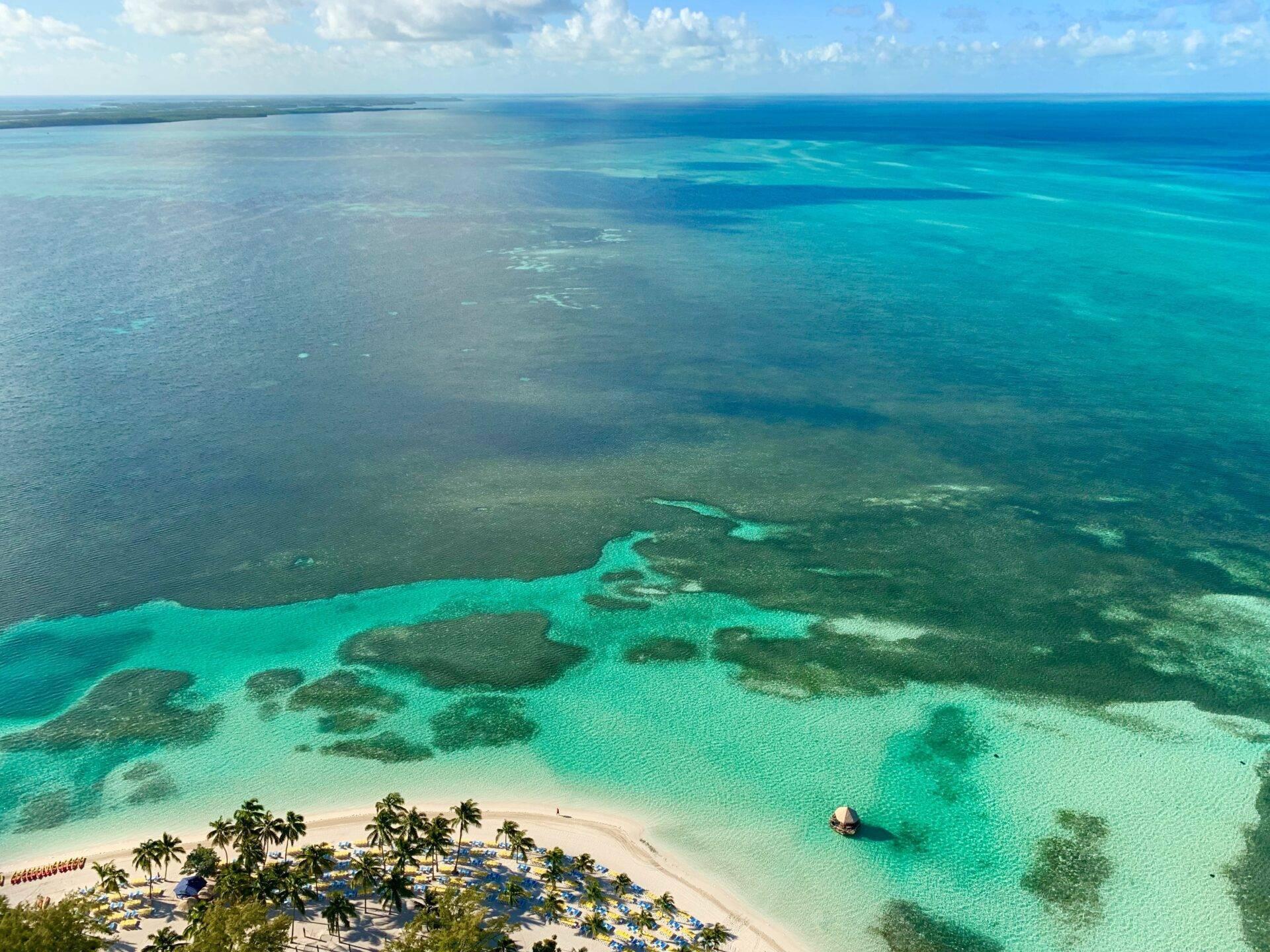
Two minutes by boat from Staniel Cay, Thunderball Grotto is an underwater cave accessible through openings at the waterline. At low tide, light filters through the rocky ceiling to illuminate shoals of tropical fish. It takes its name from the James Bond films shot here. It can be snorkelled easily at low tide; at high tide, scuba gear is required.
7. Getting up close to nurse sharks at Compass Cay
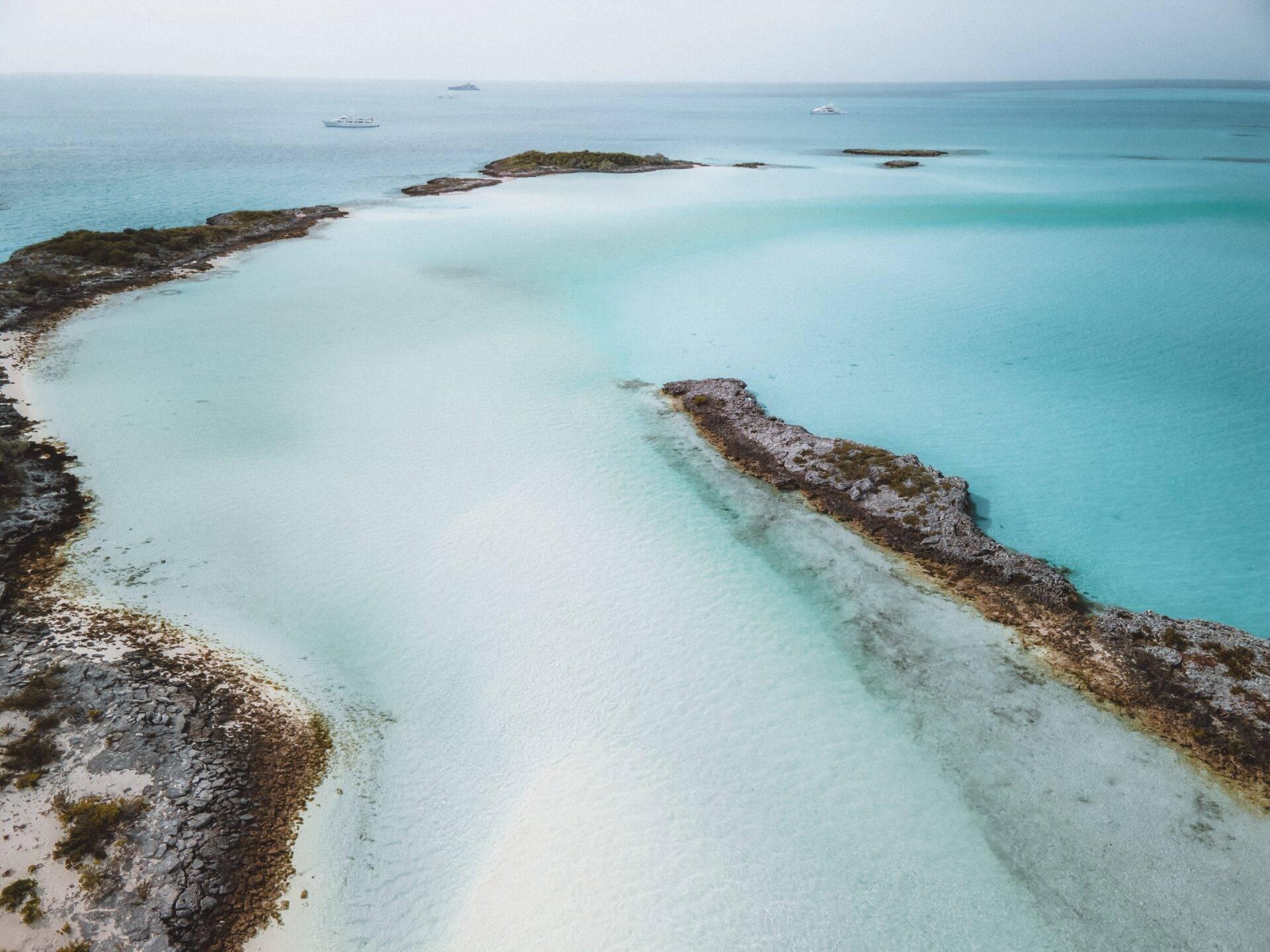
At Compass Cay Marina, nurse sharks move freely around the dock in shallow, clear water. These bottom-dwelling sharks, harmless to humans, allow visitors to approach very closely. Most Exumas boat excursions stop here.
8. Exploring the Exuma Cays Land and Sea Park
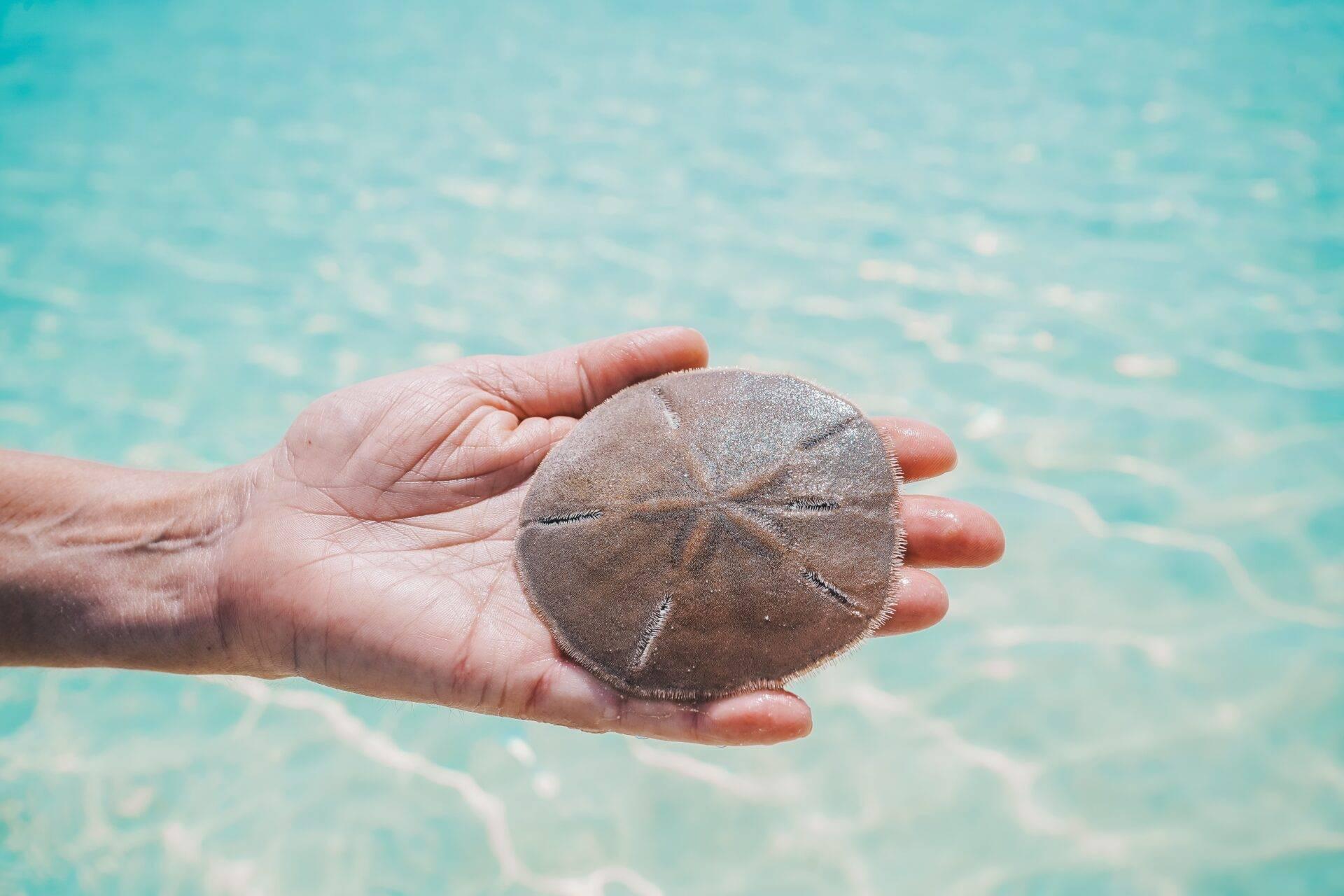
This marine reserve protects nearly 130,000 acres of water, uninhabited cays and pristine coral reefs. No fishing is permitted, which explains the exceptional density of marine life: sea turtles, giant grouper, rays and healthy corals. Sailing by yacht or catamaran remains the best way to explore it.
9. Tropic of Cancer Beach on Little Exuma
This crescent of white sand lies along the Tropic of Cancer line and offers shallow, crystal-clear water with few crowds. Accessible by car or taxi from George Town on Little Exuma.
Harbour Island and Eleuthera
10. Walking on the pink sands of Harbour Island
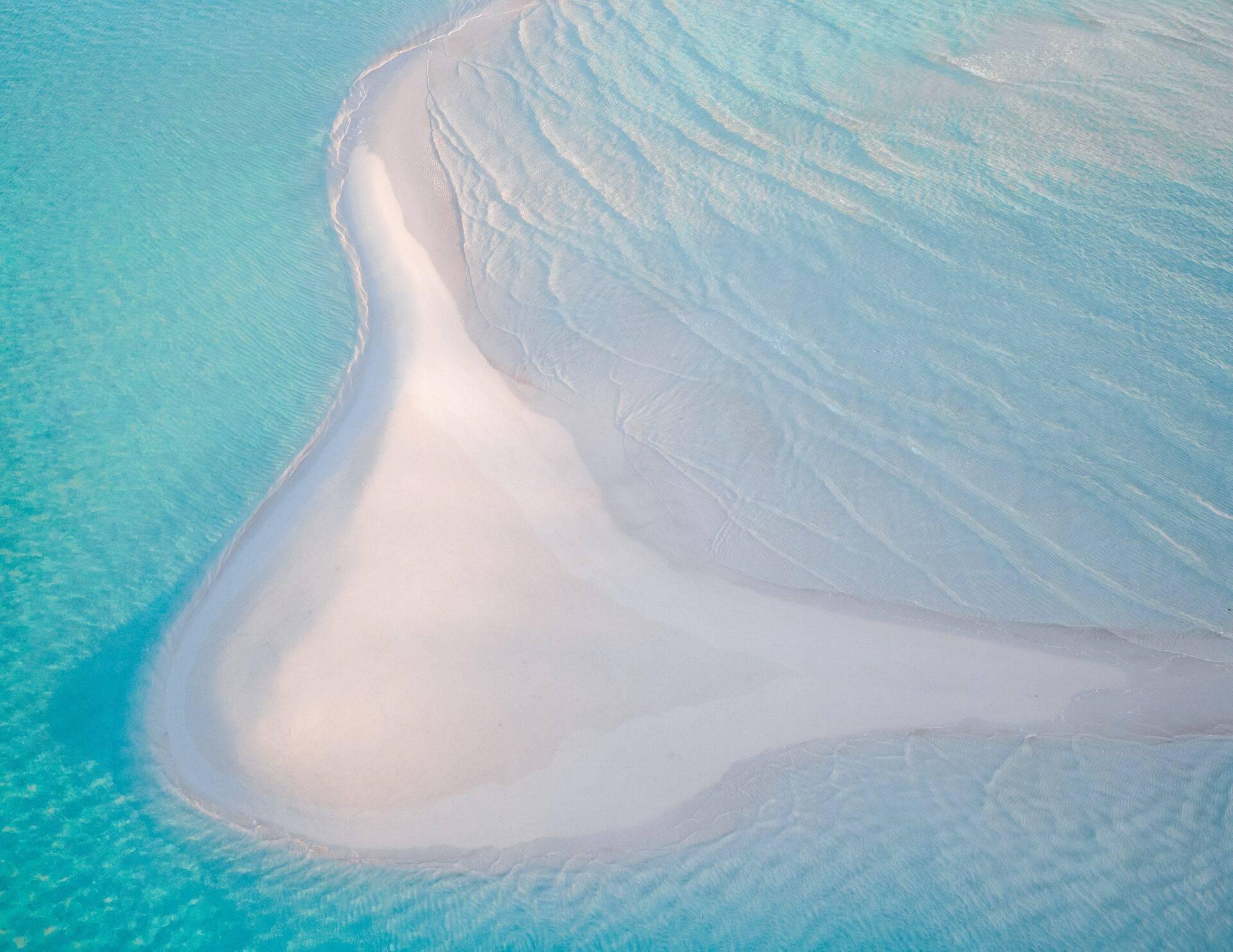
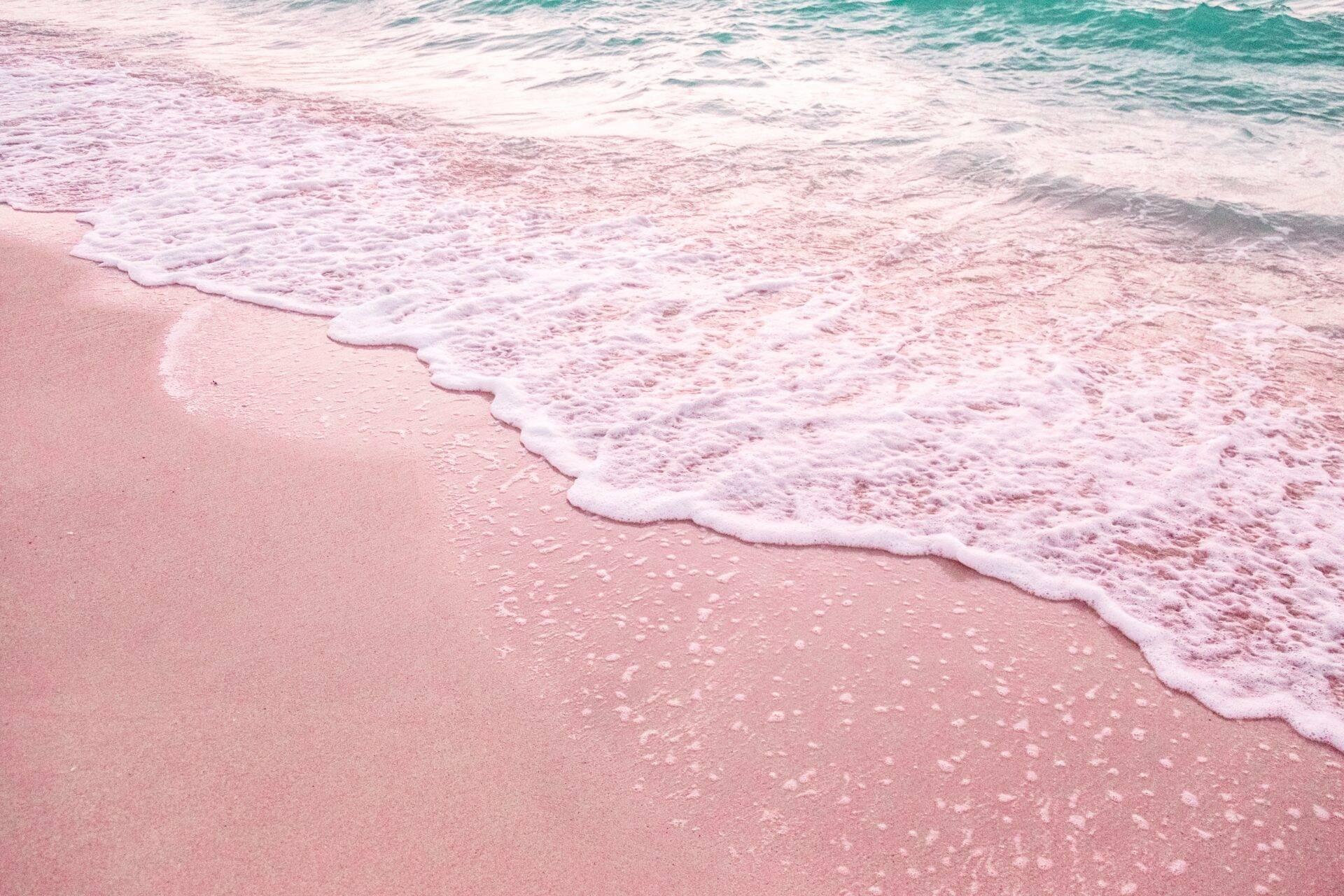
Pink Sands Beach owes its blush hue to fragments of foraminifera, tiny marine organisms with red shells, mixed into the white coral sand. The effect is most striking in low-angle light, early in the morning or in the late afternoon before sunset.
11. Exploring Dunmore Town by golf cart
Harbour Island has banned motor vehicles. In the lanes of Dunmore Town, you get around on foot or by golf cart, weaving between 18th-century colonial houses with colourful shutters, fresh fish restaurants and small craft shops. It is one of the most charming villages in the Caribbean.
12. The Glass Window Bridge on Eleuthera
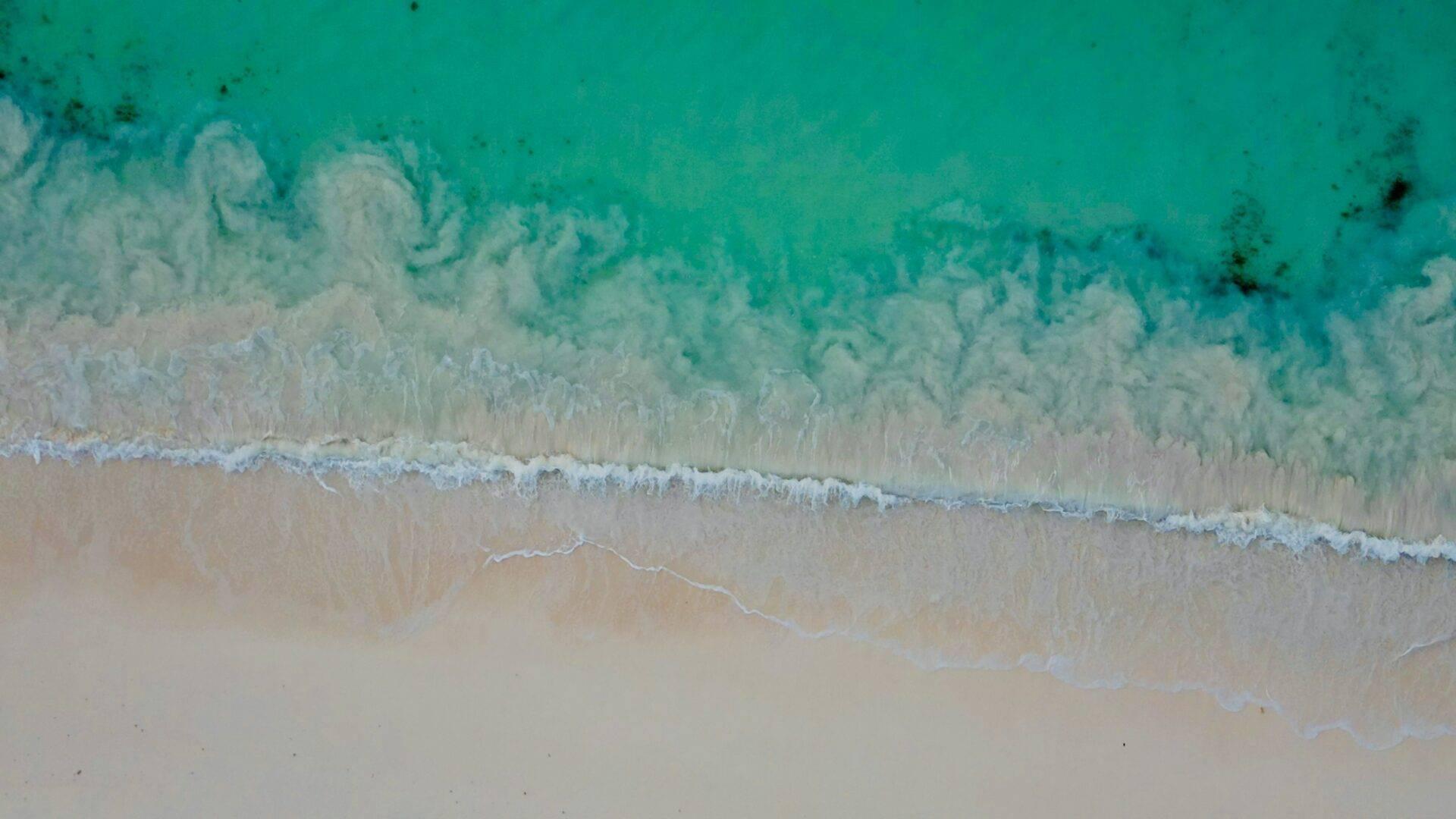
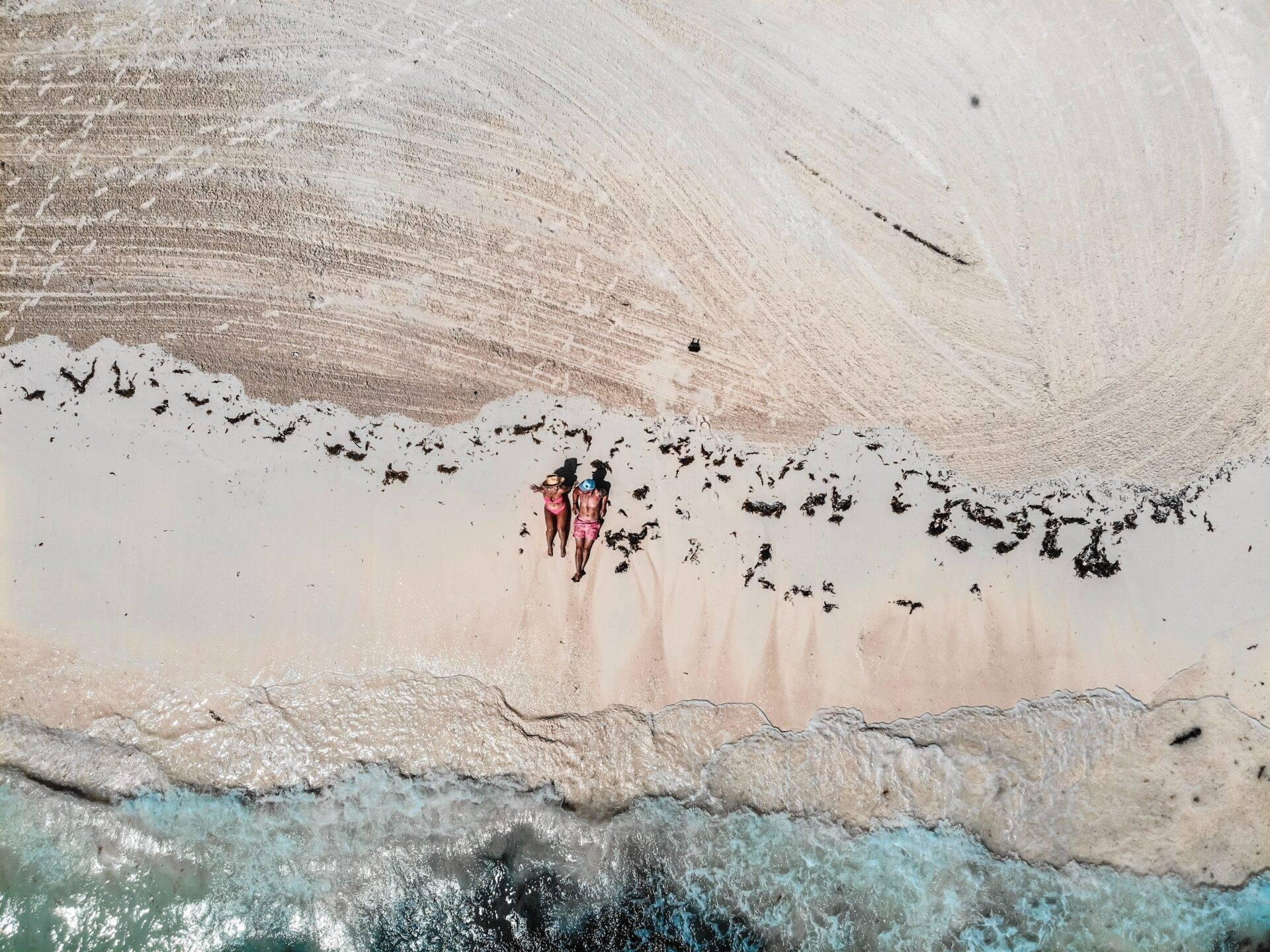
On the island of Eleuthera, the Glass Window Bridge is a rocky isthmus just a few metres wide that separates the dark, rough Atlantic from the calm, turquoise waters of the Sound. It is one of the only places in the world where two bodies of water of dramatically different colours meet within just a few steps of each other.
Grand Bahama
13. Gold Rock Beach and Lucayan National Park
Lucayan National Park on Grand Bahama protects one of the largest known underwater freshwater cave systems in the world. Gold Rock Beach, within the park, stretches for kilometres of white sand edged by translucent water and remains free of excessive crowds.
14. Diving on the reefs and wrecks of Freeport
Freeport’s dive centres offer trips suited to all levels: shallow coral reefs for beginners, black coral gardens and historic wrecks. It is one of the most accessible entry points for discovering scuba diving in the Bahamas.
Andros: the wilderness of the Bahamas
15. Exploring Andros’s blue holes
Andros is dotted with blue holes, shafts of salt or brackish water connected to networks of underwater caves. These karst formations draw technical divers and marine biologists for their unique fauna and distinctive geological formations. Some sites can be snorkelled from the surface.
16. Following the Andros Barrier Reef
The Andros barrier reef is one of the longest in the Caribbean. It separates the shallow platform waters from the depths of the “Tongue of the Ocean”, a deep underwater trench. Dive sites offer two contrasting environments depending on whether you dive on the reef flat or the deep-water side.
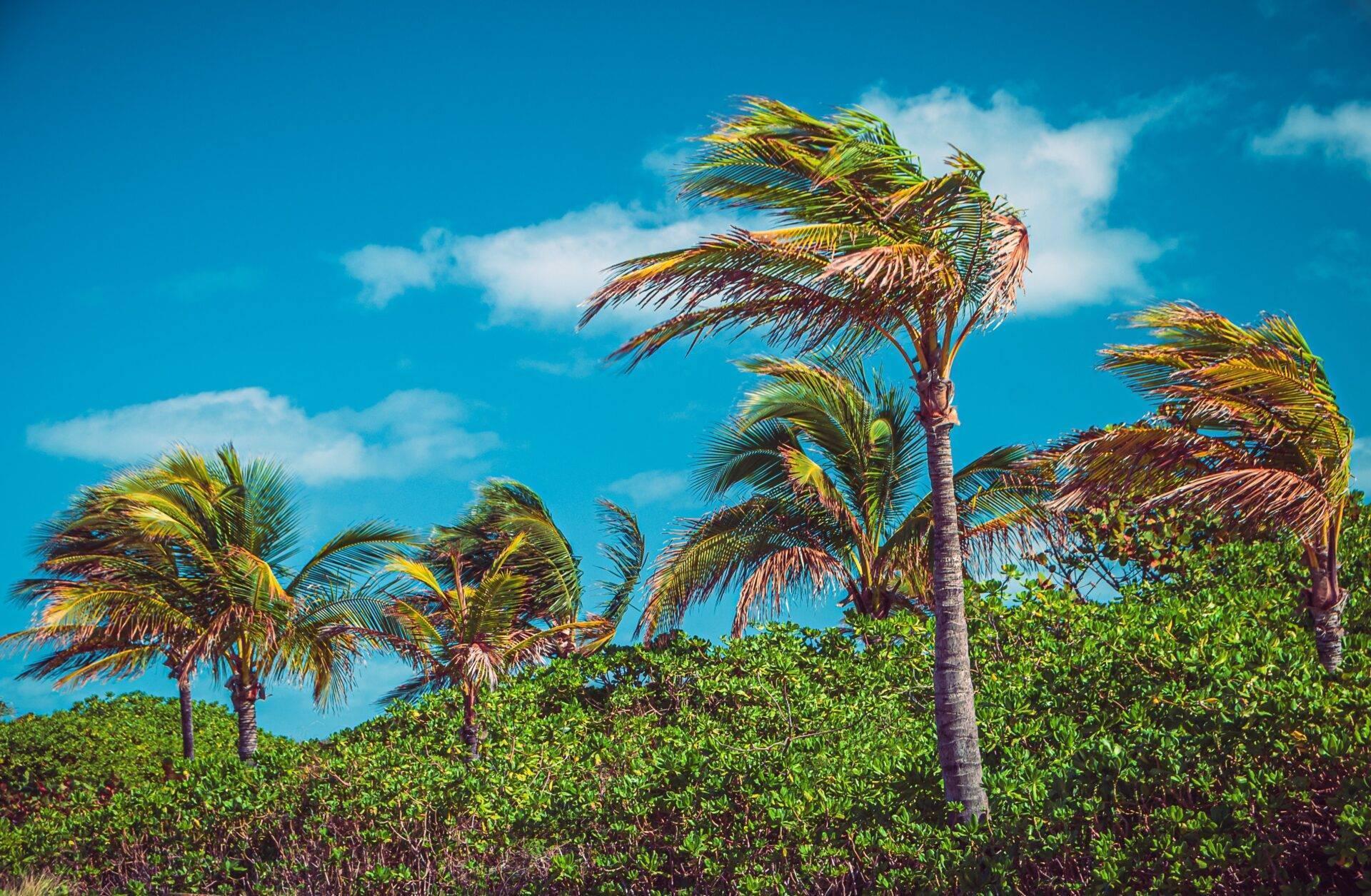
Long Island
17. Dean’s Blue Hole: a global freediving destination
Dean’s Blue Hole on Long Island is the third deepest blue hole in the world at 202 metres. Enclosed on three sides by natural rock cliffs and on the fourth by a white sand beach, it hosts the annual “Vertical Blue” world freediving championship. Non-divers can swim in the shallow area beside the beach.
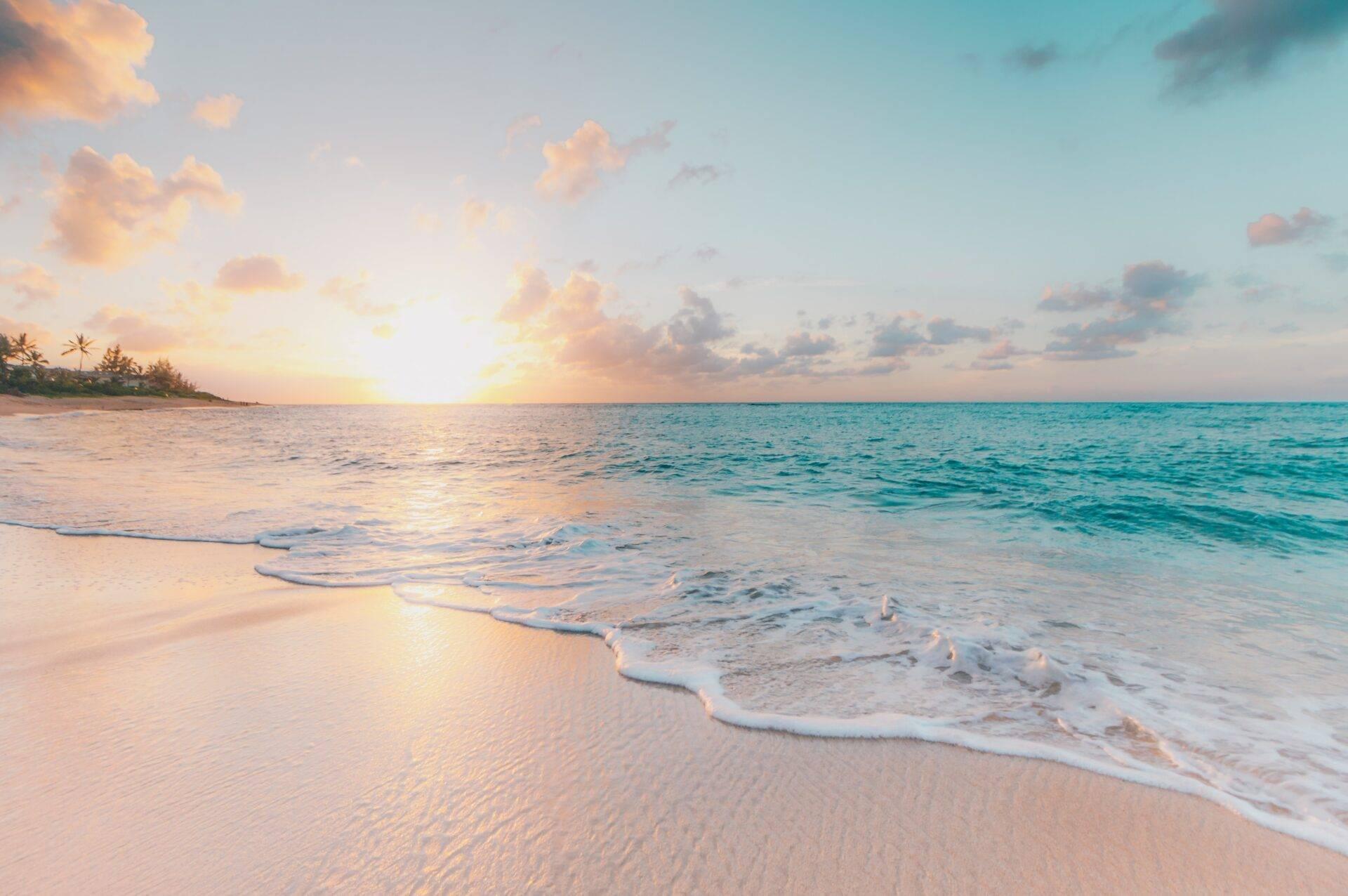
Bimini: a stone’s throw from Miami
18. Diving the Bimini Road
The Bimini archipelago lies around 80 kilometres east of Miami. Its seabed holds the Bimini Road: a formation of aligned limestone blocks that resembles a submerged paved road. Divers and snorkellers share the site with dolphins, reef sharks and turtles.
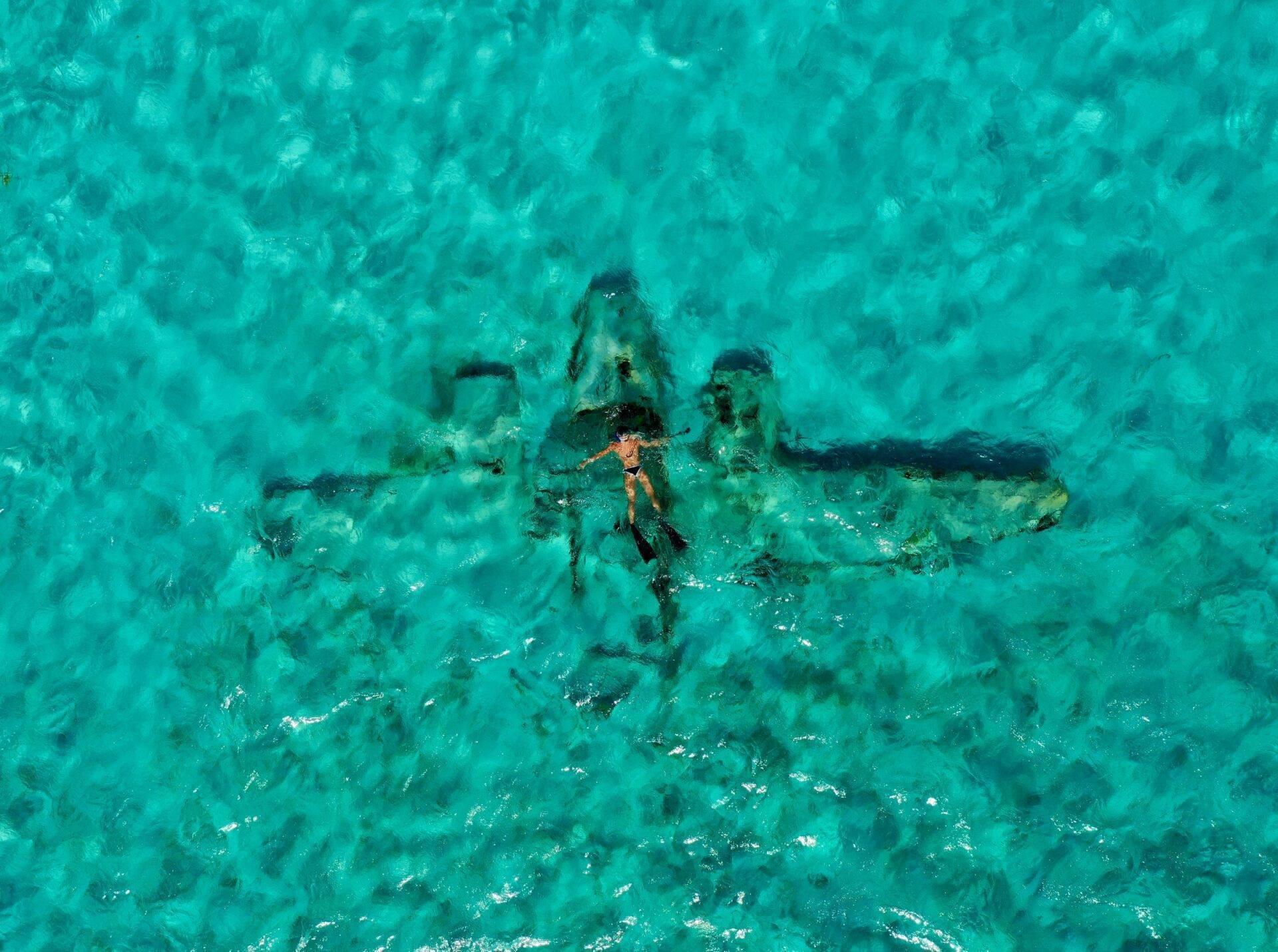
Abaco: a sailing paradise
19. Sailing the Sea of Abaco
The Abaco archipelago is arranged around a sheltered inland sea, the Sea of Abaco. Its calm waters, deserted cays and colourful fishing villages make it the Bahamas’ top sailing destination. Charter boats of all sizes are available from Marsh Harbour or Green Turtle Cay.
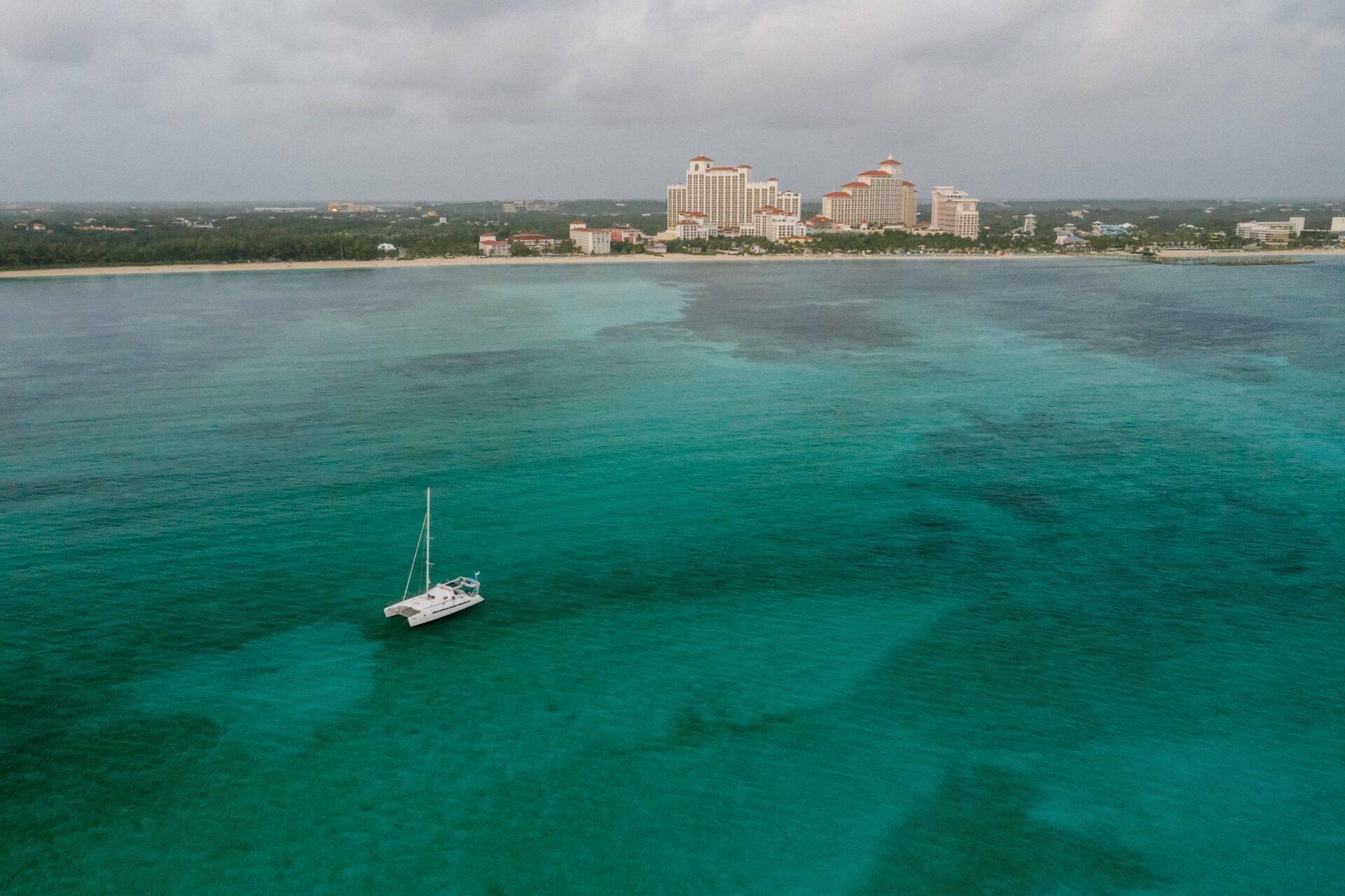
20. The Hope Town Lighthouse on Elbow Cay
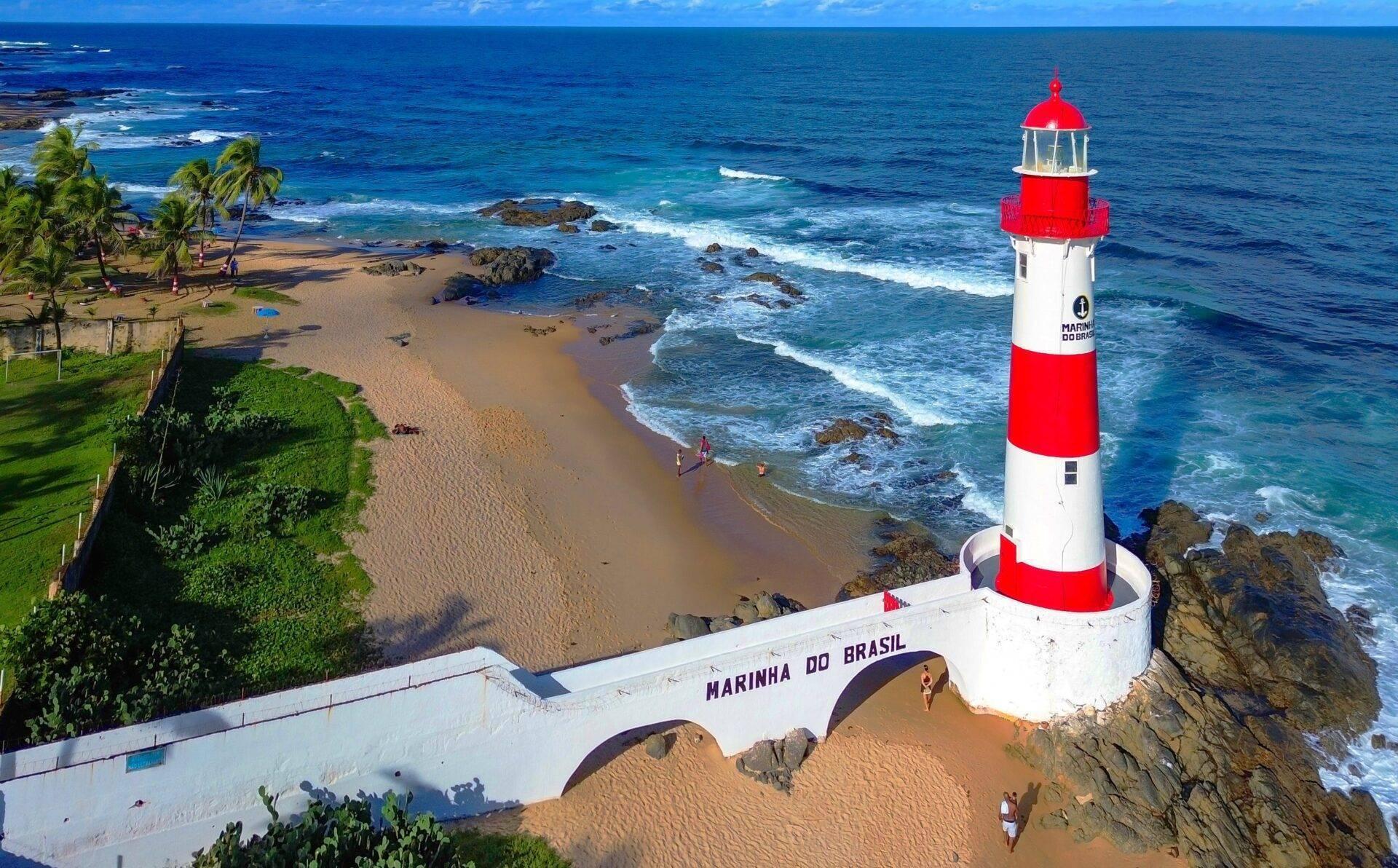
On Elbow Cay, the Hope Town Lighthouse is one of the last hand-wound kerosene lighthouses still in operation in the Bahamas. Its red and white stripes make it one of the visual emblems of Abaco. The car-free village surrounding it, with its pastel colonial houses and white sand beach, is one of the finest escapes in the archipelago.
Planning your Bahamas trip
The activities on offer in the Bahamas range from kayaking and technical diving to sailing and speedboat excursions between cays. Before you go, visit the Bahamas travel insurance page for entry requirements and recommended cover for this archipelago.
If the Caribbean inspires you beyond the Bahamas, our selection of the 7 islands you absolutely must visit in the Caribbean will help you compare destinations across the region.
FAQ
What is the best time to visit the Bahamas?
December to April. This dry season brings pleasant temperatures, little rainfall and no cyclone risk. Hurricane season runs from June to November, peaking in August and September.
Which islands are unmissable in the Bahamas?
Nassau and Paradise Island for city life and activities, the Exumas for wild landscapes and swimming pigs, Harbour Island for its pink sands, Andros for diving and blue holes, and Abaco for sailing. Each island has its own identity.
How long should I allow for a trip to the Bahamas?
One week is enough for Nassau and one or two nearby islands such as the Exumas or Harbour Island. Two weeks allow you to explore several archipelagos at a relaxed pace, particularly by sailing between Abaco, Eleuthera and the Exumas.
Are the Bahamas suitable for families with children?
Yes. Atlantis Paradise Island is designed with families in mind, with its water park and giant aquarium. Pig Beach in the Exumas is a one-of-a-kind experience for children. The shallow beaches of Little Exuma and Harbour Island are also excellent for family swimming.
Can you visit the Bahamas without taking a boat?
Nassau and Grand Bahama are accessible by plane. To reach the Exumas, Harbour Island or Abaco, a charter flight or fast ferry is needed. Many day trips leave Nassau by air or sea.