
Serbia packs into a single country what other destinations spread across several: cities steeped in two millennia of history, medieval monasteries on the UNESCO World Heritage list, emerald-green gorges and rock formations found nowhere else on the continent. This guide covers the twenty sites and experiences that define a trip to Serbia, from Belgrade to the lakes of the north.
Belgrade, the natural starting point
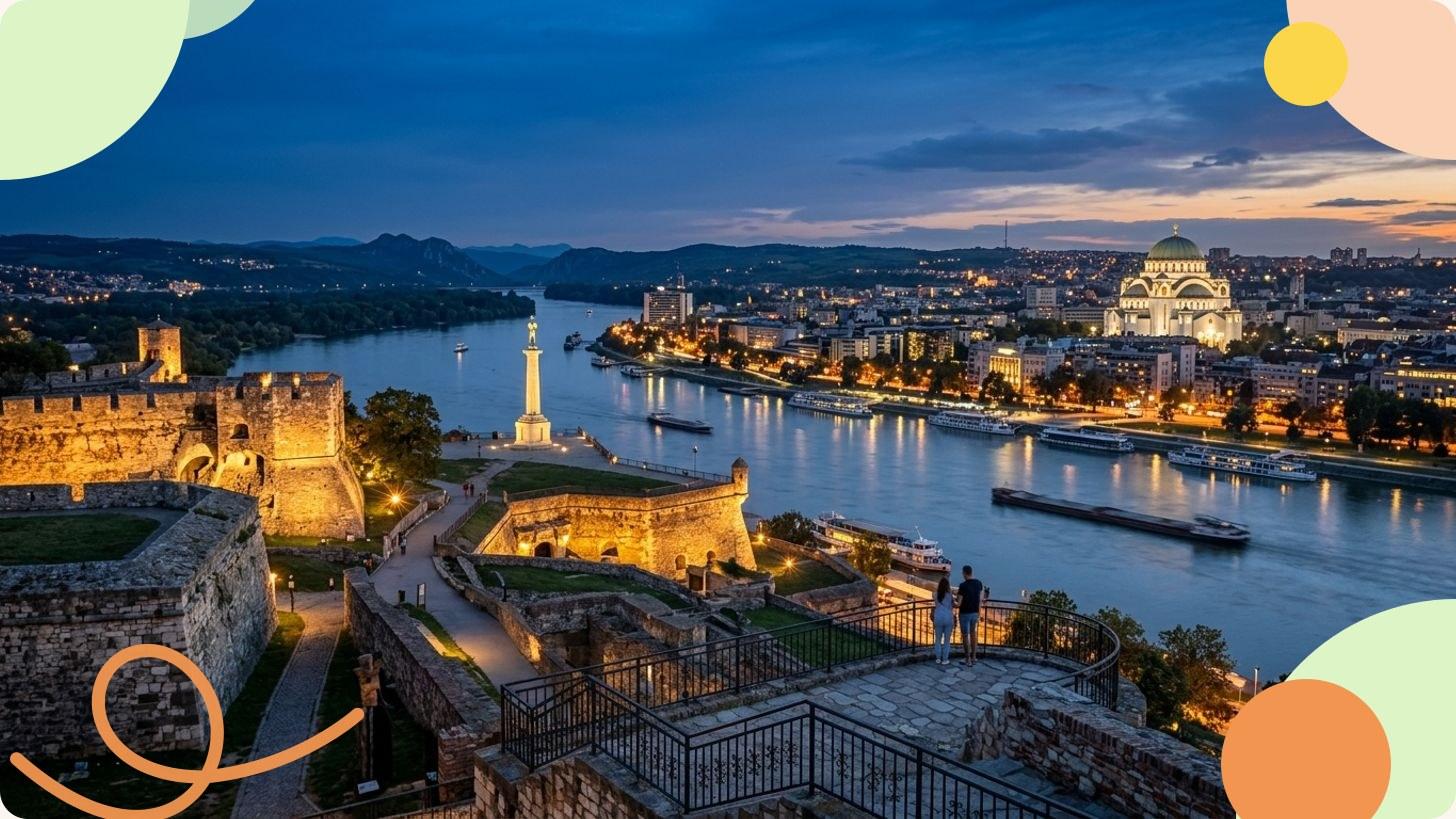
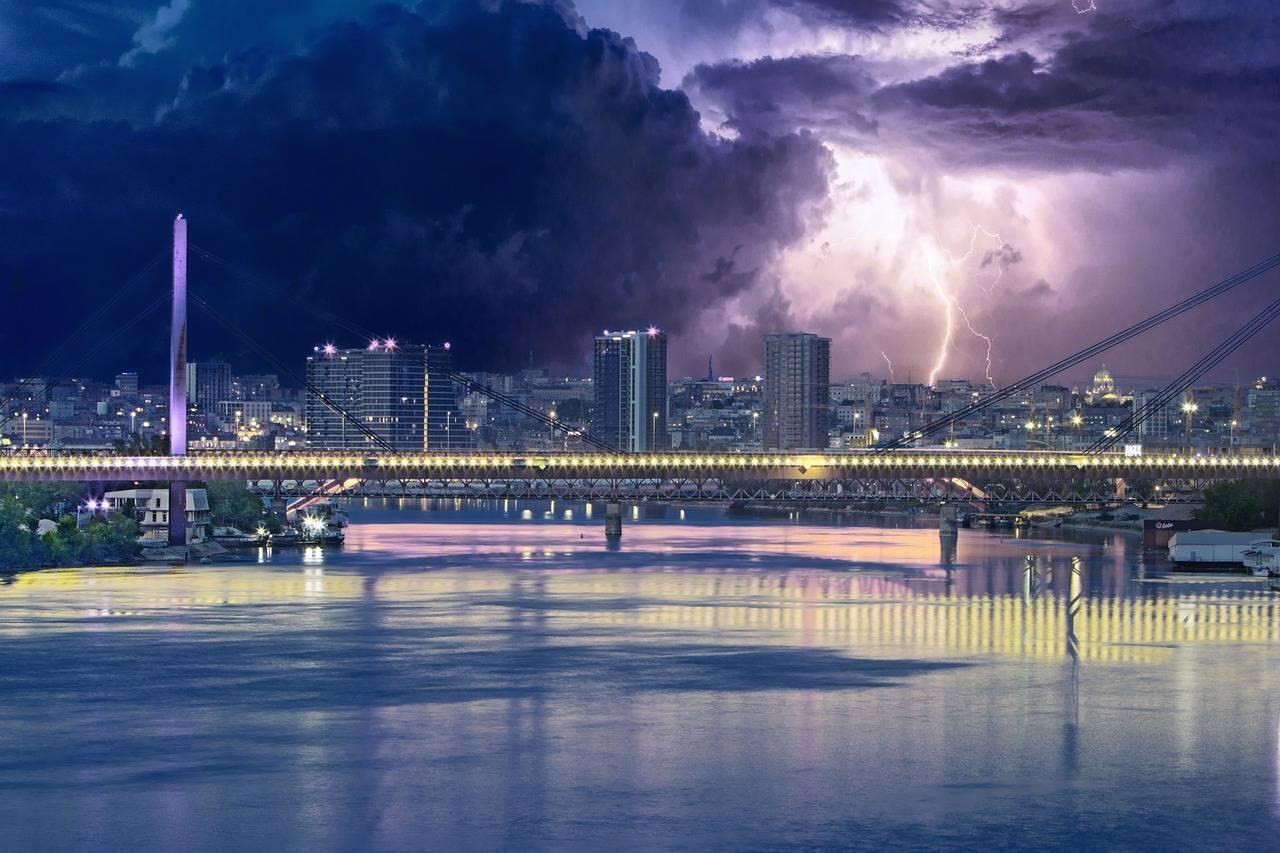
Belgrade grew at the confluence of the Sava and Danube rivers, two waterways that have shaped its history since antiquity. Kalemegdan Fortress crowns the city’s highest promontory and commands sweeping views over both rivers. Below, the pedestrian street Knez Mihailova links the fortress to the city’s commercial heart. The bohemian Skadarlija quarter, with its cobblestones and traditional restaurants known as kafane, was long the haunt of Serbian poets and musicians. Come evening, the splavovi, bars and clubs fitted out on boats moored along the Danube banks, give Belgrade a nightlife scene unlike anything else in the Balkans.
Cities worth visiting beyond Belgrade
Novi Sad and the EXIT festival
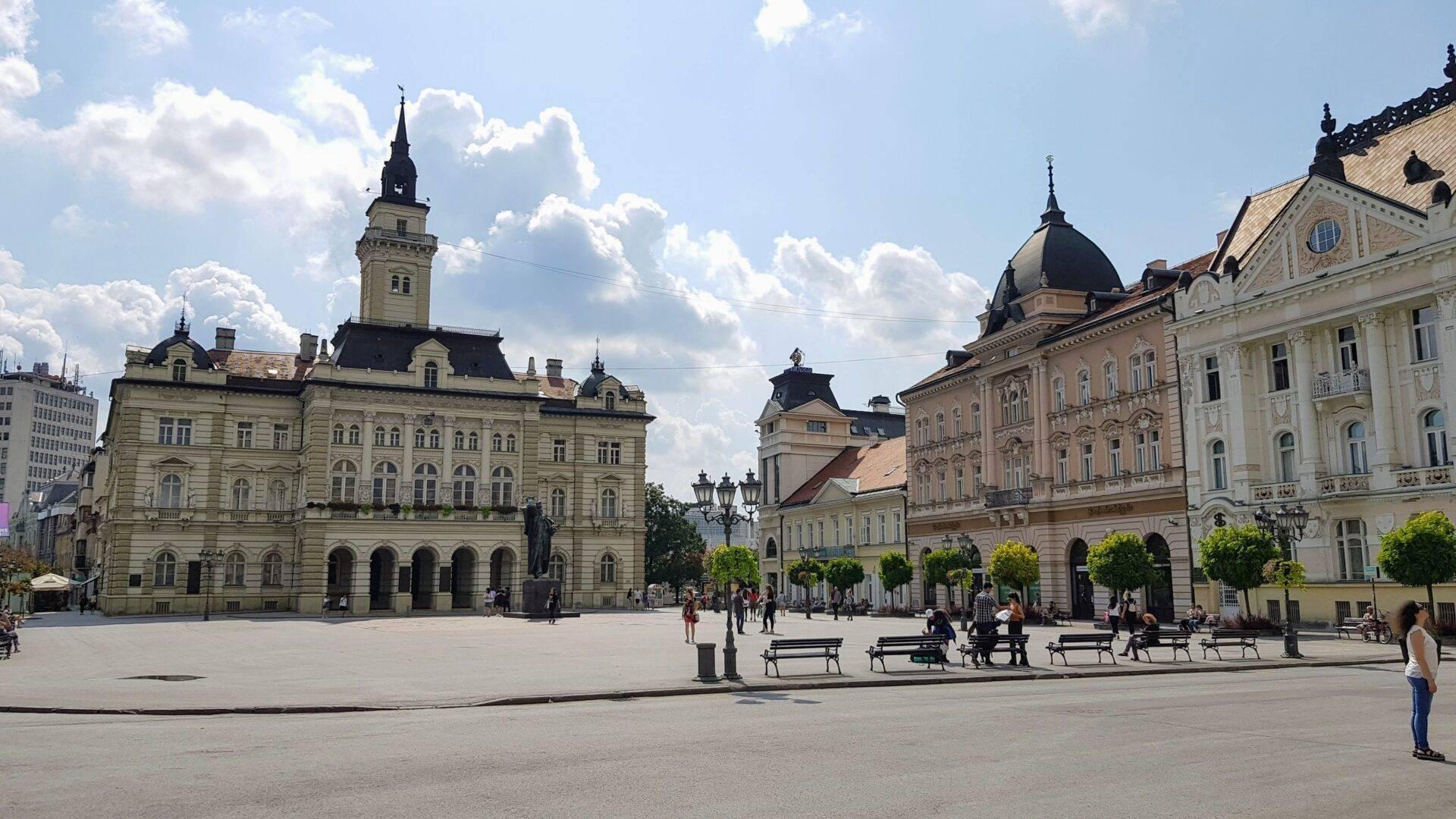
Serbia’s second city, Novi Sad spreads along the Danube opposite Petrovaradin Fortress, built in the eighteenth century on a rocky spur that dominates the city from above. Every July, this fortress hosts the EXIT festival, one of Europe’s biggest music events. Outside festival season, Liberty Square (Trg slobode) and the Zmaj Jovina promenade invite leisurely wandering through streets that blend Austro-Hungarian heritage with Serbian culture.
Niš, birthplace of Constantine the Great
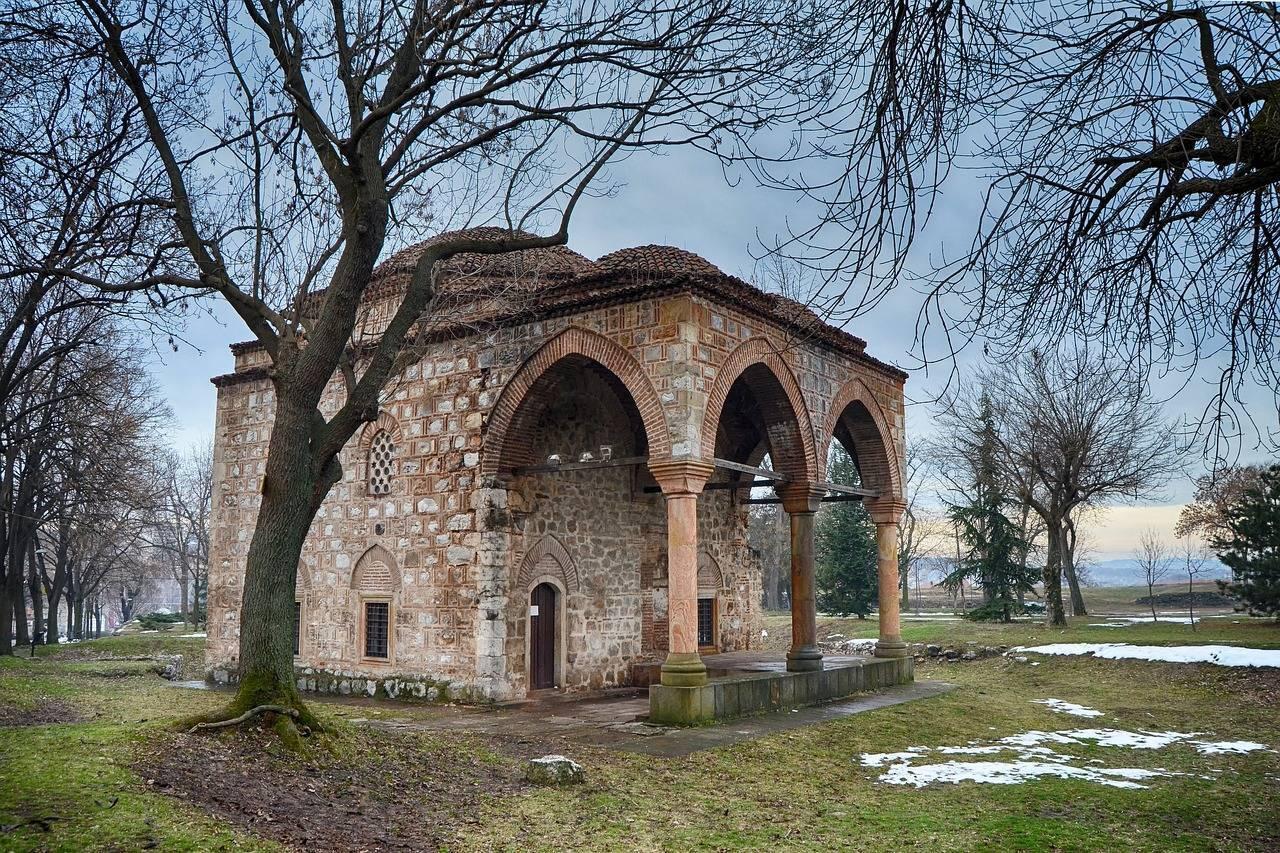
Niš is Serbia’s third city. The Roman Emperor Constantine the Great was born here in 272 AD. An eighteenth-century Ottoman fortress marks the edge of the old town, while the Tower of Skulls (Ćele Kula), erected after the Serbian uprising of 1809, remains one of the country’s most striking monuments. The local markets and busy streets offer an unfiltered glimpse into daily life in southern Serbia.
Subotica, Art Nouveau in the north
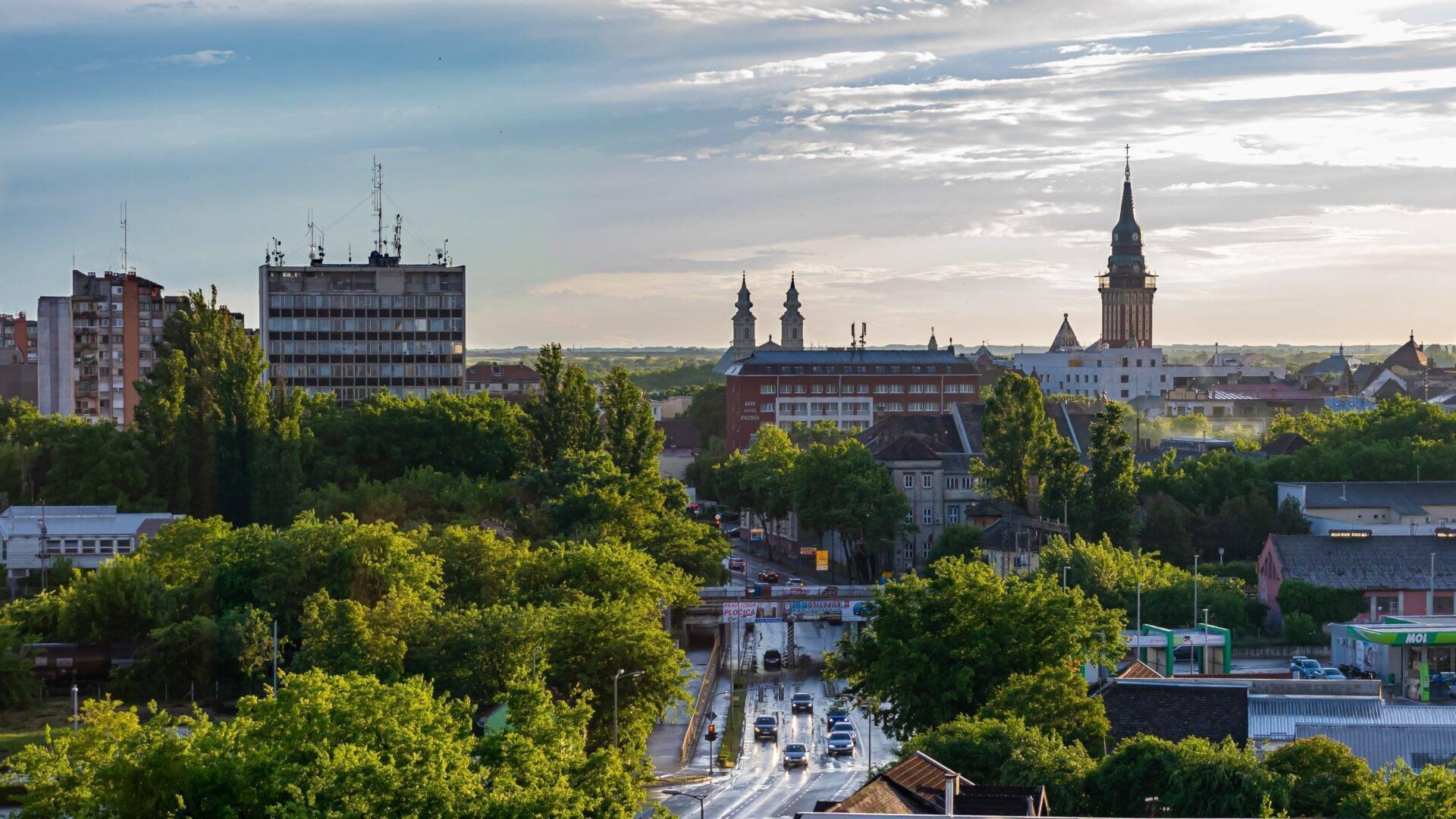
A short distance from the Hungarian border, Subotica preserves an Art Nouveau architectural heritage that is exceptional by Balkan standards. The town hall and the synagogue, both built around the turn of the twentieth century, are its centrepieces. The city regularly hosts cultural festivals that reflect its multilingual Serbian, Hungarian and Croatian heritage.
Kragujevac and the Šumarice memorial
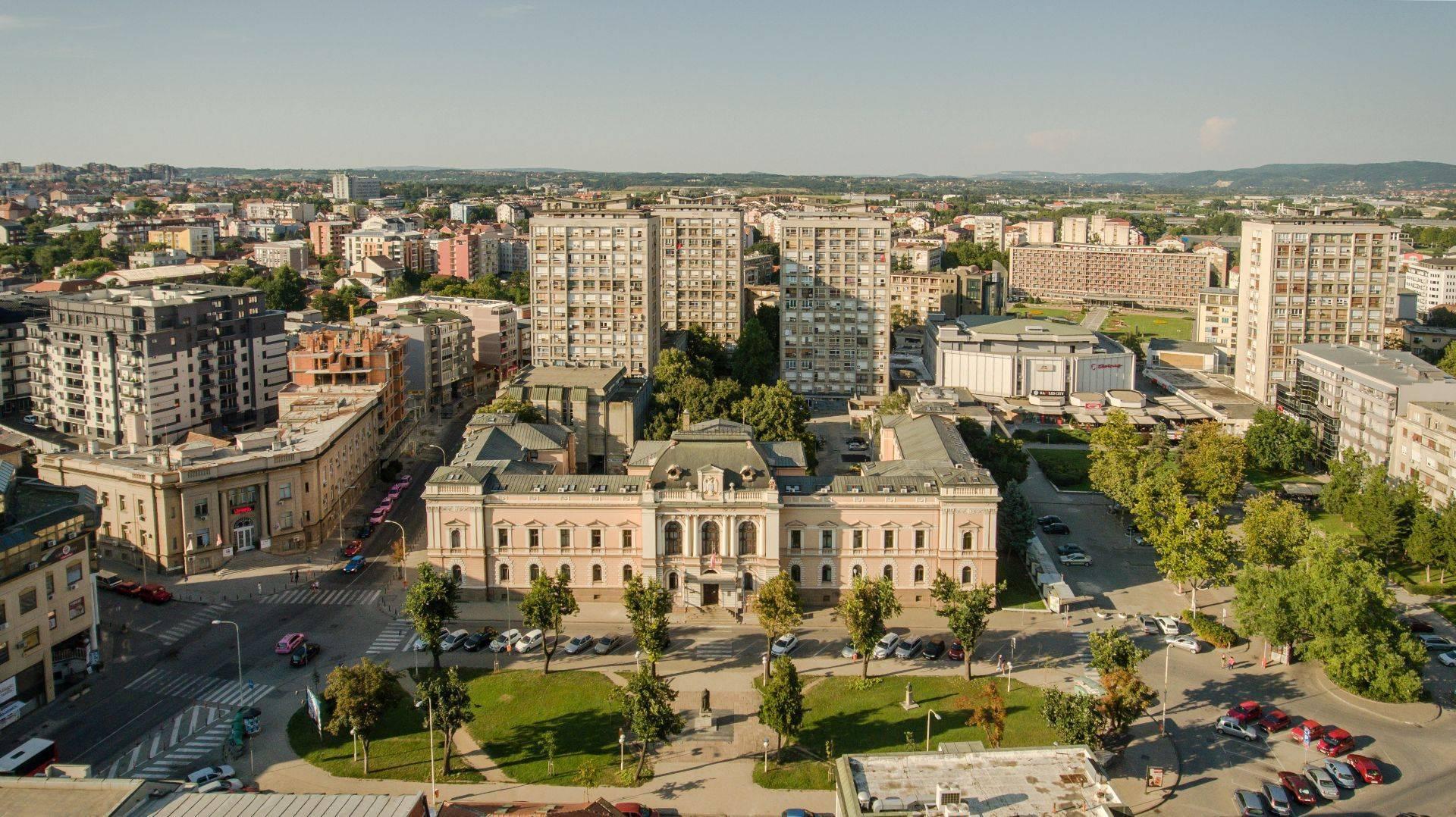
Serbia’s fourth city, Kragujevac carries the memory of the October 1941 massacre, when German occupation forces shot several thousand civilians in Šumarice Park, among them pupils and their teachers. The memorial built on this site is an essential place of reflection for anyone seeking to understand Serbia’s history in the twentieth century.
Nature: mountains, gorges and forests
Zlatibor, mountain of open meadows
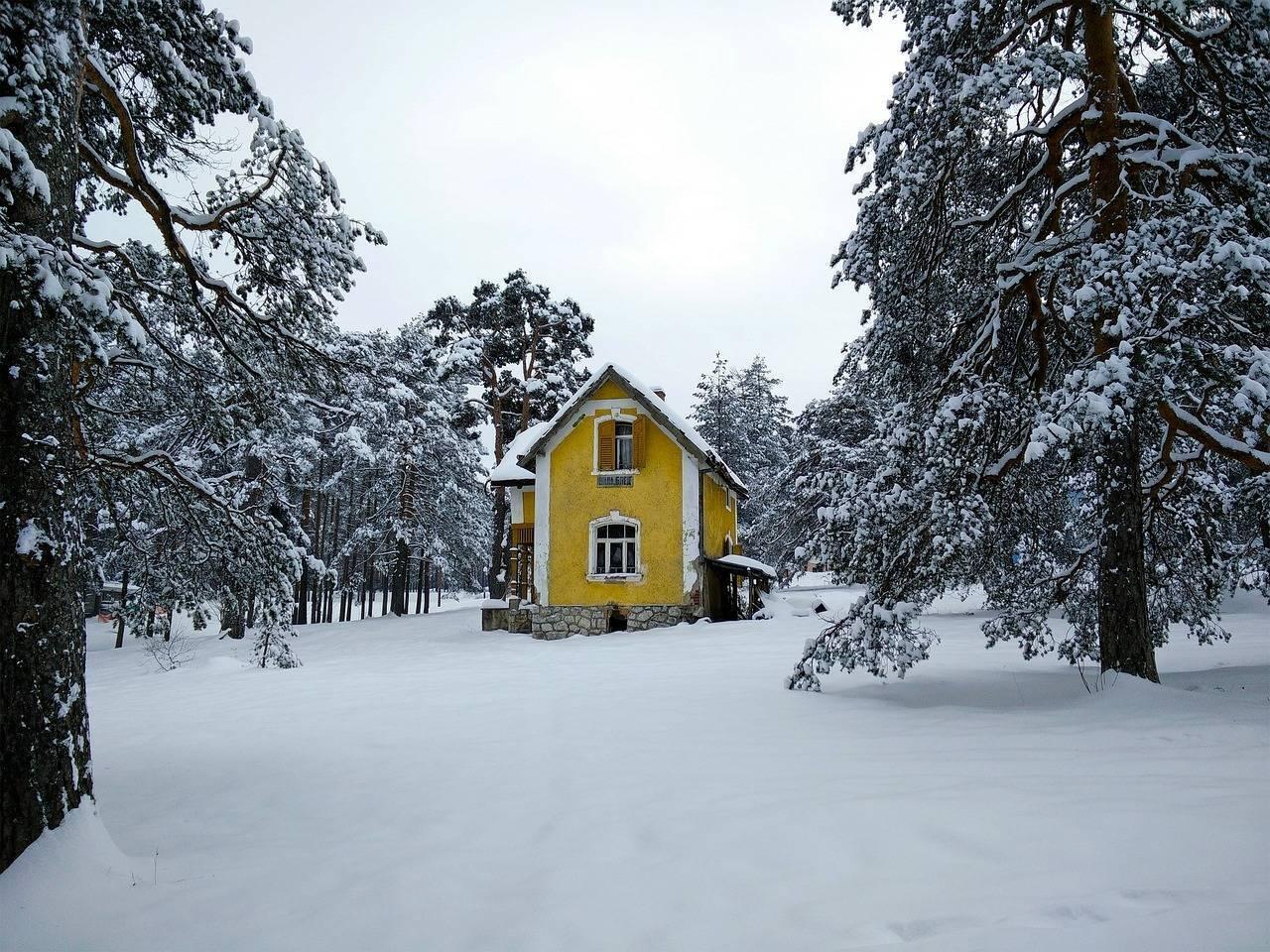
Zlatibor, in western Serbia, is the country’s most popular mountain destination. The fresh mountain air, rolling meadows and traditional wooden villages make it a restorative stop after city sightseeing. The Šargan Eight steam train crosses 22 tunnels and bridges between Mokra Gora and Šargan Vitasi, offering one of the most spectacular rail journeys in the region.
Tara National Park
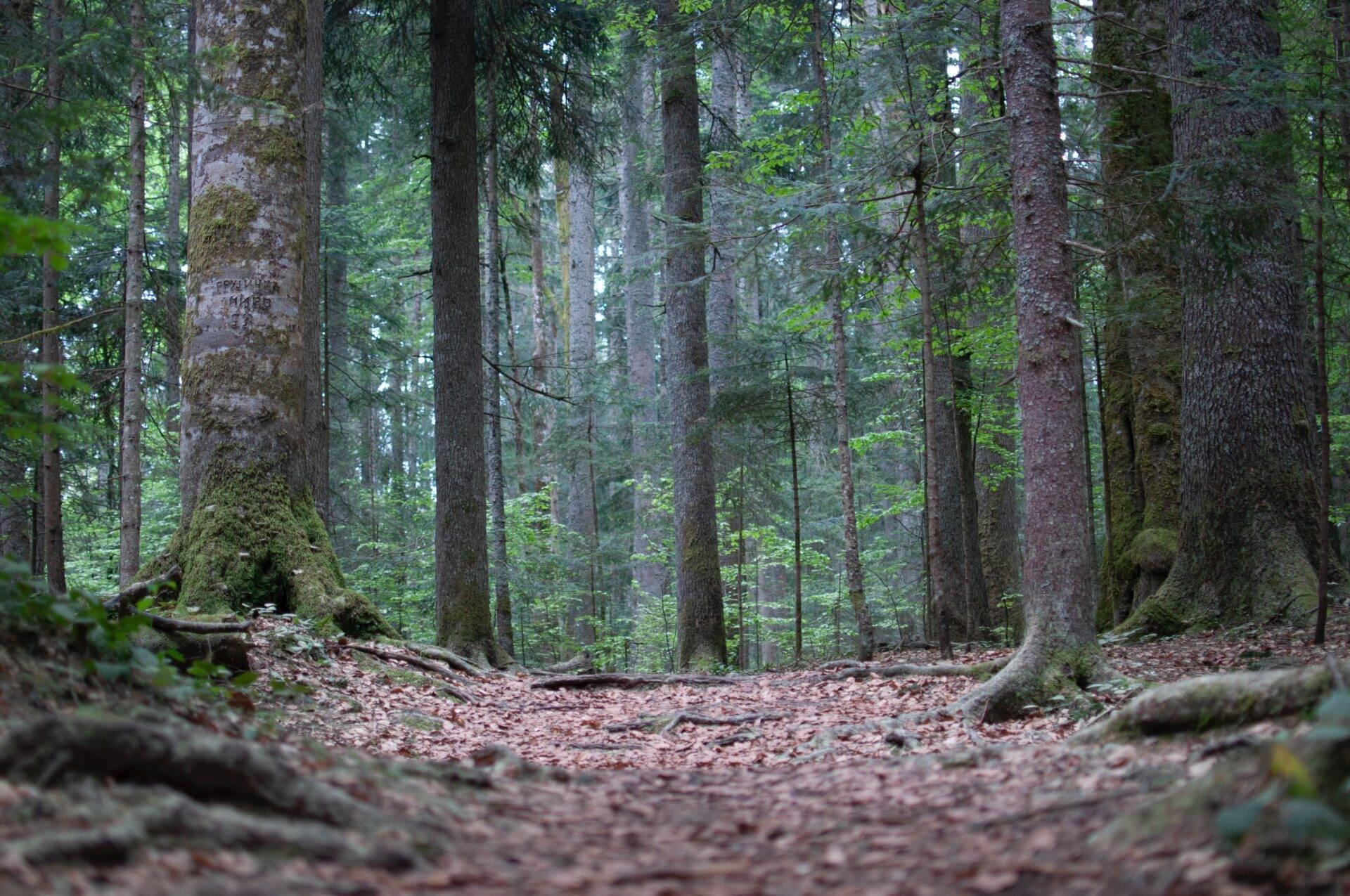
Tara National Park protects one of the best-preserved forests in the Balkans, including the Serbian spruce (Picea omorika), a rare endemic species. On the park’s western edge, the Drina gorges offer a landscape of wooded cliffs and emerald waters, perfect for hiking and rafting. It is also one of the few places in Serbia where the griffon vulture can still be spotted.
The Drina River
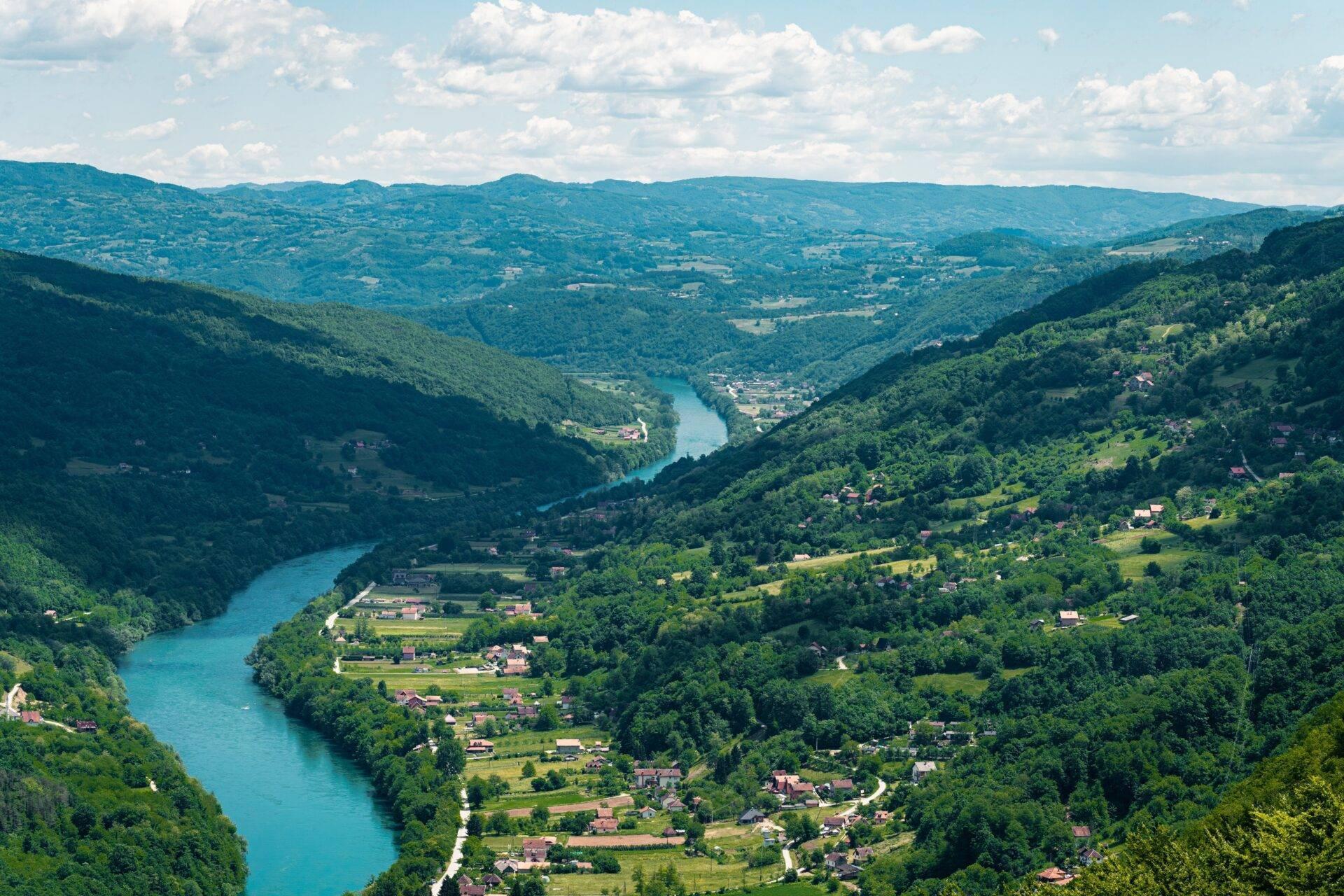
The Drina winds along the border between Serbia and Bosnia-Herzegovina, carving gorges of strikingly intense green water. Its tranquil banks draw kayakers, anglers and wild campers. Further upstream, Perućac Lake, formed by a dam across the Drina, offers a calm, clear stretch of water at the foot of forested mountains.
Fruška Gora, the mountain of sixteen monasteries
Fruška Gora is a range of protected hills at the heart of Vojvodina province and a national park. It is home to sixteen Orthodox monasteries founded between the fifteenth and eighteenth centuries, earning it the nickname of the “Serbian Athos”. The massif is also known for its wine routes (Bermet, Graševina) and walking trails. In the warmer months, the Danube banks that border the park offer beaches and open water for swimming.
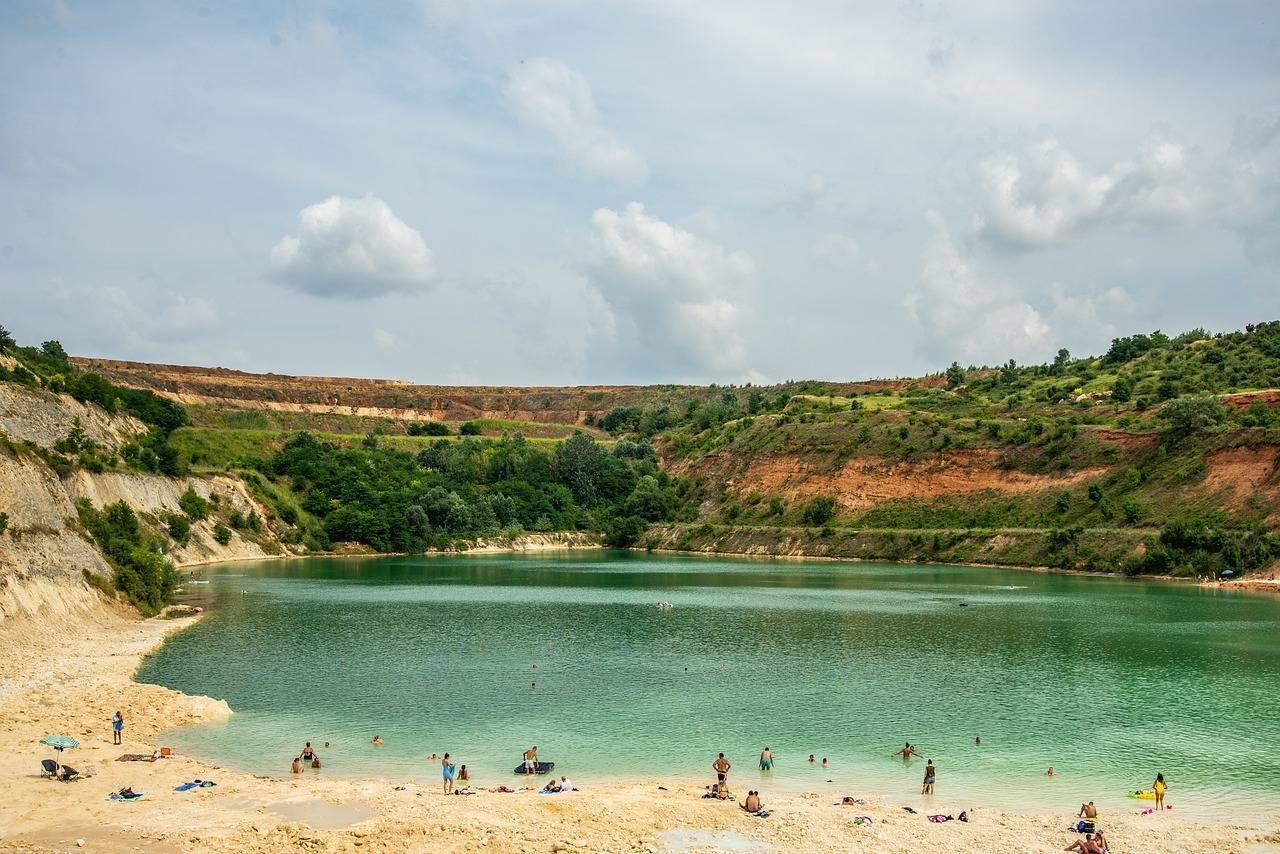
Kopaonik National Park
Kopaonik is Serbia’s largest ski resort, with pistes stretching up to Mount Pančić, the park’s highest point at 2,017 metres. Outside the snow season, the plateau meadows fill with wildflowers and the trails welcome hikers and mountain bikers. The national park also protects several endemic plant species.
Medieval and ancient heritage
Studenica Monastery
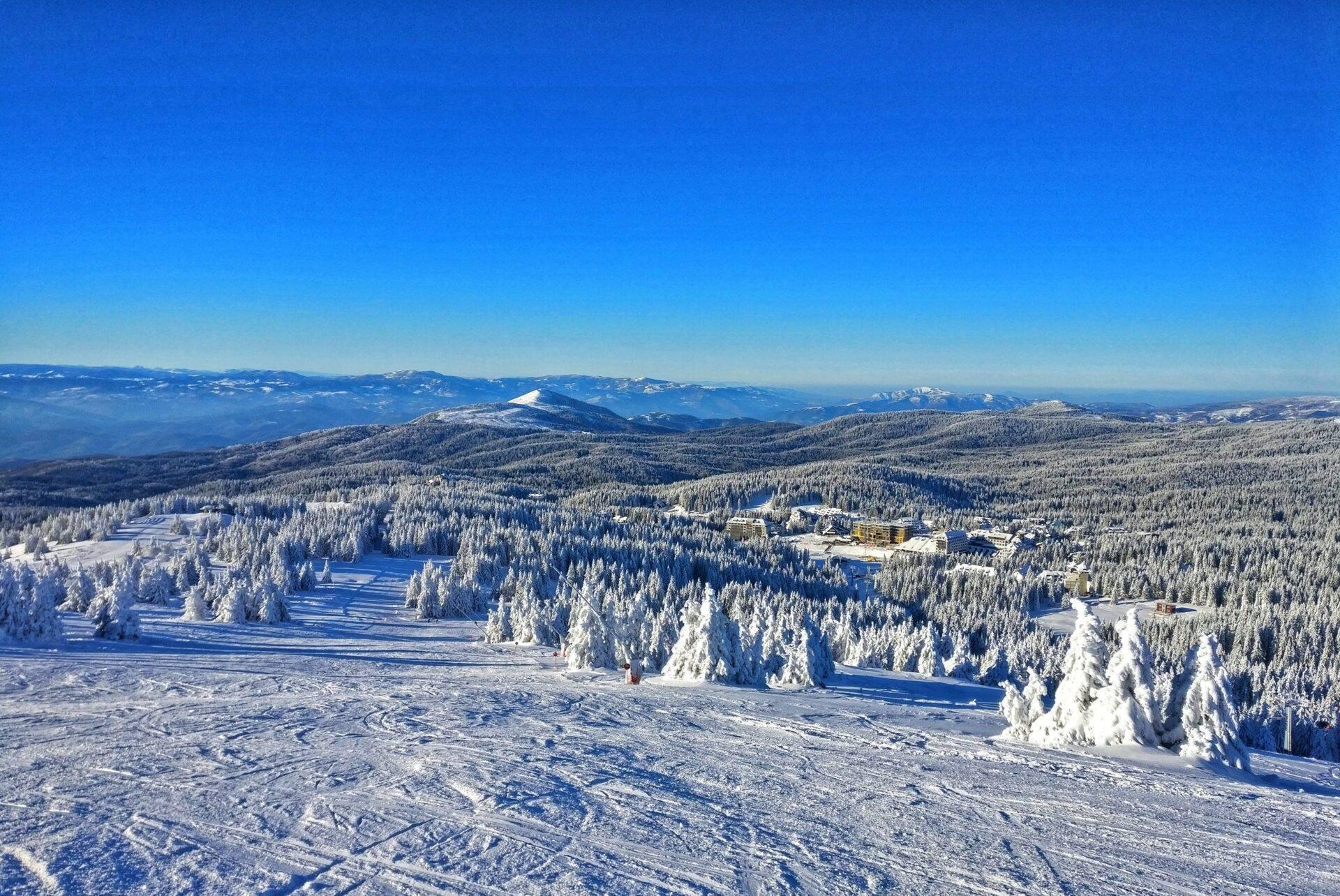
Founded in the twelfth century by Grand Župan Stefan Nemanja, Studenica is a UNESCO World Heritage Site. Its two white marble churches house thirteenth-century Byzantine frescoes that rank among the finest works of Orthodox Christian art. Monks still live and worship here, giving the site an atmosphere quite different from that of an ordinary museum.
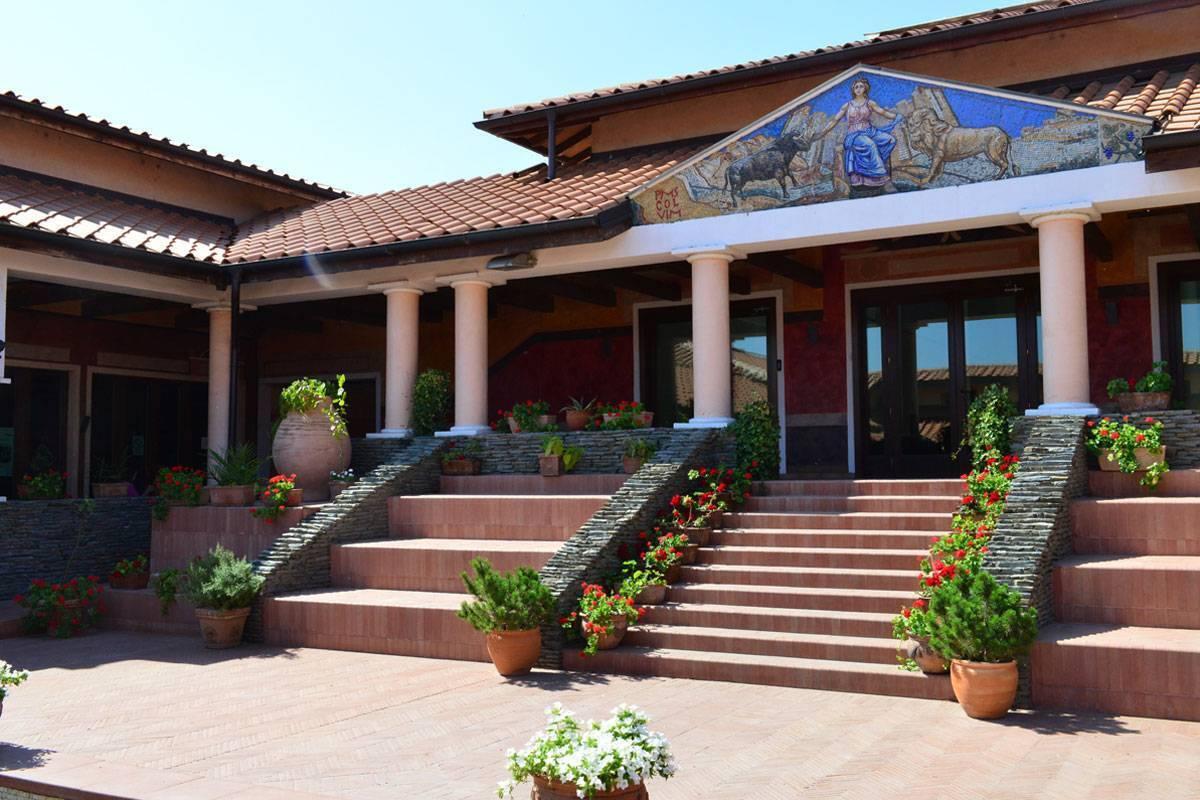
Gamzigrad-Romuliana (Felix Romuliana)
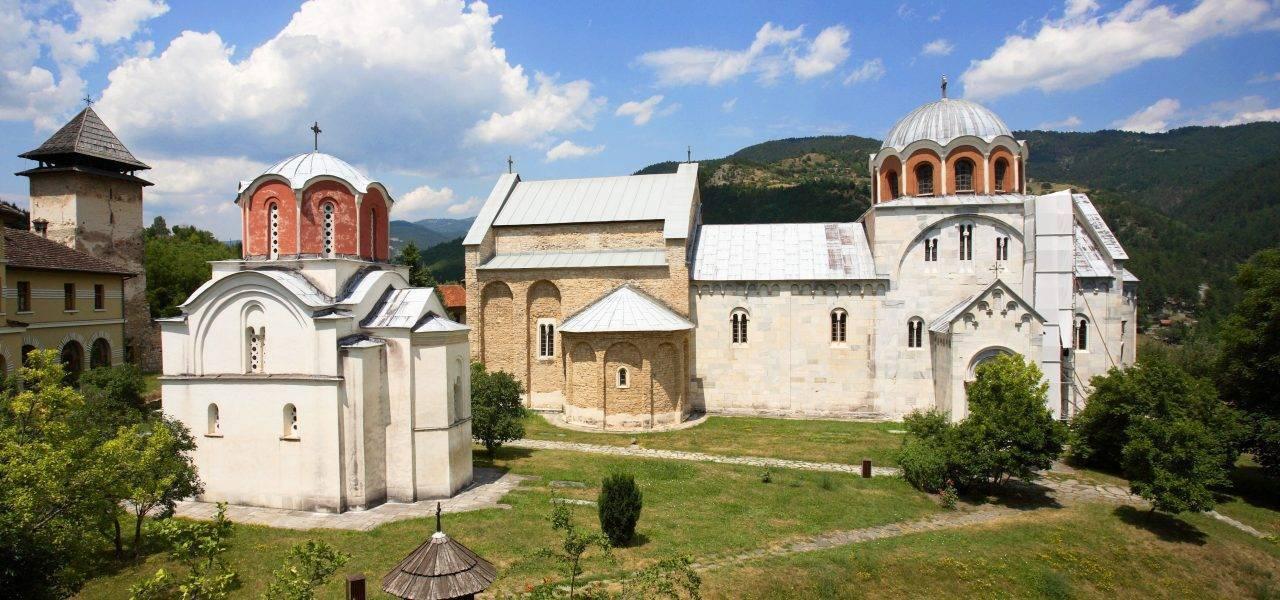
Listed as a UNESCO World Heritage Site in 2007, this fourth-century fortified complex was built on the orders of the Roman Emperor Galerius, who had his imperial palace and mausoleum constructed here. Reconstructed columns and preserved mosaics give a vivid sense of late Roman architecture at the heart of the Balkans.
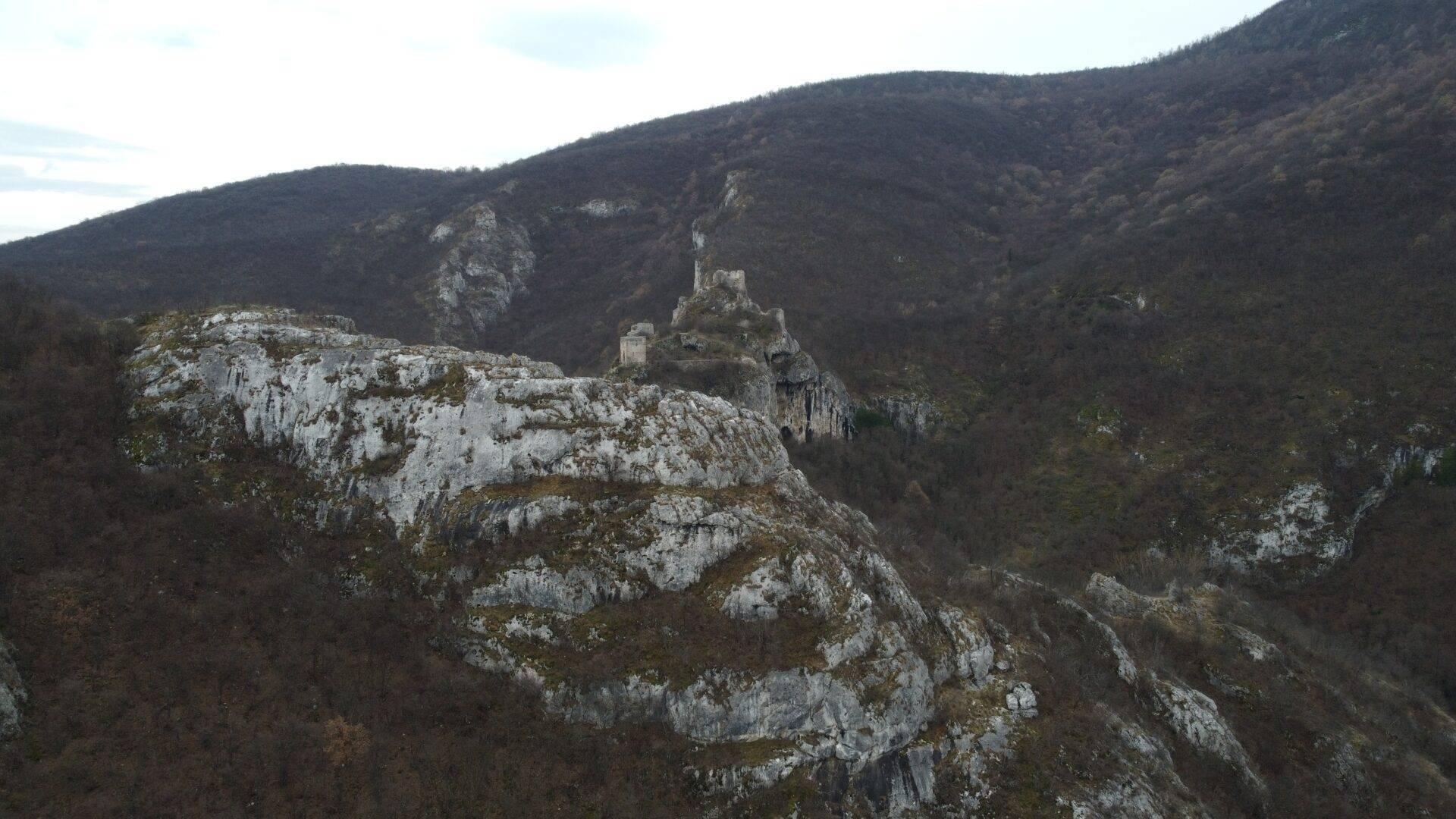
Sokobanja Fortress
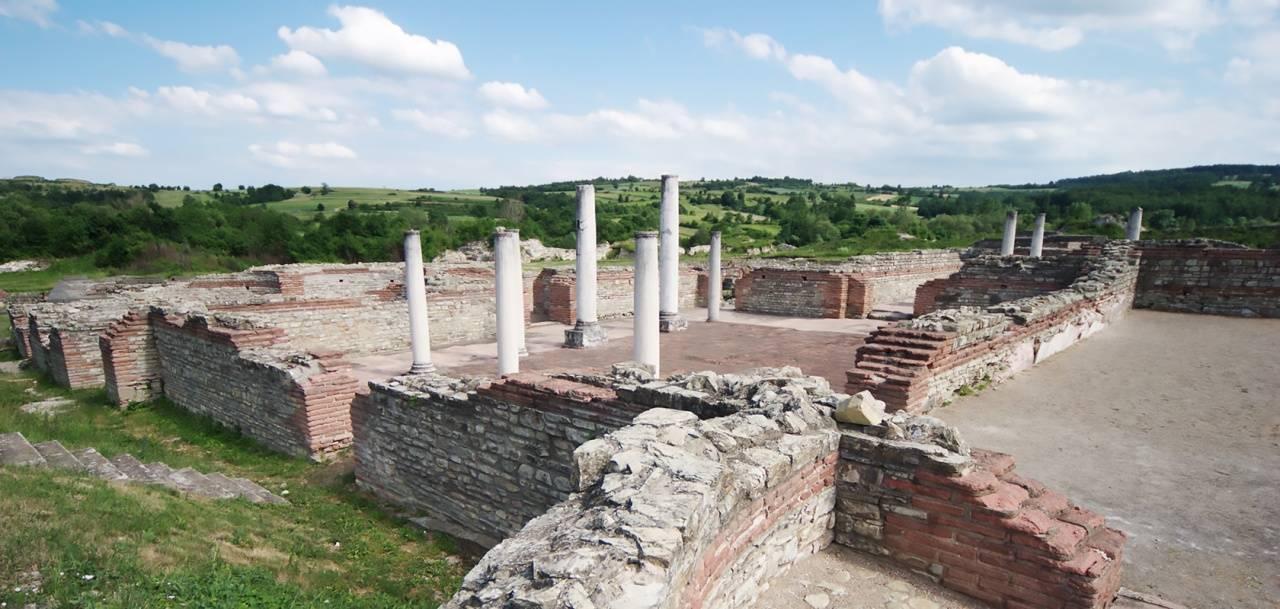
Perched on a limestone spur above the spa town of the same name, Sokobanja Fortress commands a wide panorama over the surrounding valley. Below the fortress, the town of Sokobanja is known for its thermal springs, allowing visitors to combine a historical detour with a relaxing stay in a natural setting.
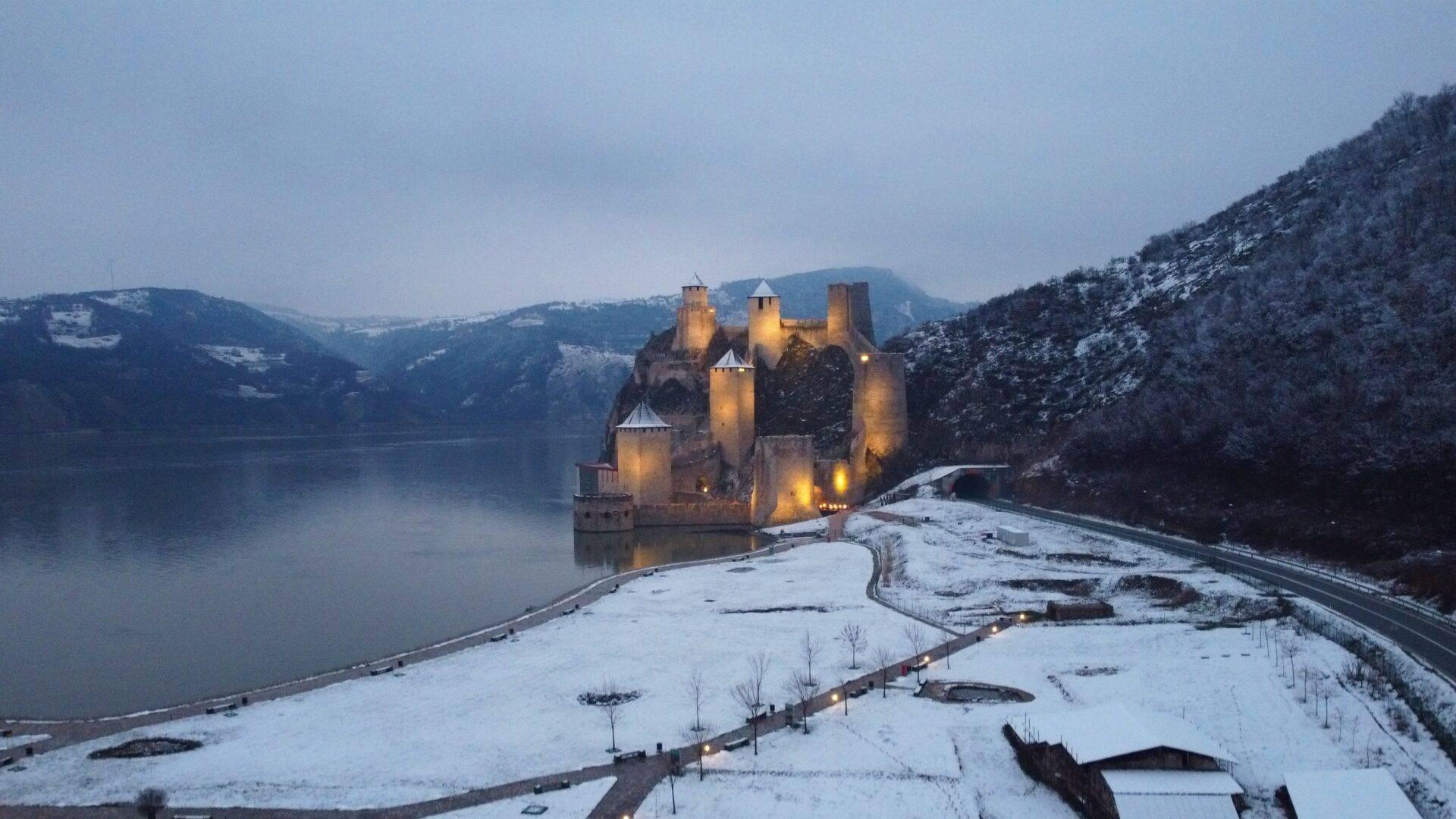
Golubac Fortress
Golubac stands on a rocky peninsula at the entrance to the Đerdap gorges of the Danube, on the border with Romania. Its ten medieval towers have been restored and are now open to the public with an integrated museum space. Floodlit at dusk, the fortress makes for a dramatic spectacle on the banks of Europe’s greatest river.
Žiča Monastery
Žiča, near Kraljevo, is one of the earliest Serbian royal monasteries. Built in the early thirteenth century under King Stefan the First-Crowned, it hosted the coronation of Serbian rulers for several centuries. Its church, with its distinctive ochre-red façade, stands out in the Serbian landscape. The inner courtyard, decorated with mosaics and white columns, represents medieval Orthodox art at its finest.
Villages and natural curiosities
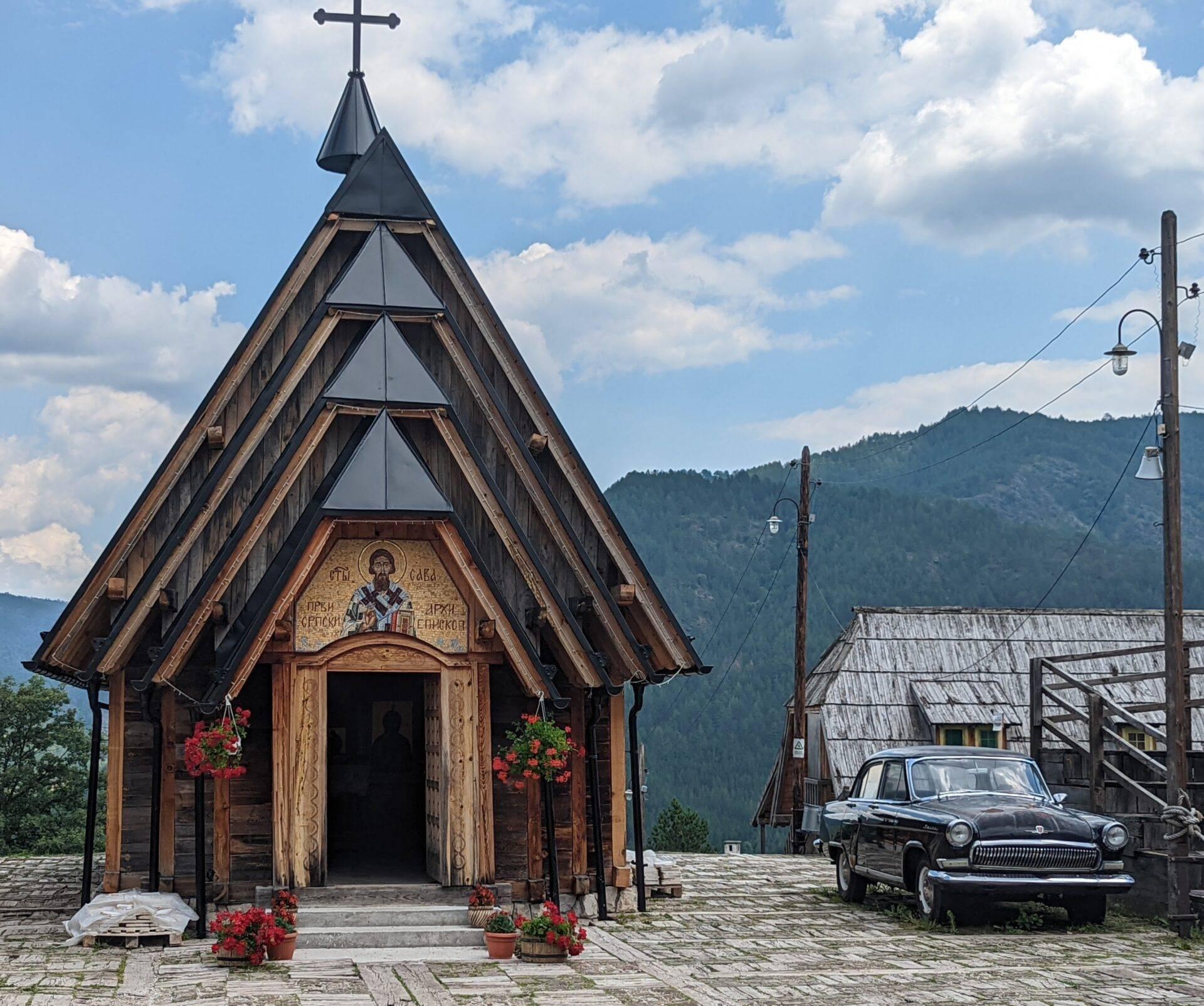
Drvengrad village
Drvengrad, also known as Küstendorf, is an ethnic village built by filmmaker Emir Kusturica for his 2004 film “Life is a Miracle”. Set in the mountains of western Serbia near Zlatibor, it recreates traditional Serbian rural architecture with timber houses, cobbled lanes and a cinema hall. Every January, the village hosts the Küstendorf International Film Festival.
Đavolja Varoš, the “Devil’s Town”
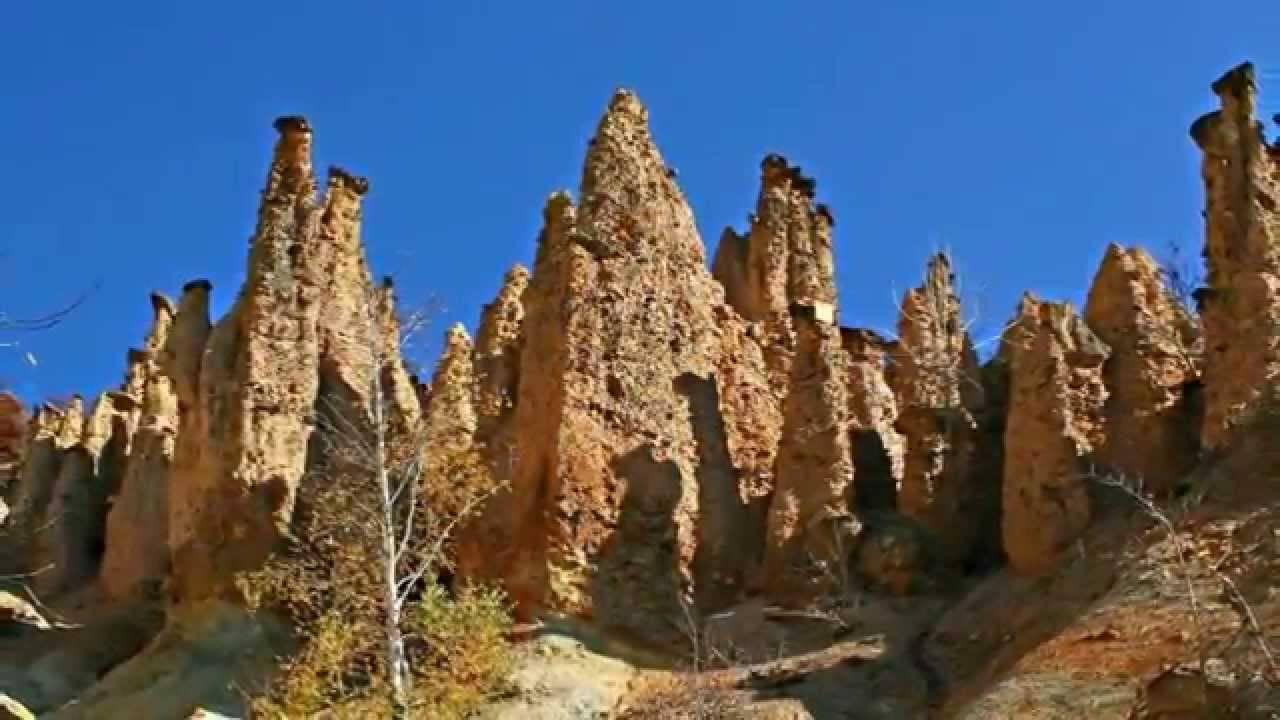
Đavolja Varoš is a one-of-a-kind geological curiosity: around 200 erosion rock formations, shaped like pyramids topped with stone caps, rise from southern Serbia at altitudes above 1,400 metres. Water erosion, intensified by the high acidity of the soil, sculpted these towers over millions of years. Marked trails allow visitors to get up close to the formations.
The Resava Caves
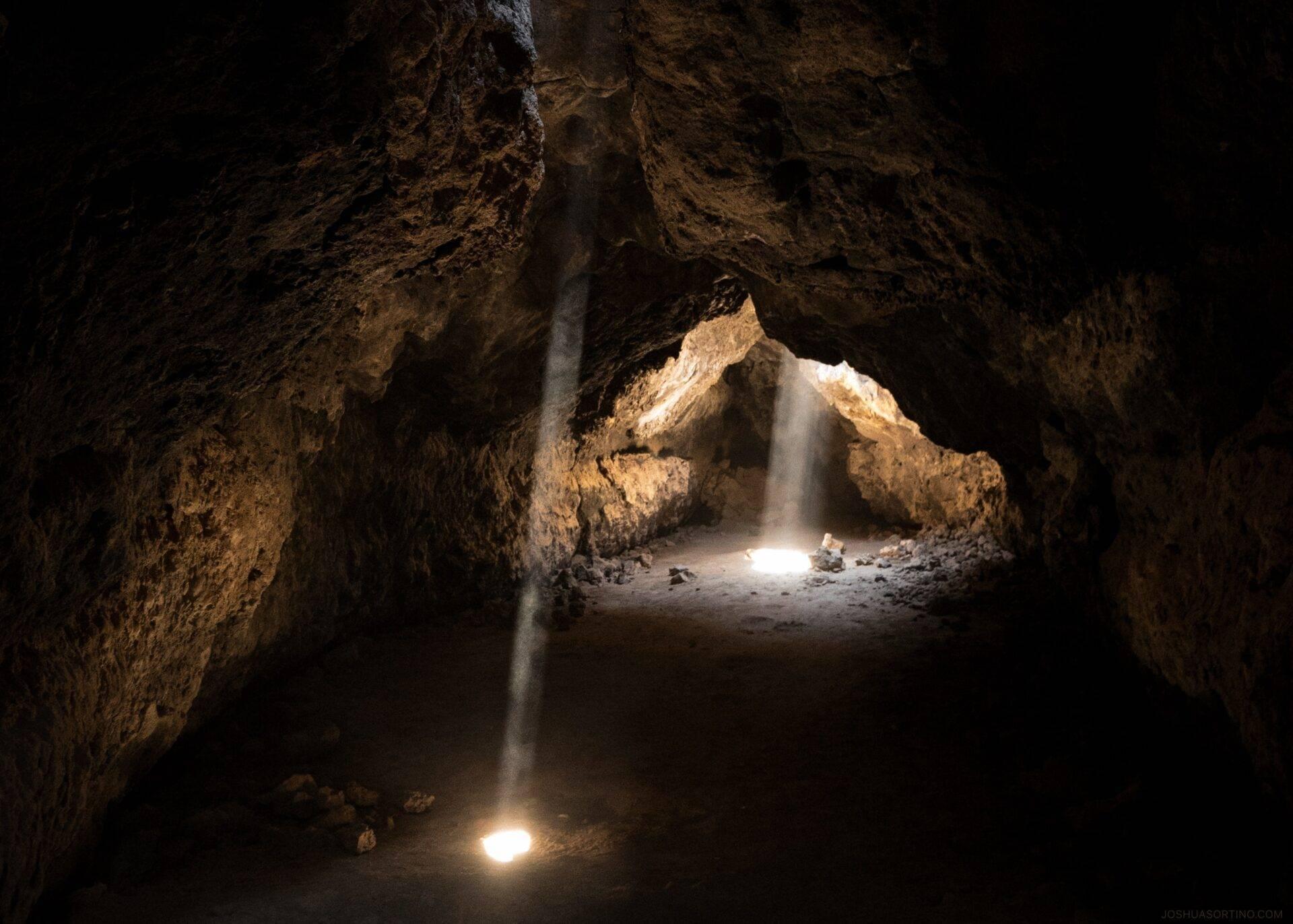
The Resava Caves (Resavska pećina), carved through limestone in eastern Serbia, rank among the most impressive in the Balkans. Stalactite and stalagmite formations have built up over millions of years inside these underground galleries. Guided tours cover several hundred metres of chambers and corridors, with natural lighting that reveals the astonishing variety of formations.
Serbia’s lakes
Silver Lake
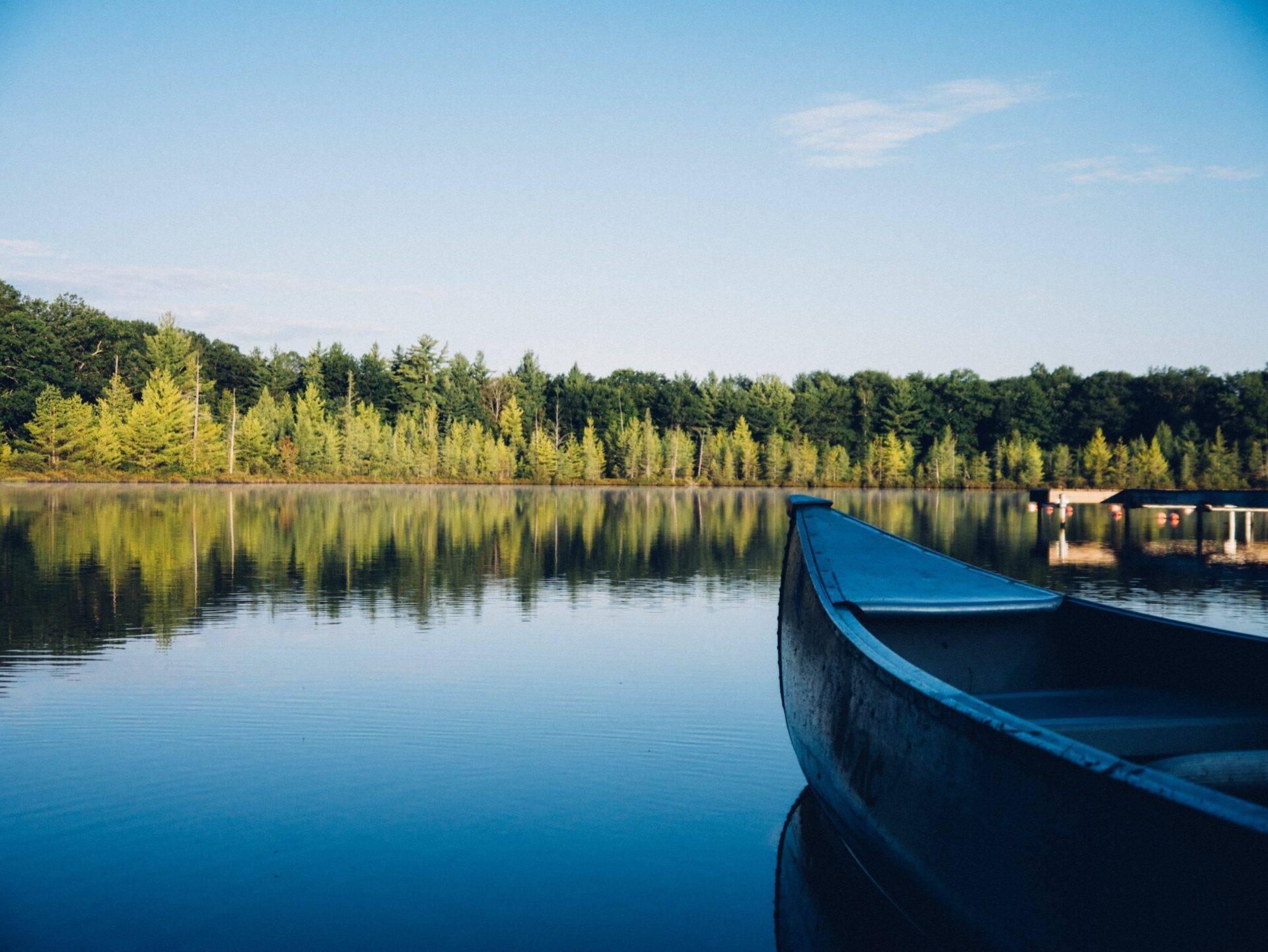
Silver Lake (Srebrno jezero), in eastern Serbia near Veliko Gradište, formed in a former arm of the Danube. Its clear waters and sandy beaches make it one of the country’s most popular summer bathing destinations. Swimming, fishing and boat trips are the main pursuits along its banks.
Palić Lake
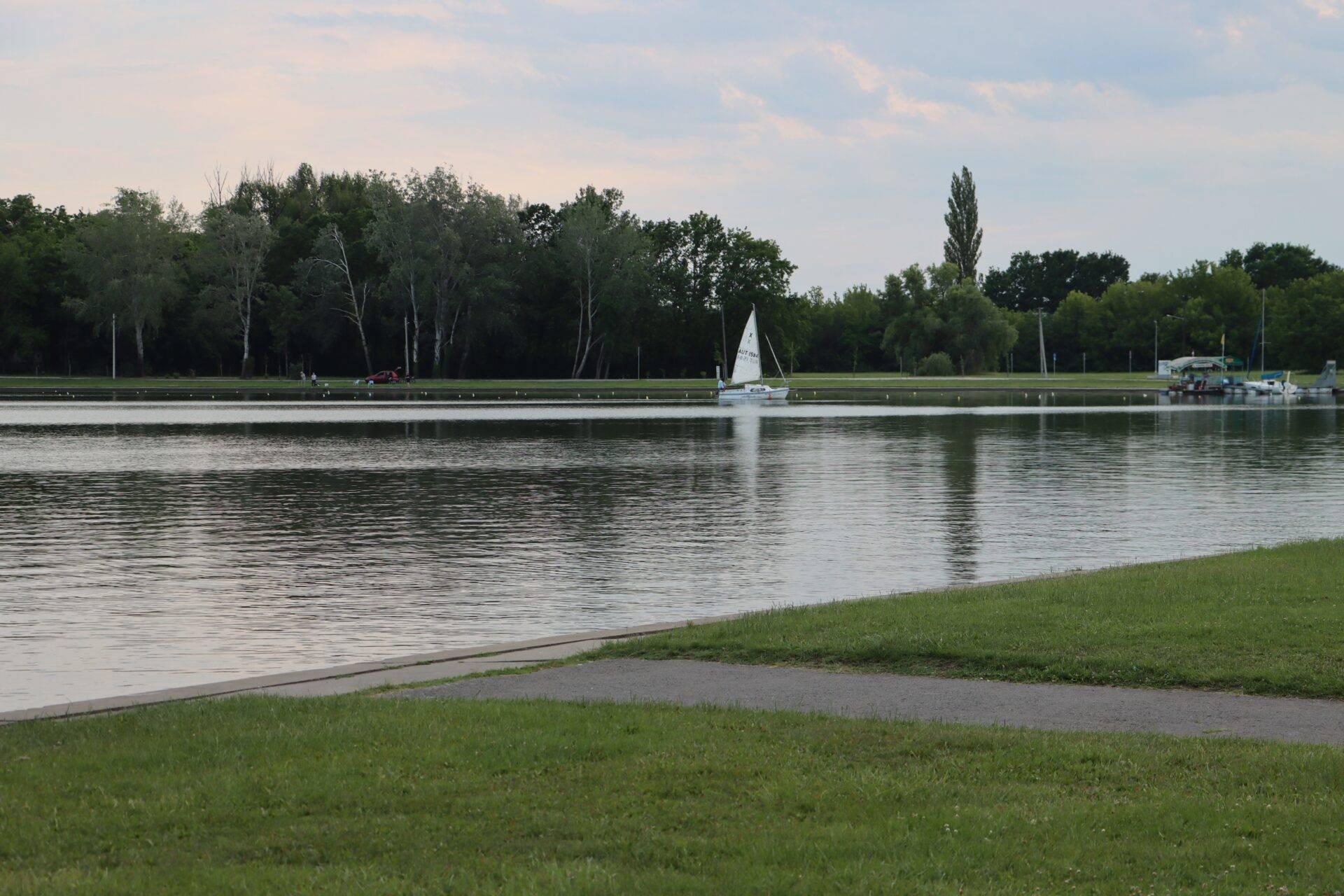
Palić Lake, near Subotica in northern Serbia, is surrounded by a nature park and a zoo. Its landscaped banks welcome walkers, cyclists and sailing enthusiasts. The proximity of Subotica and its Art Nouveau buildings makes it easy to combine a lakeside break with some architectural sightseeing.
When to go and how to plan your trip
The best time to visit runs from May to September: temperatures are pleasant, festivals are in full swing (EXIT in Novi Sad in July, Guča in August) and the national parks are fully accessible. Autumn brings forests ablaze with colour and far fewer crowds. In winter, Kopaonik and Zlatibor draw skiers.
For practical details (entry requirements, health, currency), see our Serbia travel guide, which brings all this information together.
If off-the-beaten-track destinations appeal to you, our guides on things to do in New Zealand and things to do in Madagascar open up equally rich horizons.
FAQ
What is the best time to visit Serbia?
May to September, with pleasant temperatures and major festivals such as EXIT (July) and Guča (August). Autumn suits hikers and cultural travellers looking for quieter crowds. In winter, the slopes of Kopaonik attract skiers.
How many days do you need to see the highlights?
One week is enough to cover Belgrade, Novi Sad and one or two natural sites. Two weeks allow you to include the south of the country (Niš, Đavolja Varoš) and the national parks. Three weeks give you a full circuit, from the northern lakes to the monasteries of central Serbia.
What should you see in Belgrade in a few days?
Kalemegdan Fortress and the National Museum fill half a day. The Skadarlija quarter, Knez Mihailova street and the Zeleni Venac market make for a full day on foot. In the evening, the splavovi on the Danube showcase the capital’s unique nightlife.
What are the must-see festivals in Serbia?
EXIT in Novi Sad (July) is the most internationally recognised and among Europe’s largest. The Guča Trumpet Festival (August) is a unique musical experience dedicated to Balkan brass orchestras. The Küstendorf Film Festival at Drvengrad is held every January.
Do you need a hire car to get around Serbia?
The main cities are connected by bus and train. For national parks, remote monasteries and curiosities such as Đavolja Varoš or the Resava Caves, a hire car makes getting around considerably easier.