
Seoul reveals itself neighbourhood by neighbourhood: royal palaces built under the Joseon dynasty, Buddhist temples squeezed between glass towers, centuries-old markets and creative alleyways that reinvent Korean pop culture with every season. Allow at least five days to take in its contrasts.
Visiting Gyeongbokgung Palace
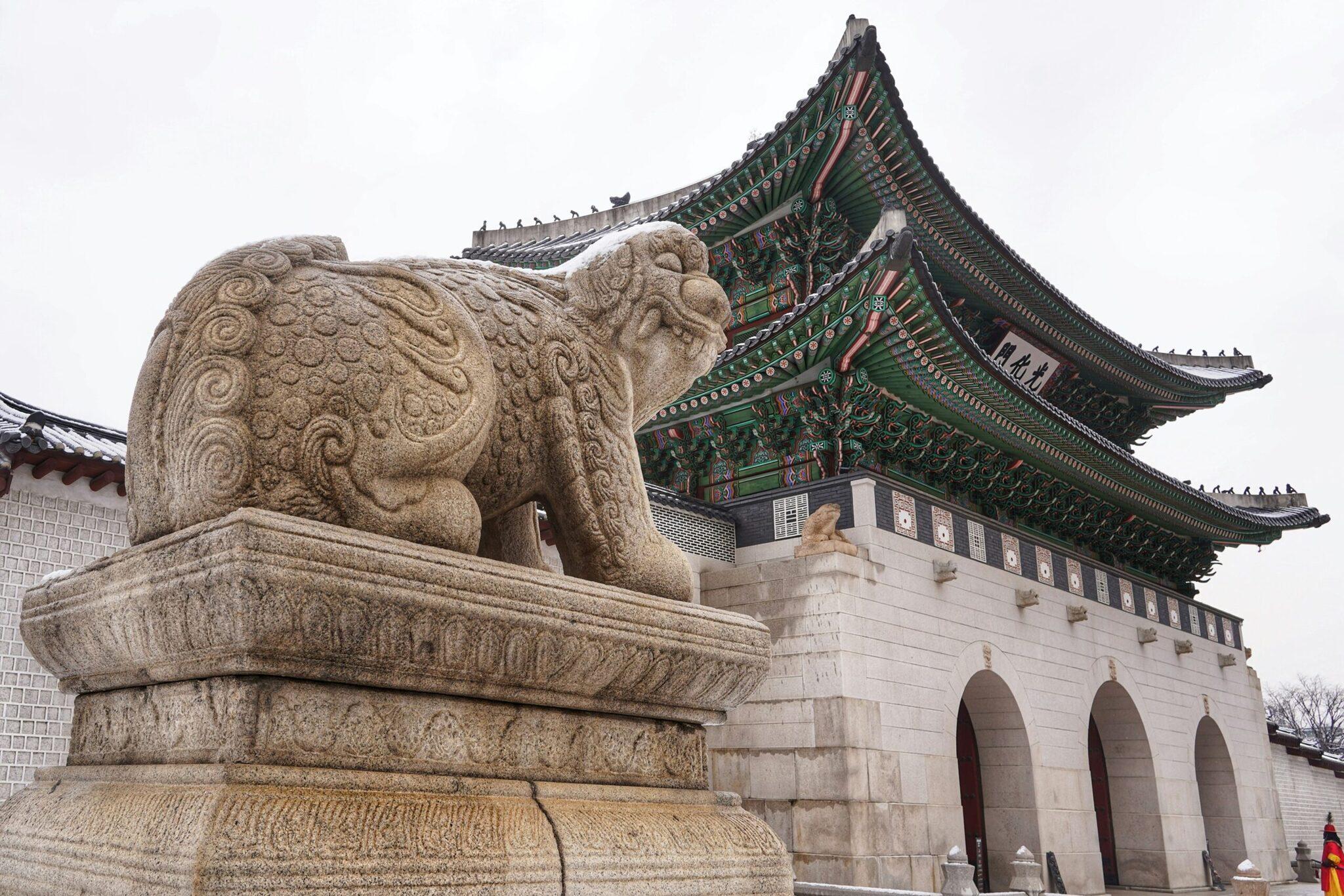
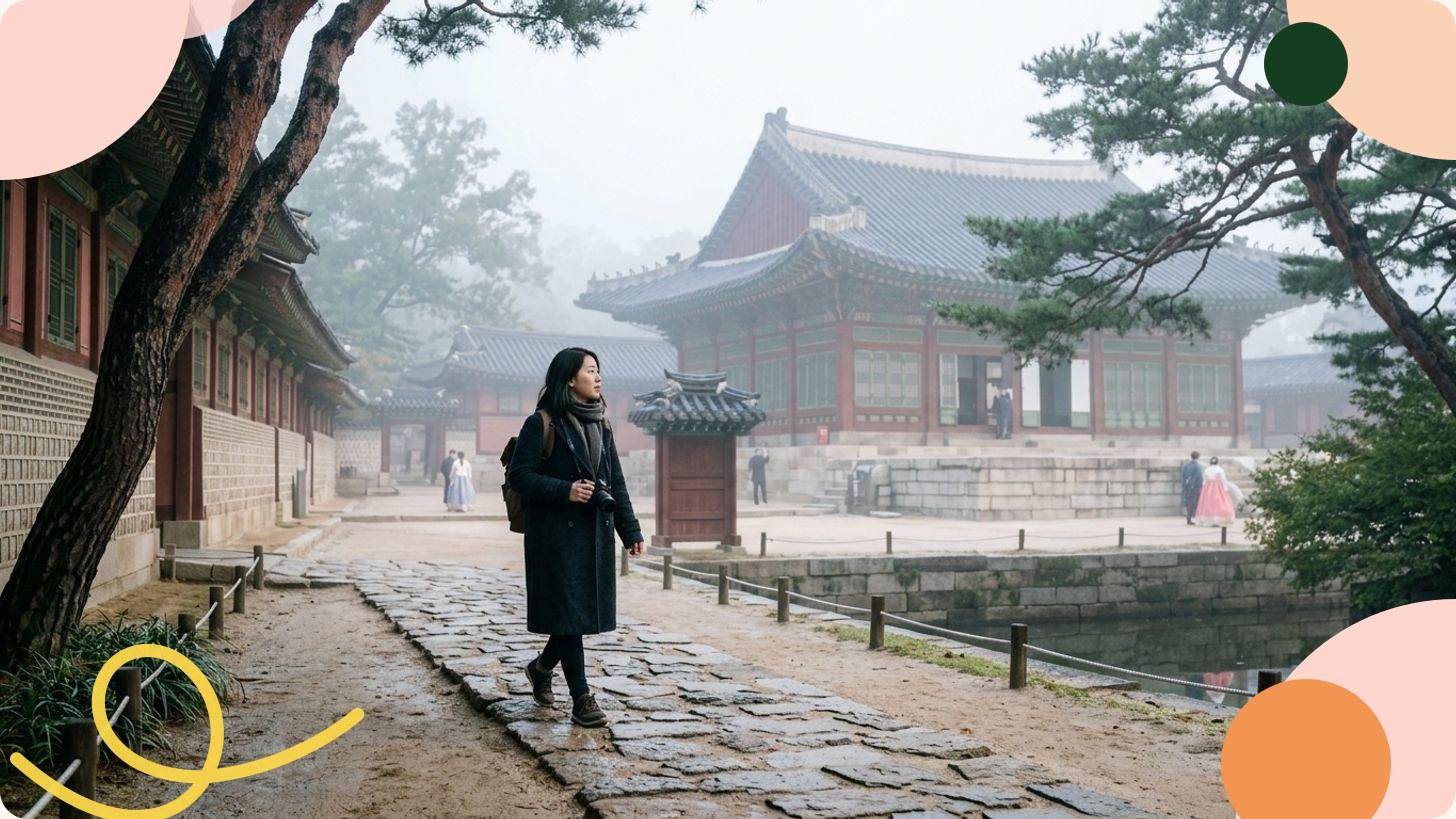
Founded in 1395 under the Joseon dynasty, Gyeongbokgung Palace is the largest of Seoul’s five royal palaces. Its inner courtyards, stilted pavilions and the Hyangwonjeong Pond offer a window onto six centuries of court life. Adult entry costs 3,000 won; hire a hanbok (traditional Korean costume) on site and admission is free.
The changing of the guard ceremony, complete with a procession in period costume, takes place at 10am and 2pm (except Tuesdays, when the palace is closed) and lasts around twenty minutes. Arrive a quarter of an hour early to secure a good vantage point.
Wandering through Bukchon Hanok Village
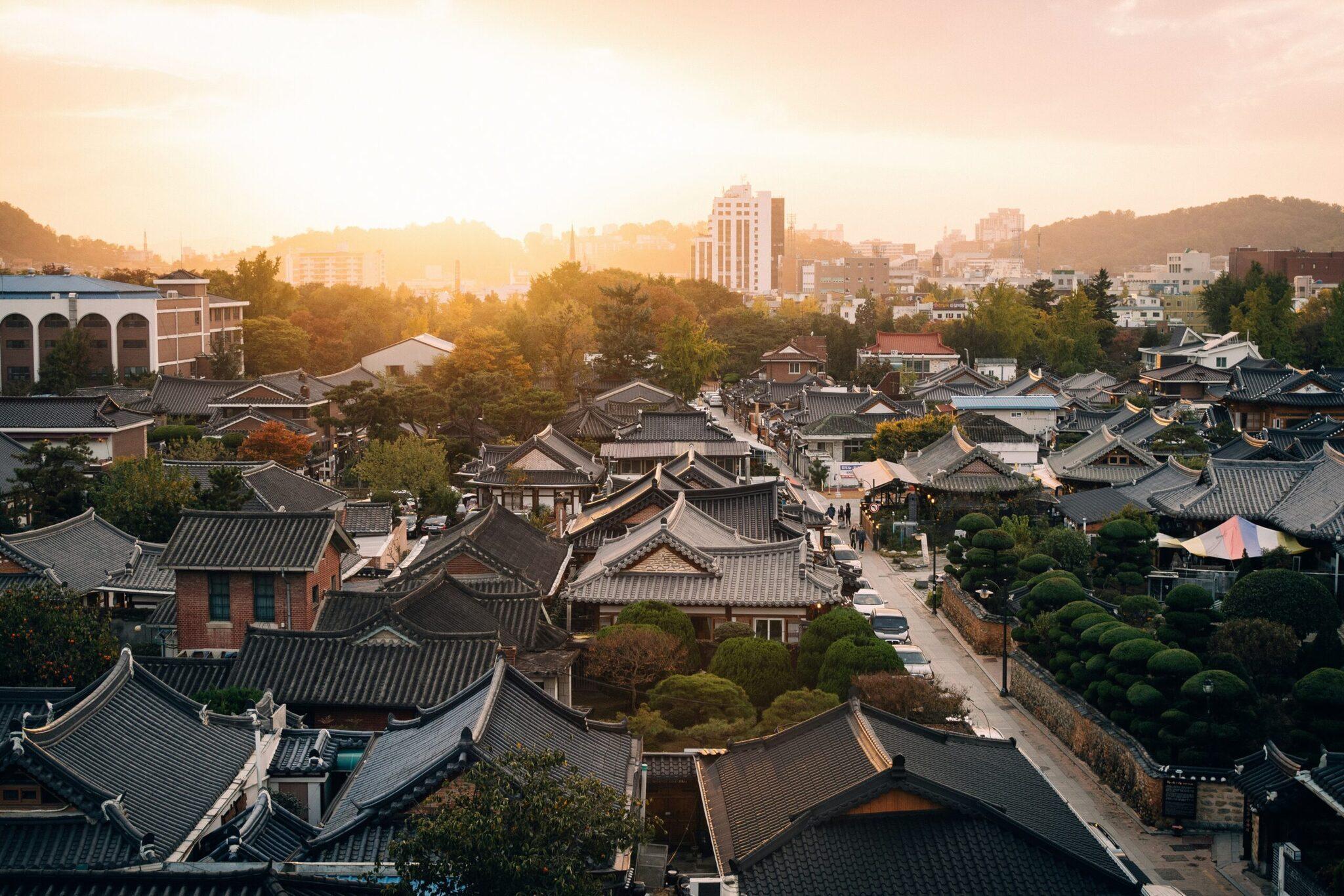
Nestled between Gyeongbokgung and Changdeokgung palaces, Bukchon Hanok Village is home to more than 900 traditional Korean houses (hanoks) whose curved tiled roofs date back to the Joseon period. Getting pleasantly lost in the cobbled alleyways that climb up the hillside is, in itself, the main attraction.
Worth knowing from March 2025: the central area (Bukchon-ro 11-gil) is open to tourists only between 10am and 5pm. Entering this zone outside these hours carries a fine of 100,000 won. Residents live here: please keep noise to a minimum.
Walking along Cheonggyecheon Stream
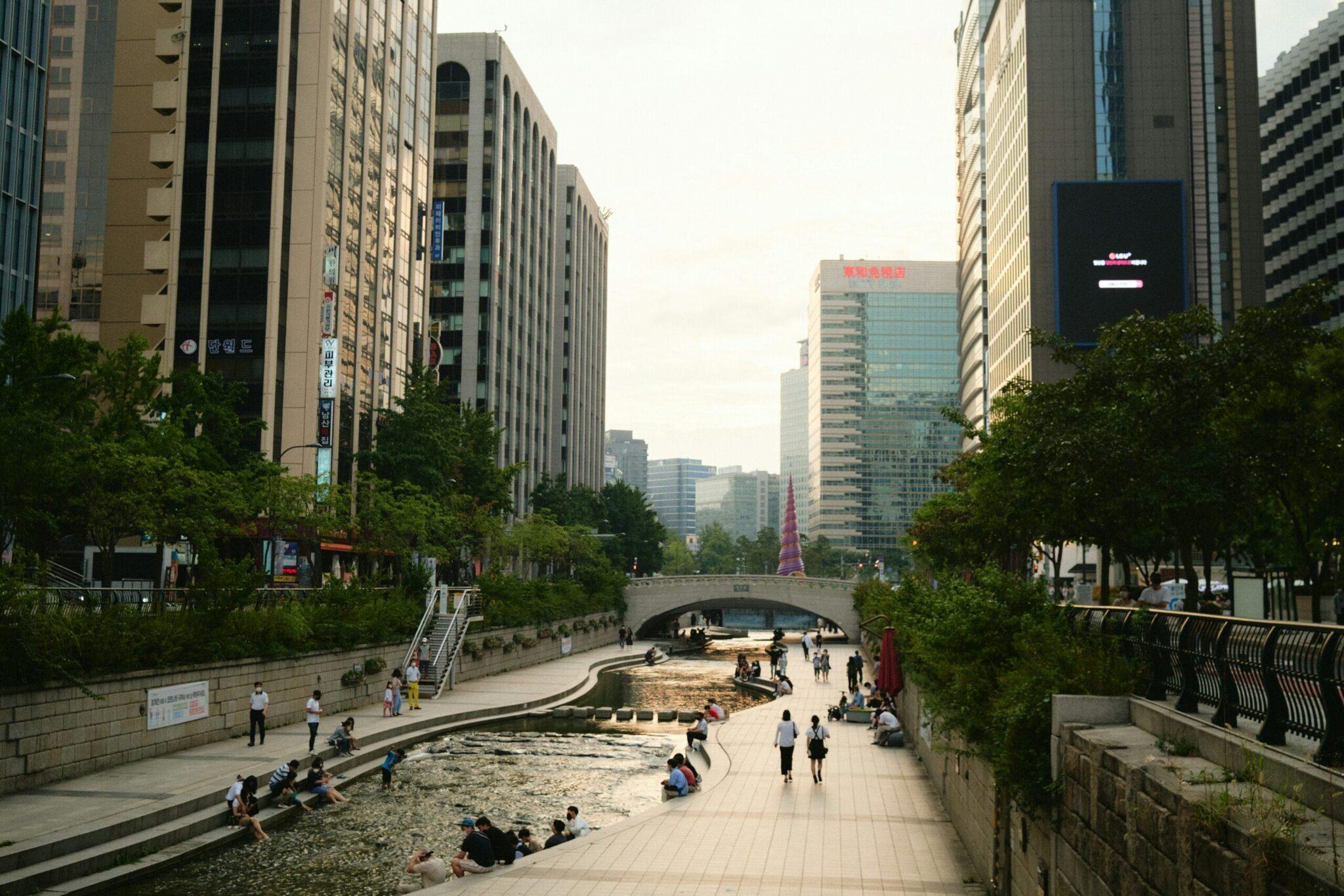
In 2005, the city demolished an elevated motorway to restore the Cheonggyecheon Stream: 5.8 km of landscaped walkway right in the city centre, dotted with decorative bridges and art installations. A genuine cool corridor running between the towers of the business district, the stream is accessible throughout the day. Come evening, the illuminations reflect off the water and the atmosphere grows far more peaceful than at midday.
Plan my trip to South KoreaExploring Myeongdong
Myeongdong is, above all, a street food and shopping machine. The pedestrianised avenues are packed with dozens of stalls: tteokbokki (spicy rice cakes), hotteok (pancakes filled with brown sugar and nuts), mandu (steamed dumplings). K-beauty cosmetics shops abound, with major brands sitting alongside independent designers.
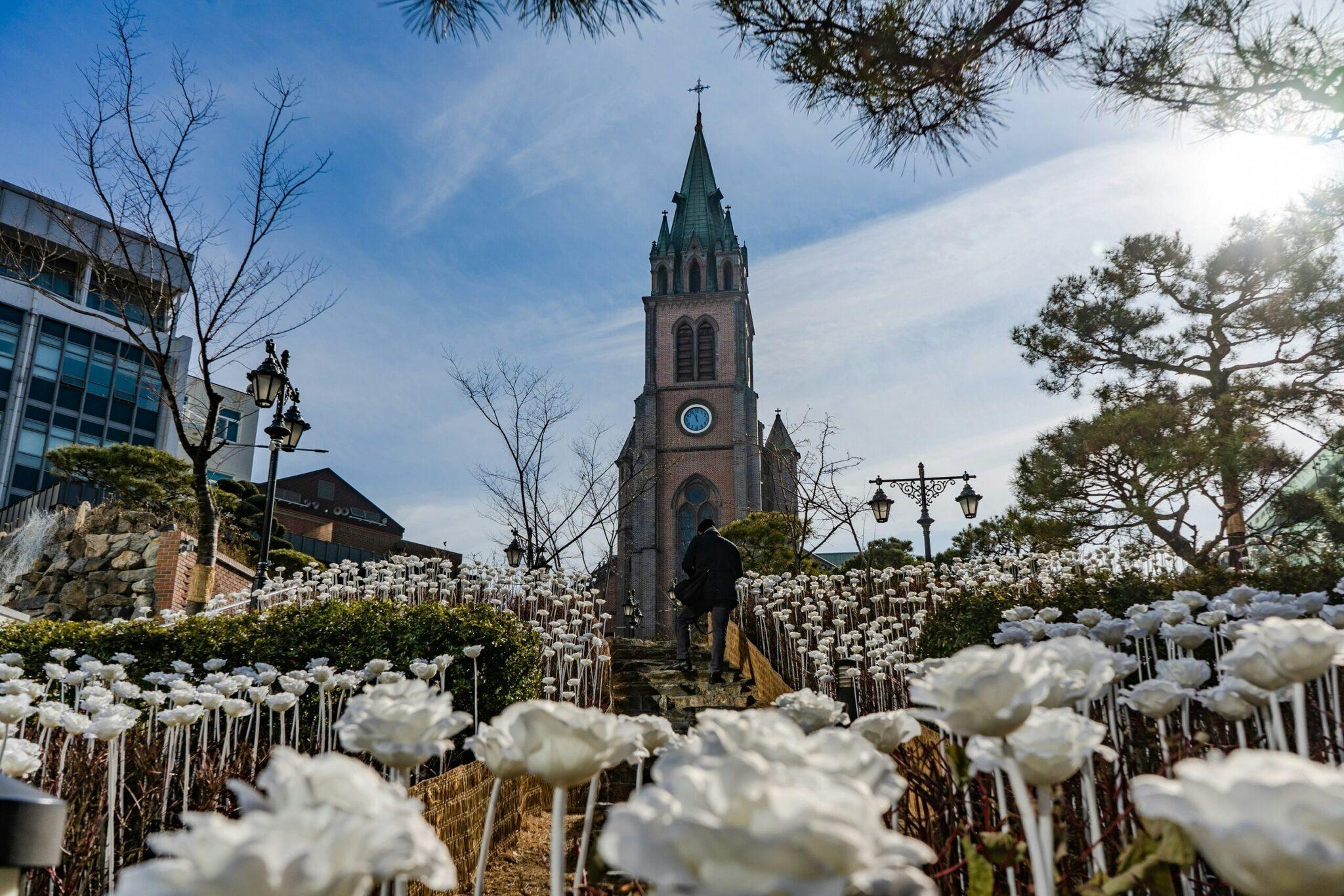
At the end of the main avenue, Myeongdong Cathedral, a red-brick neo-Gothic church surrounded by flowering gardens, offers a striking contrast to the commercial bustle and is well worth a stop. It welcomes visitors outside of service times.
Discovering Hongdae and Seongsu-dong, Seoul’s creative neighbourhoods
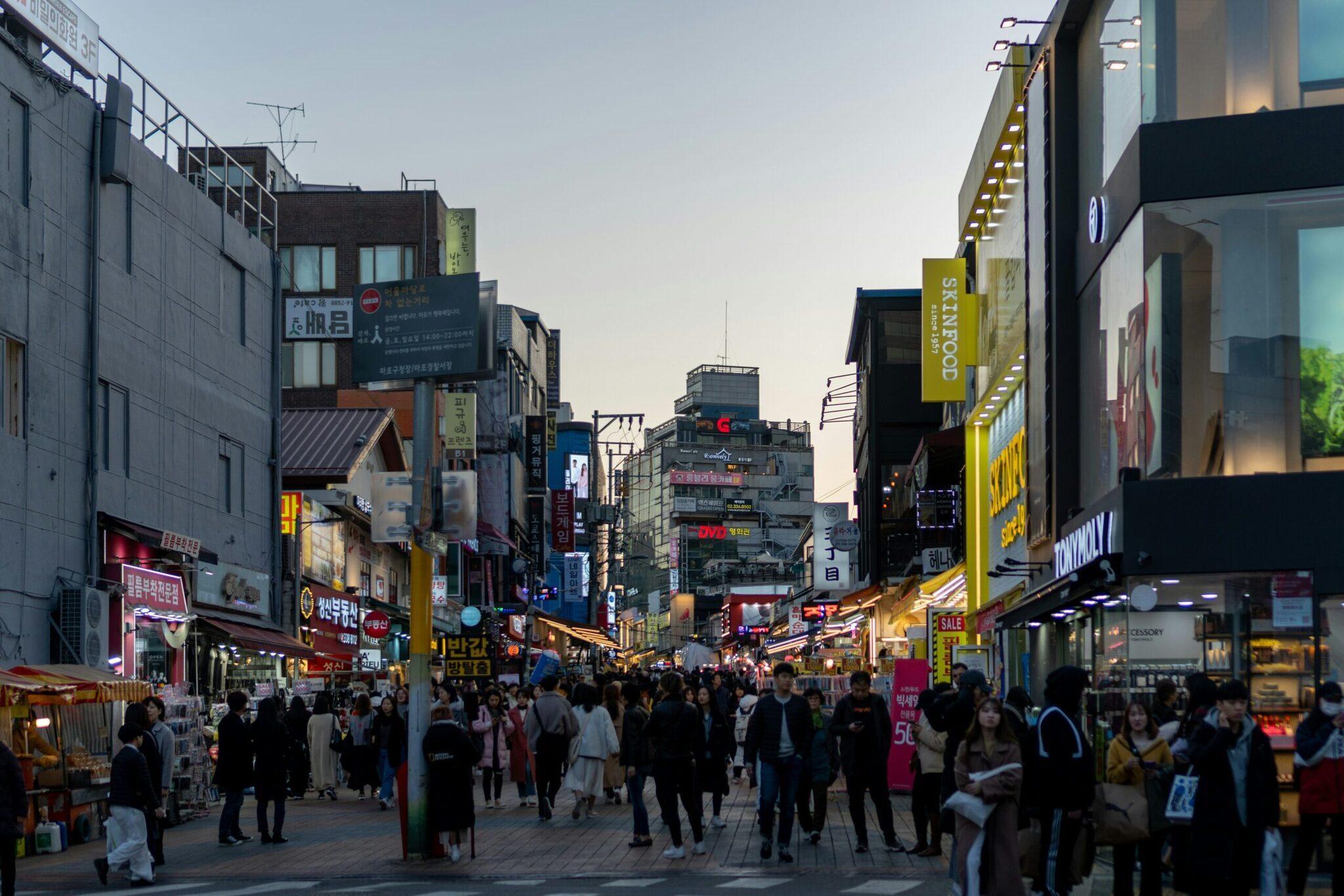
Around Hongik University, Hongdae comes alive from 5pm: street musicians, themed cafés, independent galleries and live music clubs follow one another within a compact area. During the day, independent fashion boutiques, screen-printing workshops and original coffee shops are equally worth a visit.
East of the Han River, Seongsu-dong channels the same creative energy in a converted industrial setting. Former shoe factories and warehouses now host fashion pop-up stores, designers’ studios and design-led cafés. The number of foreign visitors to this neighbourhood has nearly tripled in recent years, a clear sign that the trend is here to stay.
Heading up to N Seoul Tower
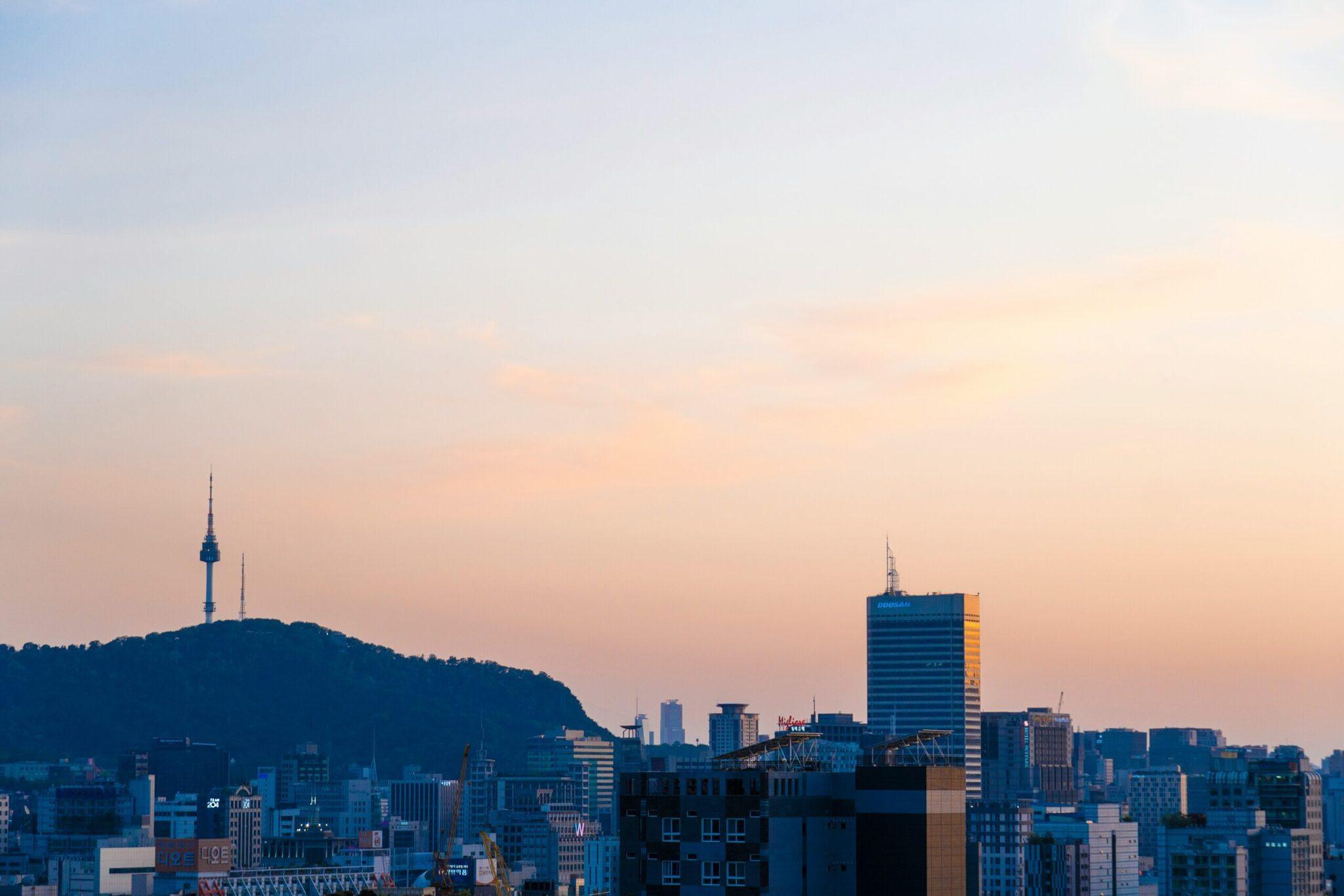
Perched on Mount Namsan at 236 metres above sea level, N Seoul Tower offers a 360-degree view of the city. Namsan Park can be explored on foot via wooded trails that let you sidestep the cable car crowds. For sunset, book your ticket in advance: queues grow quickly during peak season.
Exploring Namdaemun Market
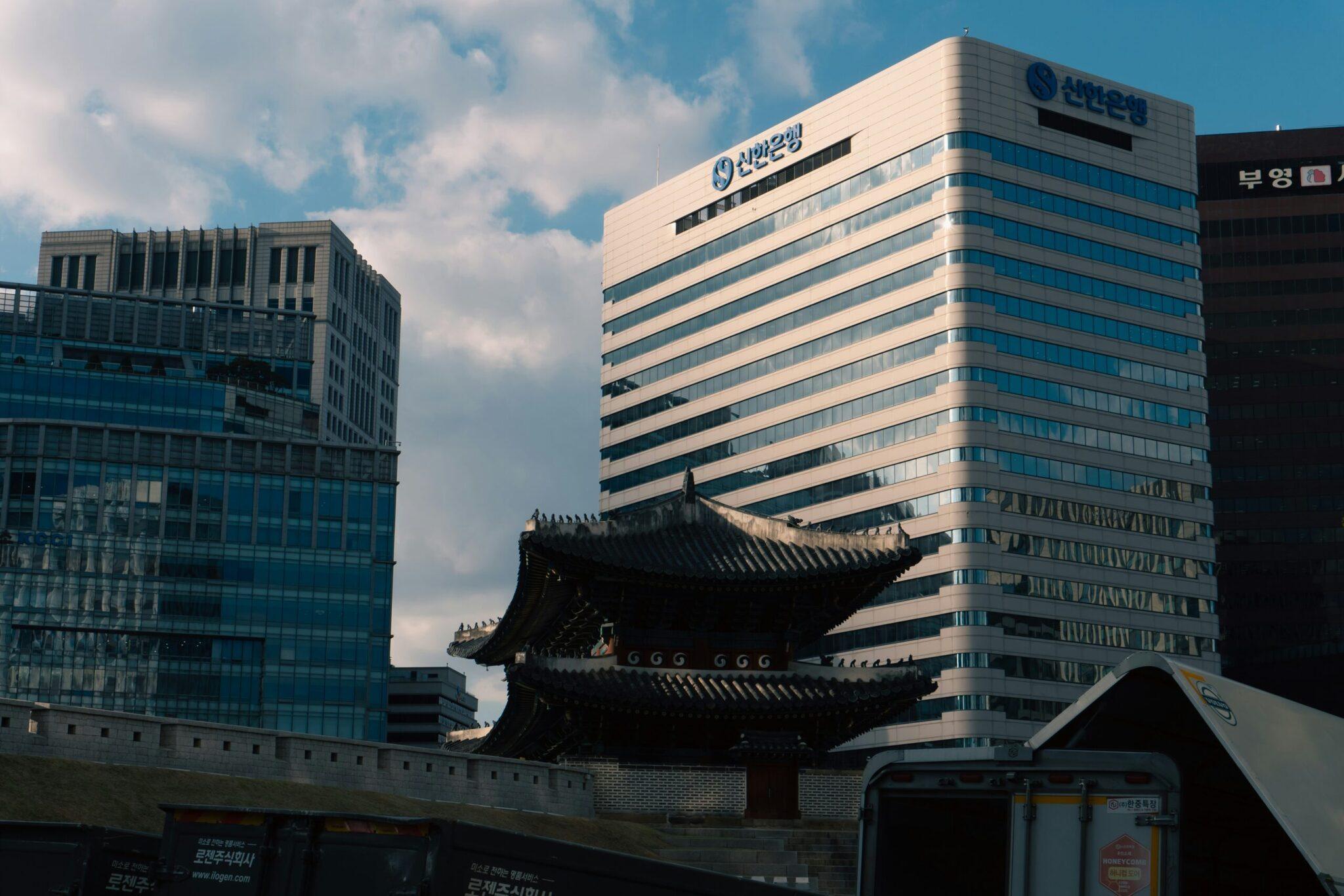
Open around the clock, Namdaemun Market is the capital’s oldest retail market. Clothing, spices, glasses, household goods, souvenirs: the covered aisles cover an impressive area. The food stalls are up and running from dawn. Kimbap (rice rolls), bindaetteok (mung bean pancakes) and mandu make Namdaemun a solid option for starting the day before the big sights.
Stopping at Bongeunsa Temple
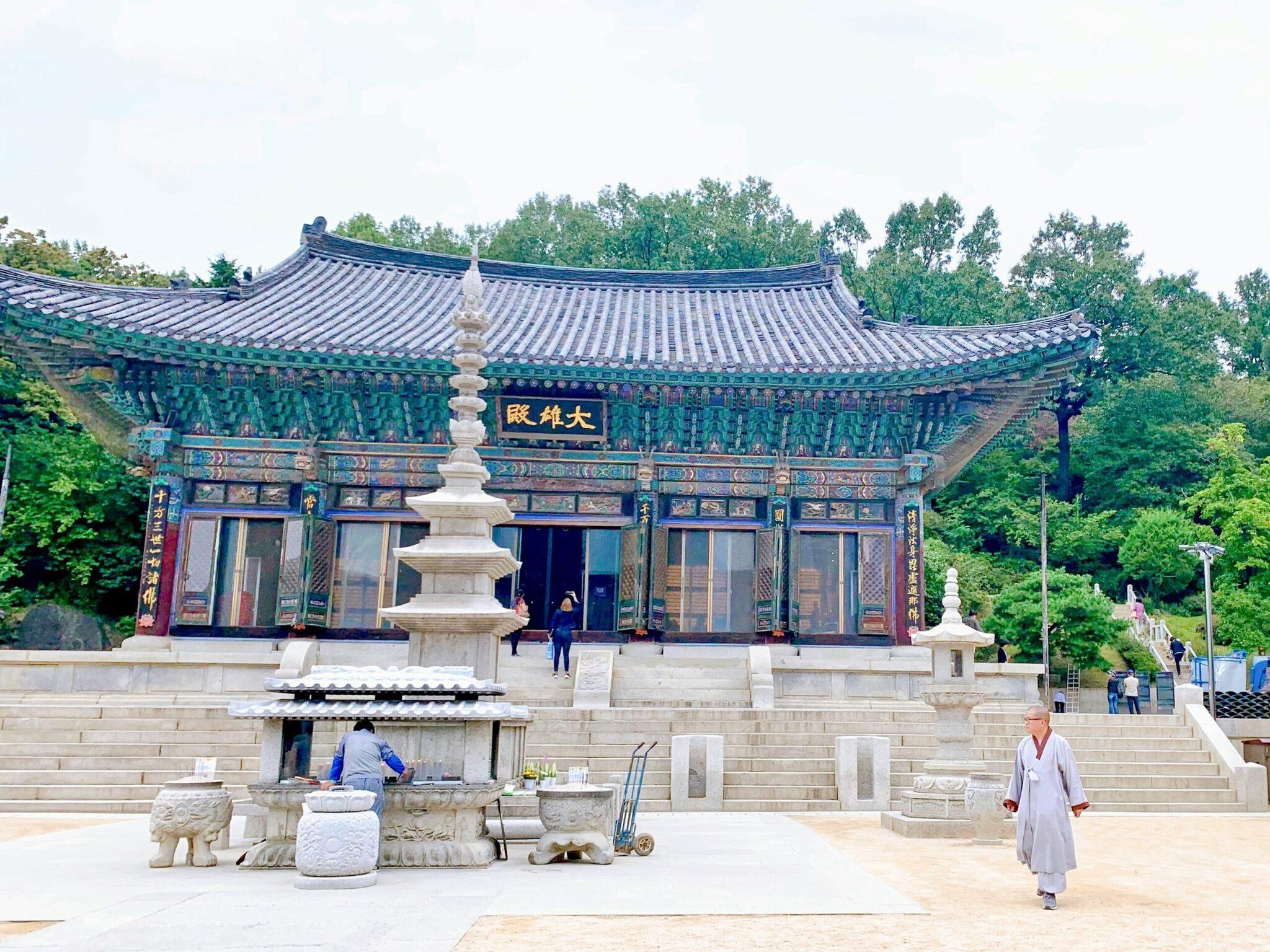
Founded in 794, Bongeunsa Temple now stands cheek by jowl with the towers of the Gangnam business district: a striking contrast between ancient stone and contemporary glass. Its prayer halls, Buddha statues and bonsai garden form a pocket of calm just steps from the urban bustle.
The Temple Stay programme allows you to spend a night or a weekend here, with guided meditation, traditional vegetarian meals and Buddhist ceremonies. A way of understanding from the inside a practice that shapes the lives of many Koreans.
Spending an afternoon at Hangang Park
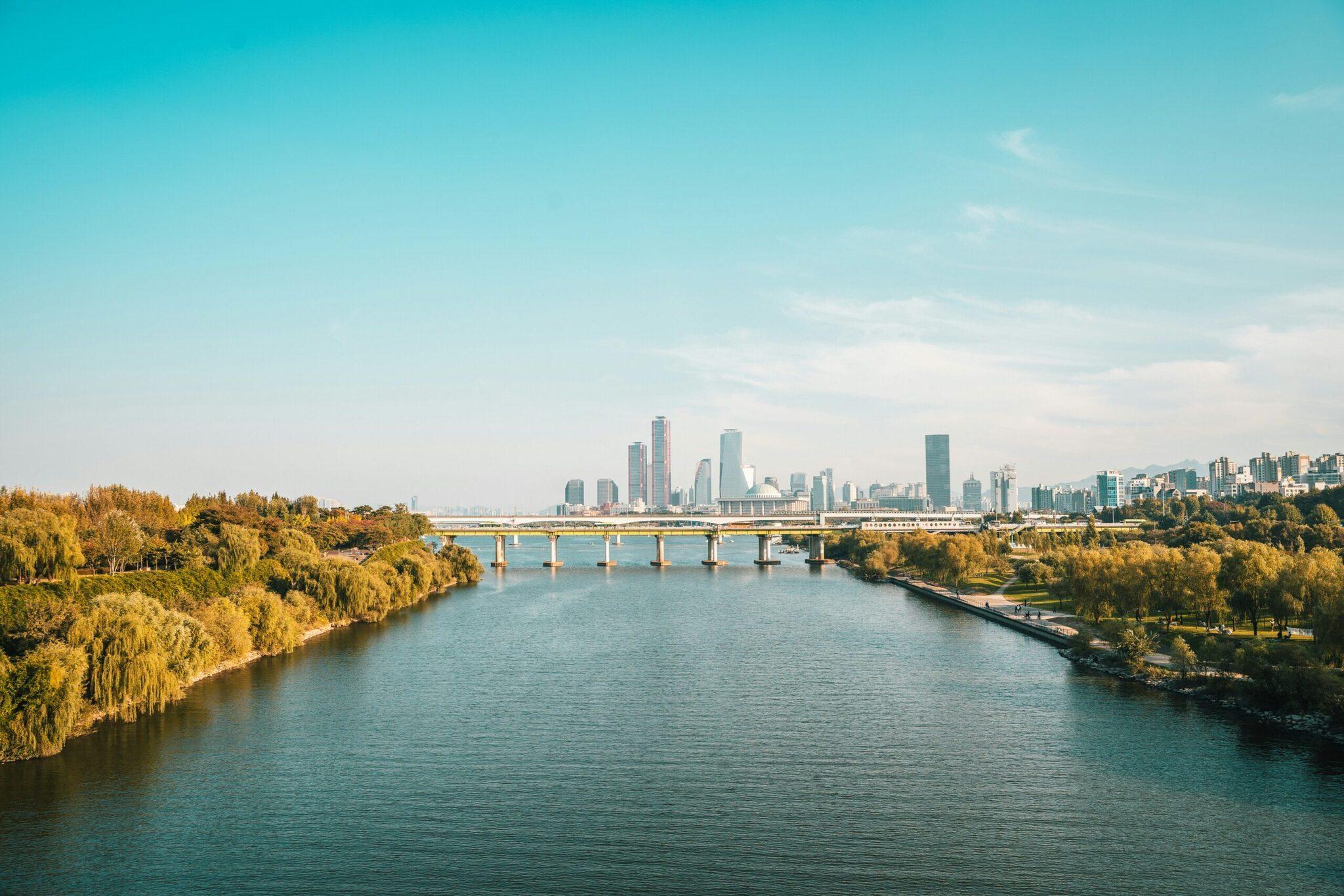
Hangang Park runs along both banks of the Han River for tens of kilometres. Bike hire, picnic lawns, waterside terraces, kayaking and jet-skiing in summer: the place is designed to linger in, not simply to pass through. In autumn, the golden foliage lining the riverbanks makes it one of the most photographed panoramas in the city.
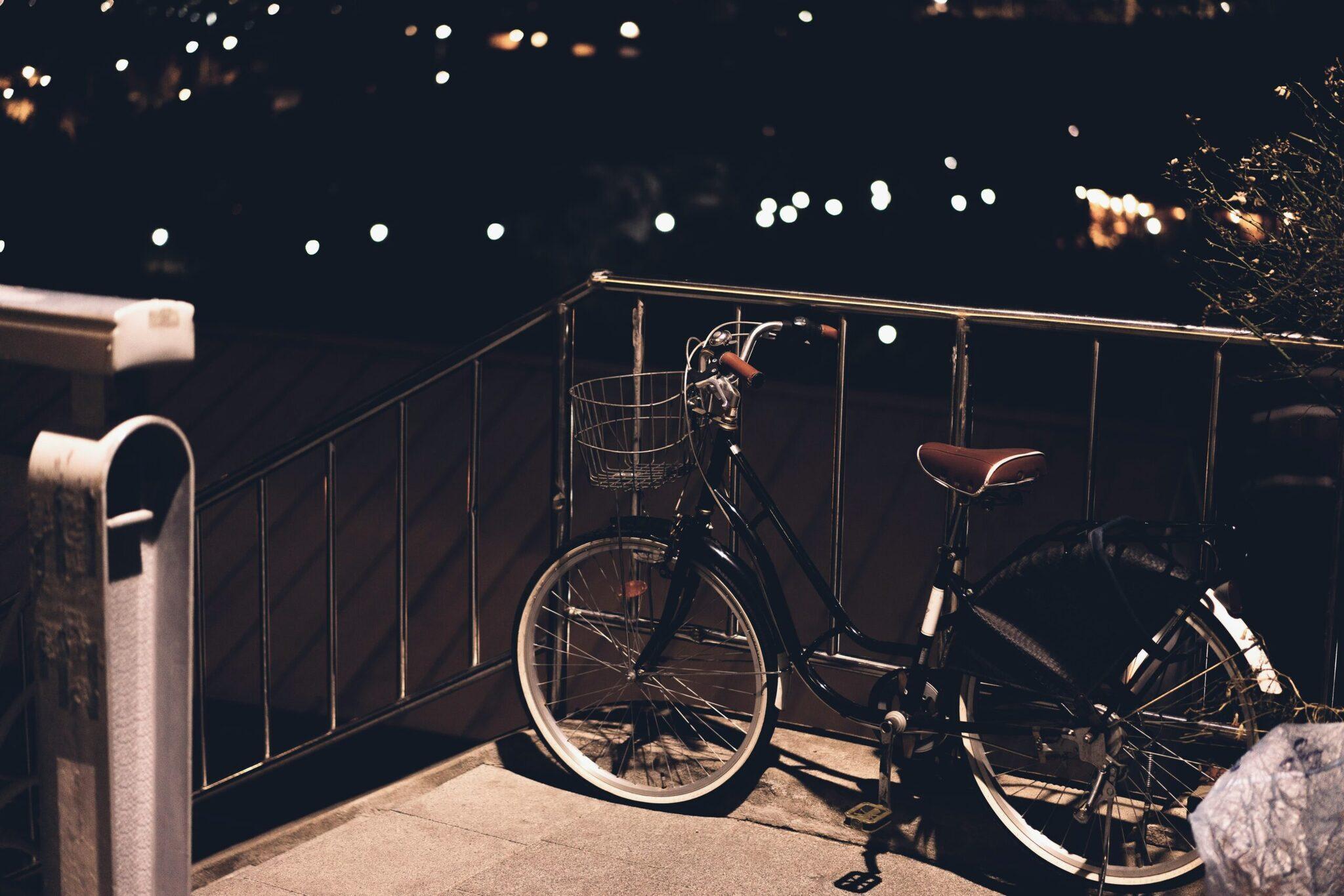
Come evening, many Seoulites return to cycle or picnic along the river once the heat has died down. Bike hire on site is straightforward and affordable: ideal for covering several sections of the park in a single outing.
Visiting the National Museum of Korea
With collections spanning from the Bronze Age to Goryeo ceramics and Joseon-period paintings, the National Museum of Korea is the largest in the country. The galleries can be explored at your own pace. Allow two hours for the highlights, longer if the temporary exhibitions catch your eye.
Planning your days in Seoul
Seoul’s metro is signposted in English, punctual and covers virtually all tourist sites. One effective strategy: group visits by geographic area. Palaces and Bukchon in the morning (from opening time, before the crowds), Myeongdong or Namdaemun in the early afternoon, Hongdae or Hangang in the evening.
For other major capitals with striking cultural contrasts, things to do in Tokyo and things to do in Kyoto offer two complementary perspectives on Japan, ideal to pair with a stay in South Korea.
FAQ
How many days should I allow to visit Seoul?
Allow a minimum of 5 days to cover the main neighbourhoods and historic sites. A full week gives you room for slower half-days and excursions to the surrounding area.
What is the best time to visit Seoul?
Spring (March to May) with cherry blossom and autumn (September to November) with golden foliage are the two favourite periods. Summer is hot and humid (rainy season in July); winter is cold but festive.
Can I visit Seoul without speaking Korean?
Yes. Seoul’s metro is signposted in English, punctual and inexpensive. Major attractions offer audio guides in several languages, including French at some of the main sites.
Do I need to book Gyeongbokgung Palace tickets in advance?
Tickets are sold on the door for 3,000 won (adult). For the changing of the guard ceremony at 10am or 2pm, no booking is required: arrive 15 minutes early to get a good spot.
Can I visit Bukchon Hanok Village freely?
Since March 2025, the central zone is open to tourists between 10am and 5pm only. A fine of 100,000 won applies outside these hours within the designated area. Residents live in the neighbourhood: please be respectful of their peace and quiet.