
Marrakech packs a UNESCO-recognised square, 19th-century palaces, remarkable botanical gardens and a medina best explored on foot into just a few square kilometres. Whether you have three days or a full week, here are the ten experiences you simply cannot afford to miss.
Get my Morocco travel insuranceJemaa el-Fna Square: the City’s Permanent Stage
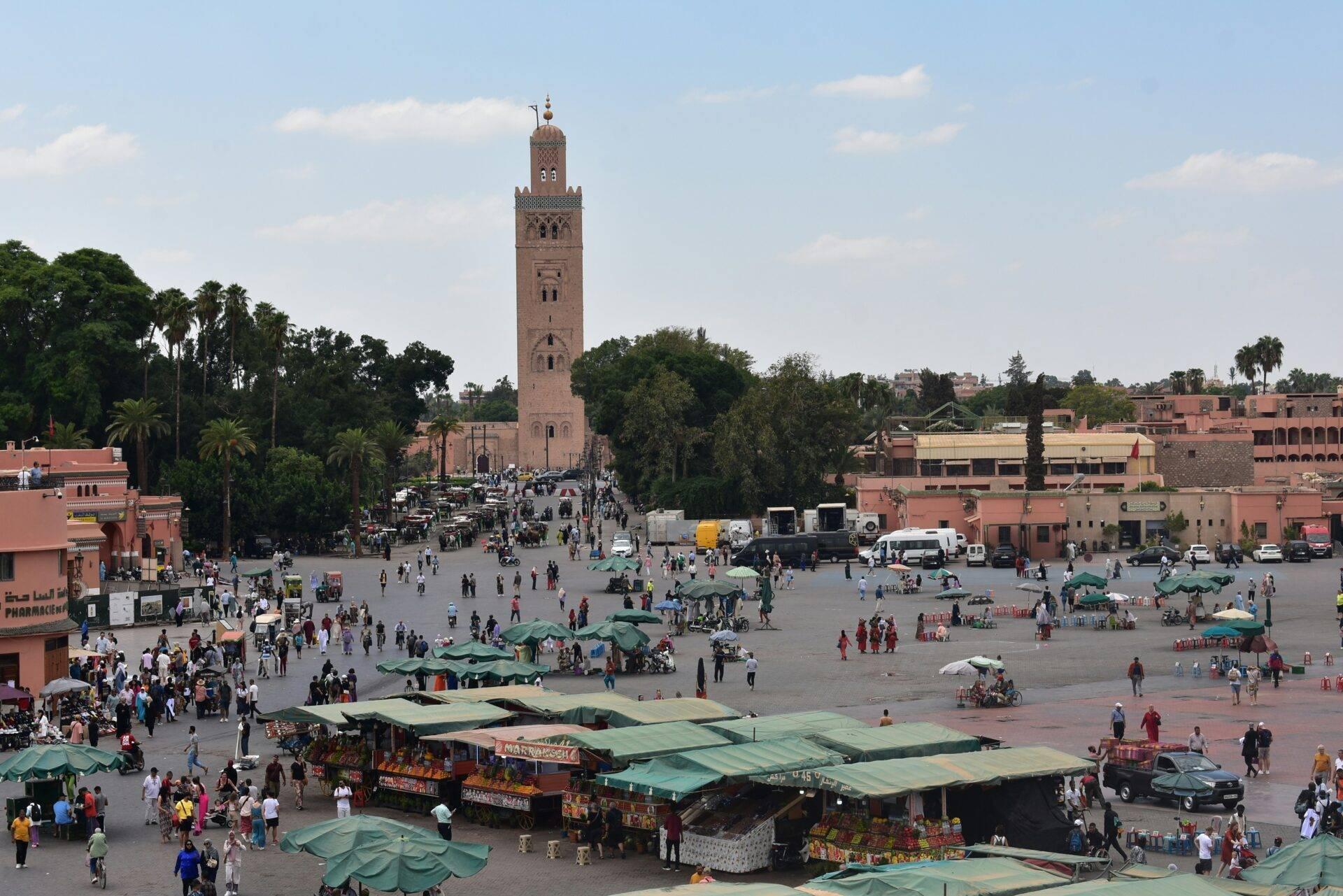
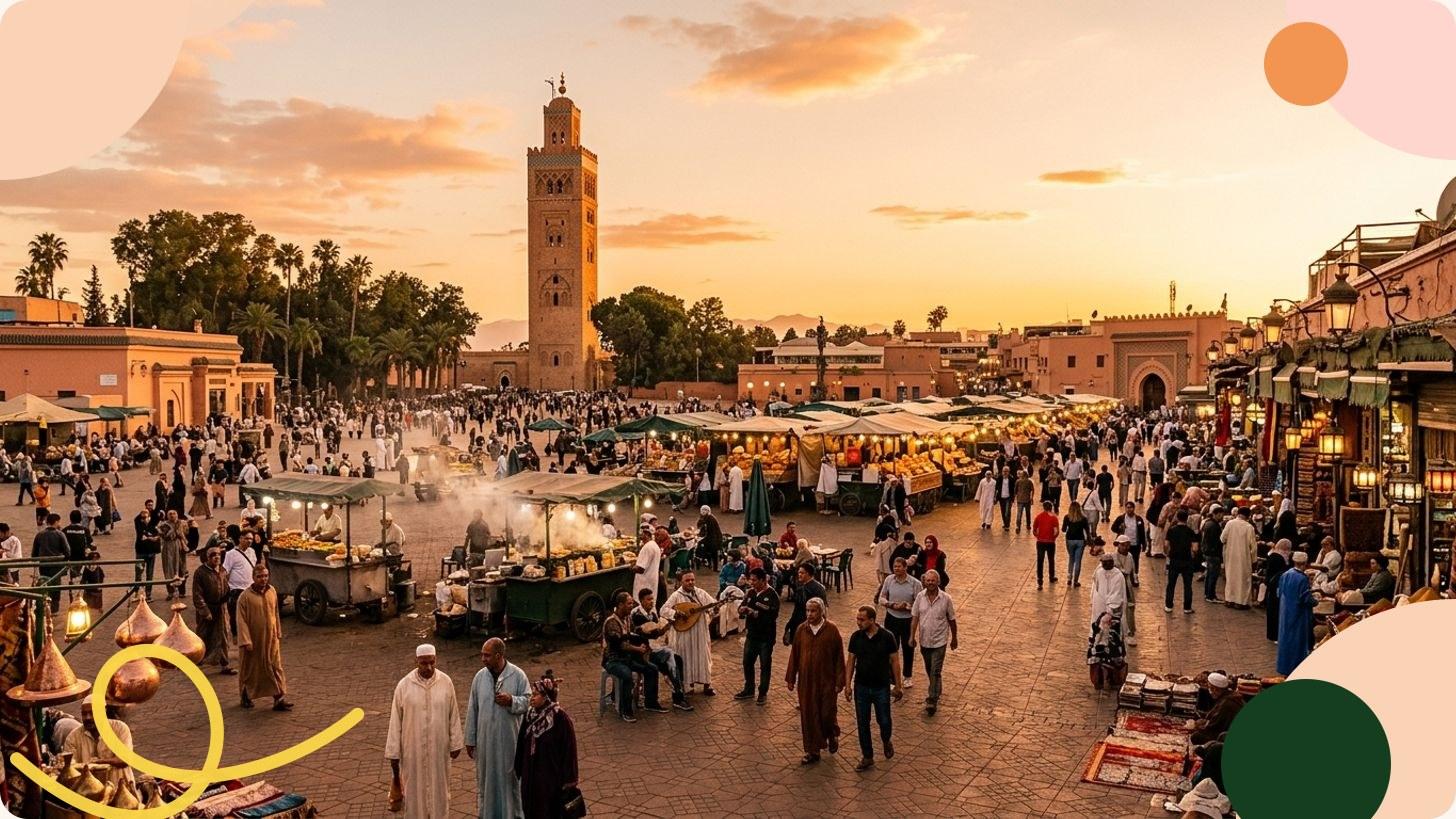
Jemaa el-Fna is the natural starting point for any visit to Marrakech. Recognised by UNESCO for its intangible cultural heritage, it transforms throughout the day: in the morning, fresh orange-juice vendors and henna artists hold court; by evening, Gnawa musicians, snake charmers and Berber storytellers turn the square into a non-stop spectacle. Pull up a seat on one of the surrounding rooftop terraces to take it all in from above, mint tea in hand.
The Medina Souks: a Labyrinth of Craftsmanship
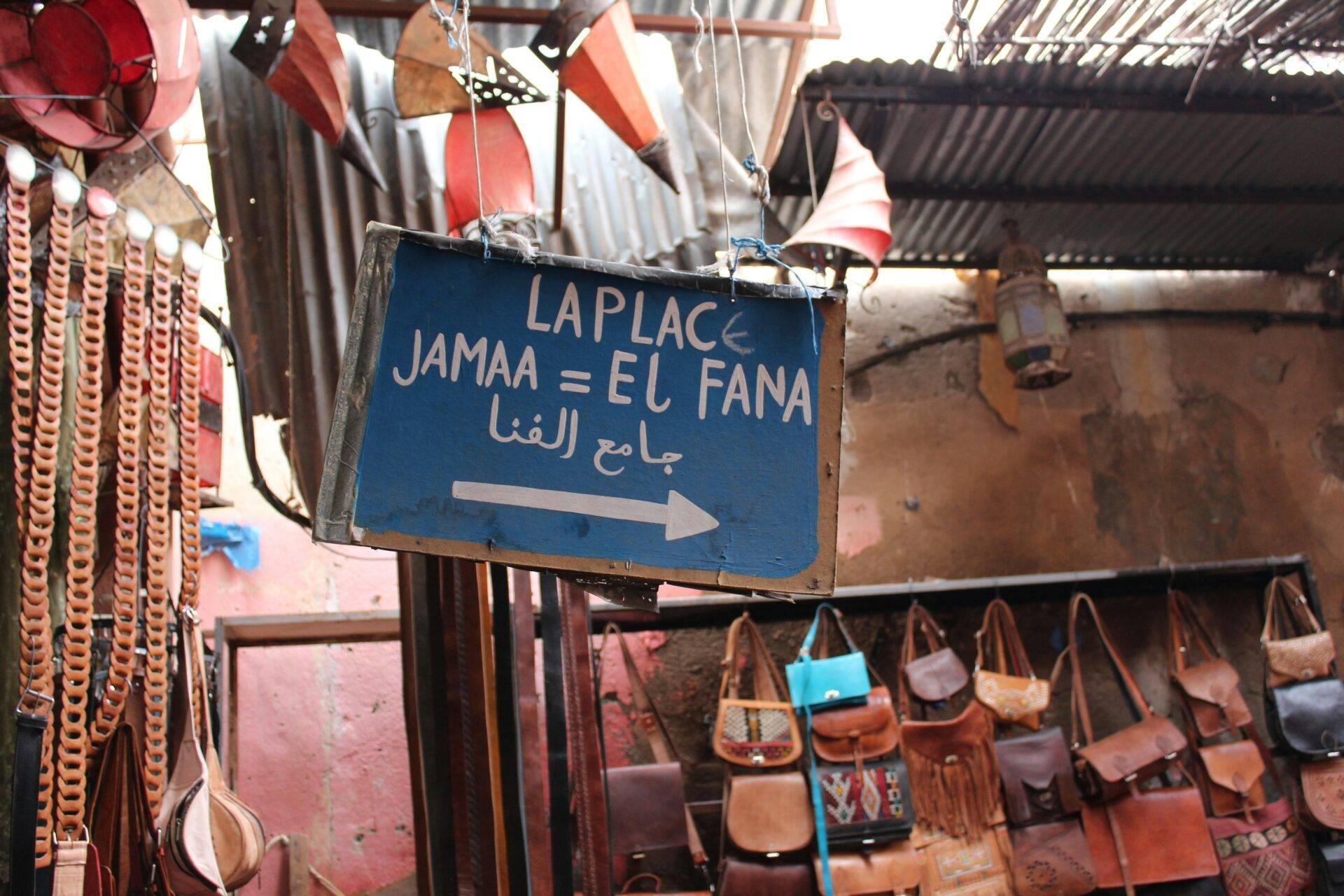
Stretching out from Jemaa el-Fna, the souks are organised into specialist districts: leather goods, Berber carpets, babouche slippers, spices, copperware and ceramics. Every alleyway opens onto another, and getting lost is all part of the adventure. Bargaining is expected in most stalls: stay friendly, take your time and never feel obliged to buy.
For a broader itinerary across the country before you set off, our guide on things to do in Morocco covers other Moroccan destinations worth exploring.
Bahia Palace: a Succession of Ornate Courtyards
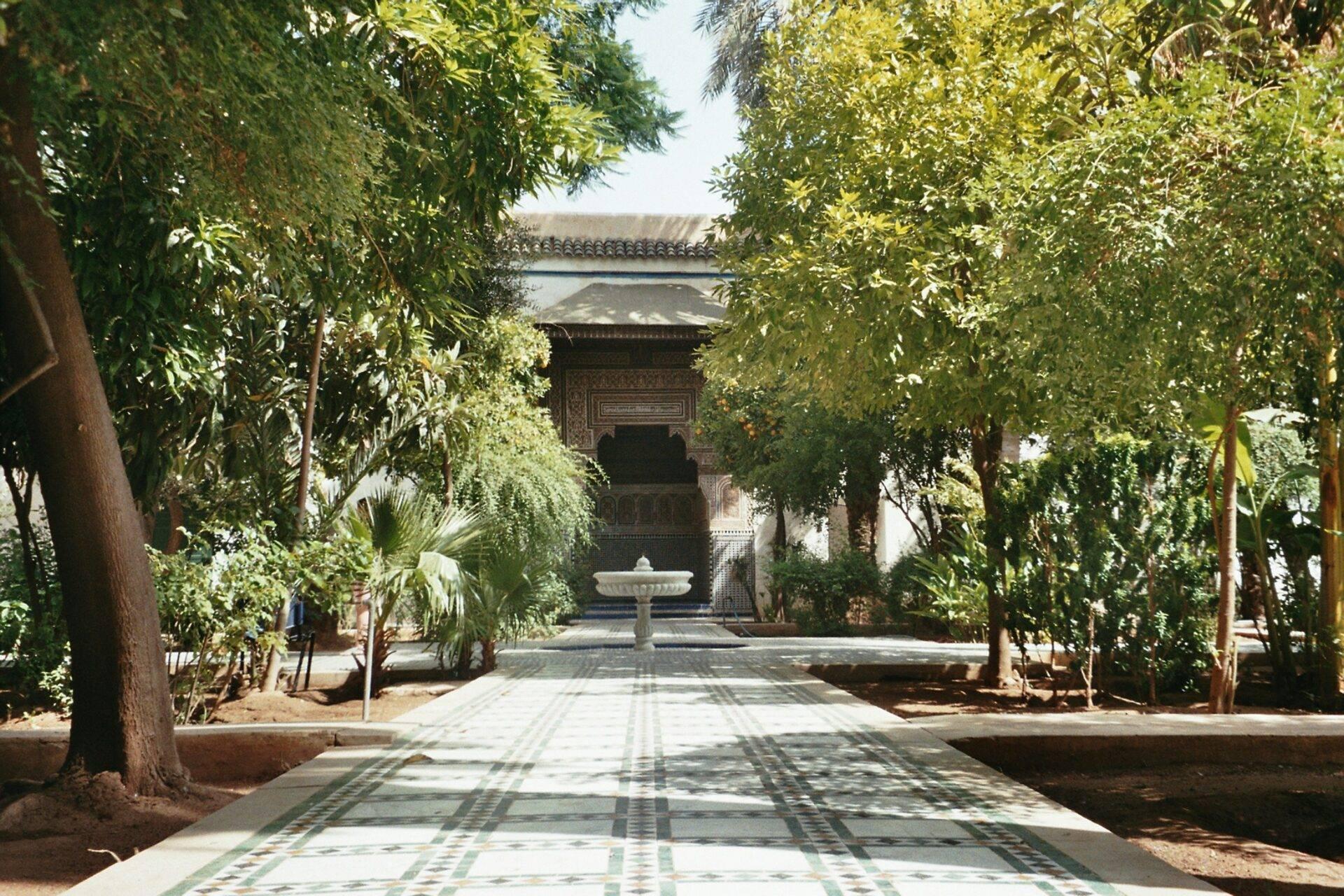
Built at the end of the 19th century, Bahia Palace unfolds across a series of inner courtyards, reception rooms lined with zellige tilework and ceilings of carved cedar. Its name means ‘the brilliant’. Allow around an hour to wander through the courtyards and apartments, which are particularly photogenic in midday light.
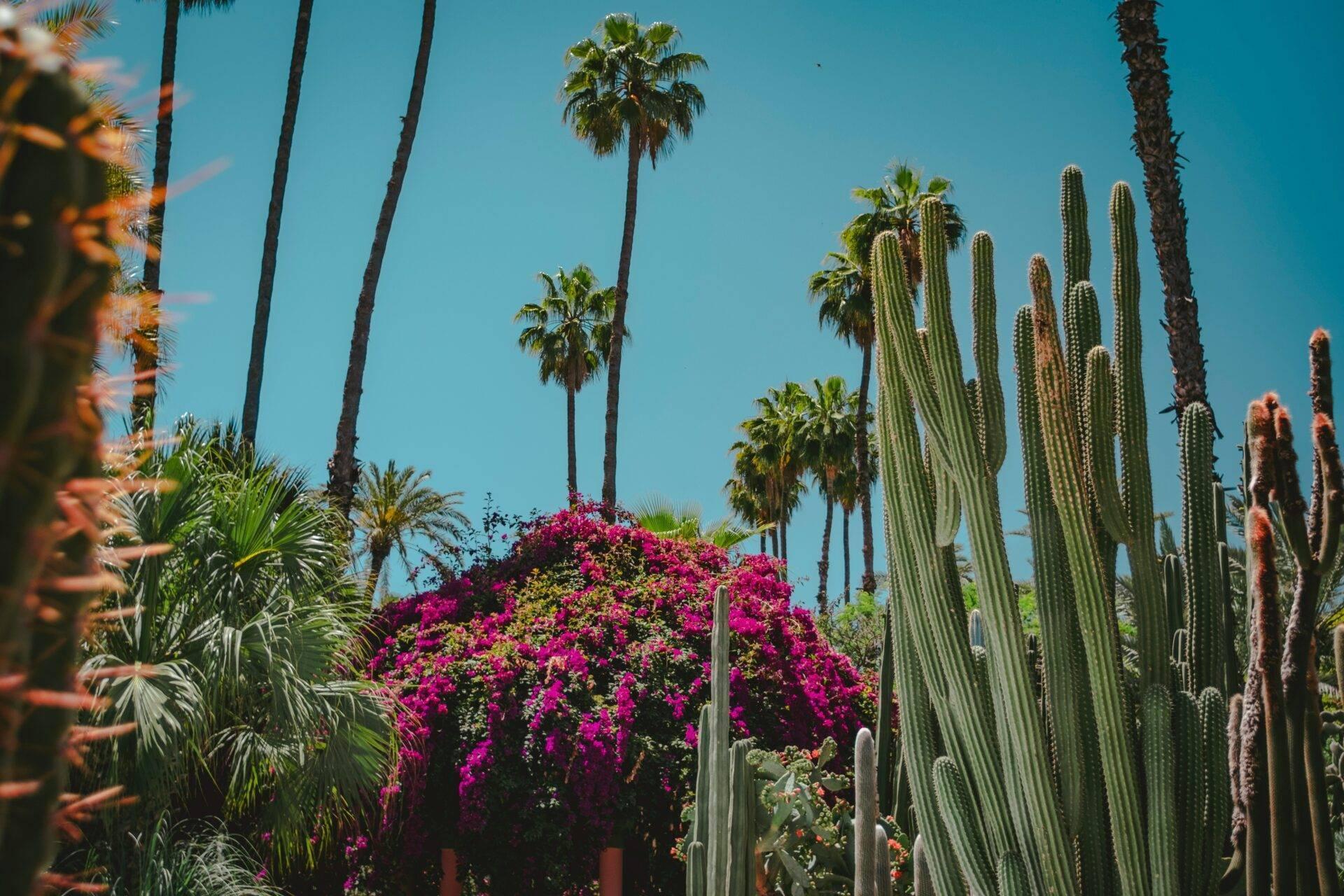
Majorelle Garden: an Oasis of Colour
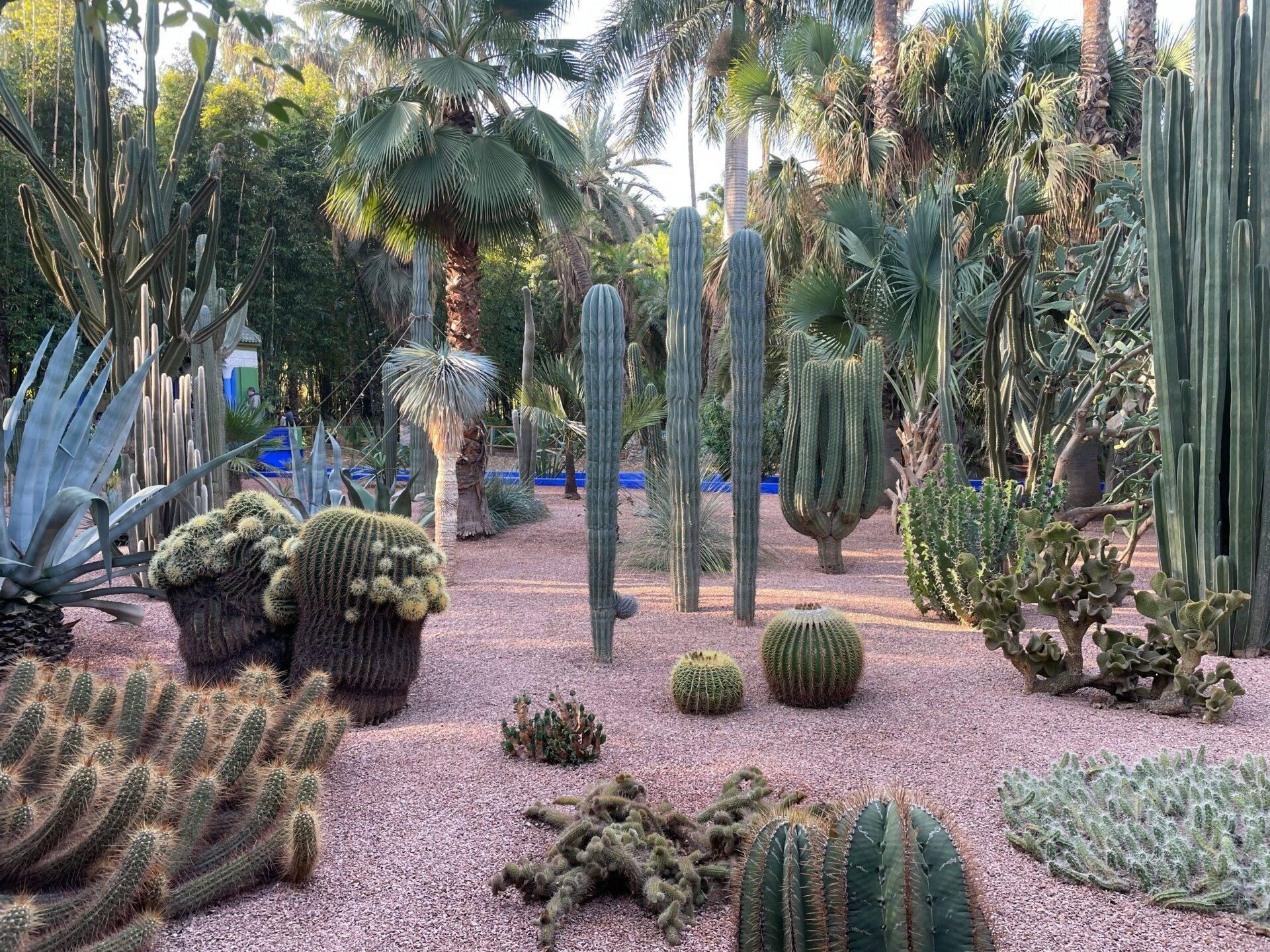
French painter Jacques Majorelle began laying out this botanical garden in 1923 and opened it to the public in 1947. After his death, fashion designers Yves Saint-Laurent and Pierre Bergé acquired it in the 1980s to save it from neglect. Managed since 2011 by the Fondation Jardin Majorelle, the garden brings together a remarkable variety of plant species around a villa painted in cobalt blue, which has become one of the most recognisable images of Marrakech.
The Koutoubia Mosque: a Minaret Visible from Across the City
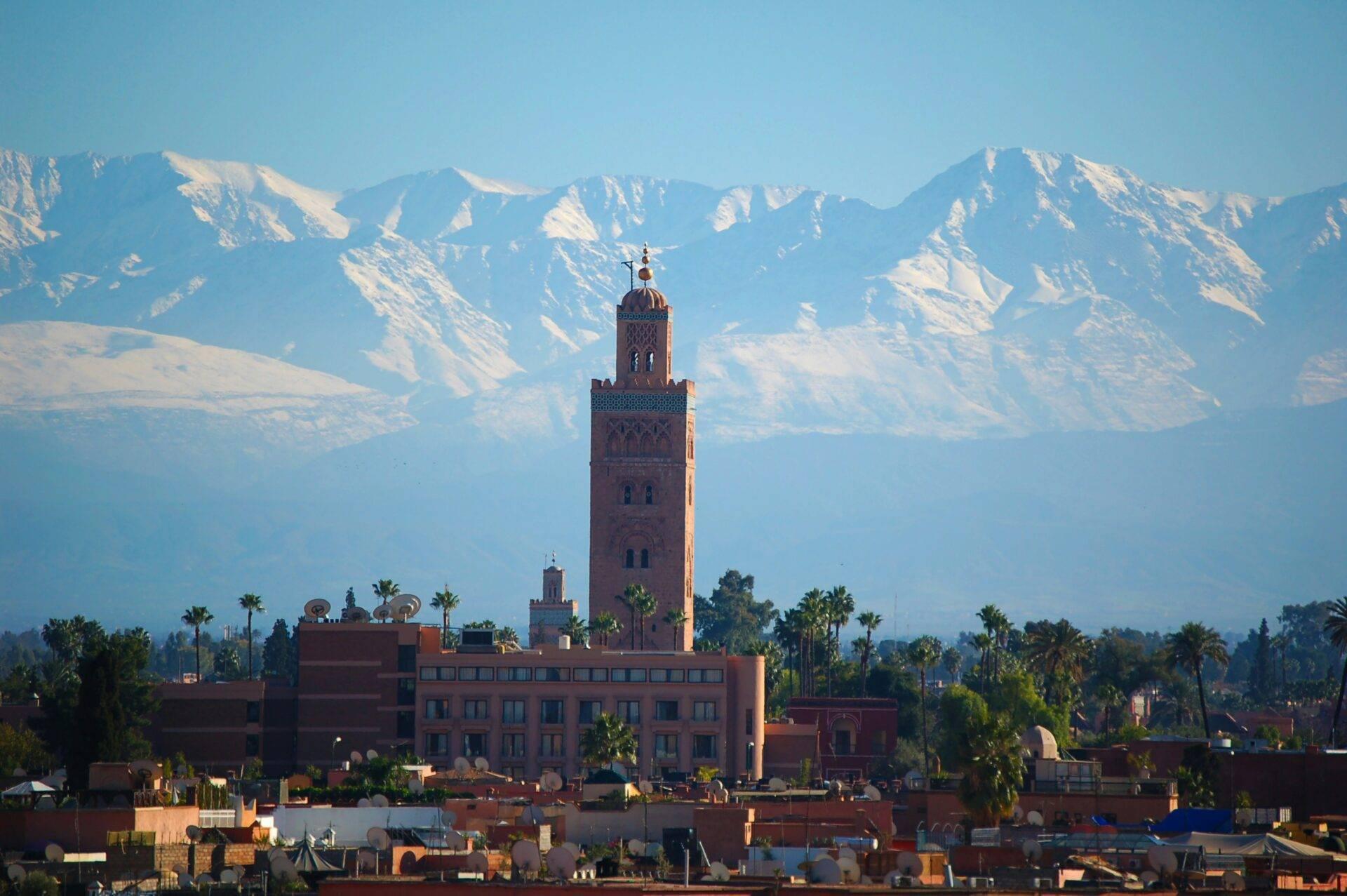
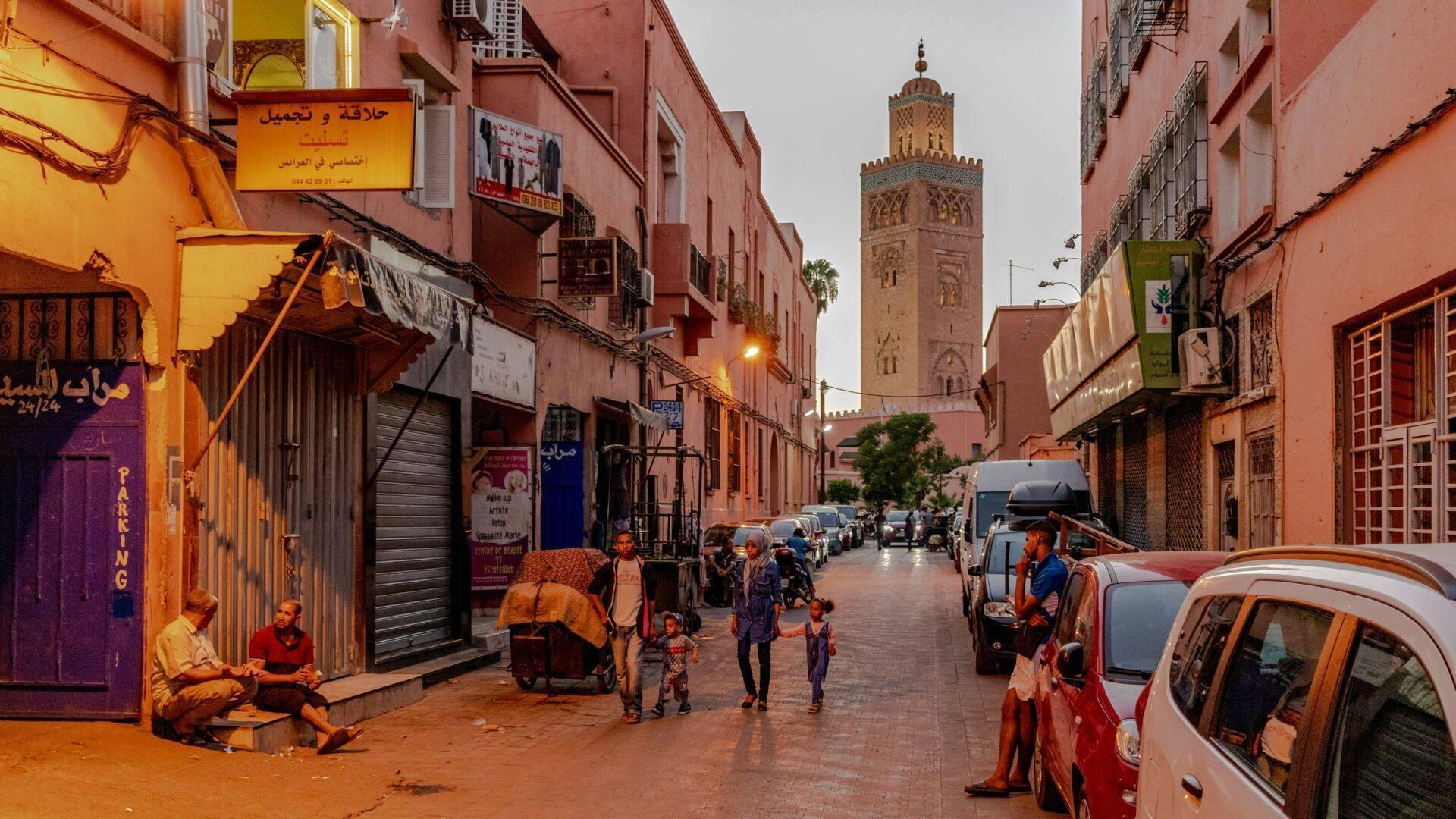
The Koutoubia’s minaret rises to 77 metres and remains Marrakech’s most recognisable landmark. Erected at the end of the 12th century, this masterpiece of Almohad architecture directly inspired both the Giralda in Seville and the Hassan Tower in Rabat. The interior is reserved for Muslim worshippers, but the surrounding gardens are open to all and offer a welcome haven of calm just steps from the square.
The Saadian Tombs: a Necropolis Rediscovered by Chance
Hidden behind a narrow walled passage, the Saadian necropolis was rediscovered in 1917 during restoration work. It houses around fifty graves adorned with finely carved marble epitaphs, dating from the reign of Ahmad al-Mansur (1578-1603). To reach the site, you will walk through a few medina alleyways. The mausoleums are covered in zellige, carved stucco and chiselled cedar: an extraordinary level of craftsmanship packed into a remarkably small space.
Menara Garden: a Pause Beneath the Olive Trees
Menara Garden stretches out to the west of the medina, centred on a large reflecting pool fed by waters from the Atlas Mountains. The olive groves provide welcome shade, and the central pavilion mirrored in the pool is one of the most iconic images of Marrakech in travel photography. It is the ideal spot to unwind after a full day of city exploration.
The Medina Ramparts: a Walk Through History
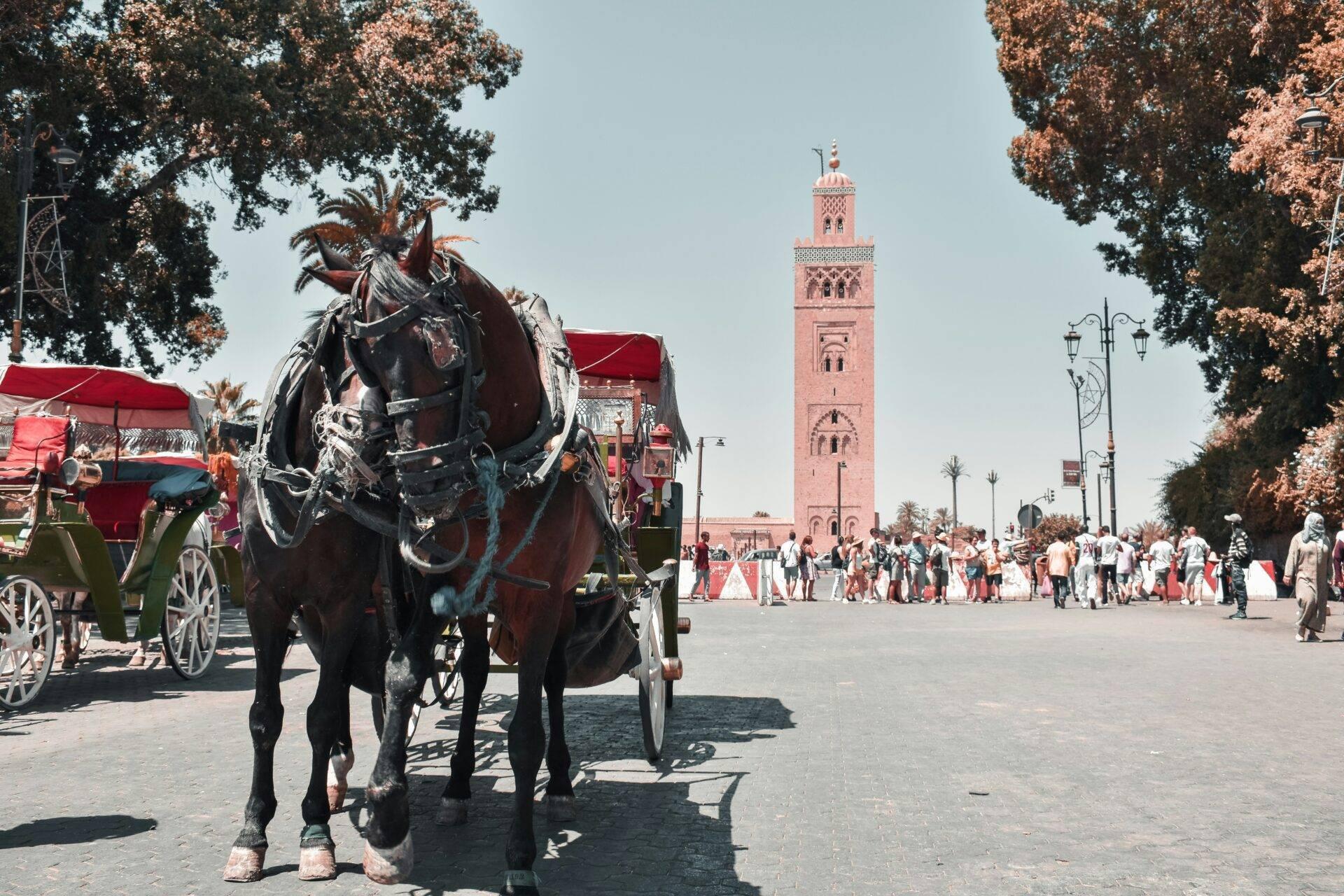
Marrakech’s ramparts stretch for several kilometres. You can follow them on foot, by bike or by horse-drawn carriage. The latter remains one of the city’s most traditional experiences: carriages line up near Jemaa el-Fna and take visitors on a circuit of the walls in roughly an hour.
Hammams: Moroccan-Style Self-Care

Marrakech has no shortage of hammams, ranging from neighbourhood bathhouses to upscale spas. The classic treatment includes a steam bath, a scrub with black beldi soap using a kessa mitt, followed by a massage with argan oil. For a comfortable first visit, ask your accommodation for a recommendation: they will often point you towards establishments well used to welcoming international guests.
Day Trips from Marrakech: Desert, Valleys and Mountains
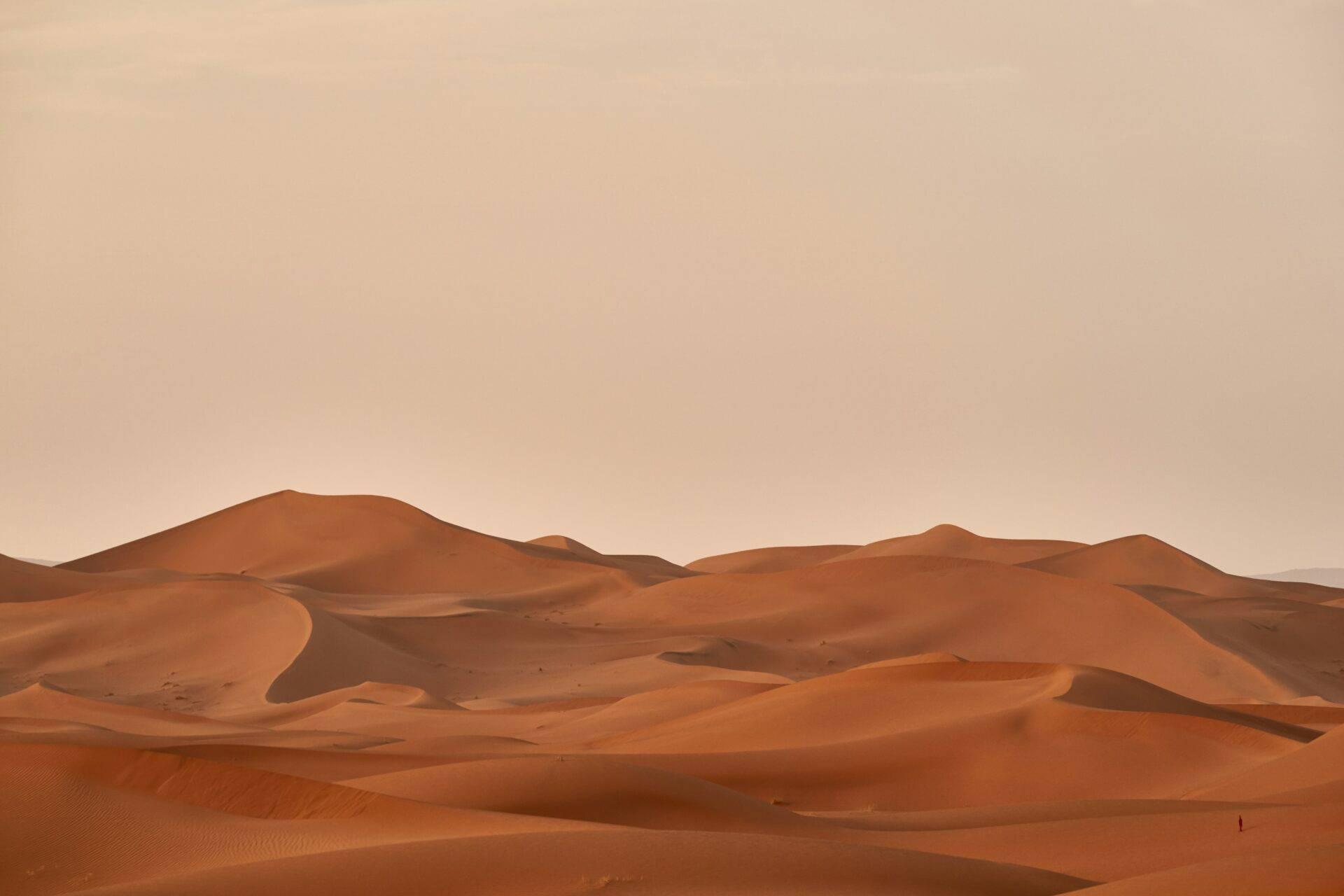
Marrakech makes a natural base for exploring the surrounding region. The Agafay Desert, a landscape of stone and rock around an hour’s drive away, can be done as a day trip. To reach the great Saharan sand dunes, allow a minimum of two days’ travel from the city. The Ourika Valley and the Tizi n’Tichka pass are also both reachable as day trips.
If your next big adventure takes you across the Atlantic, our guide to must-see places in North America can help you plan a very different kind of trip.
FAQ
When is the best time to visit Marrakech?
Spring (March to May) and autumn (September to November) are the most pleasant seasons, with mild temperatures and manageable crowds. In summer, the heat in the medina can be intense. Winter days remain mild, though evenings can be cool.
How many days should you spend in Marrakech?
Three days are enough to cover the main medina highlights: Jemaa el-Fna, the souks, the palaces and the gardens. Five days or more give you time to add a trip to the Ourika Valley, the Agafay Desert or the Atlas Mountains.
Do you need to book Majorelle Garden in advance?
Yes, booking tickets online is strongly recommended, particularly in high season (spring, autumn and school holidays). Queues can be long without a pre-purchased ticket.
Is the Marrakech medina easy to explore on your own?
The medina is very manageable on your own, as long as you are happy to lose your bearings from time to time. A basic map or offline app will help you find your way back. A licensed official guide can give you a much richer understanding of the monuments’ history and how the souks are organised.
Do you need travel insurance for Marrakech?
Standard state health cover is typically very limited outside your home country. In the event of an accident or illness in Marrakech, medical costs are largely your responsibility. Travel insurance covering medical care and repatriation protects you without having to pay large sums out of pocket. With Yupwego, you can get covered in just a few minutes before you leave.