
Ireland packs Atlantic cliffs, centuries-old pubs, ruined castles and world-class museums into less than 500 kilometres. Whether you have a week or longer, here are the 20 experiences that define the essential Irish trip, organised by region to help you build your itinerary. For practical information before you depart, find entry requirements and cover options on the Ireland travel insurance page.
Get my travel insurance quoteDublin and Surrounds
Compact and entirely walkable, Dublin can be covered in two to three days. It concentrates several of the country’s finest cultural highlights.
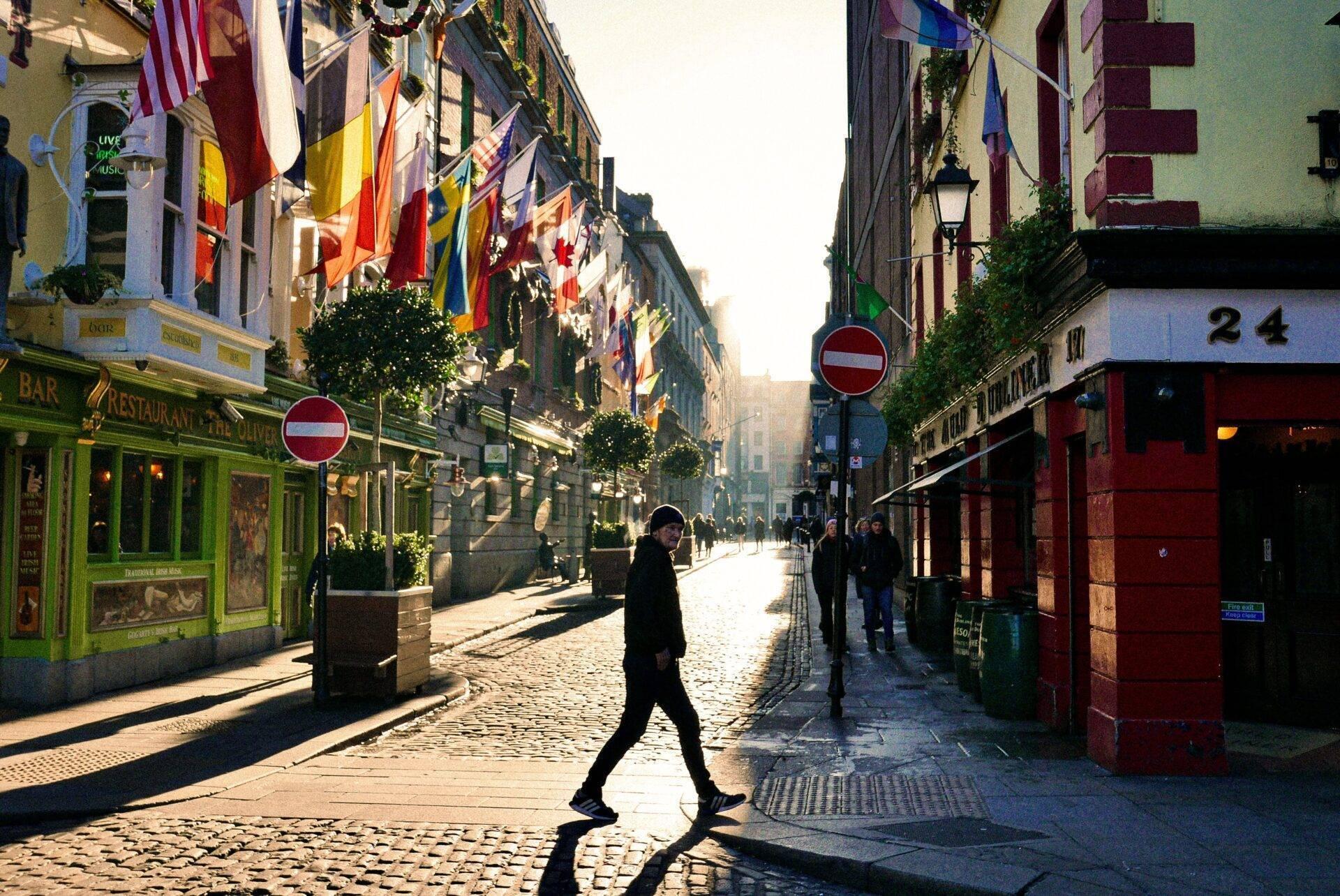
Temple Bar
At the heart of Dublin, Temple Bar is a warren of cobbled streets, colourful facades and pubs where traditional music spills onto the pavements from early evening. It is the ideal spot for your first Irish night: the atmosphere does not need to be sought out, it comes to you.
The Guinness Storehouse
On 31 December 1759, Arthur Guinness signed the lease on his St. James’s Gate brewery for a rent of £45 a year, valid for nine thousand years. Since the interactive museum opened in 2000, more than twenty million visitors have made their way through its seven floors. The visit ends at the Gravity Bar on the top floor: the complimentary pint comes with a 360-degree view over Dublin.

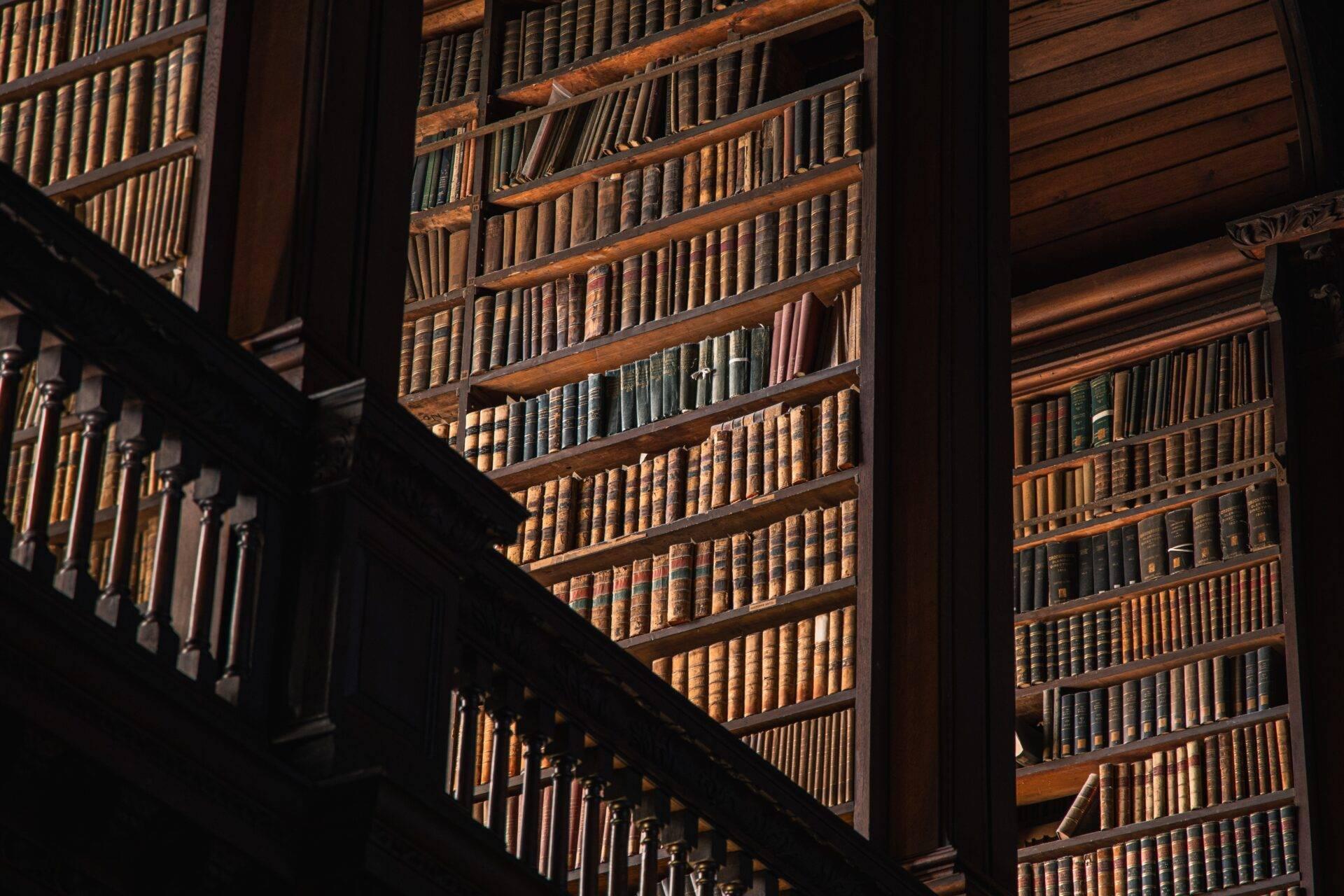
Trinity College and the Old Library
Founded in 1592, Trinity College is Ireland’s oldest campus. Its centrepiece, the Long Room of the Old Library, houses the Book of Kells, four gospels illuminated in the 9th century, along with around 200,000 ancient volumes. It is one of the most photographed historic interiors in the country.
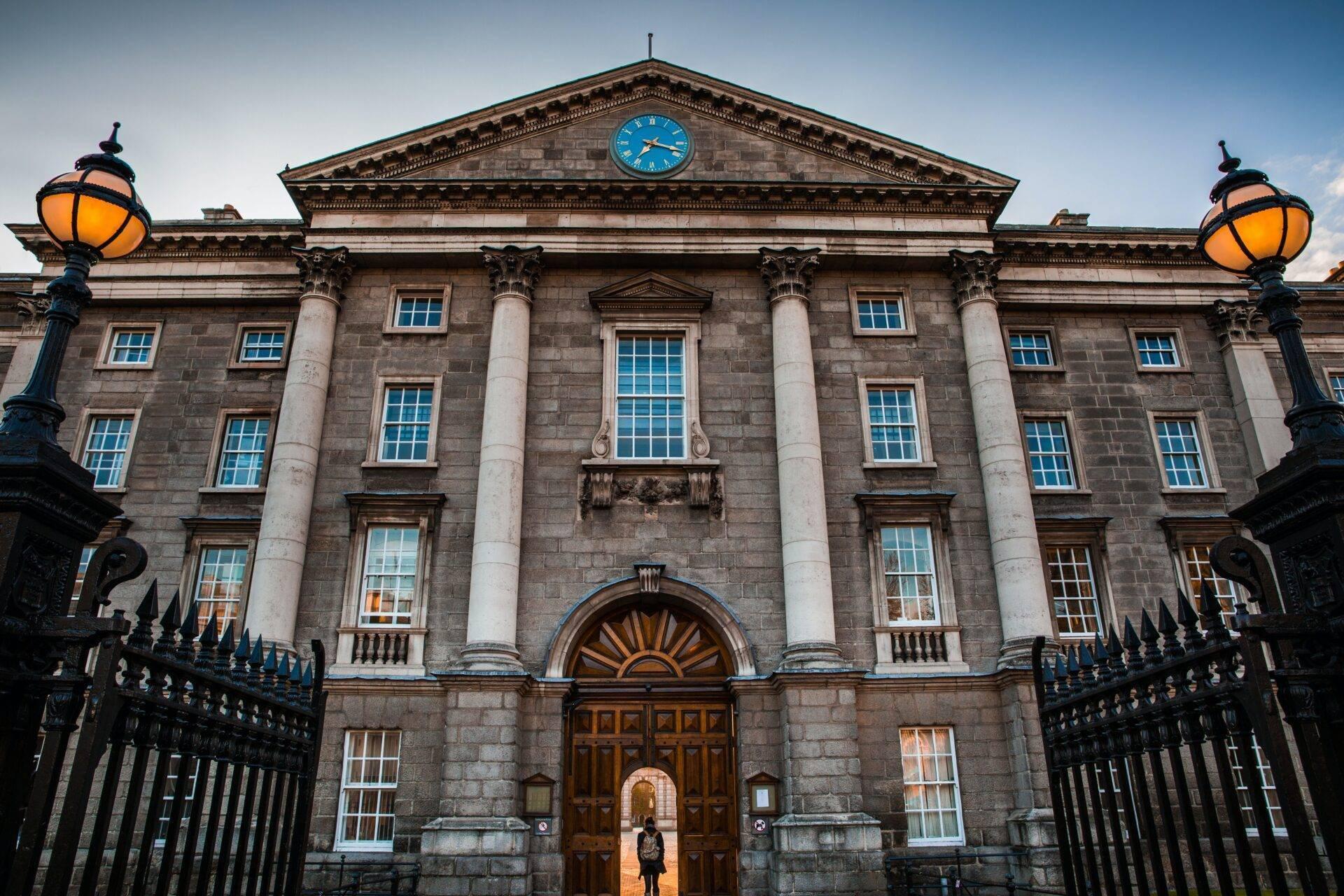
The National Museum of Ireland
Opposite Trinity College, the National Museum of Ireland (Archaeology branch) holds one of the finest collections of Celtic goldwork and bog bodies in Northern Europe. Its neoclassical architecture, columns, clock and all, makes it a visual destination as much as a cultural one.
Glasnevin Cemetery
Founded in 1832 by Daniel O’Connell, Glasnevin is Ireland’s national cemetery. Its 124 acres hold more than 1.5 million graves, including those of Michael Collins, Éamon de Valera and Charles Stewart Parnell. Guided tours run by the adjoining museum tell the story of Irish independence through its headstones.
Dublin Zoo
Opened in 1831, Dublin Zoo is one of the oldest in Europe. Tucked inside Phoenix Park, it is home to more than 400 animals and runs active conservation programmes for endangered species.

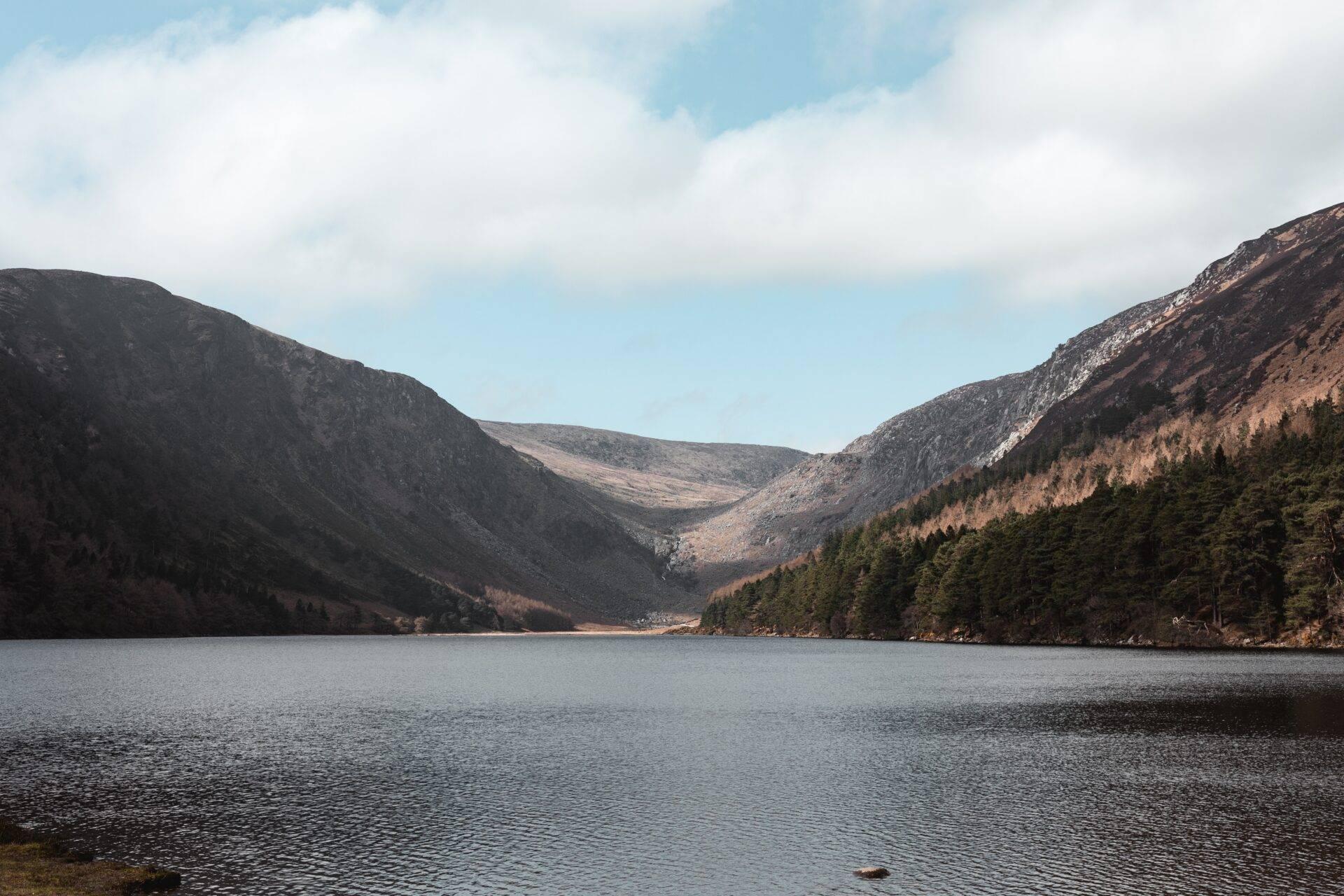
Glendalough, the Valley of the Two Lakes
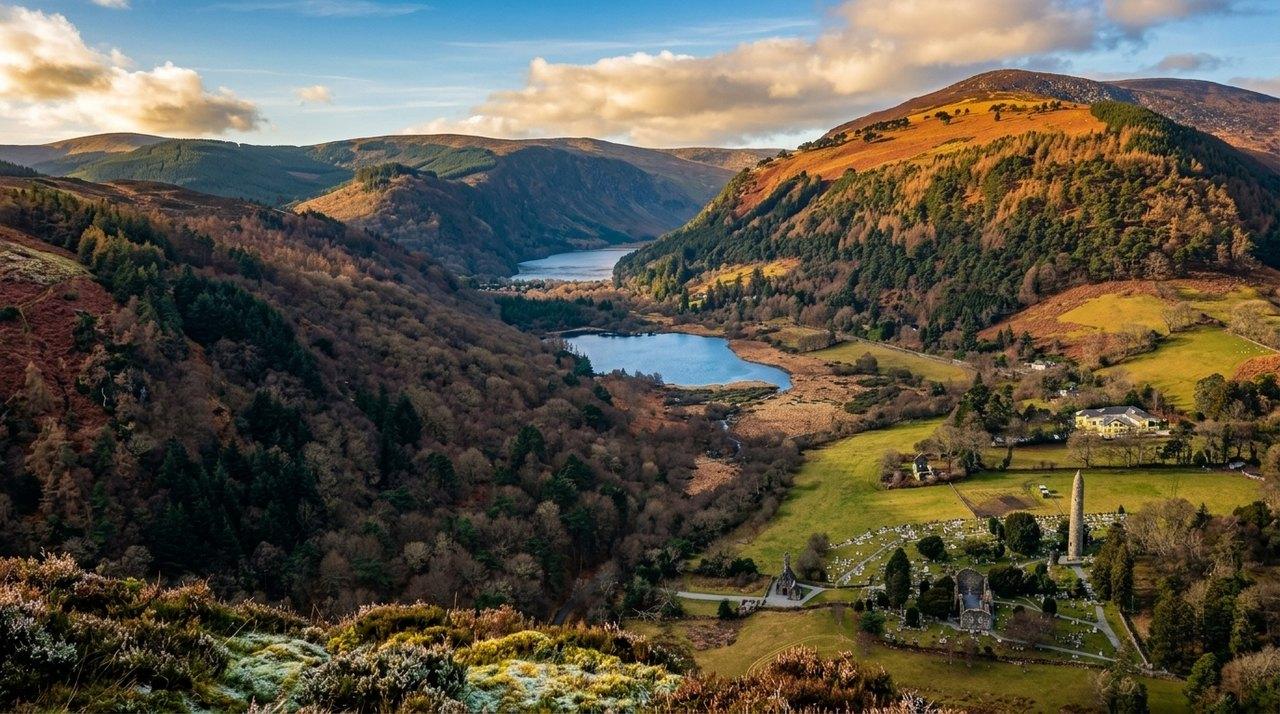
An hour south of Dublin in County Wicklow, Glendalough (meaning “valley of the two lakes” in Irish) is home to a monastic complex founded in the 6th century by St Kevin. The abbey ruins, round tower and walking trails along both lakes make it the finest day trip from the capital.
The West Coast: Cliffs, Bays and Wild Moorland
The west coast holds what most people come to Ireland for: breathtaking scenery, ever-changing light and a landscape that feels barely touched.
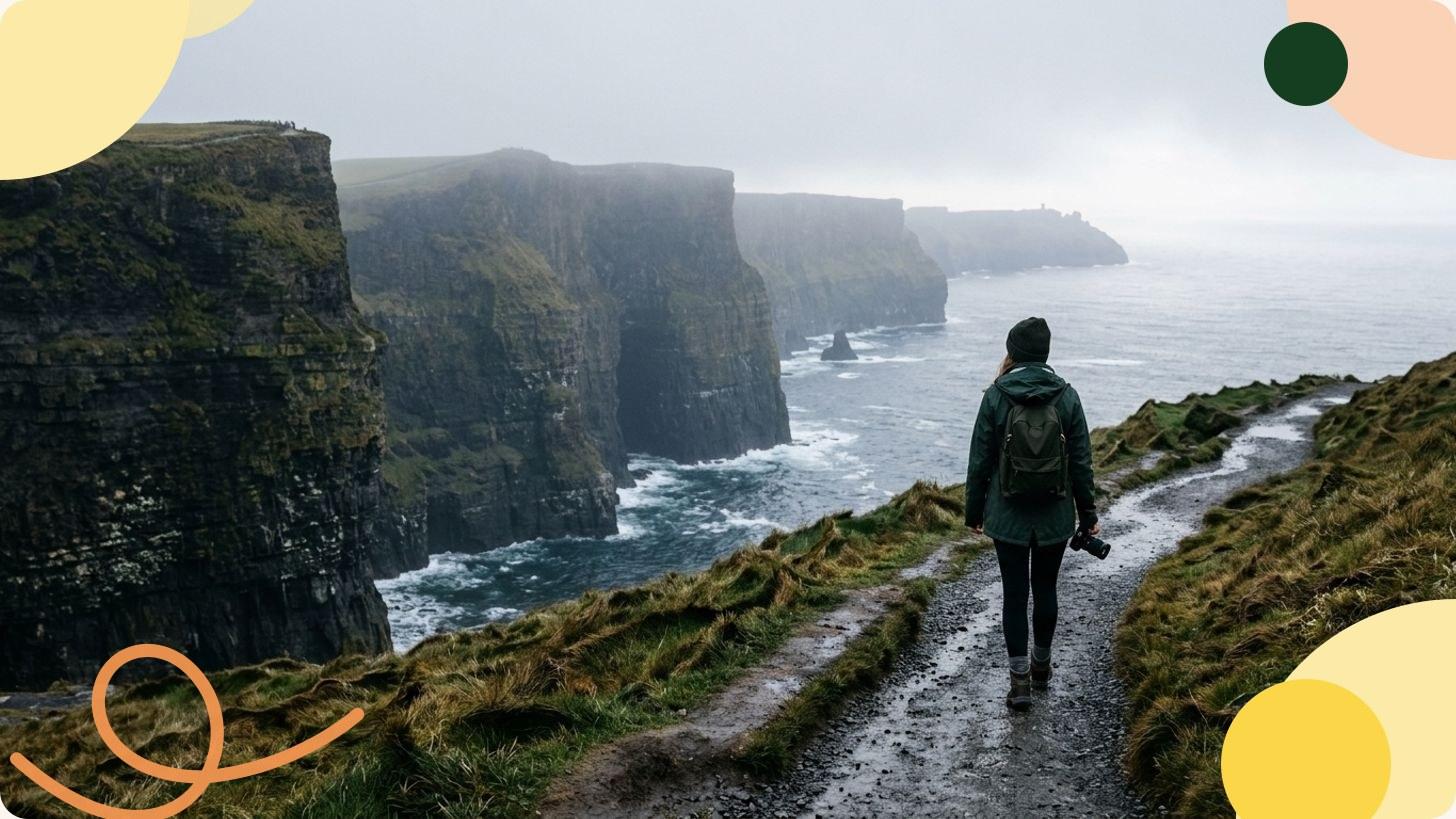
The Cliffs of Moher
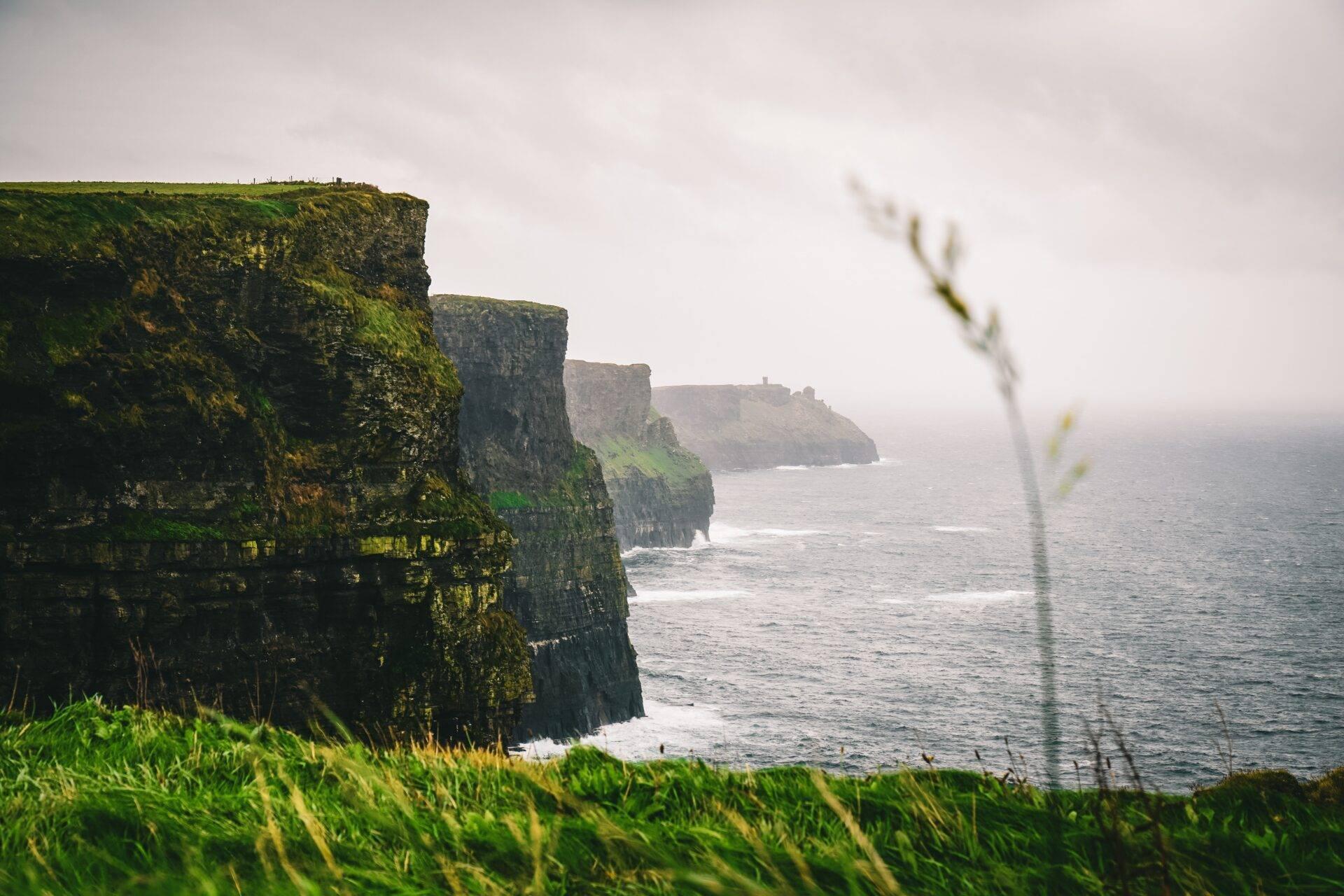
In County Clare, the Cliffs of Moher stretch for 14 kilometres along the Atlantic. Their highest point reaches 214 metres: on a clear day you can make out the Aran Islands and, beyond them, the Twelve Pins of Connemara. In 2022, the site welcomed more than one million visitors. Arrive early in the morning to beat the tour groups.
Galway and its Surroundings
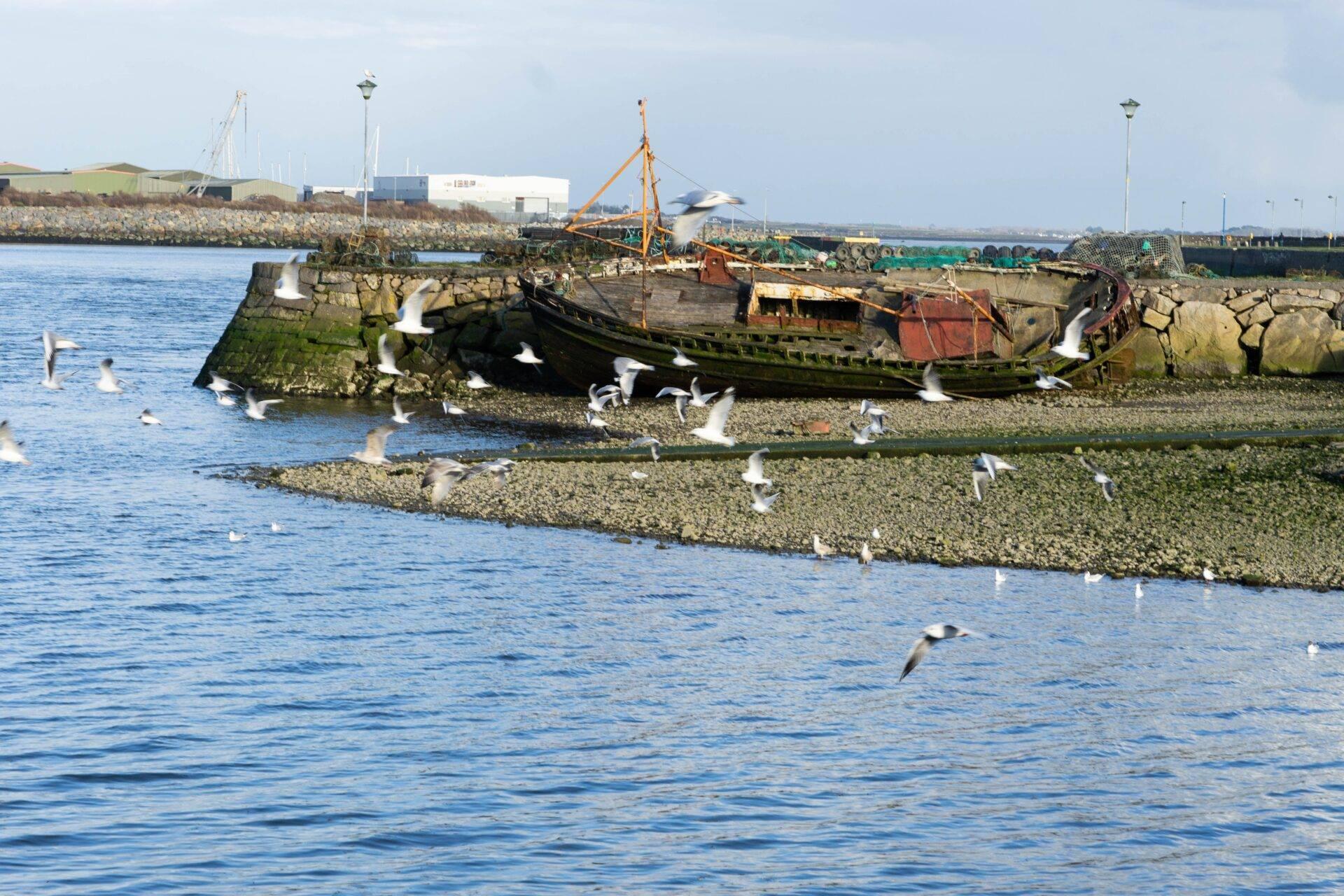
Galway is the liveliest city on the west coast. Its pedestrian streets hum with session music and its pubs welcome musicians and travellers with equal warmth. The city makes a perfect base for ferry trips to the Aran Islands or drives out into the Connemara moorlands.
Connemara
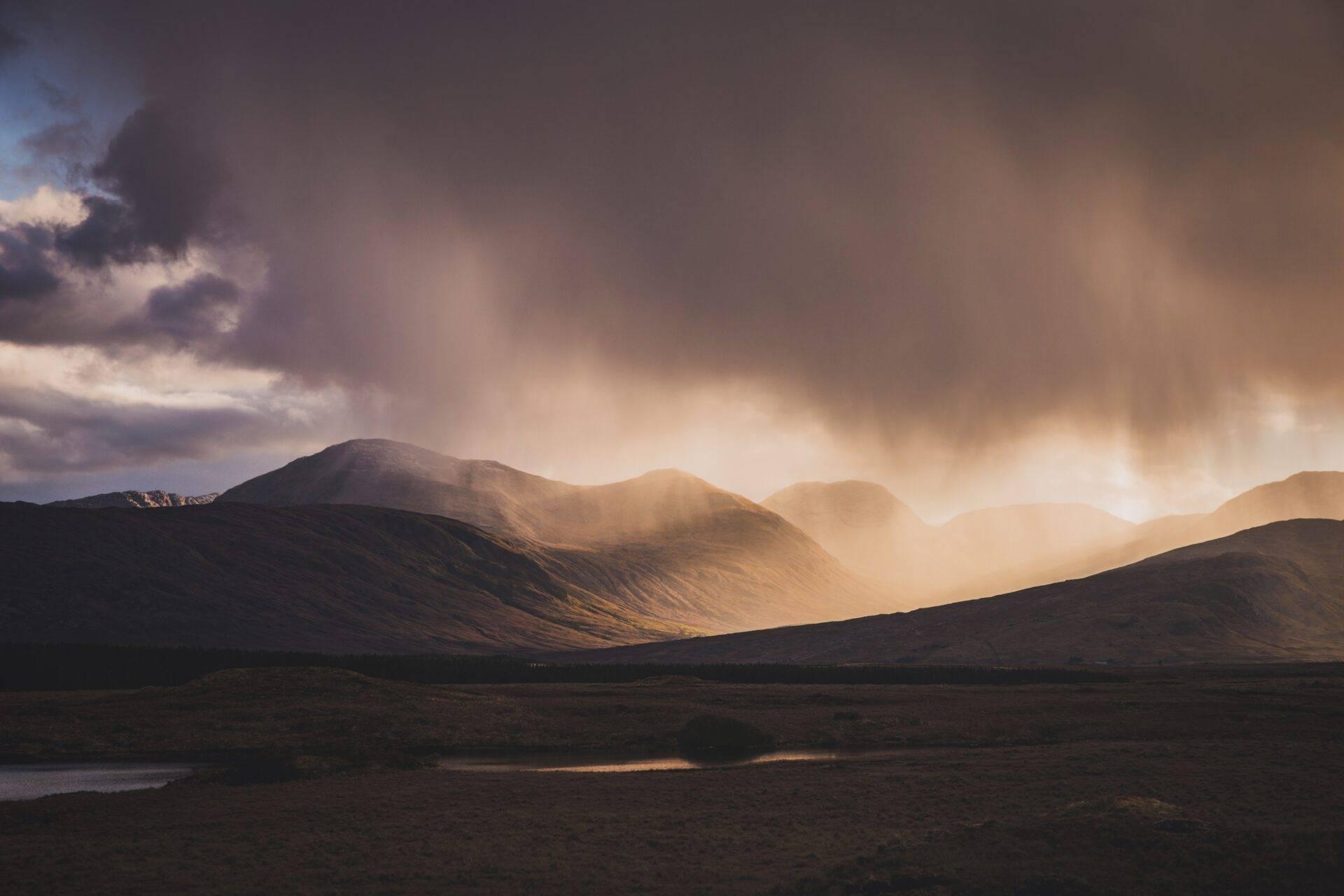
Connemara, west of Galway, is not a town but an expanse of moorland, peat bogs, lakes and mountain ranges, the Twelve Bens, where the road stretches for kilometres without passing a soul. It is one of the few parts of Ireland where Irish (Gaelic) remains the everyday language.
The Ring of Kerry
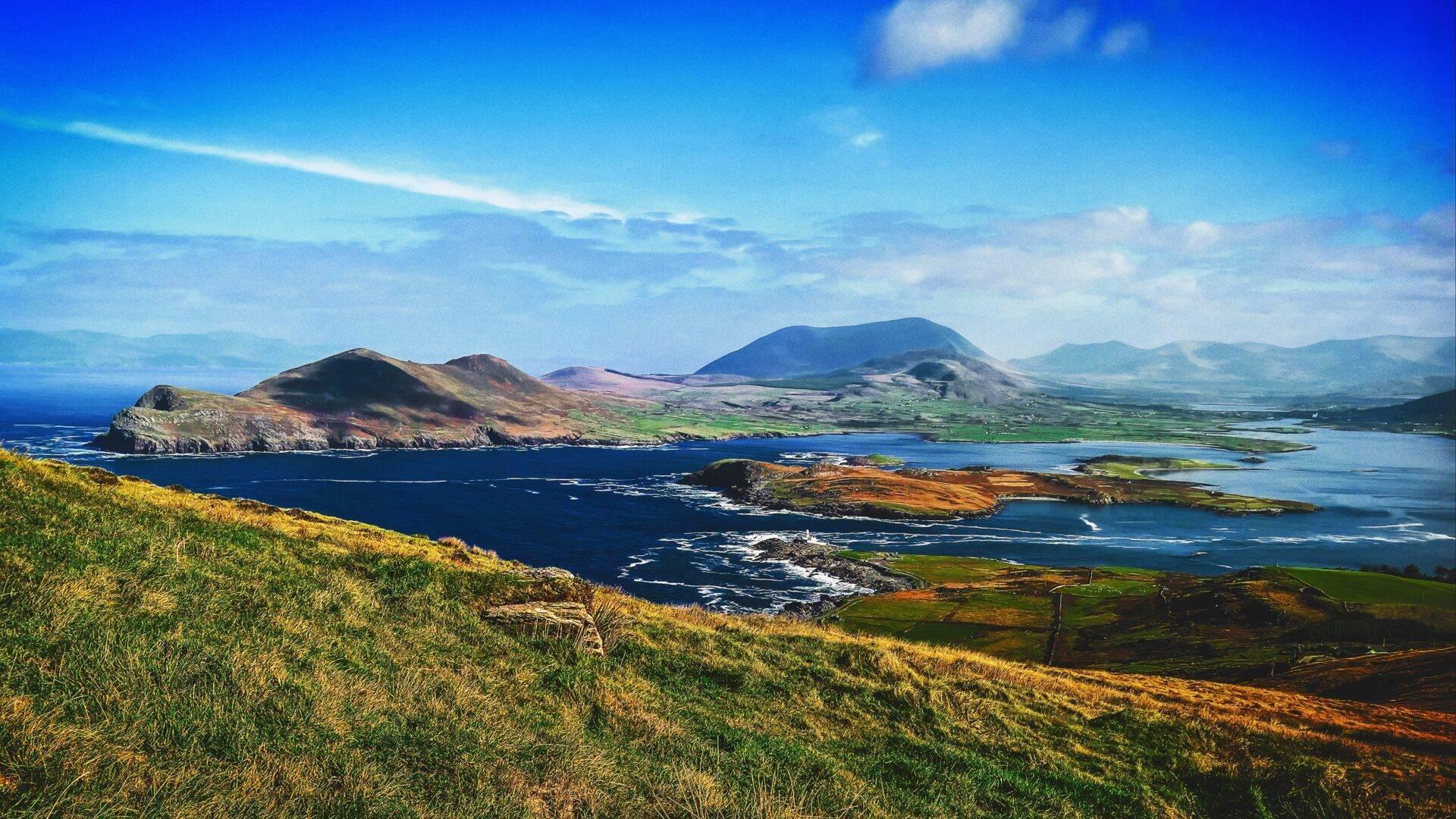
A 179-kilometre loop around the Iveragh Peninsula in County Kerry, the Ring of Kerry links lakes, mountains, the ruins of prehistoric forts and sweeping views over Kenmare Bay. By car, allow a full day with two or three stops. By bike, plan for two days. Travelling clockwise is recommended to avoid head-on encounters with tourist coaches.
Killarney National Park
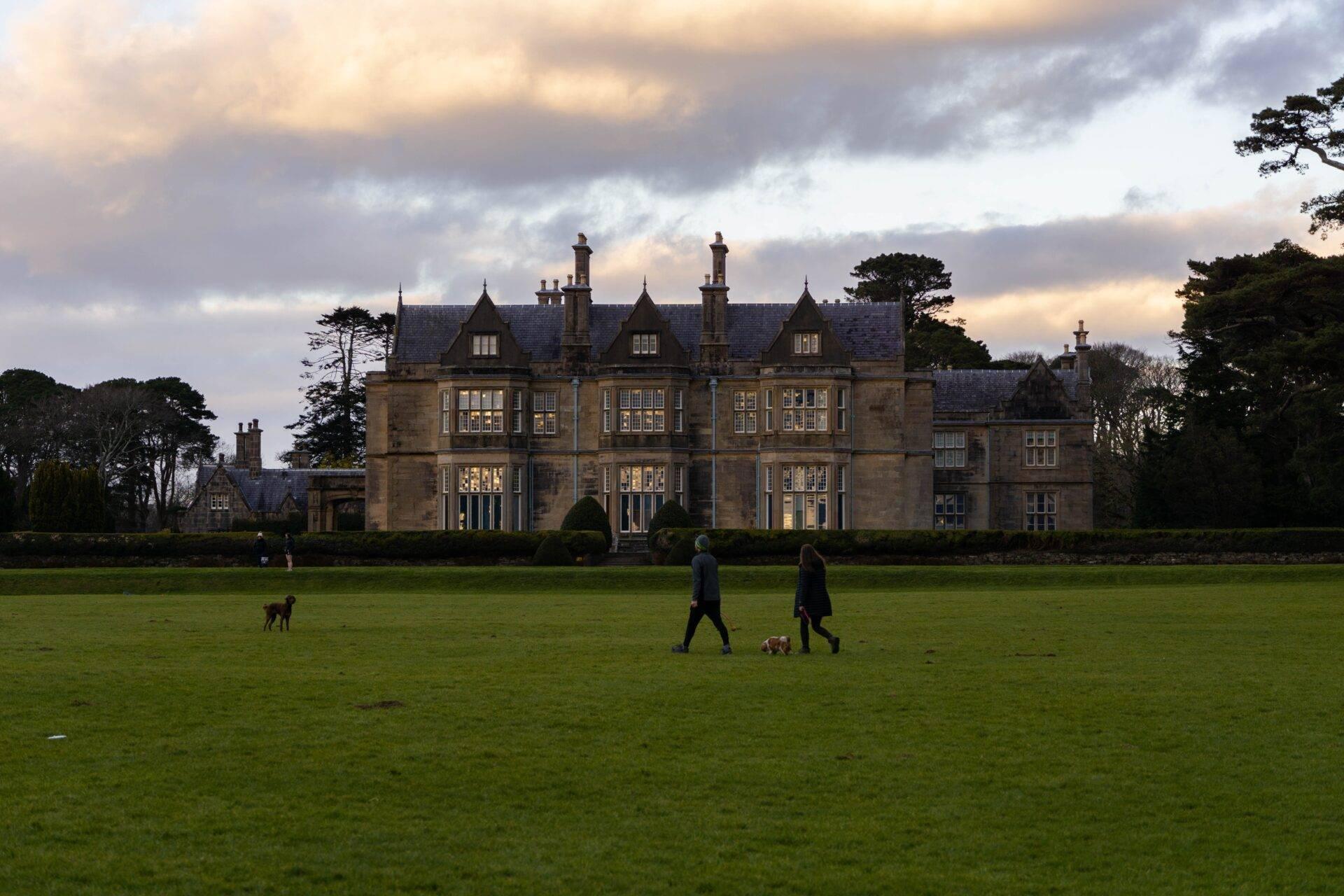
Ireland’s first national park, established in 1932 thanks to the donation of the Muckross Estate to the State, now covers more than 10,200 hectares. Killarney’s lakes, ancient oak forests and the peaks of the MacGillycuddy’s Reeks, including Carrauntoohil, the island’s highest point, make it essential territory for walkers and cyclists alike.
Castles, Abbeys and Medieval Sites
Ireland counts among its treasures some remarkably well-preserved castles and abbeys. Each of the following three sites deserves at least half a day.
Blarney Castle
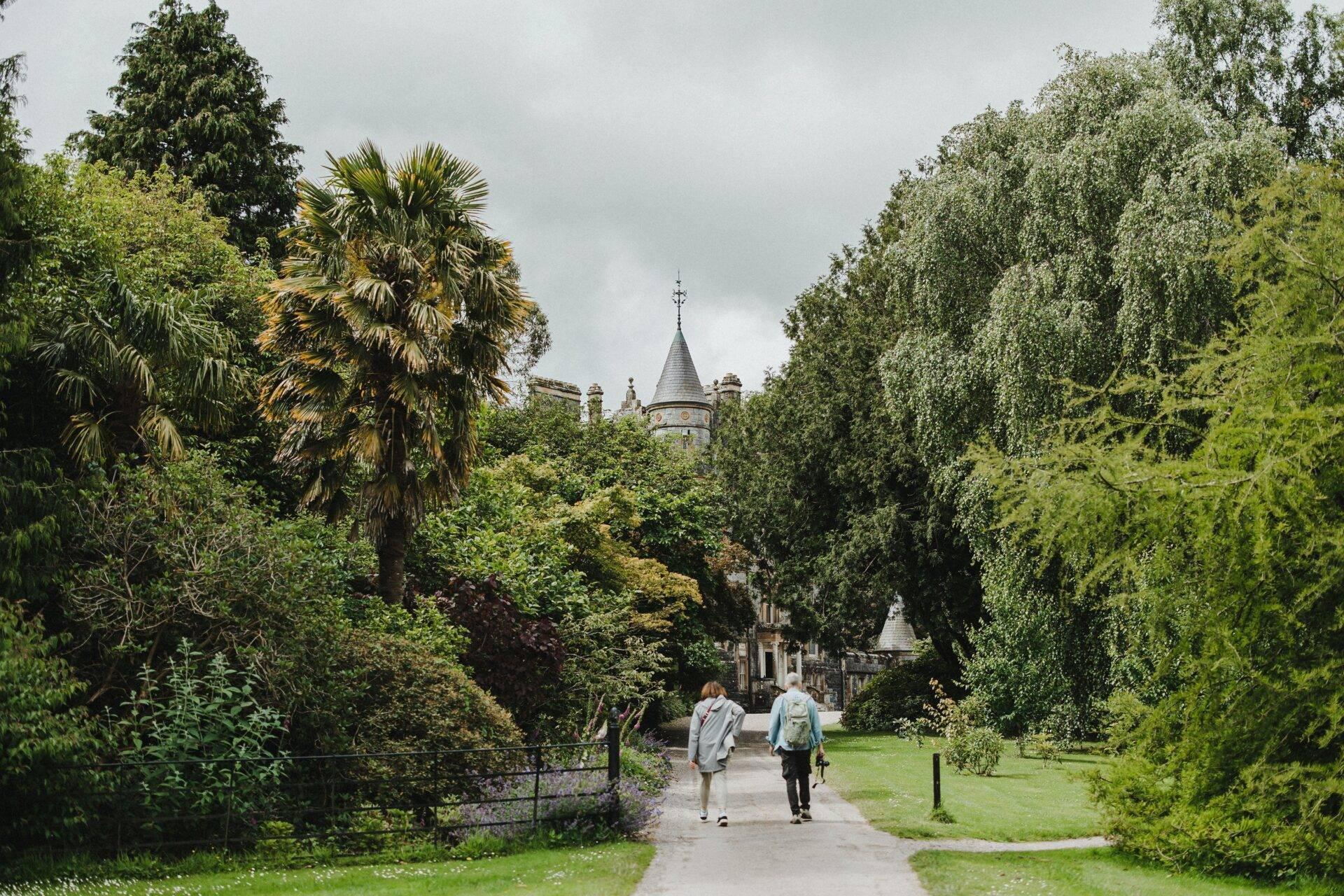
A few kilometres outside Cork, Blarney Castle is famous for the Blarney Stone: according to tradition, kissing it bestows the gift of the gab. But the gardens surrounding this medieval fortress, dotted with caves and mysterious passageways, are just as worth the visit as the climb to the parapet.
The Rock of Cashel
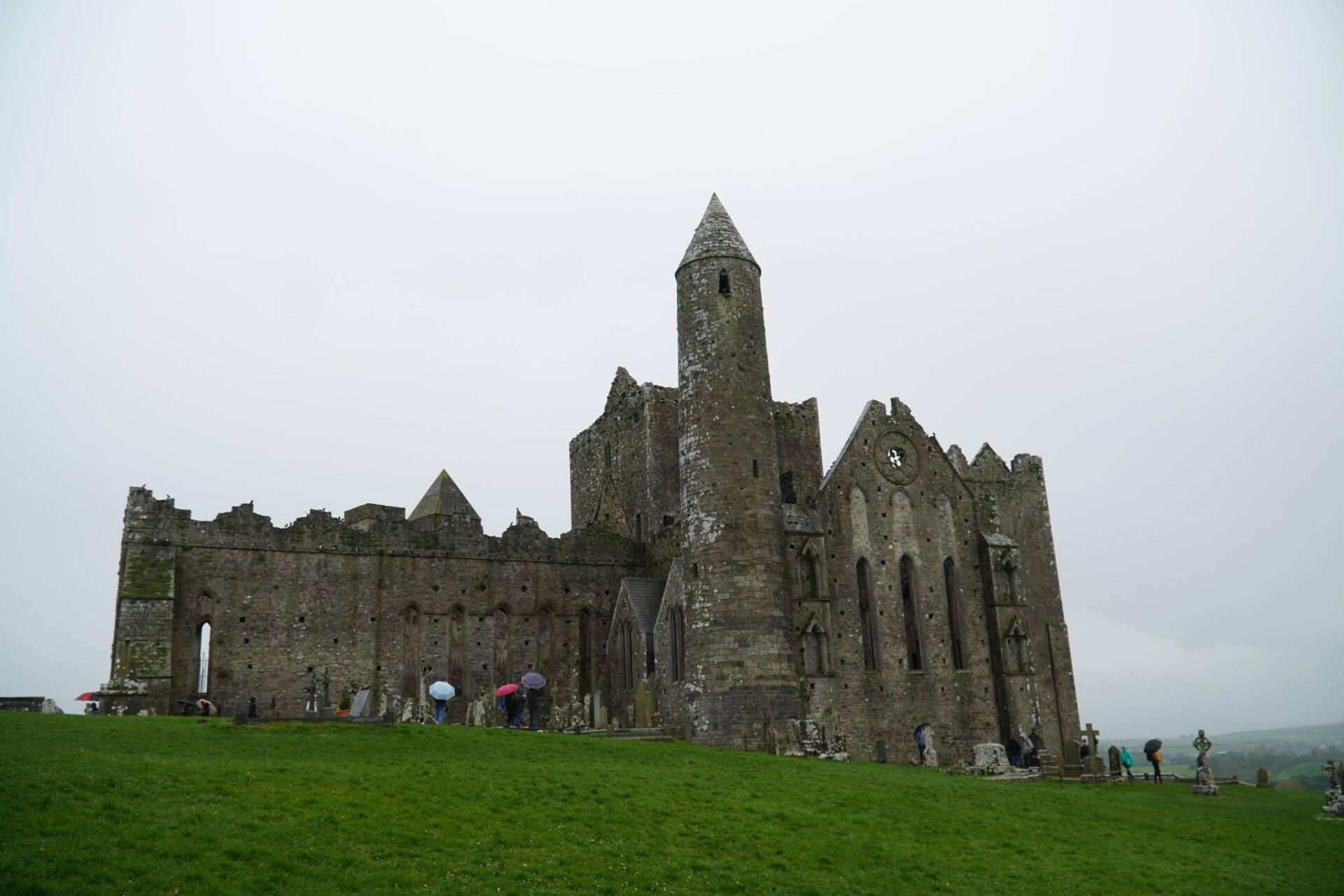
Rising from its limestone outcrop above the Tipperary plain, the Rock of Cashel was once the seat of the Kings of Munster before becoming a major religious centre. St Patrick’s Cathedral, Cormac’s Chapel and the round tower form one of the finest medieval complexes in Ireland.
Kilkenny Castle
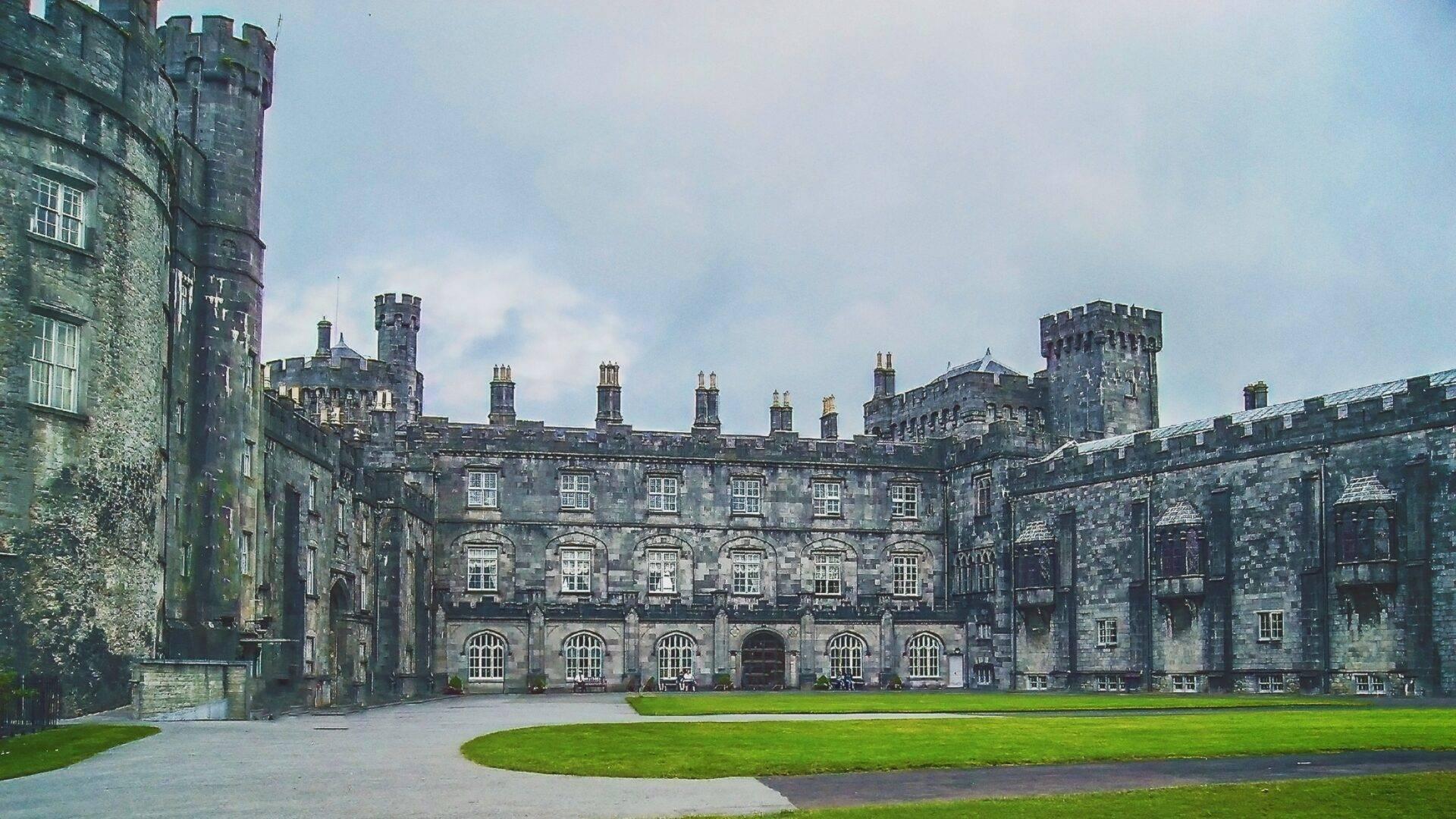
Kilkenny, nicknamed “the Marble City”, has one of the best-preserved castles in the country. Founded in the 12th century by the Normans and remodelled several times since, it overlooks the River Nore from its grey-cobbled inner courtyard. The medieval town surrounding it is entirely walkable.
Cork and Limerick: Two Cities Worth Your Time
Cork and its Region
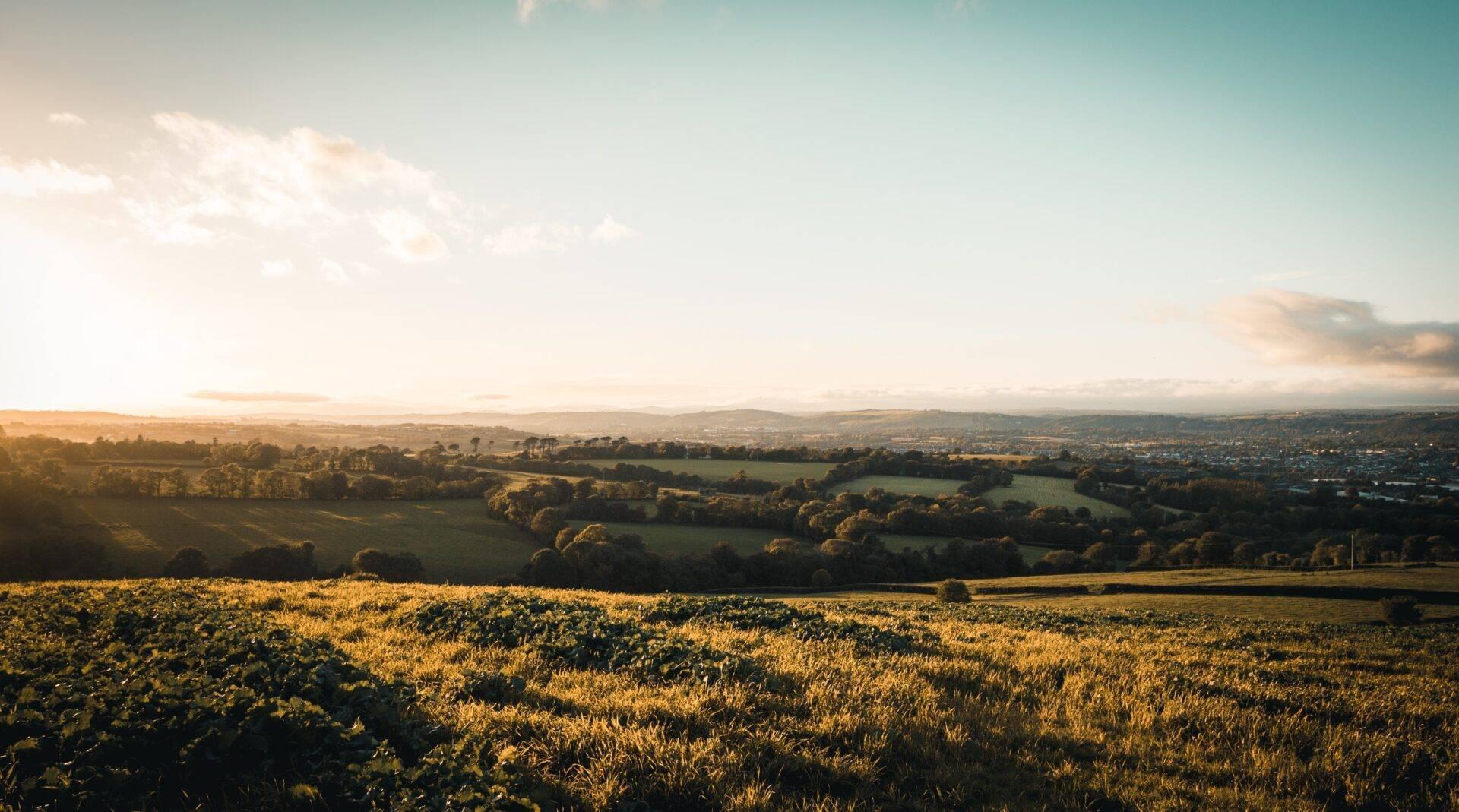
Ireland’s second city, Cork is nicknamed “the Rebel City” for its long history of resistance. The covered English Market, art galleries, craft breweries and the setting on the River Lee island make it a worthwhile two-day stop. The surrounding coast, particularly Kinsale and its harbour, rounds out a stay in the region nicely.
Limerick and King John’s Castle
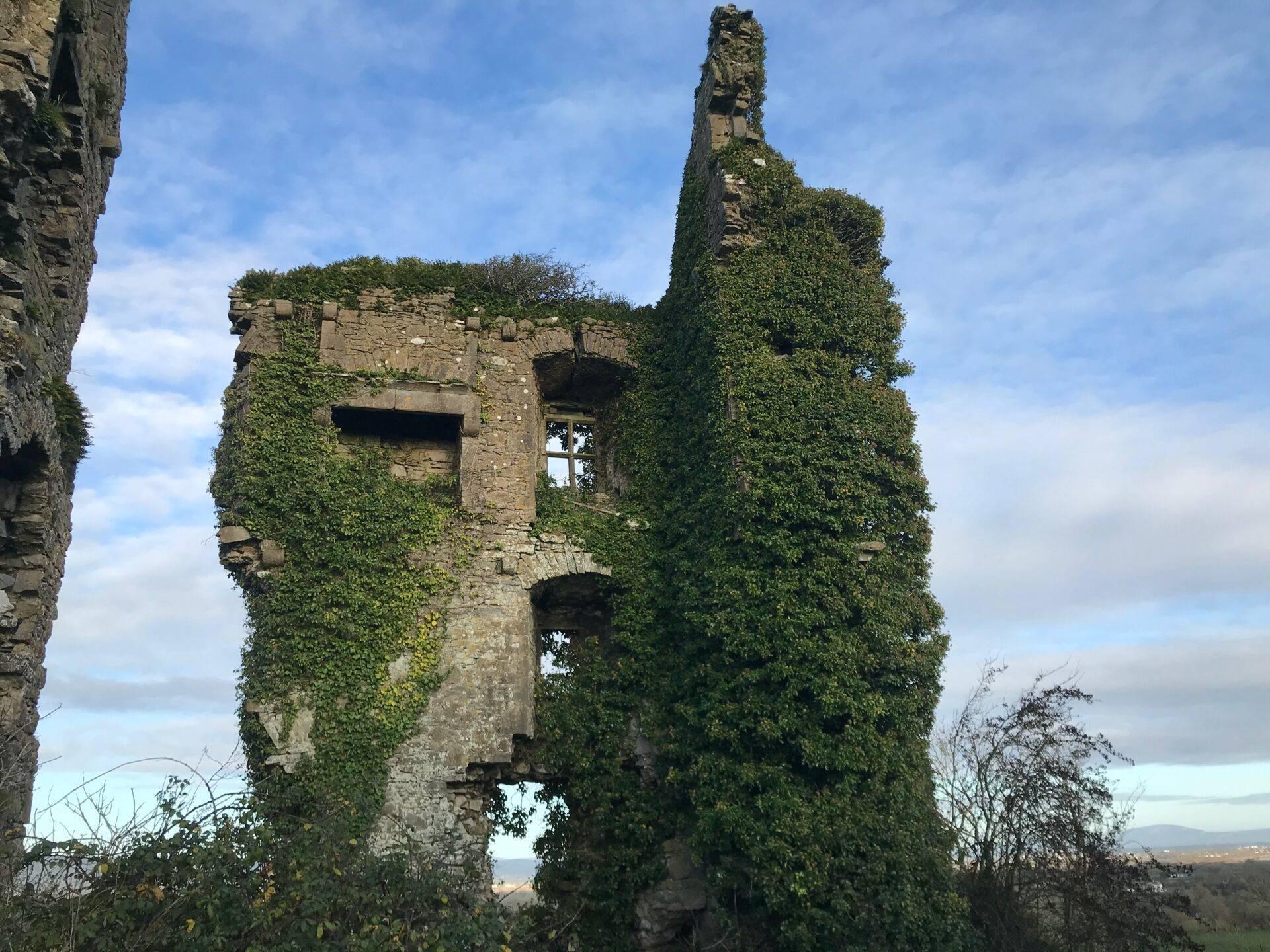
Limerick sits on the River Shannon. Its standout sight is King John’s Castle, a 13th-century medieval fortress whose towers dominate the river. An interactive exhibition traces the city’s history from the Vikings through to the wars of the 17th century.
Northern Ireland: Nature and Memory on a Different Scale
Accessible from the Republic without any border formalities, Belfast and the Antrim coast offer two of the most striking highlights of any Irish trip.
The Giant’s Causeway
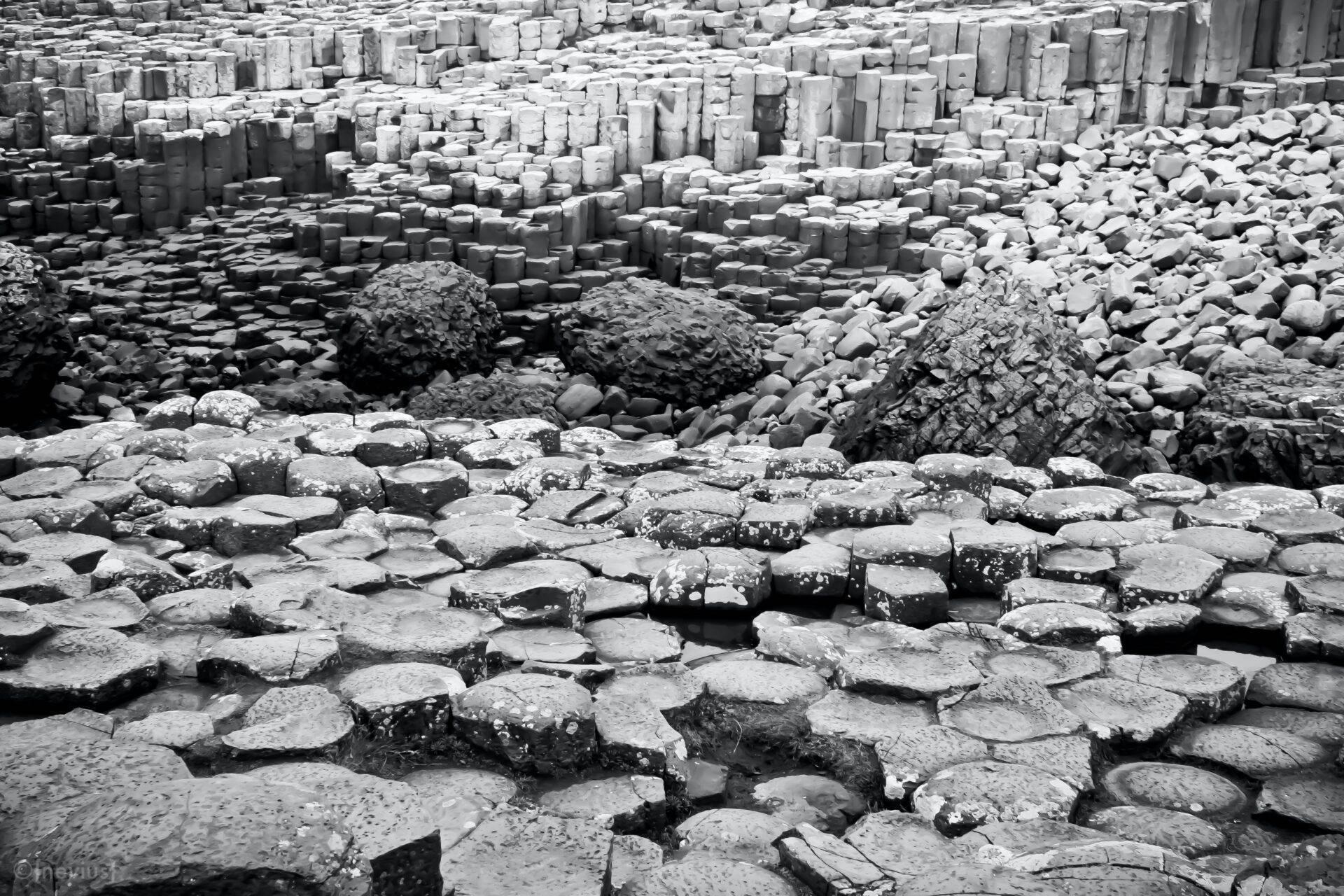
In County Antrim, the Giant’s Causeway is a UNESCO World Heritage Site. Around 40,000 hexagonal basalt columns, formed by a volcanic eruption some 60 million years ago, create a unique coastal platform. Local legend credits their construction to the giant Fionn Mac Cumhaill.
Titanic Belfast
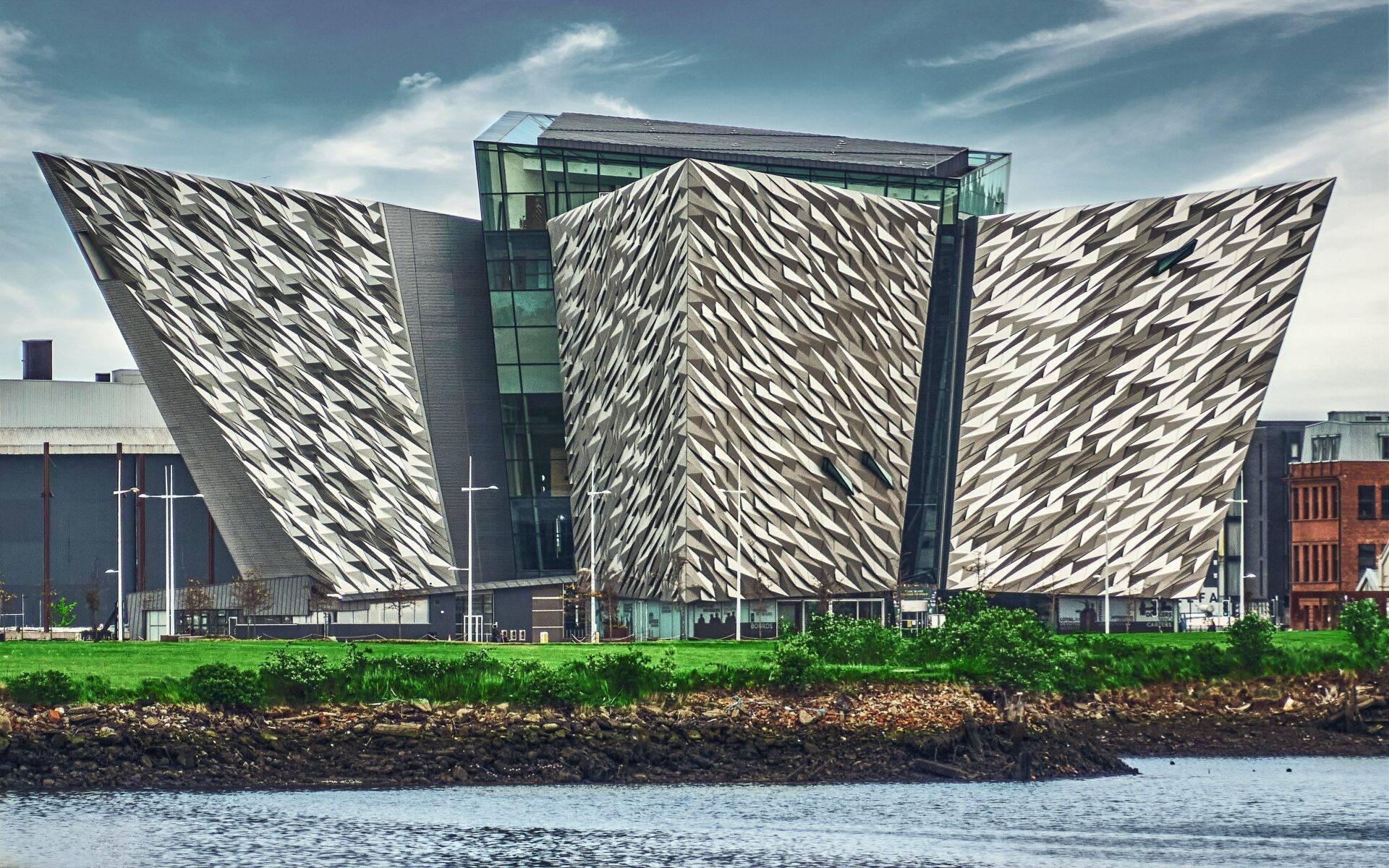
Opened in 2012 on the site of the Harland & Wolff shipyard where the Titanic was built, the museum welcomed more than 800,000 visitors in its first year alone. Nine interactive galleries across eight floors trace the ship’s construction, sinking and legacy. The building itself, with its four aluminium facades shaped like ship hulls, is an architectural landmark in its own right.
The Slieve League Cliffs
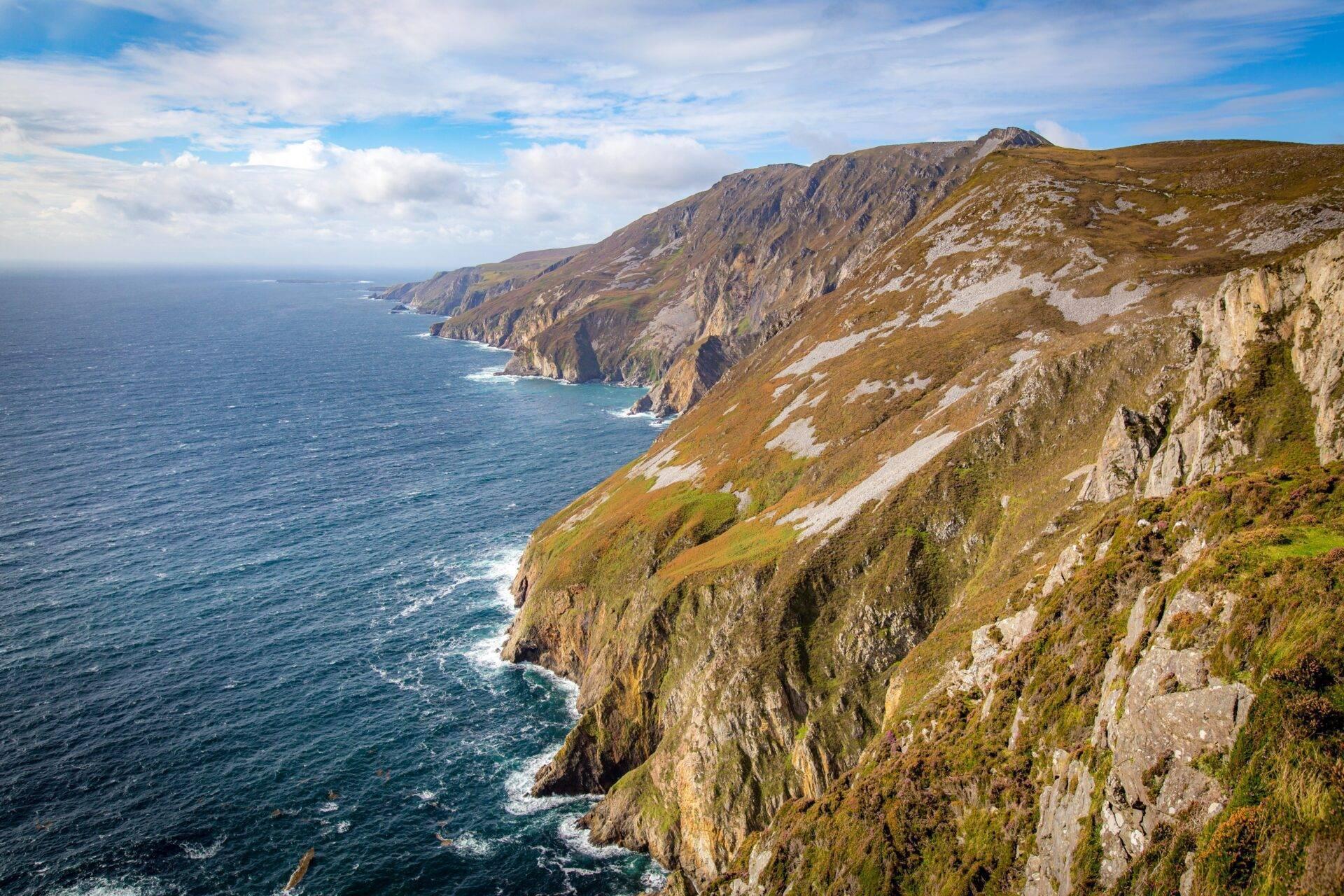
In County Donegal, the Slieve League cliffs (Sliabh Liag) rise to 601 metres above the Atlantic, roughly three times the height of the Cliffs of Moher. Far less visited, they reward walkers with spectacular ridge routes, including the legendary One Man’s Path. This is the edge of the world, reached by few and forgotten by none.
Ireland suits both the grand tour and the focused trip. If the northern coasts have sparked a taste for other dramatic shorelines, our things to do in Denmark and things to do in Sweden guides will keep the inspiration going.
FAQ
When is the best time to visit Ireland?
May to September offers the longest days and mildest temperatures (generally between 14°C and 20°C). April-May and September let you explore the sites without the crowds, while the weather remains perfectly acceptable.
How long do you need to visit Ireland?
One week is enough for Dublin and the west coast (Cliffs of Moher, Ring of Kerry, Killarney). Two weeks lets you add Northern Ireland, Connemara and the medieval sites of the south (Cashel, Kilkenny, Blarney).
Can you visit Northern Ireland as part of an Ireland trip?
Yes. The border between the Republic of Ireland and Northern Ireland is open, with no checks. Belfast and the Antrim coast (Giant’s Causeway) slot naturally into any circuit of the north of the island.
Can the Ring of Kerry be done in a day?
The loop is 179 kilometres. By car, allow a full day with two or three stops. By bike, plan for two days. Travelling clockwise is recommended to avoid difficult encounters with tourist coaches.
What is there to do in Ireland in bad weather?
The Guinness Storehouse, Trinity College’s Old Library, the National Museum of Ireland, the covered interiors of Kilkenny and Blarney castles, and pubs hosting live music sessions all make for genuinely authentic refuges.