
Algeria packs a remarkable variety into a single journey: UNESCO-listed Roman ruins, one of the world’s largest collections of prehistoric rock art, and a Sahara that is far more volcanic than sandy. From the Mediterranean coastline to the peaks of the Hoggar massif, here are eight sites that reveal the true scale of what this country has to offer.
The Casbah of Algiers
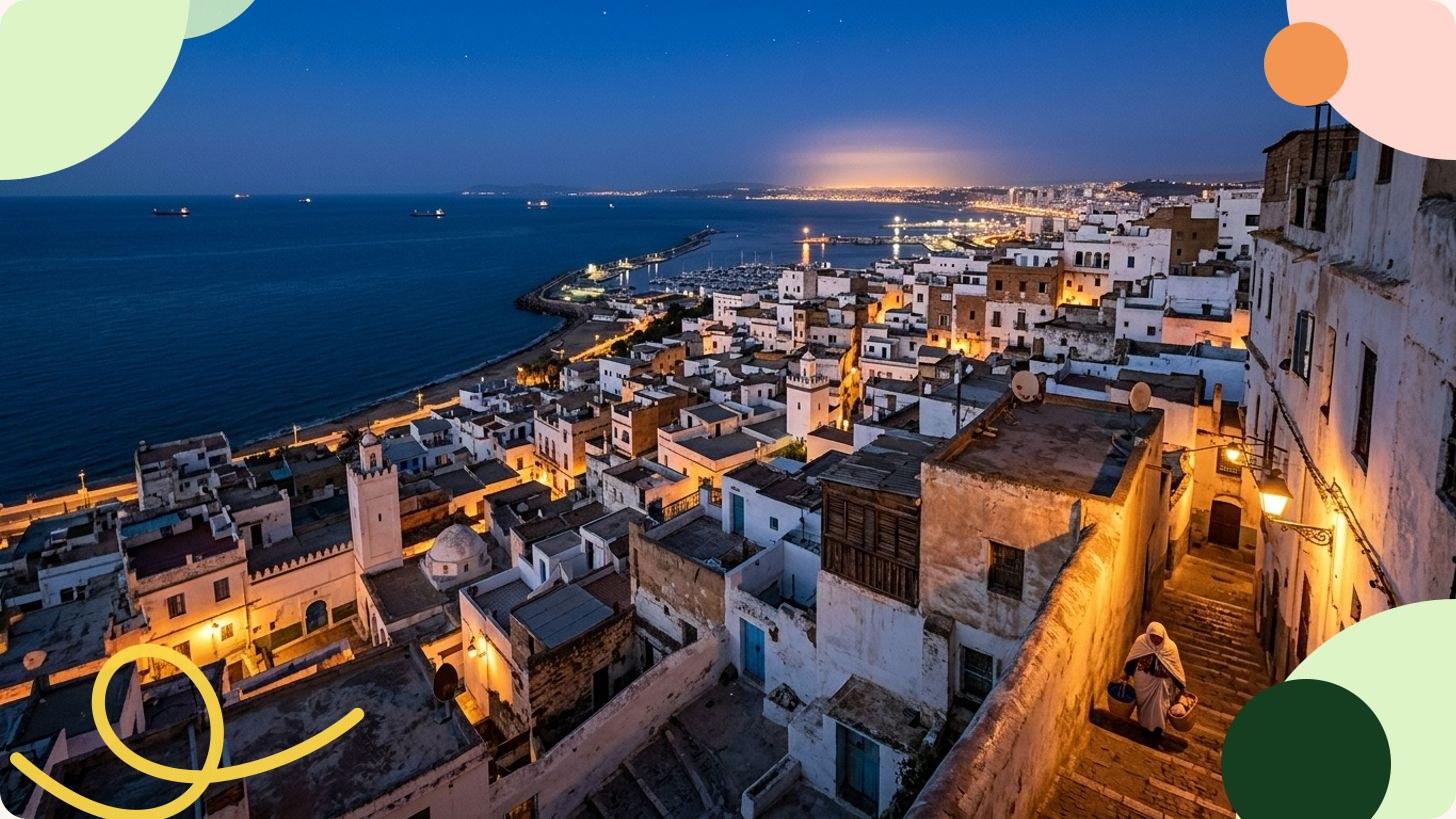
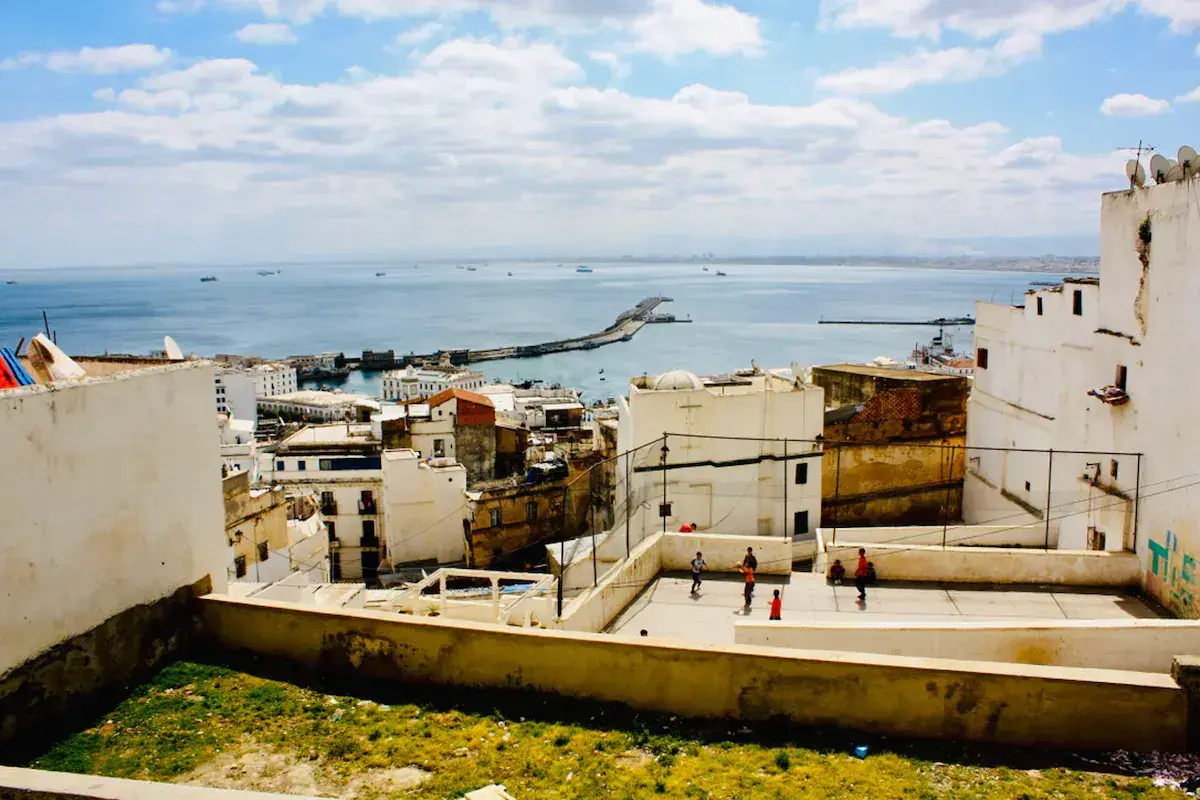
The Casbah is the historic heart of Algiers, listed as a UNESCO World Heritage Site. It is best explored on foot, climbing through the maze of narrow lanes that cascade from the 16th-century citadel down to the sea. The palaces of Dar Aziza and the Jenina are fine examples of traditional Algerian architecture, and several historic mosques punctuate this labyrinth of whitewashed facades.
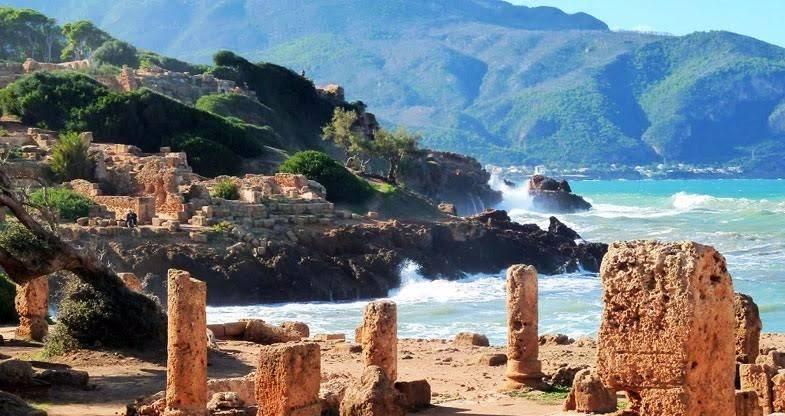
Tipasa: Roman ruins at the water’s edge
Some 70 km west of Algiers, Tipasa occupies an extraordinary setting: ancient ruins stretching right to the Mediterranean shore. A Phoenician trading post turned prosperous Roman city and major early Christian centre, it has been a UNESCO World Heritage Site since 1982. Temples, basilicas and mosaics can be explored with the sea as a constant backdrop.
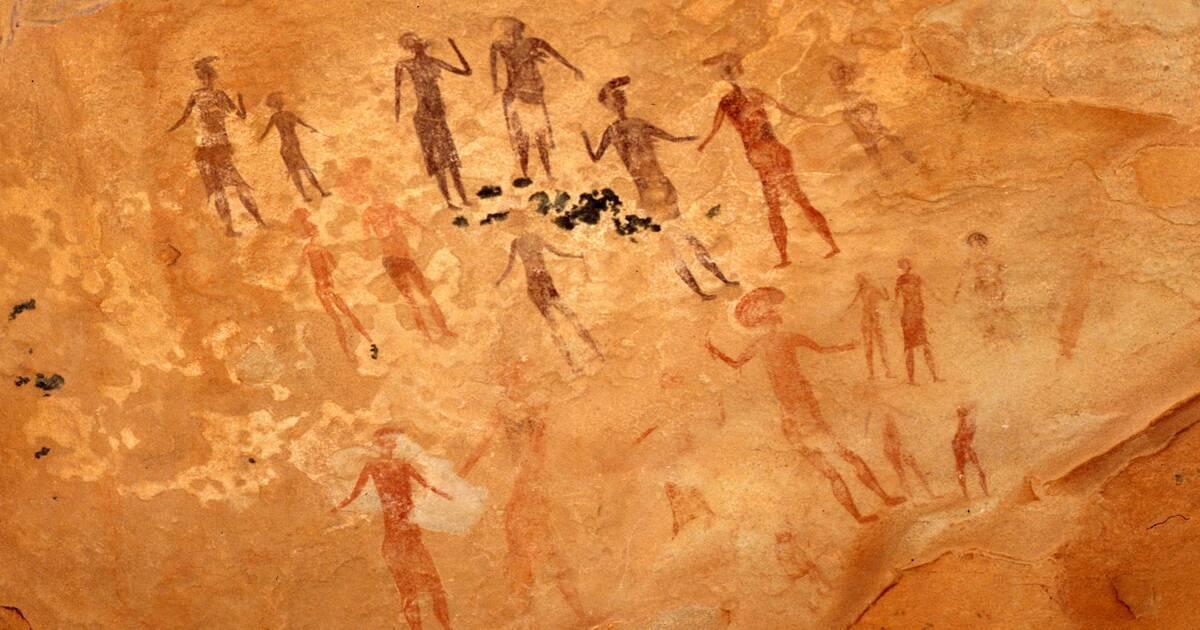
Tassili n’Ajjer: the Sahara’s vast open-air rock art museum
In south-eastern Algeria, the Tassili n’Ajjer plateau covers some 72,000 sq km along the borders of Libya, Niger and Mali. A UNESCO World Heritage Site since 1982, it contains more than 15,000 prehistoric rock engravings and paintings. Hiking through this labyrinth of canyons and cliffs is the only way to truly grasp its scale.
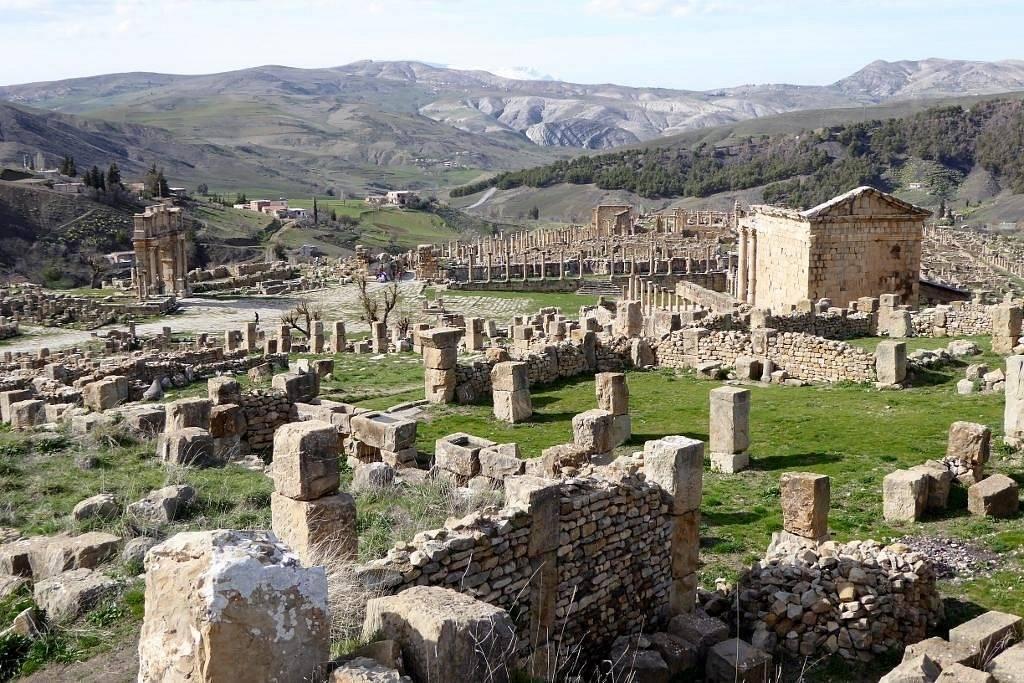
Djemila: the best-preserved Romano-Berber ruins in North Africa
In the mountains of north-eastern Algeria, Djemila (the ancient Roman city of Cuicul) has been a UNESCO World Heritage Site since 1982. Temples, triumphal arches, a theatre, bathhouses and mosaics follow one after another against a backdrop of rolling green hills. The site is considered to hold the best-preserved Romano-Berber ruins in North Africa.
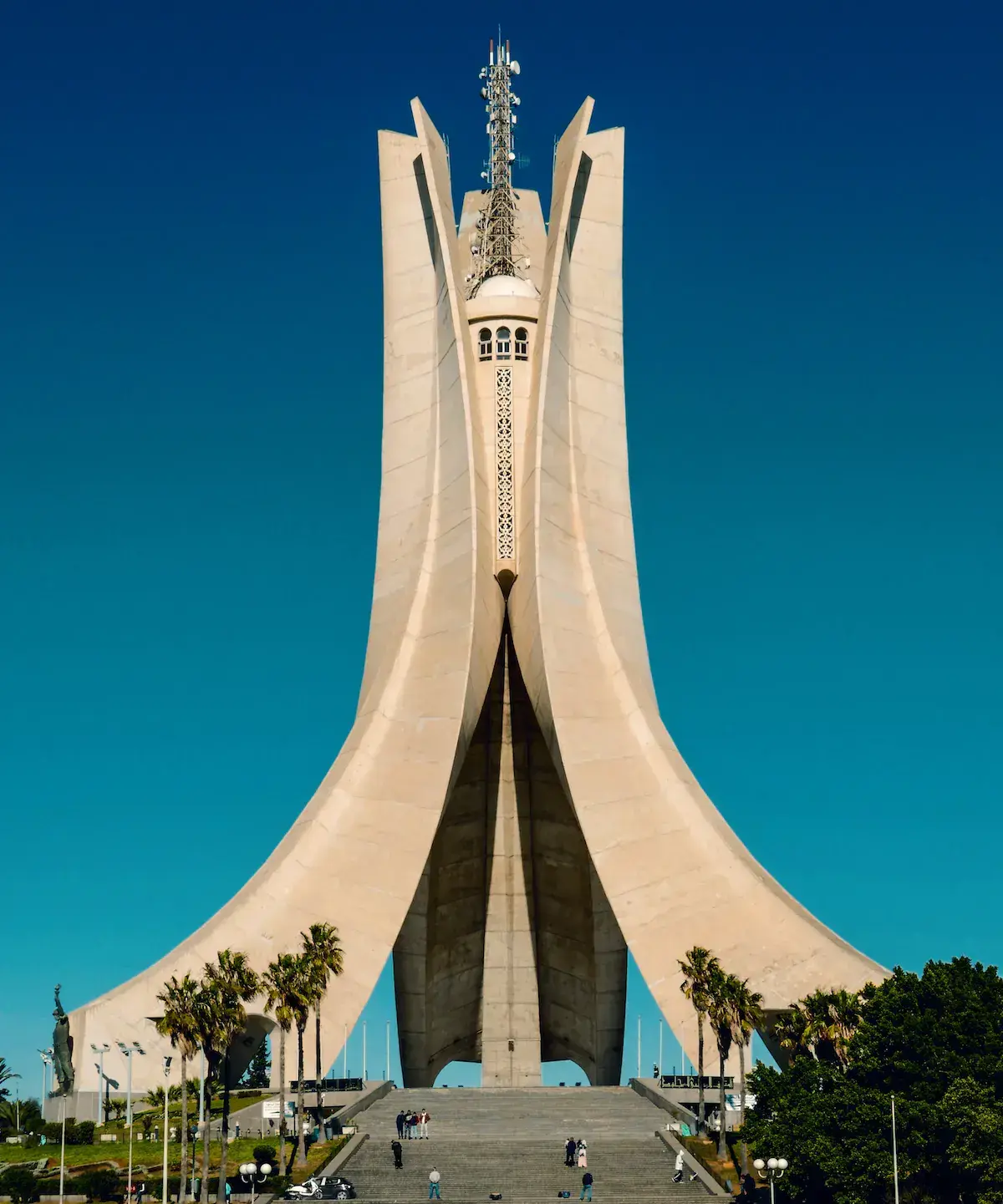
The Martyrs’ Memorial and the view over Algiers
High above the capital, the Martyrs’ Memorial was inaugurated in 1982 to mark the 20th anniversary of Algerian independence. Its distinctive silhouette, three stylised palm fronds reaching skyward, dominates the Bay of Algiers. At its base, a museum traces the war of independence. From the terrace, the view over the city and the Mediterranean is breathtaking.
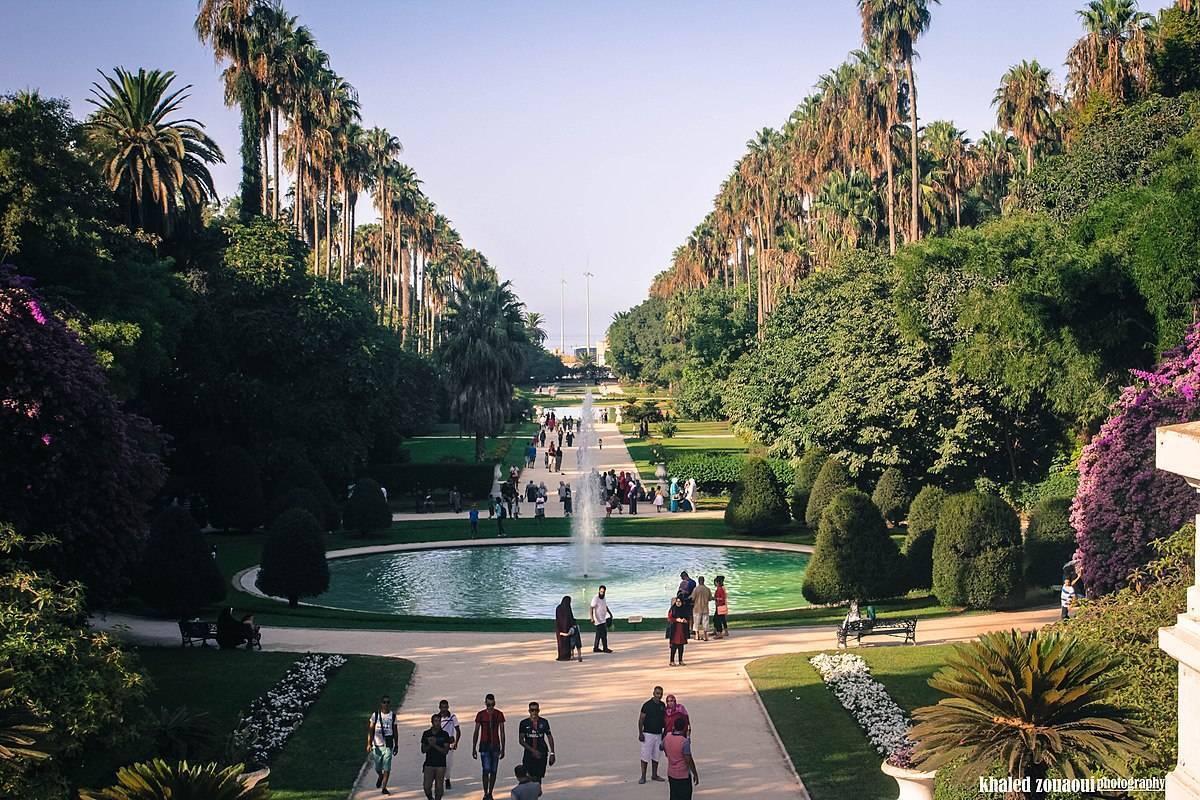
The Hamma Botanical Garden
Founded in 1832 and spread across 32 hectares in the heart of Algiers, the Hamma Botanical Garden is home to more than 1,200 plant species, arranged between a French formal garden, an English landscape garden, glasshouses and broad shaded avenues. Designated a national natural monument, it is one of the few places in Algiers where the city truly slows down.
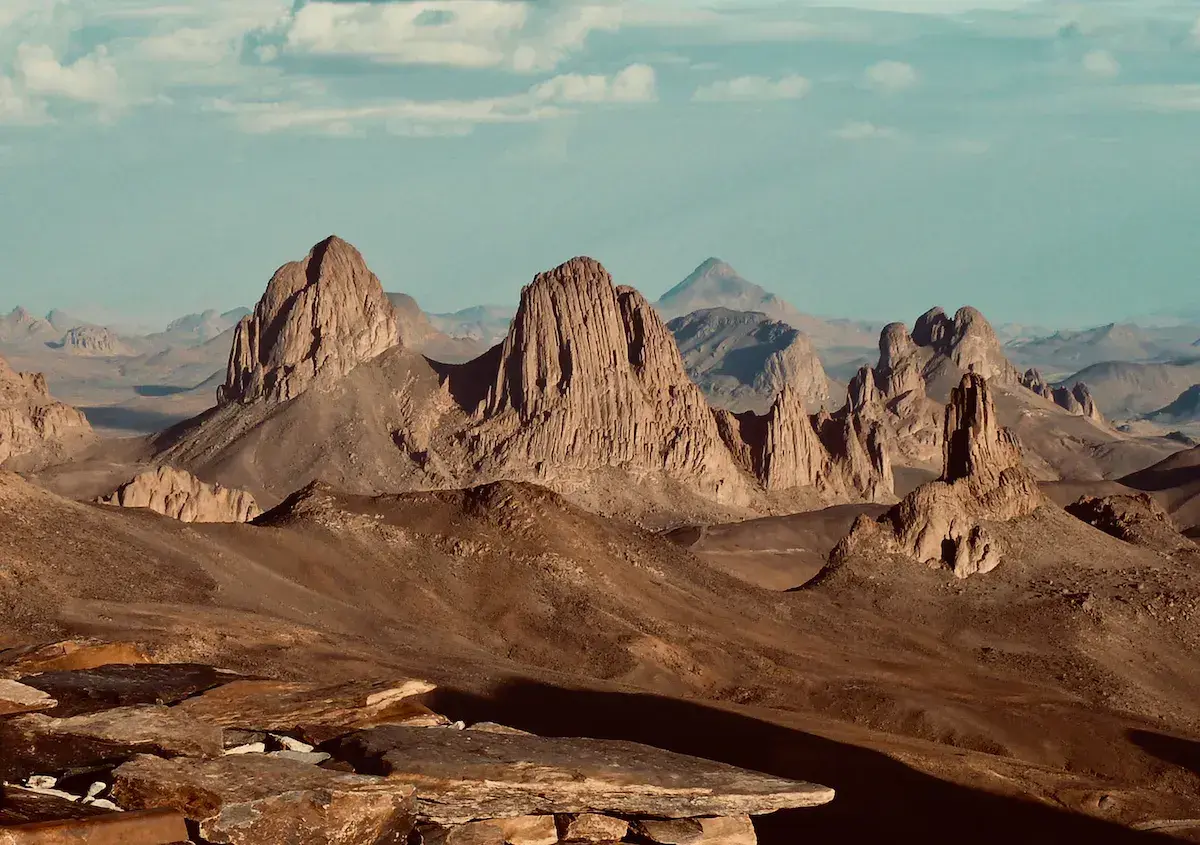
The Hoggar massif: the Sahara at altitude
The Hoggar massif in southern Algeria bears no resemblance to a flat desert. Its Atakor plateau sits above 2,000 m, studded with extinct volcanic cones and basalt columns. The Tahat, its highest peak, reaches 2,918 m. Dark skies free from light pollution, absolute silence and endless horizons: the Hoggar is for travellers in search of a genuine escape from it all.
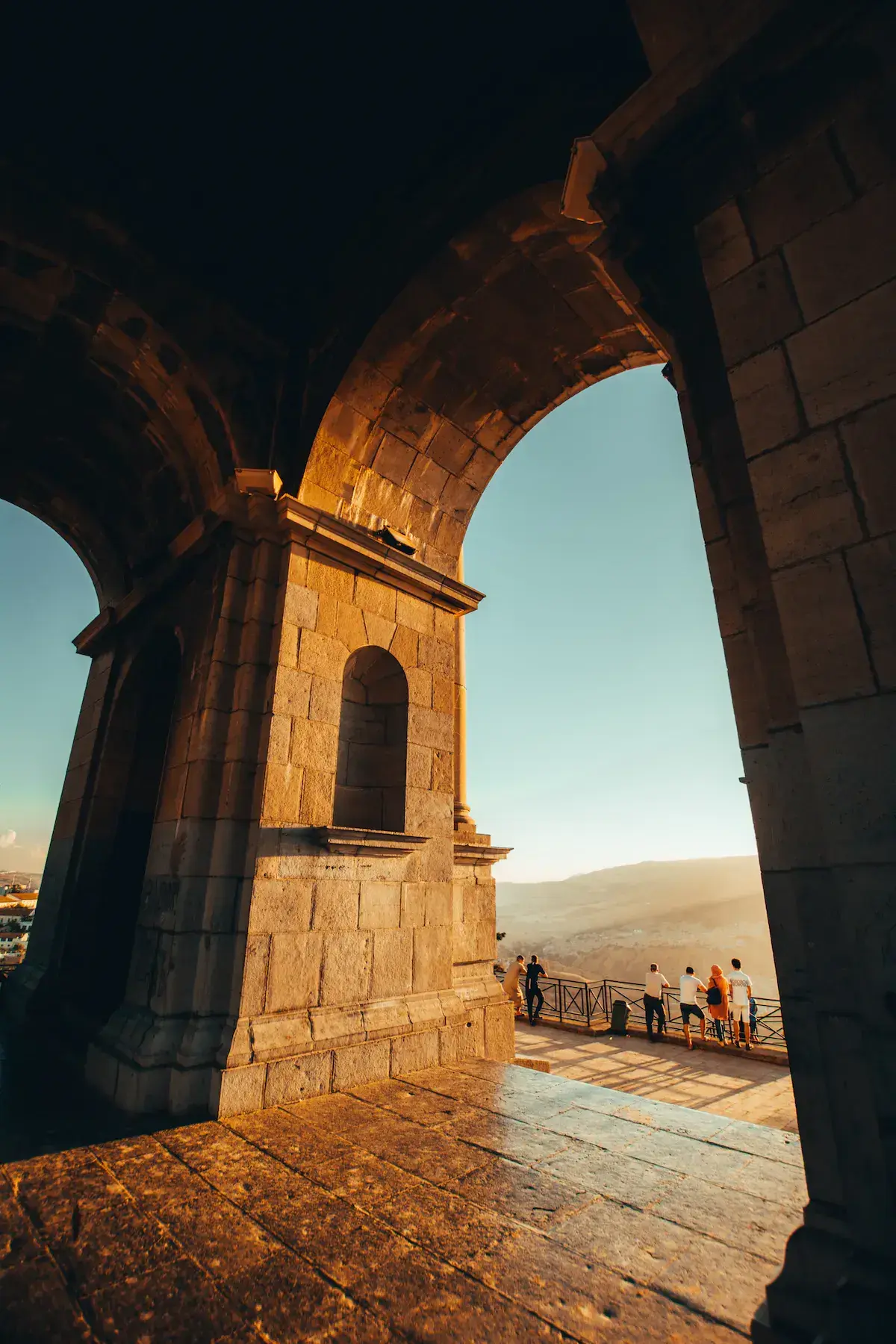
Constantine, suspended above the gorges
Constantine sits on a rocky plateau split by the gorges of the Rhumel river. The Sidi M’Cid Bridge, designed by engineer Ferdinand Arnodin and opened in 1912, spans the gorge at a height of 175 m: at the time of its inauguration, it was the highest road bridge in the world. The old city still carries traces of its Numidian, Roman and Ottoman past.
Before you travel, check our Algeria travel insurance guide for entry requirements, recommended health cover and repatriation conditions.
FAQ
When is the best time to visit Algeria?
Spring (March to May) and autumn (September to November) offer the most pleasant temperatures, both in the north and across the Sahara. Summer in the desert regularly exceeds 40°C.
How long does it take to visit Algeria?
Two weeks is enough to cover the northern sites (Algiers, Tipasa, Djemila, Constantine) plus a few days in the Sahara (Tassili or Hoggar). Three weeks allows you to explore both regions at a more comfortable pace.
How do you get to Tassili n’Ajjer and the Hoggar?
Domestic flights connect Algiers to Djanet (the gateway to Tassili) and to Tamanrasset (the base for the Hoggar). Once there, a licensed guide and a 4x4 are essential.
What entry formalities should I prepare for Algeria?
Visa requirements vary by nationality; most Western passport holders will need to apply before departure. For exact entry conditions, recommended health cover and vaccinations, see our Algeria travel insurance guide.
Is the Casbah of Algiers open to tourists?
Yes, the Casbah can be visited during the day, ideally with a local guide. The network of lanes is dense and some areas are undergoing restoration, but the district remains one of the most memorable experiences in Algiers.