
Earth is home to a handful of places so geologically extreme they seem to belong to another world entirely. From the acid hydrothermal pools of Dallol to the marble caves of Patagonia, here are eleven destinations that redefine what “off the beaten track” can truly mean.
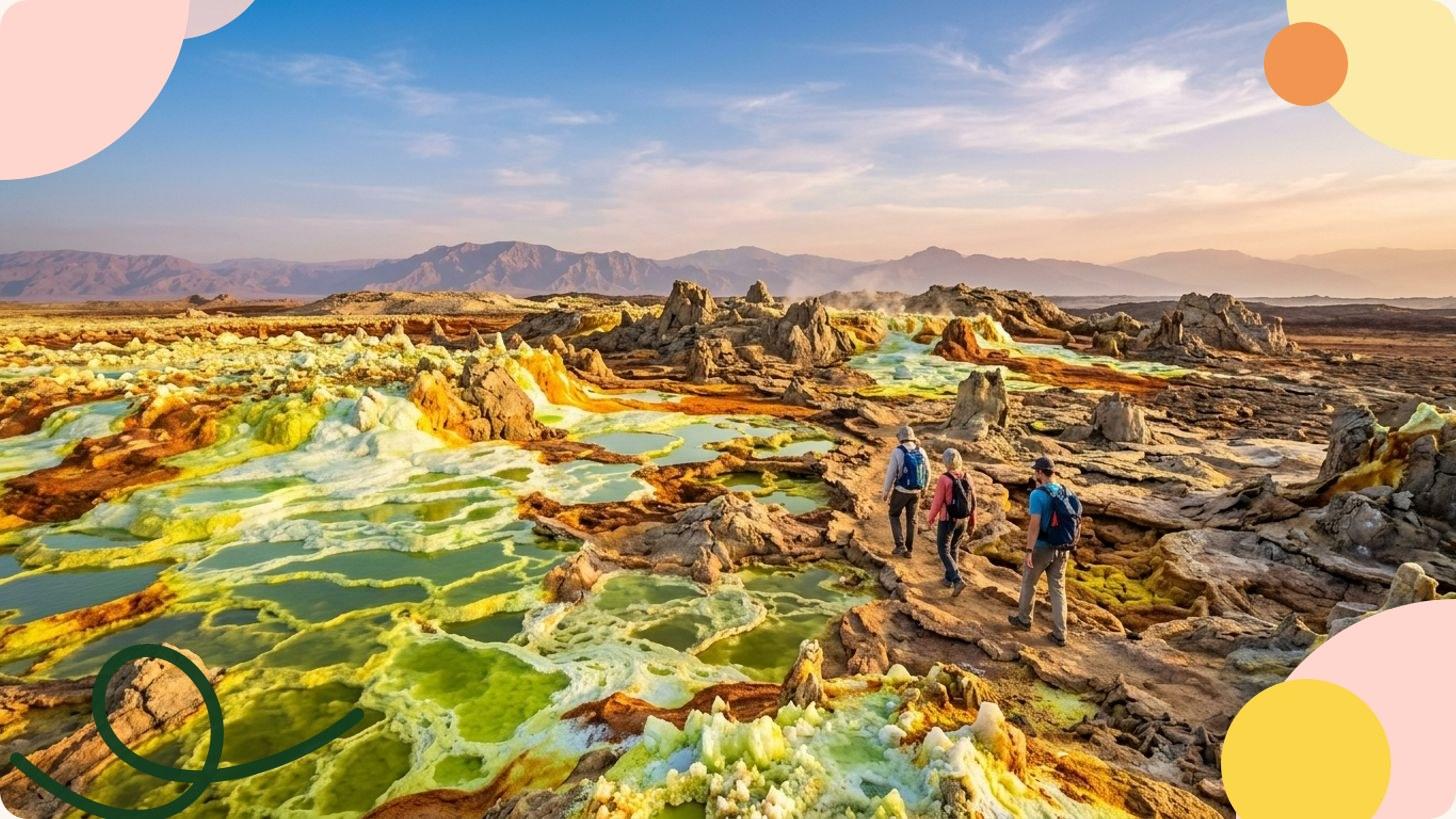
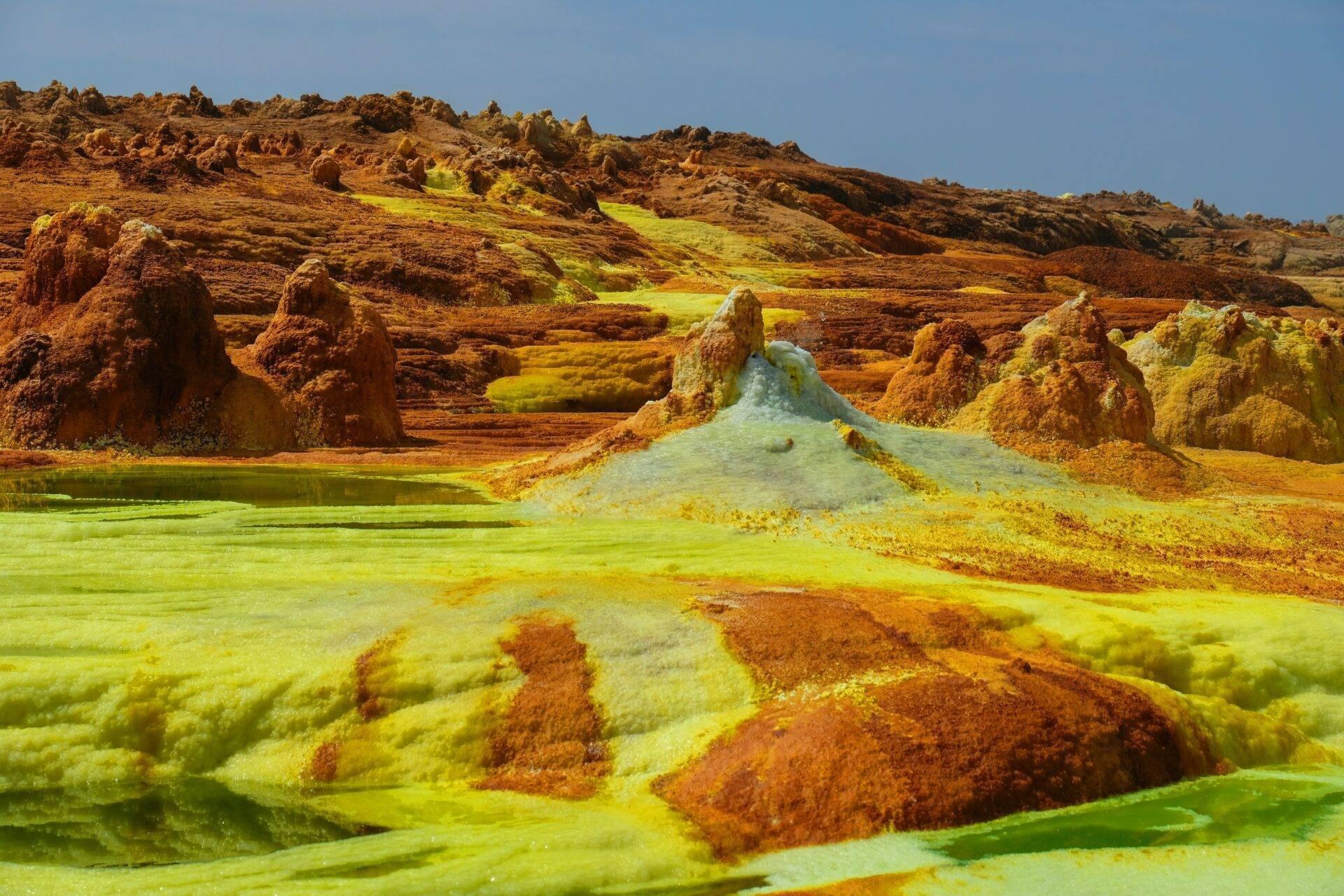
Plan my trip with travel coverDallol, Ethiopia: a geothermal hellscape 136 metres below sea level
Located in the Danakil Depression at -136.8m altitude, Dallol holds the official record for the highest daily average temperature of any permanently inhabited place on Earth: 45°C on average, with peaks exceeding 50°C. Beneath your feet, molten bishofite and liquid sulphur erupt from hydrothermal vents; the acidic waters form yellow and green pools with mineralised edges that look less like a travel destination and more like the slopes of a Venusian volcano.
The Danakil Depression is just one facet of Ethiopia: our guide on things to do in Ethiopia rounds up the twenty must-sees the country has to offer.
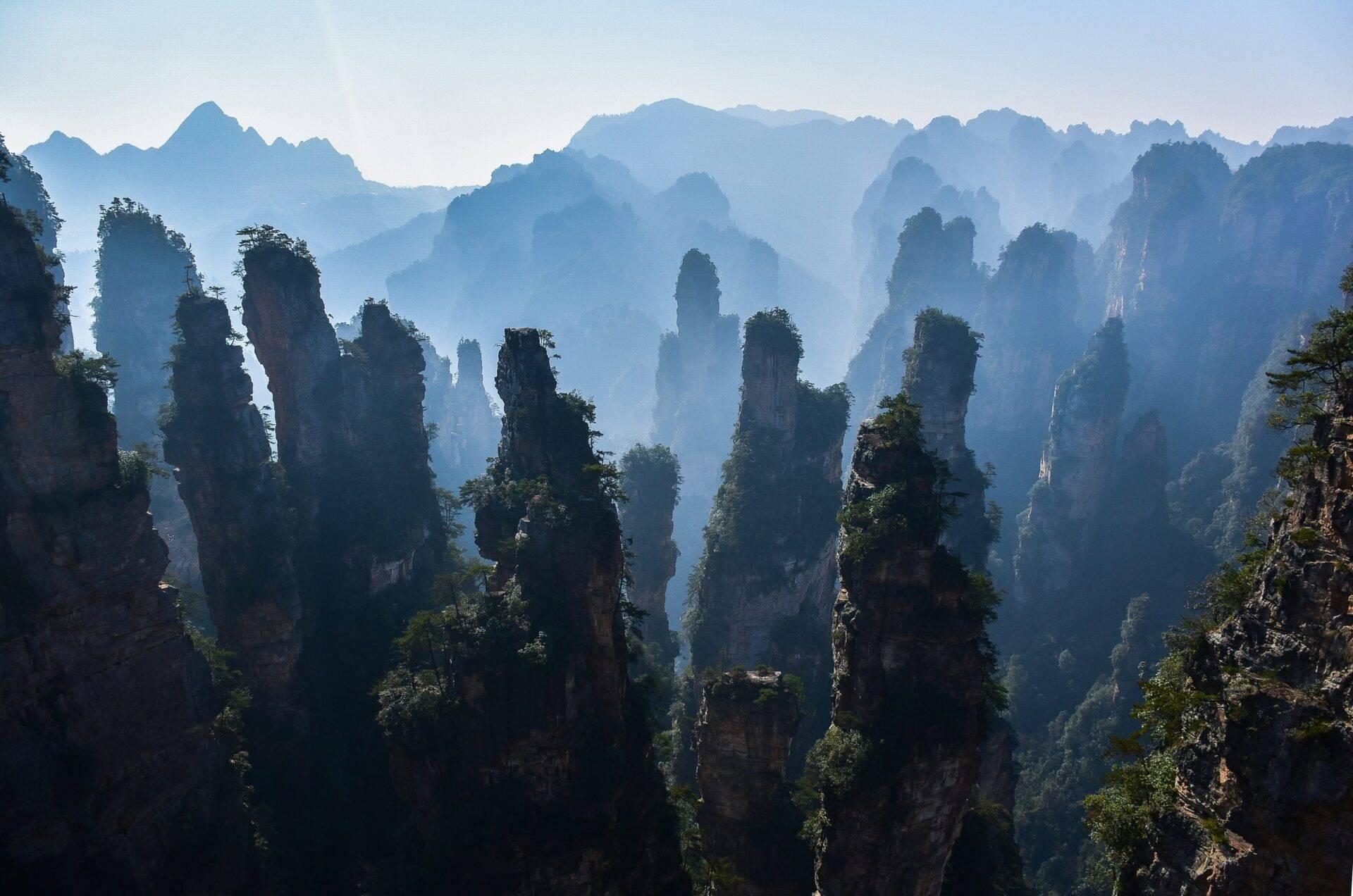
Zhangjiajie, Hunan Province (China): 3,000 sandstone pillars rising through the mist
In Hunan Province, in the heart of central China, Zhangjiajie National Forest Park is home to more than 3,000 quartzite sandstone columns, some exceeding 200 metres in height. On misty days, these pillars appear to float between earth and sky, a landscape that directly inspired the floating mountains in the film Avatar (2009). The site has been inscribed on the UNESCO World Heritage List since 1992.
Zhangjiajie is just a glimpse of what China has to offer: our guide on things to do in China lists the twenty sites not to be missed.
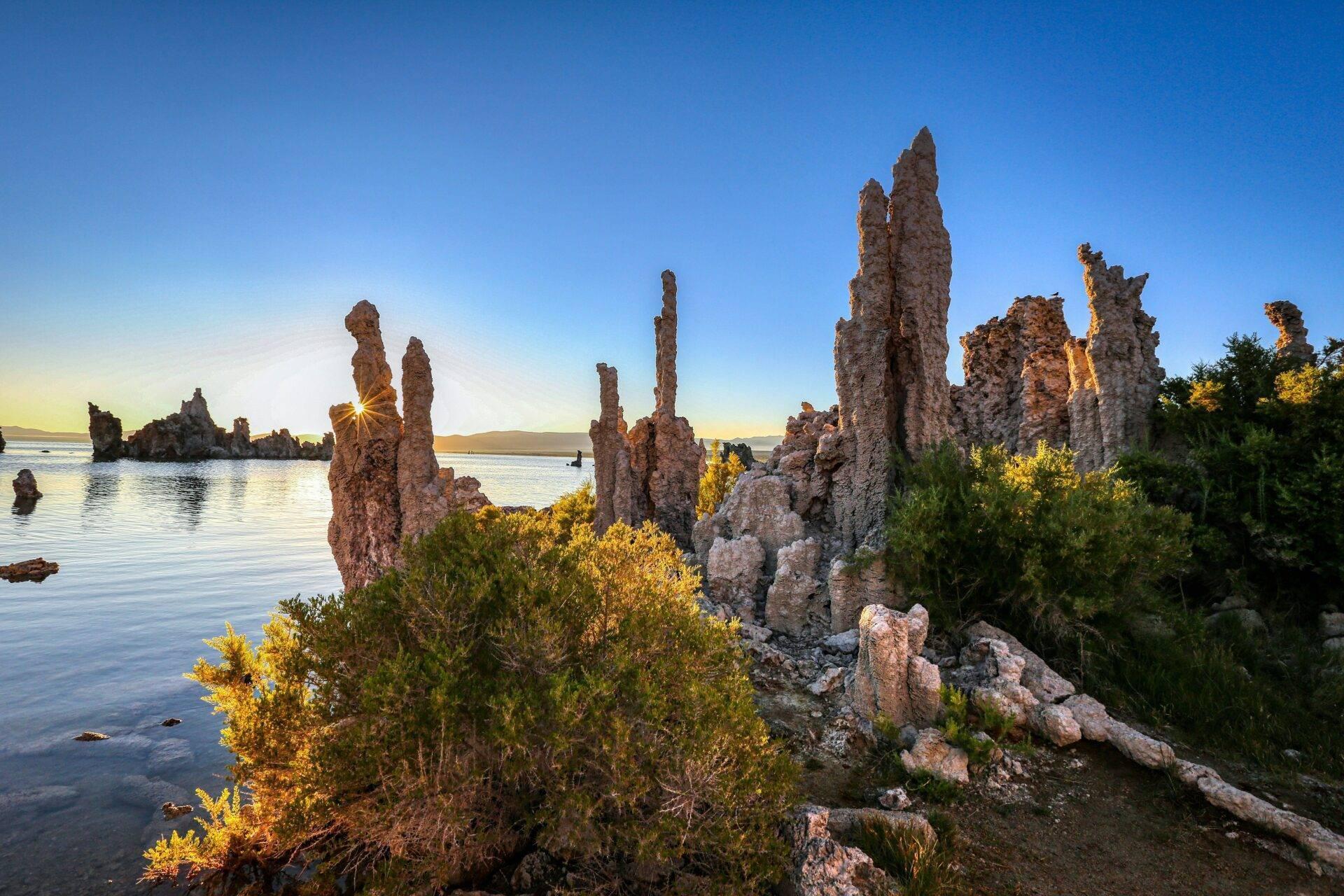
Mono Lake tufa formations, California (USA): limestone towers risen from the water
On the eastern flank of the Sierra Nevada in California, Mono Lake is an alkaline lake more than one million years old, with waters roughly two to three times saltier than the ocean. Its tufa formations arise where calcium-rich underground springs meet the lake’s carbonates. When the lake level dropped in the 1940s, these limestone towers emerged into the open air, creating a disorienting mineral landscape that sits somewhere between natural sculpture and science fiction.
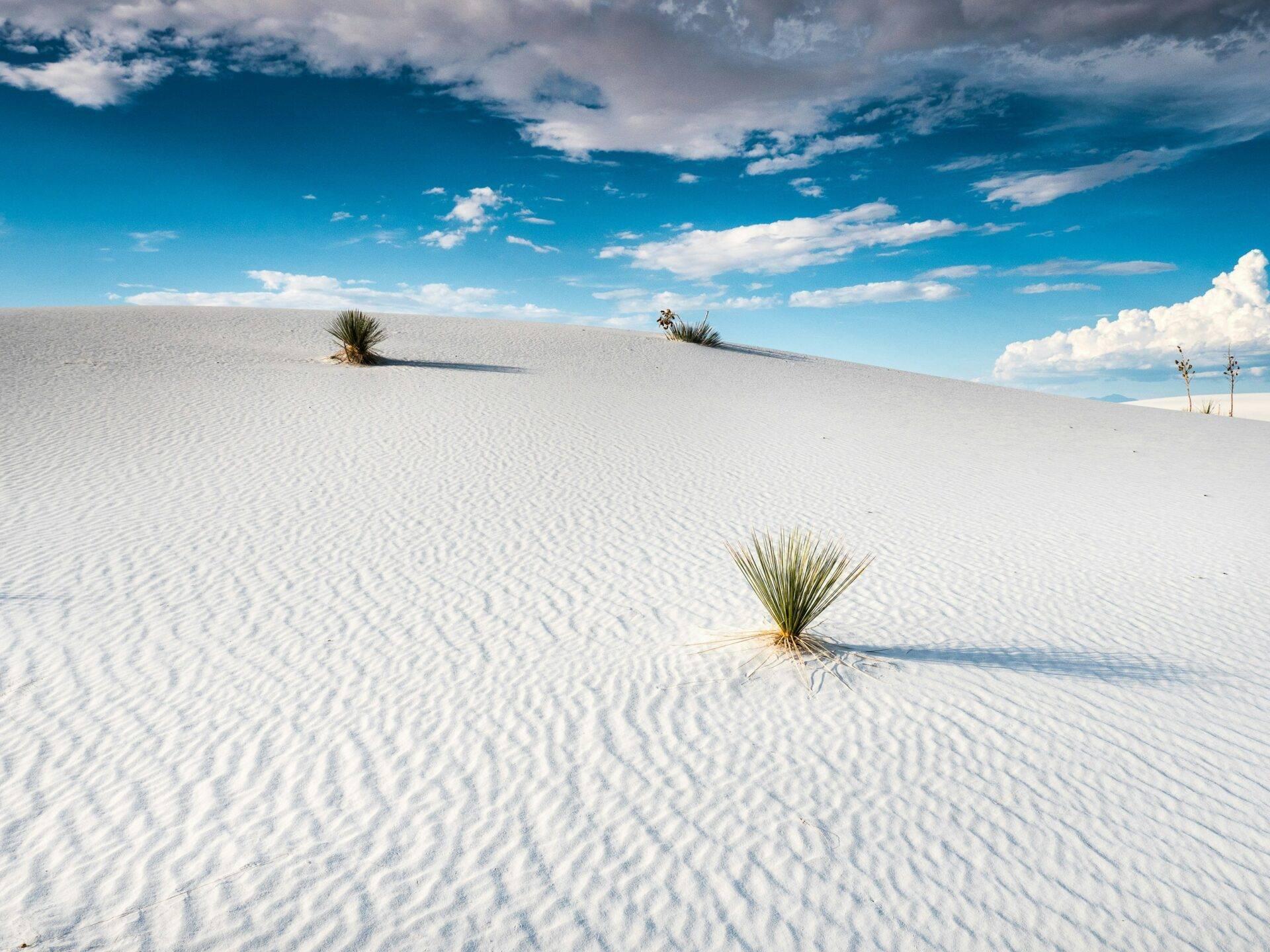
White Sands National Park, New Mexico (USA): the world’s largest gypsum dune field
White Sands is not in Mexico: the national park lies in the south of New Mexico, in the United States. It covers around 710 km² of pure white gypsum dunes, the largest expanse of its kind on the planet. Gypsum does not dissolve in this closed basin; it accumulates instead, erodes into fine sand, and the wind sculpts dunes reaching up to 18 metres high. In raking light, the blinding whiteness of these dunes evokes the surface of an icy moon.
Naica Cave, Mexico: 11-metre selenite crystals deep underground
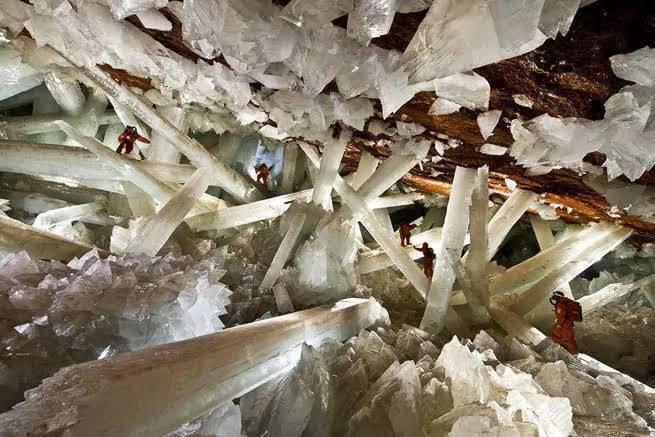
Discovered in 2000 at a depth of 300 metres in the Naica mine (State of Chihuahua), the Cueva de los Cristales houses the largest natural crystals ever found. The longest measures 11.40 metres. These selenite giants formed over millions of years in groundwater held at 54°C and saturated at 90-99% humidity. The cave has been flooded and closed since October 2015, when the mine’s pumps were switched off: the crystals are growing once more in the dark.
To explore the country beyond its underworld: our guide on visiting Mexico covers twenty unmissable experiences.
Socotra, Yemen: an island isolated for six million years
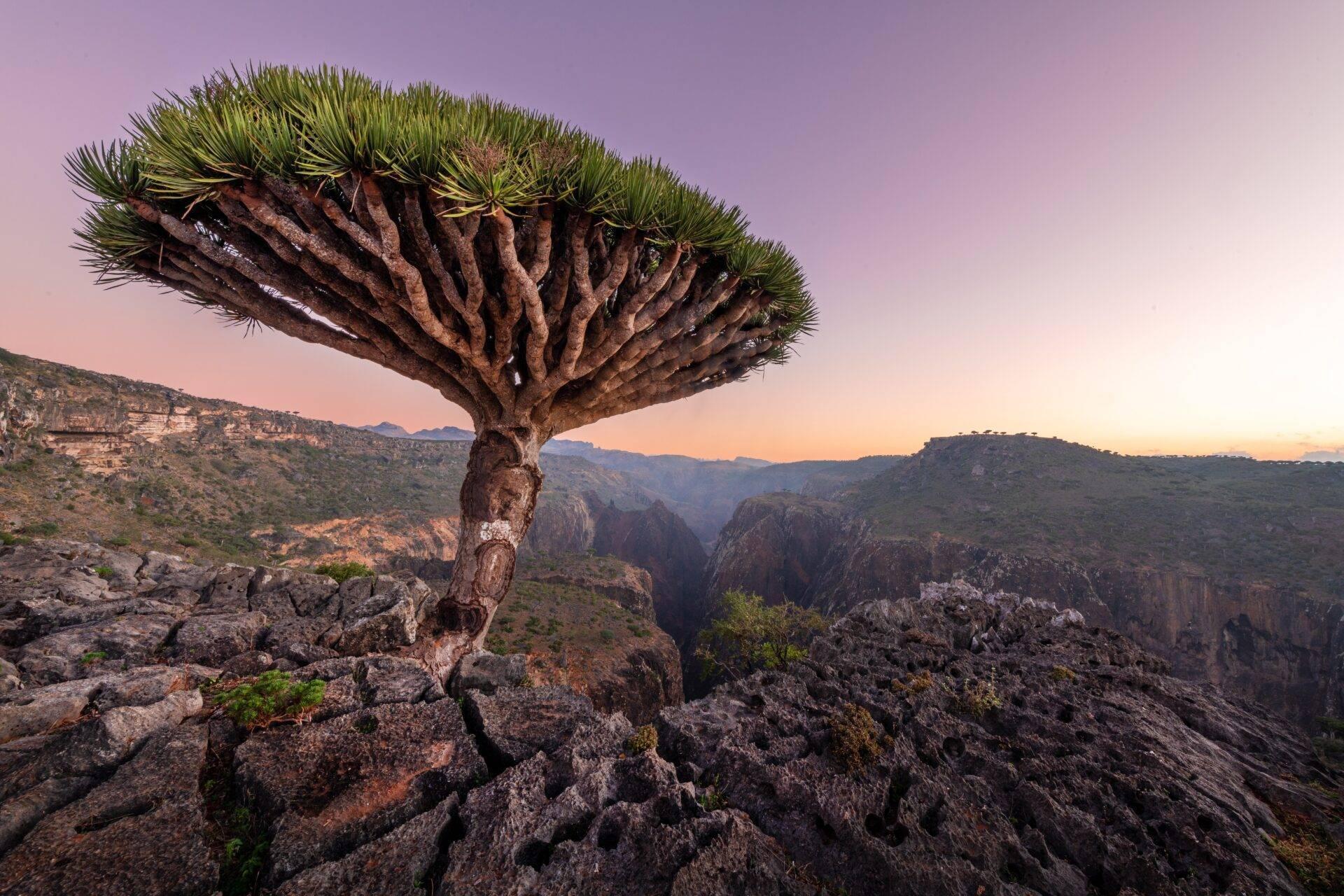
Some 350 km off the southern coast of the Arabian Peninsula, Socotra has been geologically isolated for more than six million years. This prolonged isolation has produced extraordinary biodiversity: 90% of the island’s reptiles are endemic, and 37% of its 825 plant species grow nowhere else on Earth. The island’s emblem, the Socotra dragon blood tree (Dracaena cinnabari), is unmistakable for its inverted umbrella silhouette and the red sap that has been used as a dye since antiquity. The archipelago has been a UNESCO World Heritage Site since 2008.
Hormuz Island, Iran: 70 mineral hues on a salt dome
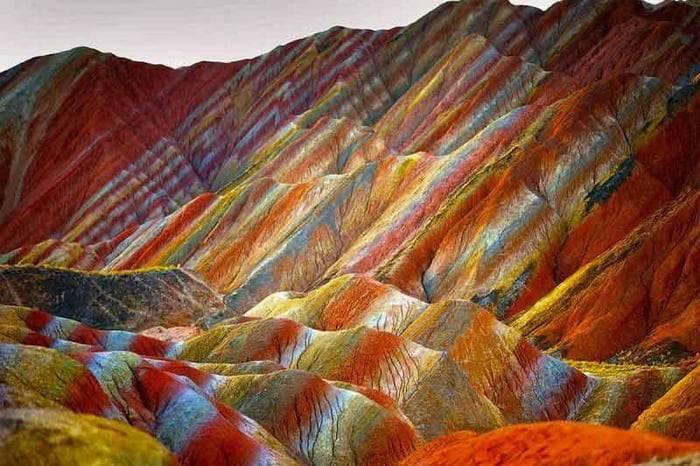
Hormuz Island, in the strait of the same name, is a salt dome that has pushed up from deep within the earth. Layered mineral deposits blending clay, carbonate and iron-rich volcanic rock have produced a palette of more than 70 colours: vivid reds, oranges, purples, yellows and ochres. Local inhabitants harvest a red ochre called golak, used both as a spice and as an artistic pigment. Nowhere else on earth does a single island concentrate such a breadth of mineral colours within so small a space.
Lençóis Maranhenses, Brazil: a desert that fills with lagoons every year
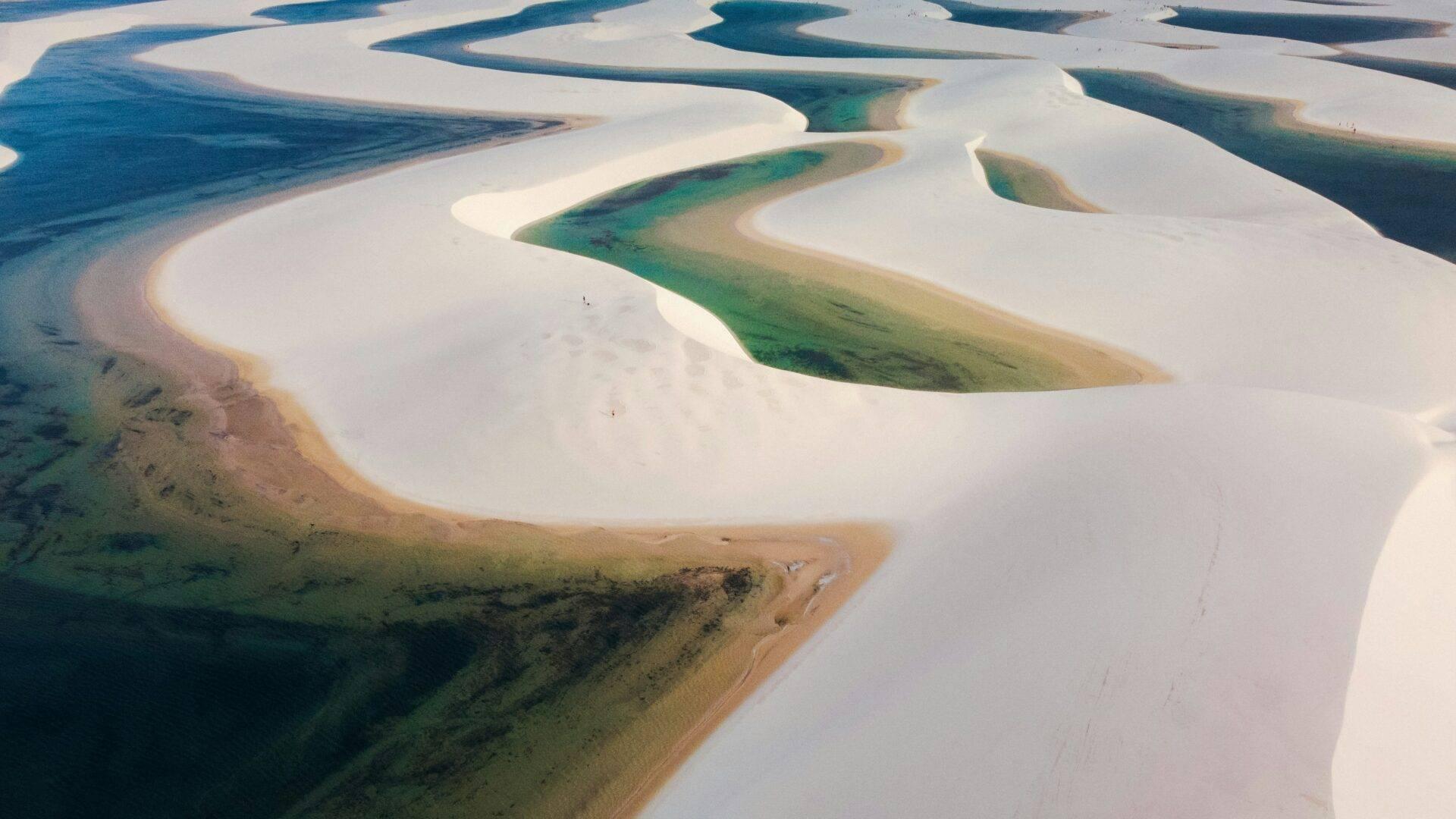
In the state of Maranhão, in north-eastern Brazil, 500 km² of white sand dunes cover a territory that nonetheless receives heavy rainfall every year. Water gathers in the hollows between the dunes and forms thousands of temporary lagoons shimmering in shades of crystal-clear blue-green. In the dry season it is a desert; between July and September, a mosaic of freshwater pools glinting with improbable reflections. The national park was inscribed on the UNESCO World Heritage List in July 2024.
To plan a trip to this extraordinary country: our guide on things to do in Brazil covers the twenty unmissable experiences.
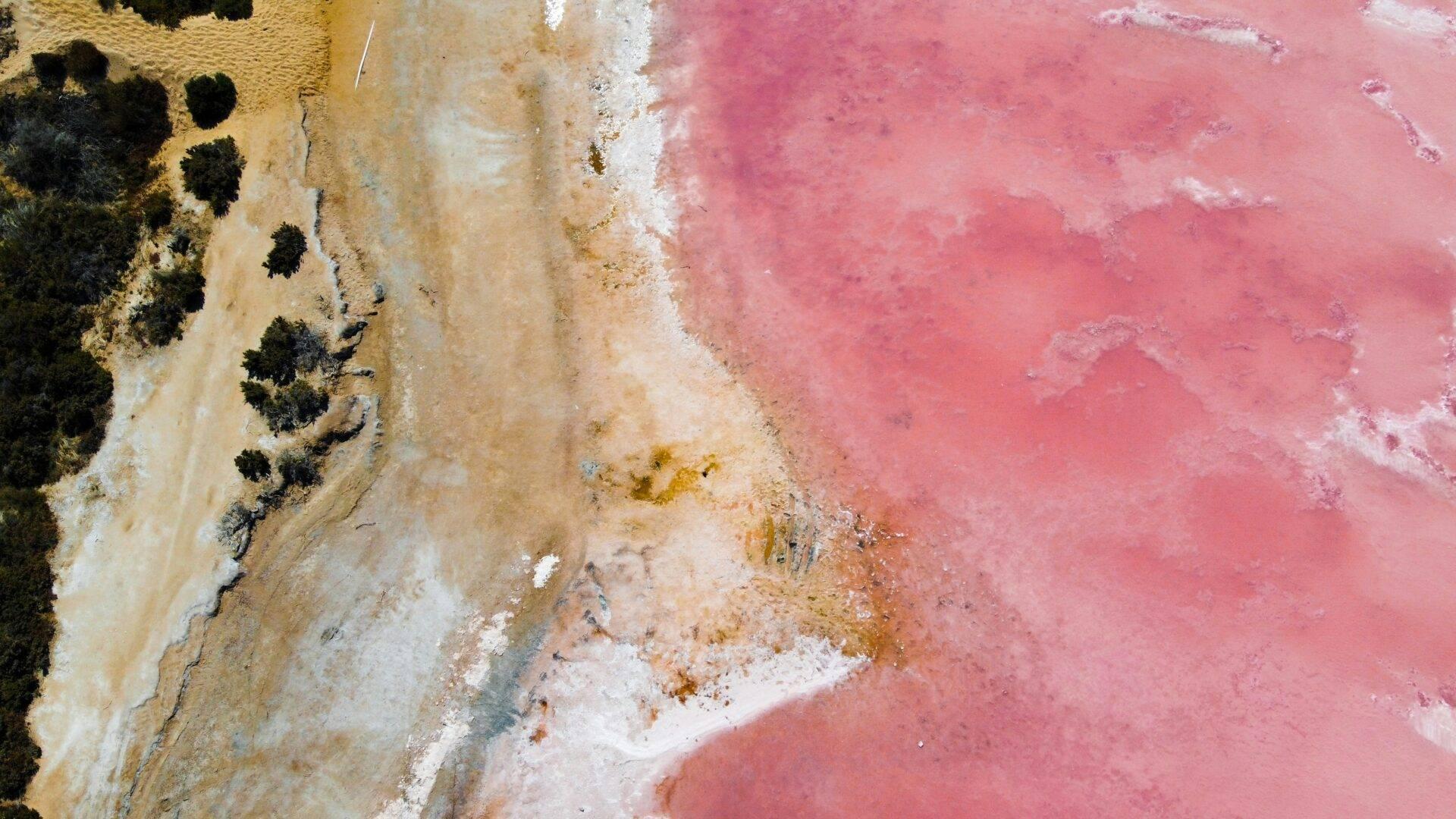
Lake Retba (Pink Lake), Senegal: a colour produced by a microscopic alga
Some 35 km north-east of Dakar, Lake Retba, known locally as Lac Rose, owes its hue to a microscopic halophilic alga, Dunaliella salina, which produces a red pigment (astaxanthin) to withstand high salt concentrations and intense sunlight. The colour is at its most vivid during the dry season, from November to June. The lake has also been harvested for its salt since the 1970s.
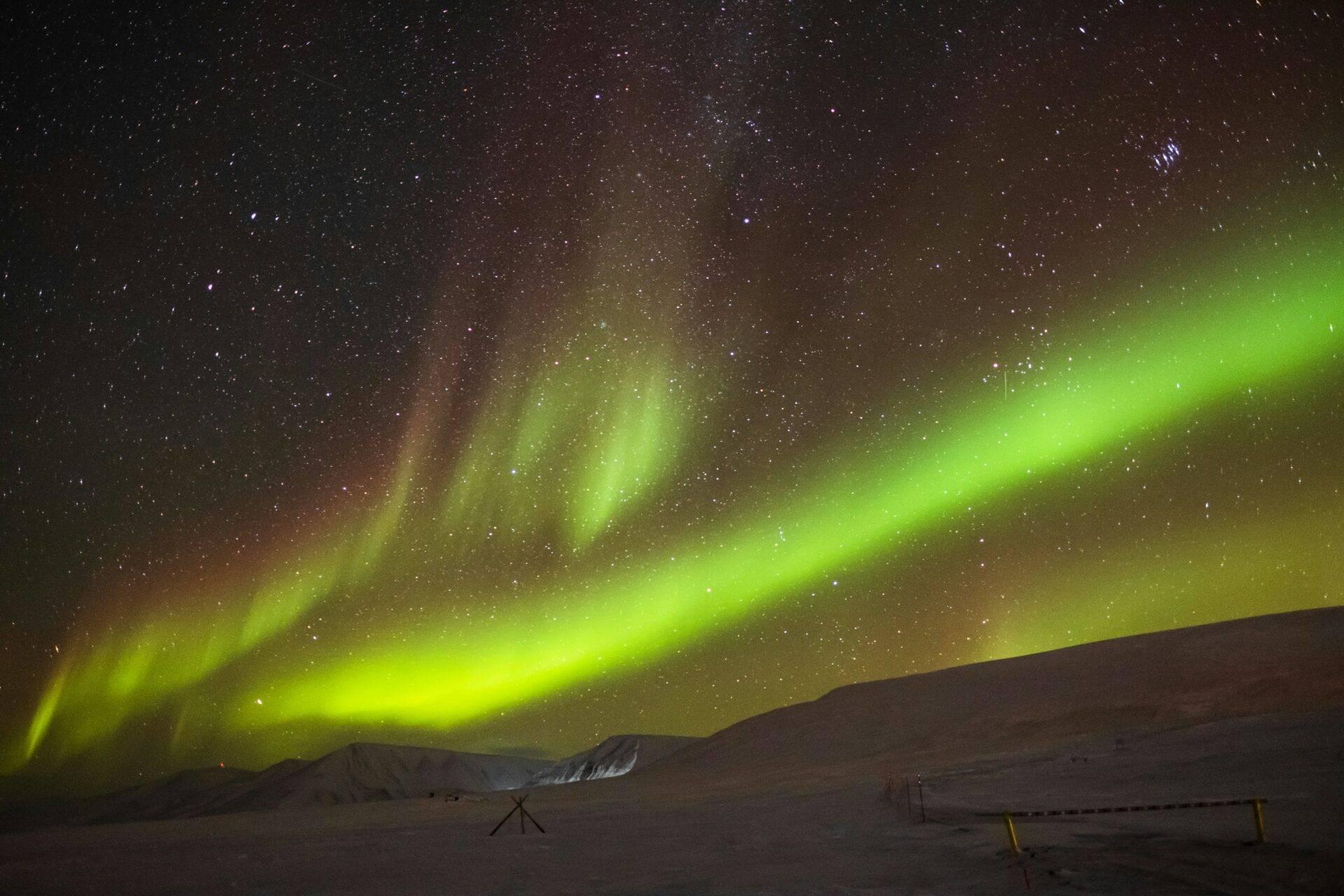
Svalbard, Norway: the northern lights at 78 degrees north
The Svalbard archipelago, at around 78° north, is one of the most accessible places on earth for witnessing the northern lights. This luminous phenomenon occurs when solar particles enter the Earth’s atmosphere and set curtains of green light dancing across the night sky. Polar night stretches from October to February: this is the ideal window to catch the aurora in full display.
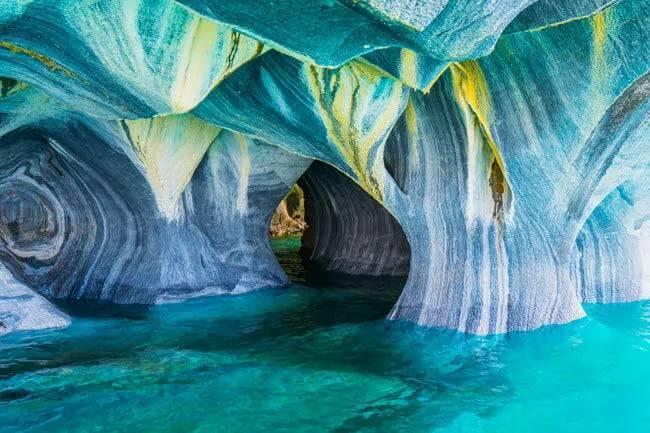
Marble Cathedral, Chile: caves shaped by 6,000 years of erosion
On the shores of Lake General Carrera in Chilean Patagonia, three marble formations (the Catedral, the Capilla and the Cueva) have been hollowed out by waves and glacial meltwater over more than 6,000 years. The walls reflect the turquoise and blue tones of the lake, which shift with the light and the water level. The site is accessible only by boat and has been protected as a natural sanctuary since 1994.
FAQ
What is the strangest place on Earth?
Dallol, in Ethiopia, consistently tops the lists: sitting at -136.8 metres below sea level, it records a daily average temperature of 45°C, with pools of sulphuric acid and sulphur formations that give it an appearance that is radically, unmistakably not of this world.
Where can you find otherworldly landscapes in Europe and nearby?
Iceland’s lava fields and geysers, the volcanic flows of Lanzarote (Spain), and the igneous terrain of Mount Etna in Sicily all offer atmospheres close to another world, just a few hours’ flight from most European cities.
Can you still visit the Naica Cave in Mexico?
No. The Cueva de los Cristales has been flooded and closed since October 2015, when the mine’s pumps were shut down. The crystals are growing back beneath the water and the site is not expected to reopen any time soon.
When is the best time to visit Lençóis Maranhenses to see the lagoons?
The best period is July to September, when the lagoons are at their fullest after the rainy season. From October onwards, most of the pools begin to drain.
Do these extreme destinations require specific travel insurance?
Yes. Travelling in extreme environments, whether intense heat, remote areas or difficult access, calls for solid medical cover including emergency repatriation. Check the limits and exclusions of your policy before you leave: an evacuation from a hard-to-reach location can be extremely costly.