
In May, five extraordinary destinations combine favourable conditions with crowds that have yet to arrive: Madagascar and the Uyuni Salt Flats enter their dry season, the Faroe Islands welcome their first puffins, Tromsø sees its first white nights, and Bhutan offers a calm window before the monsoon rains. Five radically different experiences, all well off the beaten track.
Bhutan: Himalayan Monasteries Before the Monsoon
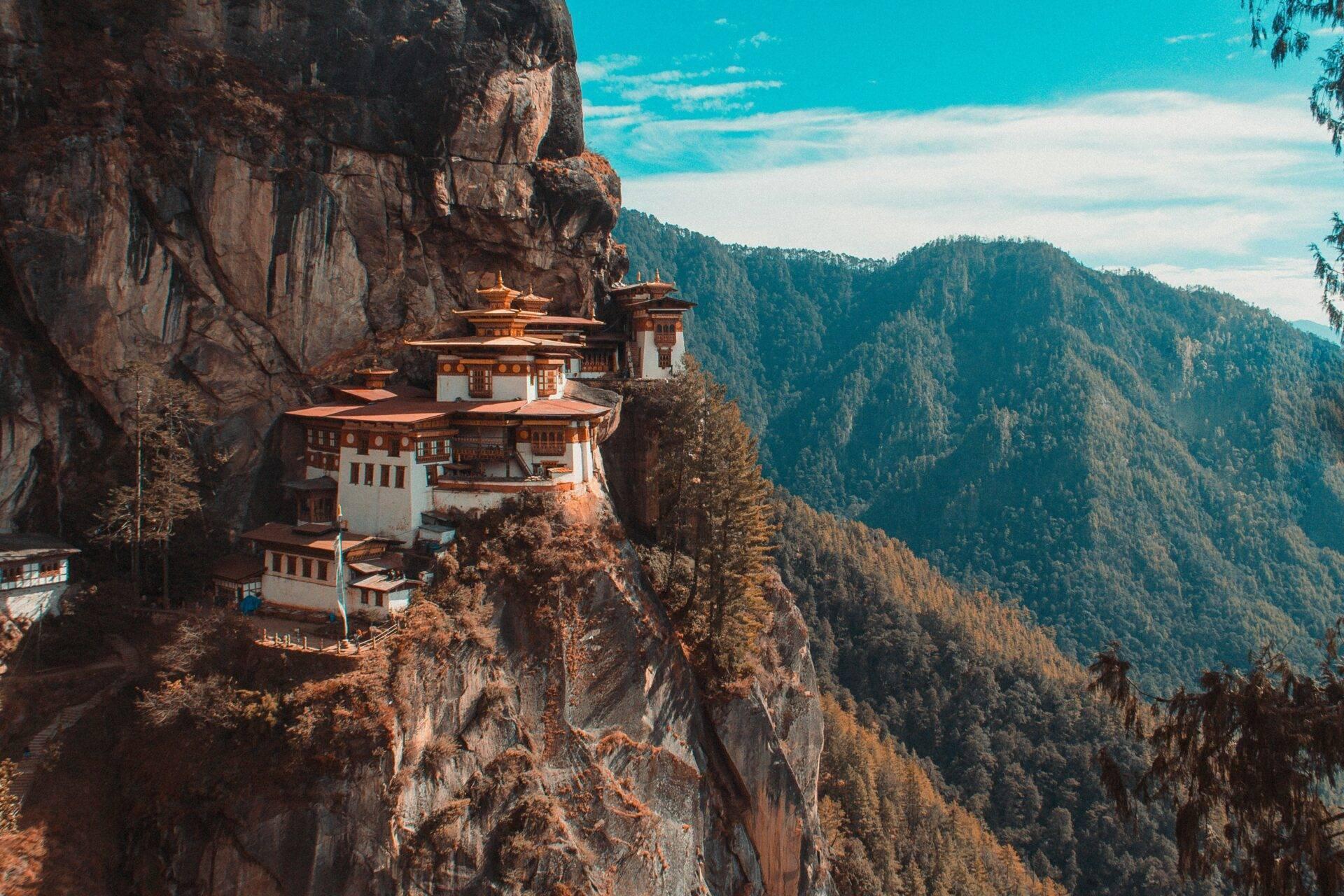
This small Himalayan kingdom, landlocked between India and China, takes a considered approach to tourism: every visitor pays a daily fee that goes directly towards protecting the country’s environment and Buddhist culture. In May, the valleys are still accessible and lush before the monsoon sets in around June. This is the window to hike up to cliff-perched monasteries, pass through fortified dzongs and immerse yourself in a centuries-old culture that has remained almost entirely intact.
Worth knowing: the famous Paro Tsechu festival is held each year in March or April according to the Bhutanese lunar calendar, not in May. If the festival is your priority, adjust your dates accordingly.
Madagascar: Lemurs and Baobabs at the Start of the Dry Season
May marks the start of the dry season in Madagascar. Roads become passable again, the red dirt tracks dry out after the rains, and lemurs grow more active – particularly in the early morning and late afternoon. The island is home to more than 100 species of lemur: the Indri Indri, the largest of them all, can be tracked by its powerful call through the forests of Andasibe-Mantadia.
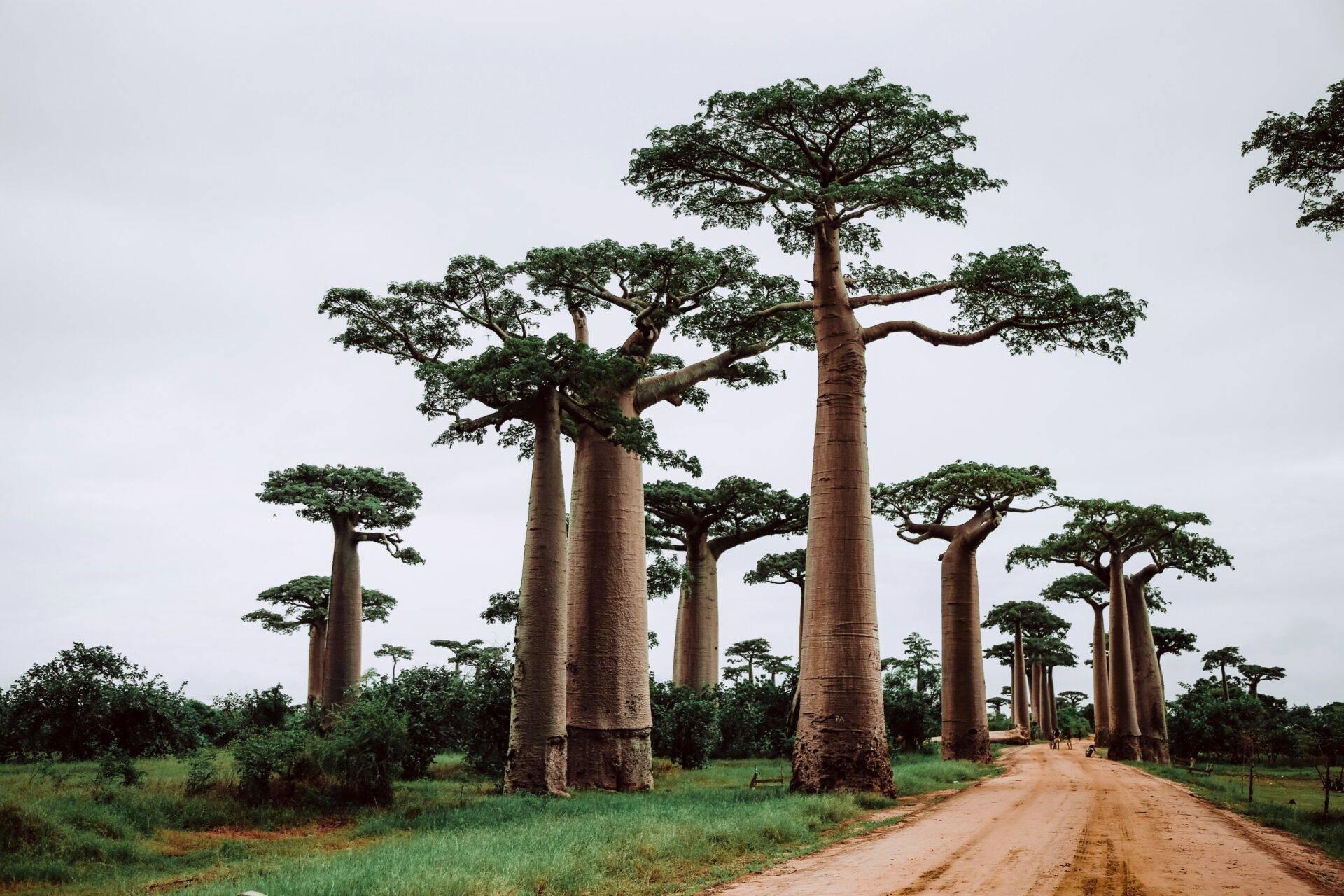
The Avenue of the Baobabs near Morondava brings together trees that are several centuries old, their massive trunks making for a striking sight at sunrise and sunset. May is also a fine time to explore the rock formations of Isalo and the beaches of the north, ahead of the peak season in July and August.
To plan your route, our guide Things to do in Madagascar: 20 must-see highlights has all the essential details.
Tromsø, Norway: Life Under the Midnight Sun
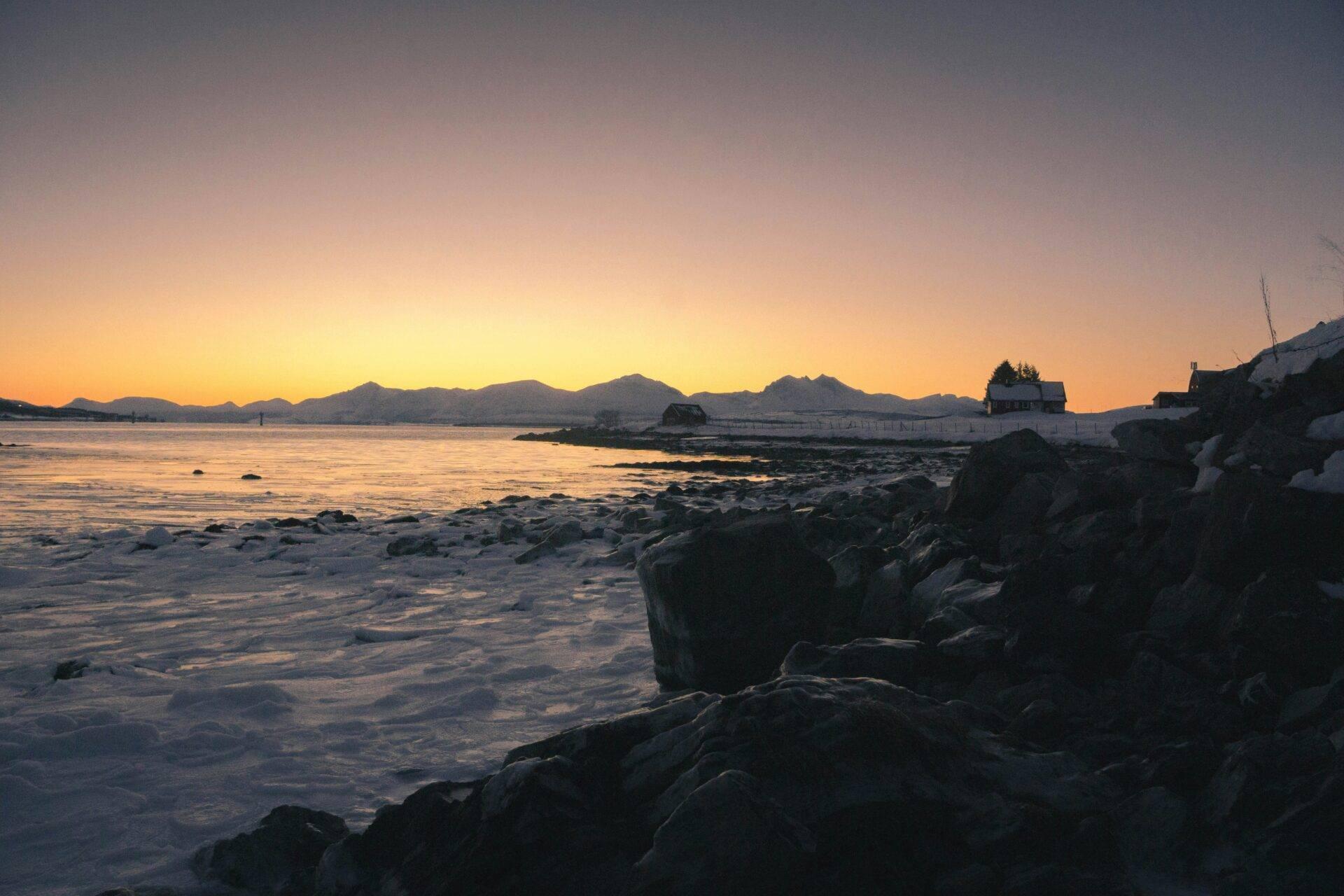
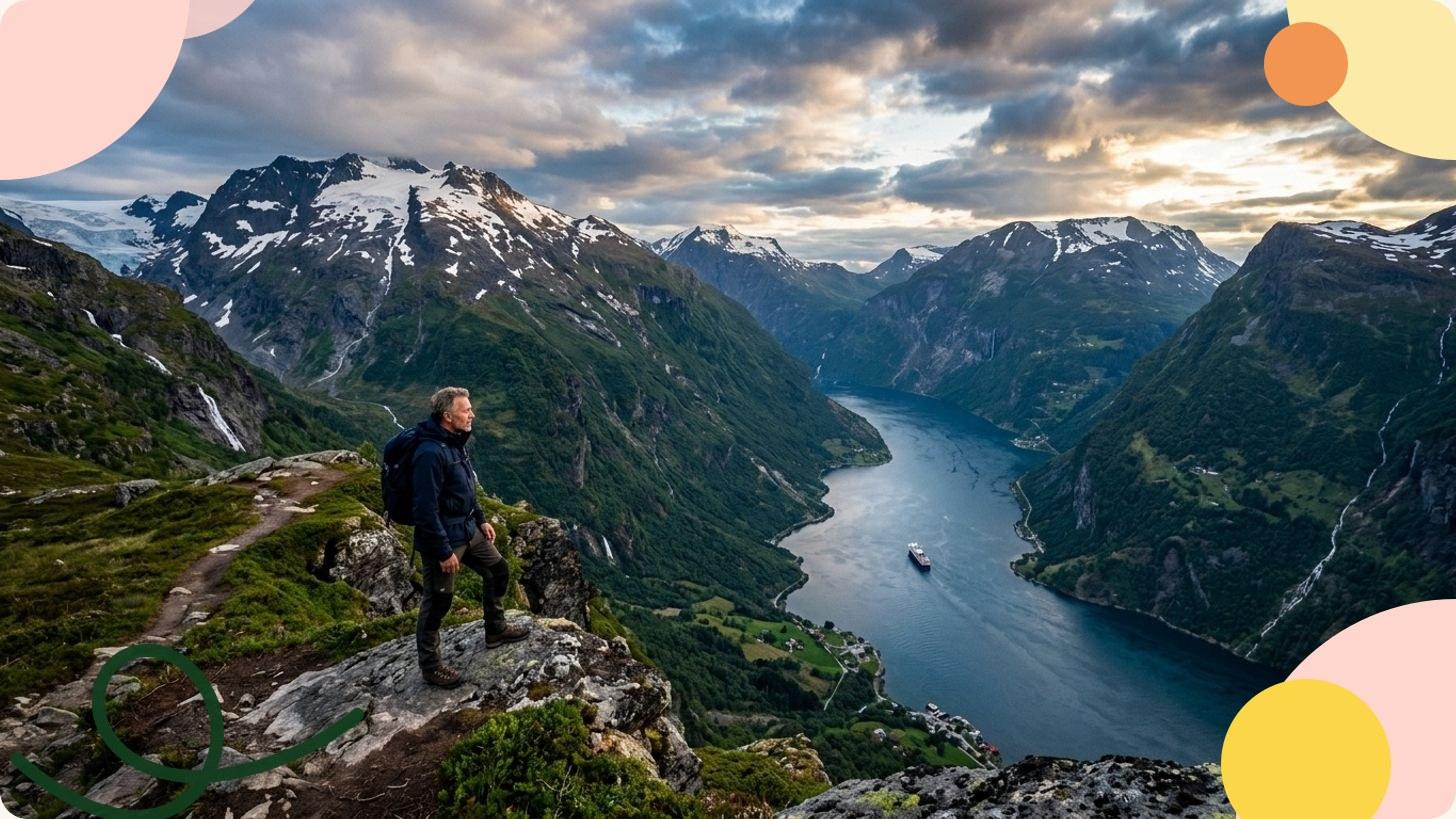
Sitting at 69°N, well above the Arctic Circle, Tromsø enters its midnight sun period in May: the sun no longer sets and the city is bathed in a permanent golden light. This means you can hike snow-dusted ridges at any hour, or kayak across glassy fjords in an evening glow that never quite fades.
One important point: the northern lights are not visible in Tromsø in May. The round-the-clock daylight makes them impossible to see. If the aurora is your priority, plan your trip between September and March. But if you are after Arctic light at its most spectacular, May is the month to come.
Our guide Things to do in Norway: 20 unmissable highlights covers the activities and itineraries not to be missed.
The Faroe Islands: Cliffs, Puffins and Trails at Their Best
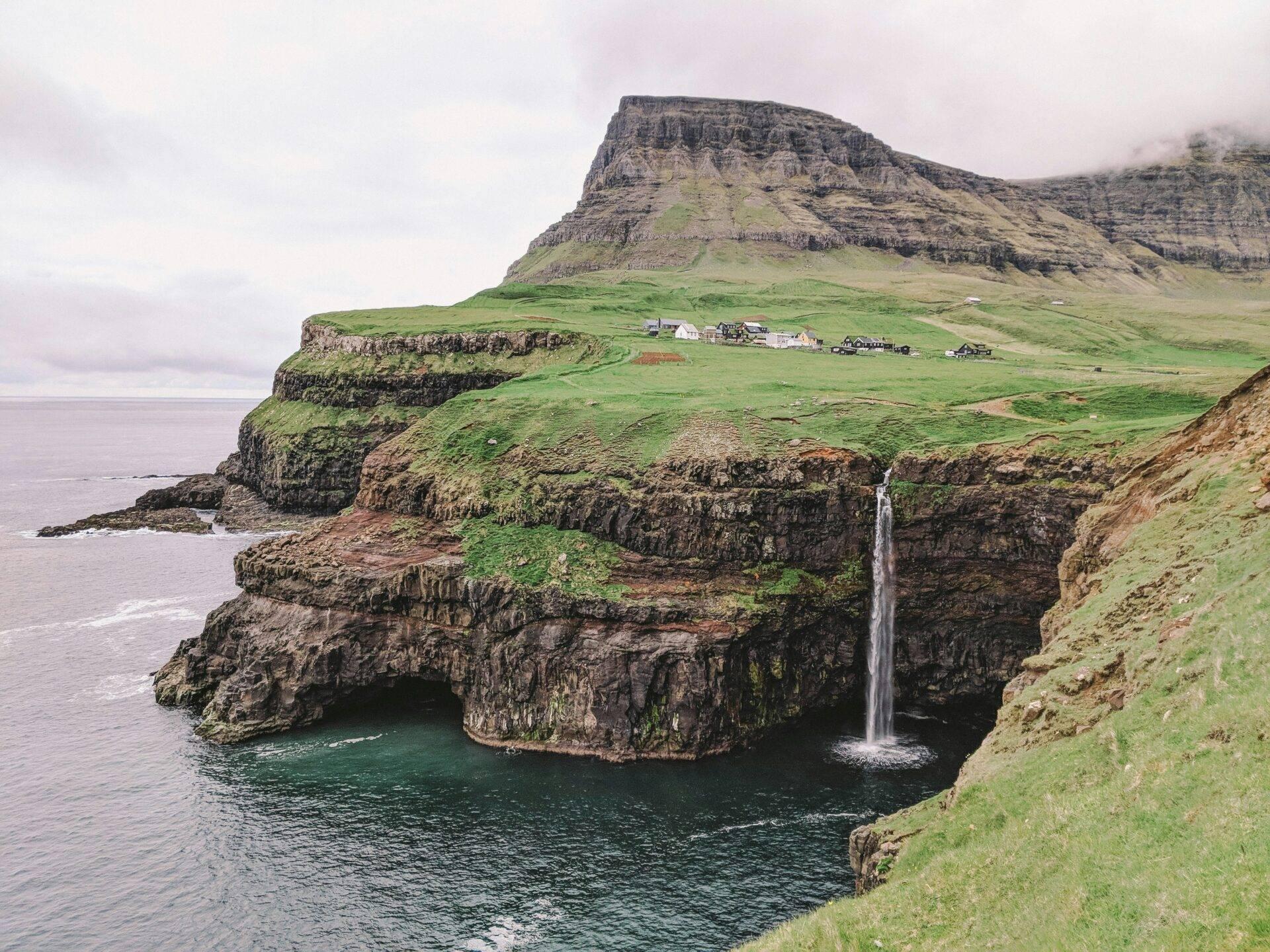
This self-governing archipelago, perched between Iceland and Norway, ranks among the most spectacular and least visited destinations in Europe. In May, nature is at its peak: the grass is an intense green, waterfalls are swollen with snowmelt, and Atlantic puffins return to nest on the rocky islets after their winter migration. The island of Mykines is their heartland, reachable by boat from Sørvágur.
The hike to Lake Sørvágsvatn – which appears to hang suspended above the ocean – and the trail to the Múlafossur waterfall are among the most dramatic walks in Europe. Temperatures hover between 8 and 12°C in May: pack layers and a waterproof windbreaker.
Worth knowing: some trails may be subject to local restrictions at weekends depending on decisions taken by individual villages. Check trail conditions before you head out.
The Uyuni Salt Flats, Bolivia: The Big White of the Dry Season
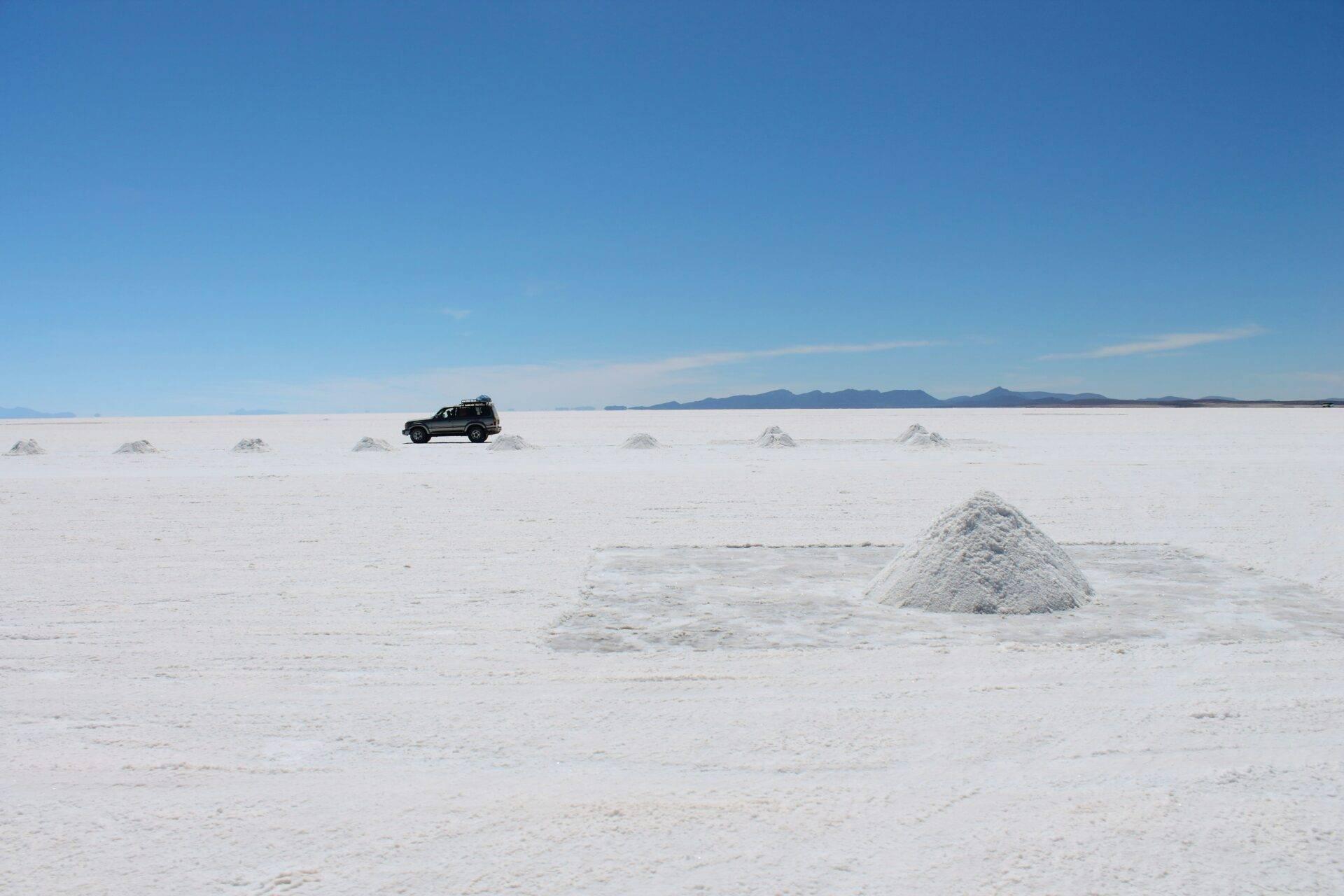
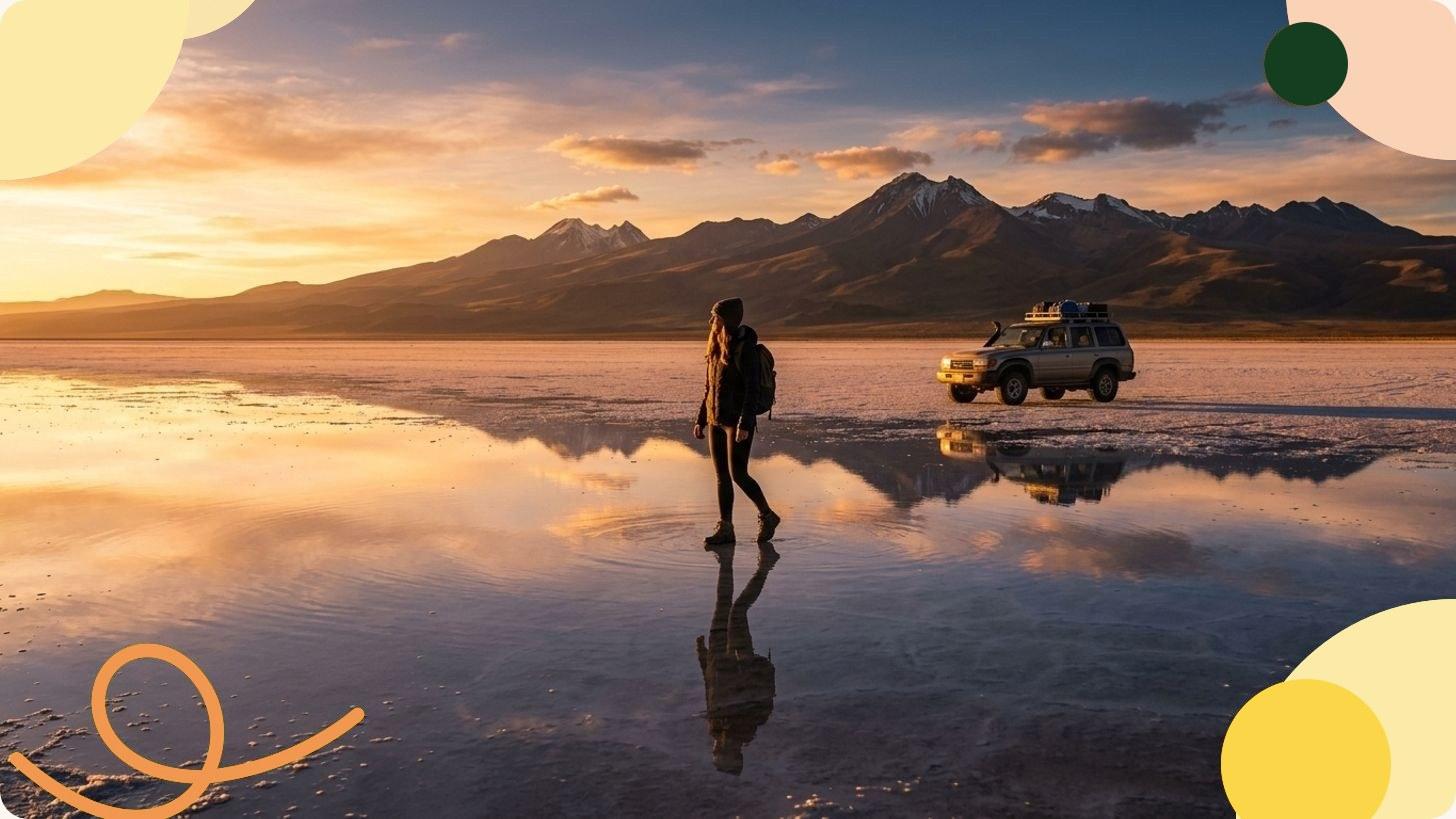
Sitting at over 3,600 metres in the Bolivian Andes, the Uyuni Salt Flats are the largest salt desert in the world. May marks the start of the dry season: the surface is white and pristine, the days are sunny and the tracks are fully accessible. The mirror effect, which requires the shallow layer of water left by the rainy season (December to March), is no longer present in May, but the 360-degree mineral landscape under a high-altitude sky is breathtaking all the same.
The visit is done by 4x4 with a local guide. Highlights include Incahuasi Island, covered in giant cacti, the Sol de Mañana geysers and the coloured lagoons of the Eduardo Avaroa reserve. At night, temperatures drop below zero even in May: bring warm clothing.
To plan your Bolivia itinerary, our guide Things to do in Bolivia: 20 unmissable highlights covers the key stops.
Get my travel insurance quoteTravelling Off the Beaten Track in May: What to Plan For
These five destinations share one thing in common: they are far from medical infrastructure. In Bhutan, Madagascar or at altitude in Bolivia, a medical evacuation can run to tens of thousands of pounds. Standard bank card insurance typically does not cover repatriation from remote areas or on specialist medical flights.
Before you travel, check your actual medical cover and how far you are from the nearest hospital. Travel insurance with medical repatriation covers these situations and means you will not have to pay large sums upfront while abroad.
FAQ
Which offbeat destination is best for warm weather in May?
Madagascar is the warmest option: temperatures remain high on the coast without the downpours of the wet season. The Uyuni Salt Flats (high altitude, sub-zero nights), the Faroe Islands (8-12°C) and Tromsø are considerably cooler.
Can you see the northern lights in Tromsø in May?
No. The northern lights require darkness to be visible. From late May onwards, Tromsø is under the midnight sun, meaning 24 hours of daylight. The aurora season runs from September to March.
Do you need a visa for Bhutan?
Yes. Bhutan requires both a visa and a daily fee per visitor. Conditions and rates change regularly: check official sources or speak to your travel agent before booking.
When does the dry season begin in Madagascar?
The dry season sets in gradually from April to May depending on the region. The west coast and the central highlands generally enjoy good conditions from May. The east coast tends to remain wetter throughout the year.
Is the mirror effect at the Uyuni Salt Flats visible in May?
Not as a rule. The mirror effect is caused by rainfall and is a feature of the wet season (December to March). By May, the dry season is fully established and the surface is entirely white and dry. If the mirror effect is your priority, plan your visit between January and March instead.