
Menorca packs the very best of the unspoiled Mediterranean into just 700 sq km: more than 100 coves along 216 km of coastline, prehistoric remains dating back 3,000 years and two baroque towns with entirely different characters. In short, the most sought-after experiences are exploring the wild coves of the south, hiking the Camí de Cavalls, visiting Mahón and Ciutadella, and discovering the talayotic sites. A week covers the highlights; ten days lets you do everything at a comfortable pace.
Beaches and Coves: Where to Swim in Menorca
Designated a UNESCO Biosphere Reserve in 1993, Menorca has kept most of its coastline free from mass development. The island boasts more than 100 beaches and coves spread across 216 km of shoreline.
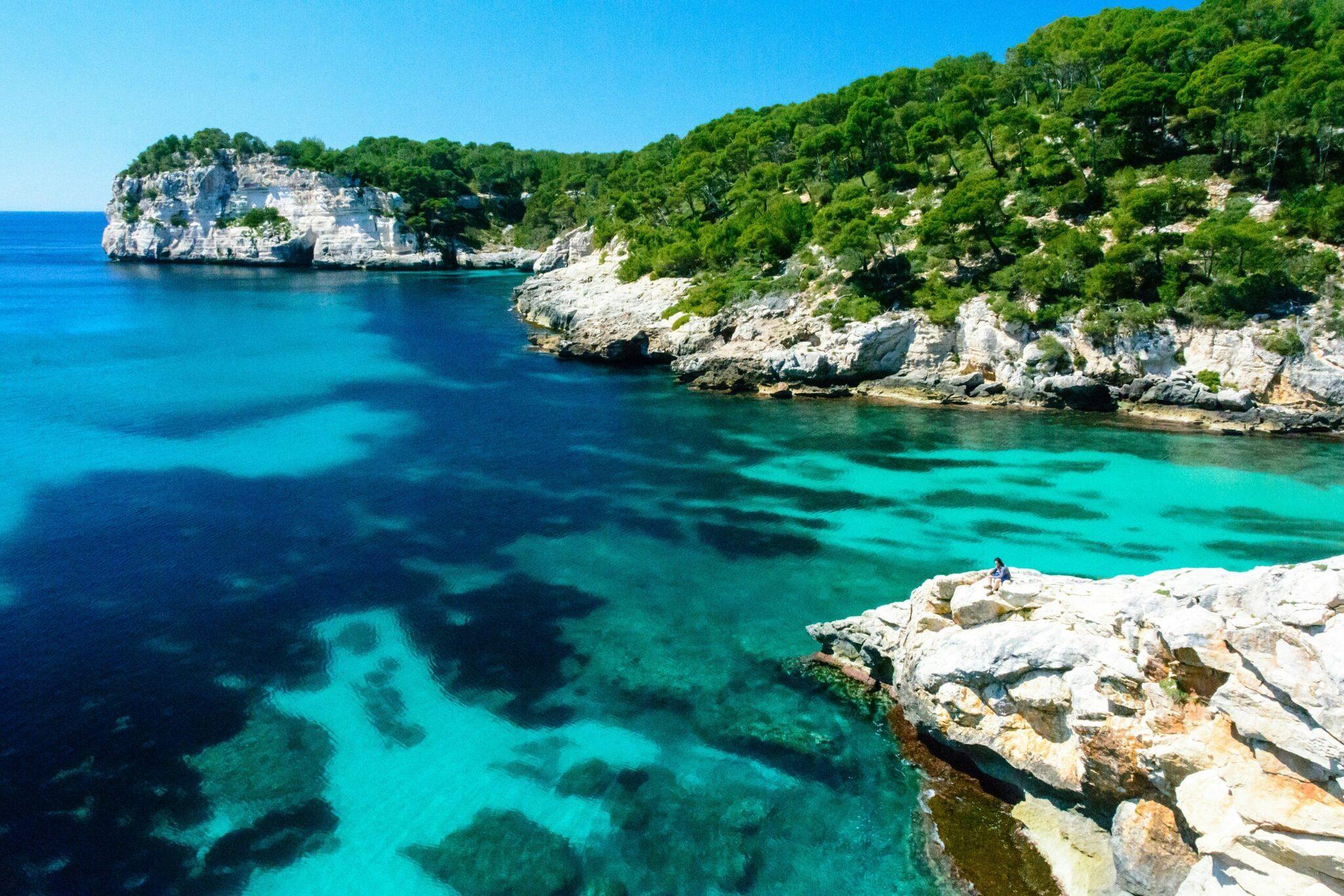
The most sought-after coves:
- Cala Macarella and Cala Macarelleta: twin coves with deep blue water framed by cliffs and pine trees, reachable on foot from Cala Galdana in around 30 minutes.
- Cala Turqueta: fine white sand, clear water and natural shade from the pines, to the west of Ciutadella.
- Cala Mitjana and Cala Mitjaneta: two side-by-side beaches among the most stunning on the island, a roughly 20-minute walk from Cala Galdana.
- Cala Pregonda: unusual ochre-red sand and crystal-clear water on the north coast, about 20 minutes’ walk from the car park.
- Son Bou: the island’s longest beach, with 2.5 km of unbroken fine sand, ideal for families.
In July and August, the best-known coves fill up fast. Arriving early in the morning or heading to lesser-known spots is the best approach.
Get my Yupwego quoteMahón and Ciutadella: Two Towns, Two Atmospheres
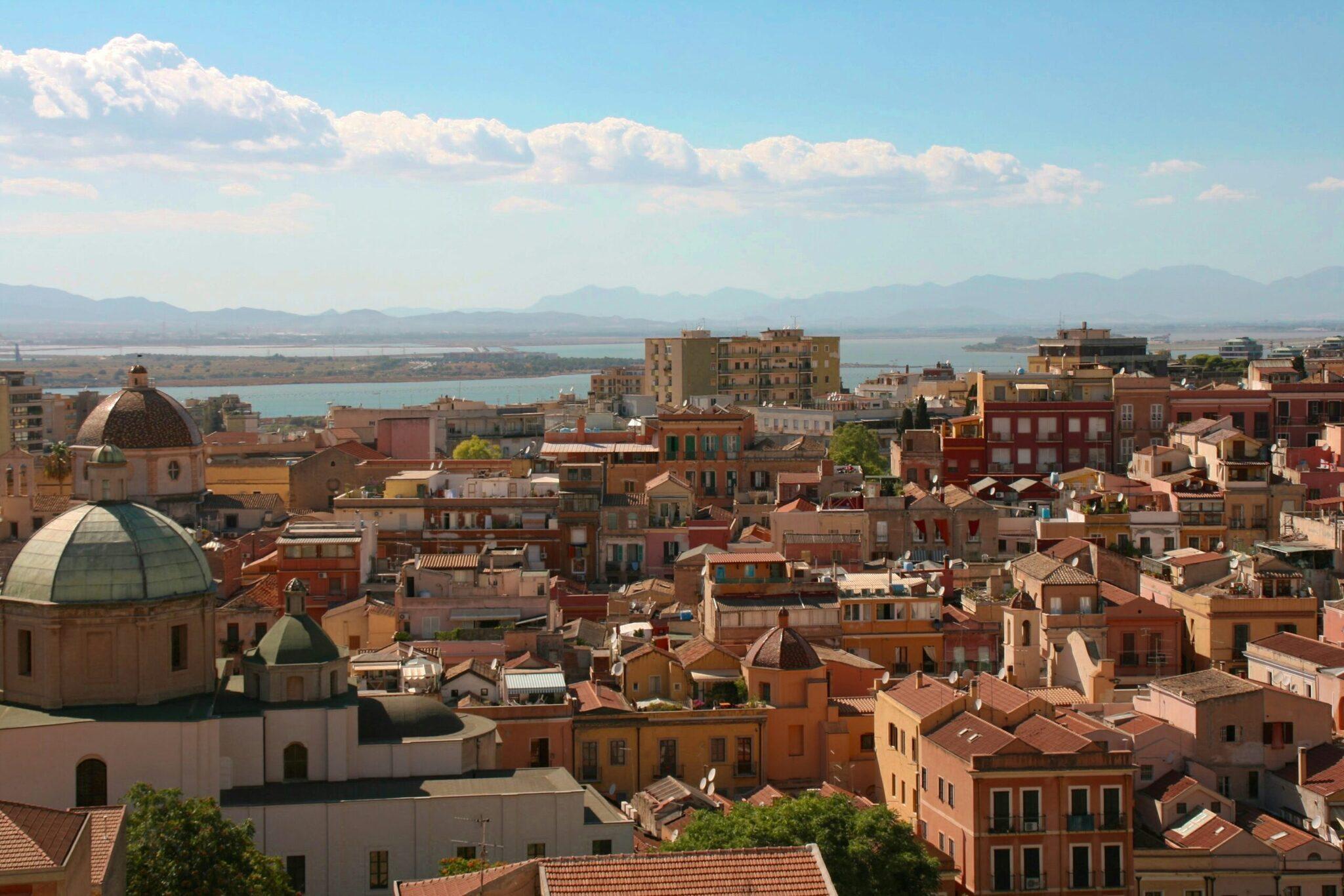
Menorca’s two main towns sit 45 km apart. Mahón, the capital, is defined by its natural harbour and maritime trade. Ciutadella, the former capital, has retained its aristocratic character and its pedestrianised historic centre.
Mahón: Natural Harbour, Fortress and Museum
Mahón (Maó in Catalan) is the island’s capital. Its natural harbour, one of the deepest in the Mediterranean, drew the attention of Moors, Aragonese and British in turn, each leaving a visible mark on the city.
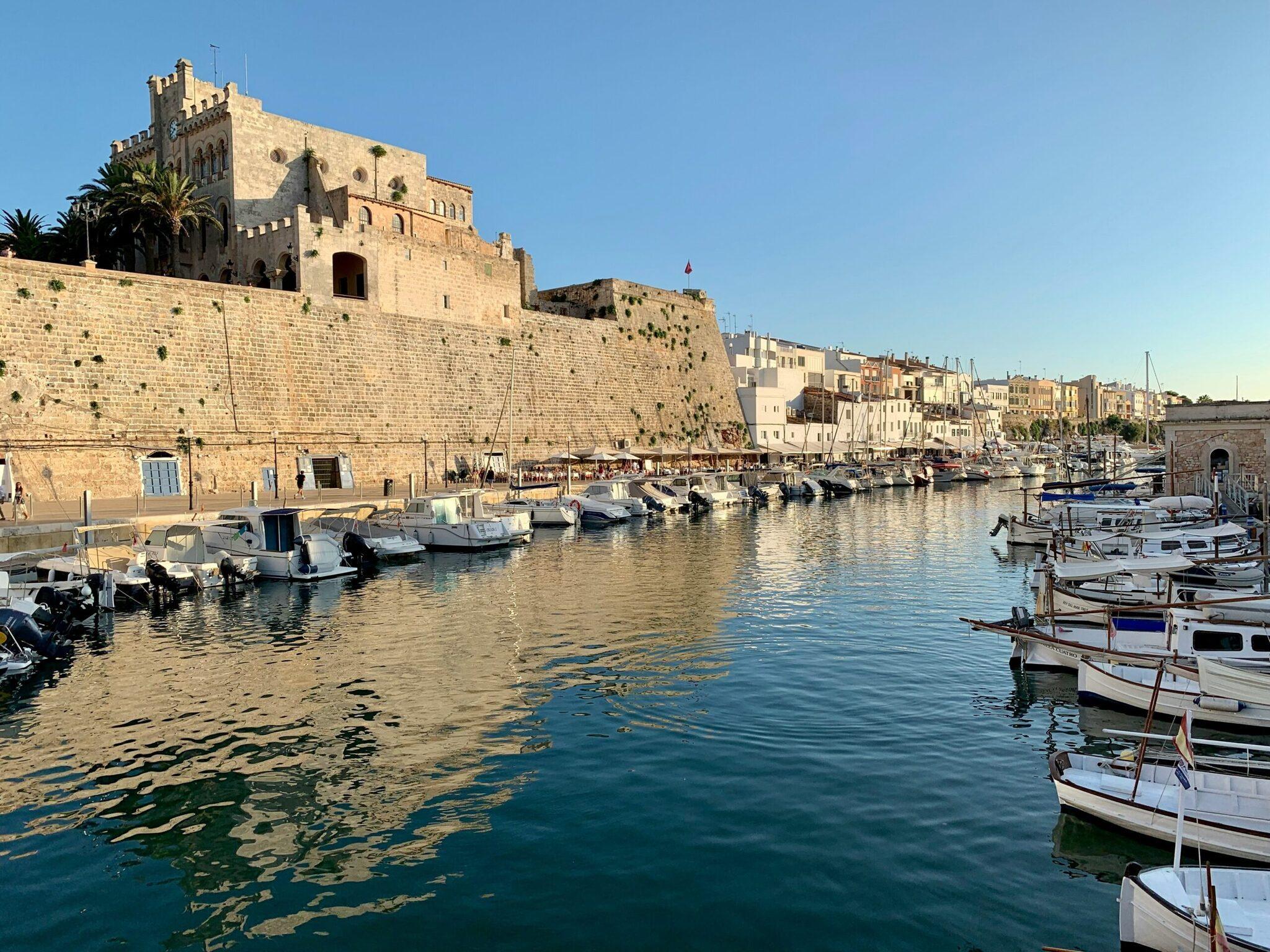
Things to do in Mahón:
- Stroll along the harbour: cafés, restaurants and a morning fish market.
- Visit La Mola fortress (Fortaleza de Isabel II): a 19th-century military fortification at the harbour entrance, largely intact.
- Explore the Menorca Museum: housed in an 18th-century convent, it traces the island’s history from its origins to the present day.
- Browse the Claustre del Carme market: local cheeses, cured meats and artisan produce.
A few minutes’ drive from the centre, Talatí de Dalt and Trepucó offer a first encounter with talayotic prehistory without making a significant detour.
Ciutadella: Baroque, Palaces and Stone Labyrinths
Ciutadella has kept its aristocratic stamp. Its pedestrianised historic centre can be comfortably explored in half a day.
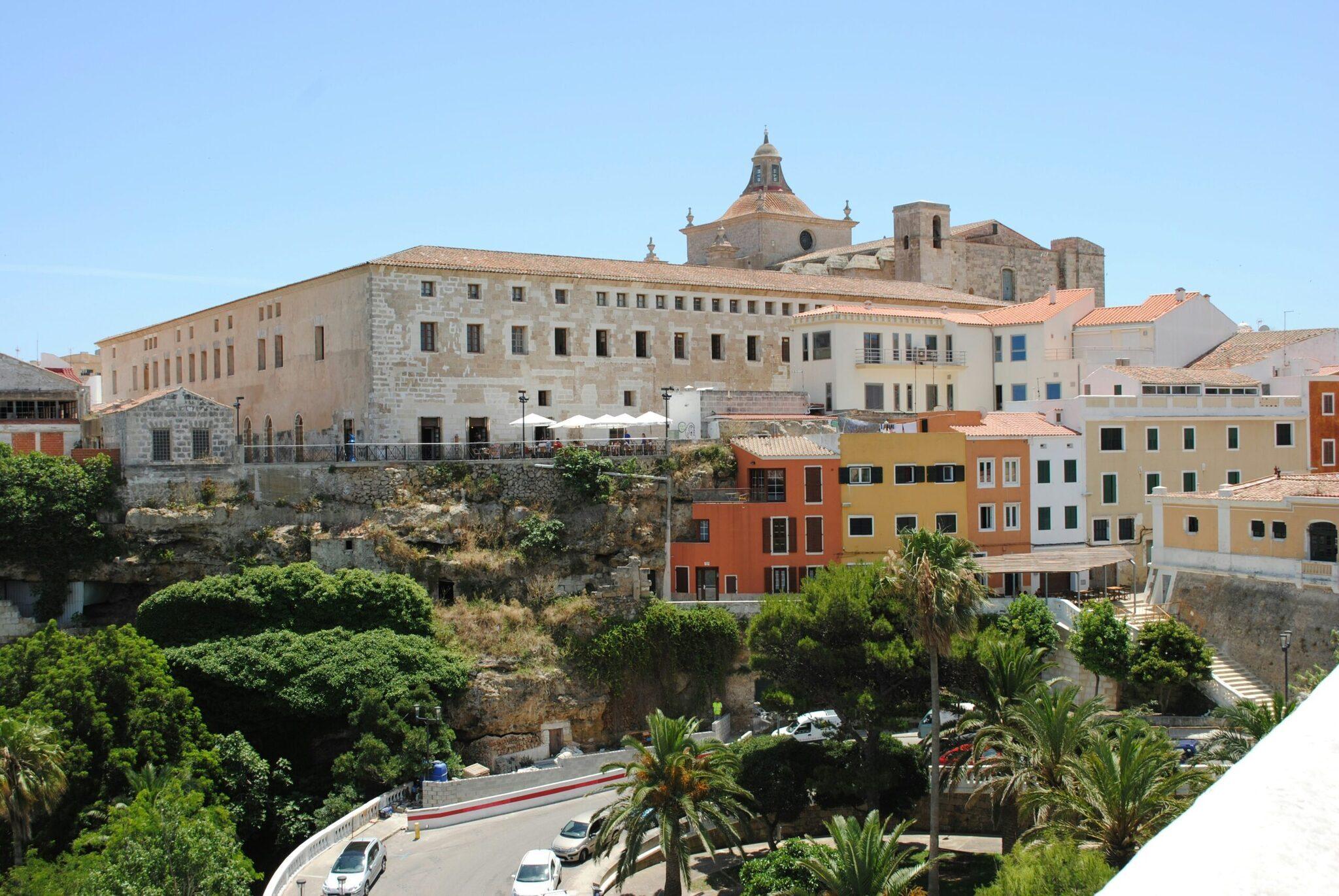
Not to be missed:
- Santa Maria Cathedral (14th century), built on the foundations of an Arab mosque demolished during the Reconquista.
- Plaça d’es Born and the aristocratic palaces from the 17th and 18th centuries that surround it.
- The covered market: Menorcan cheeses, ensaïmades and local cured meats.
- Les Lithica: a former sandstone quarry on the outskirts of Ciutadella, now a cultural space with two plant labyrinths and a botanical garden.
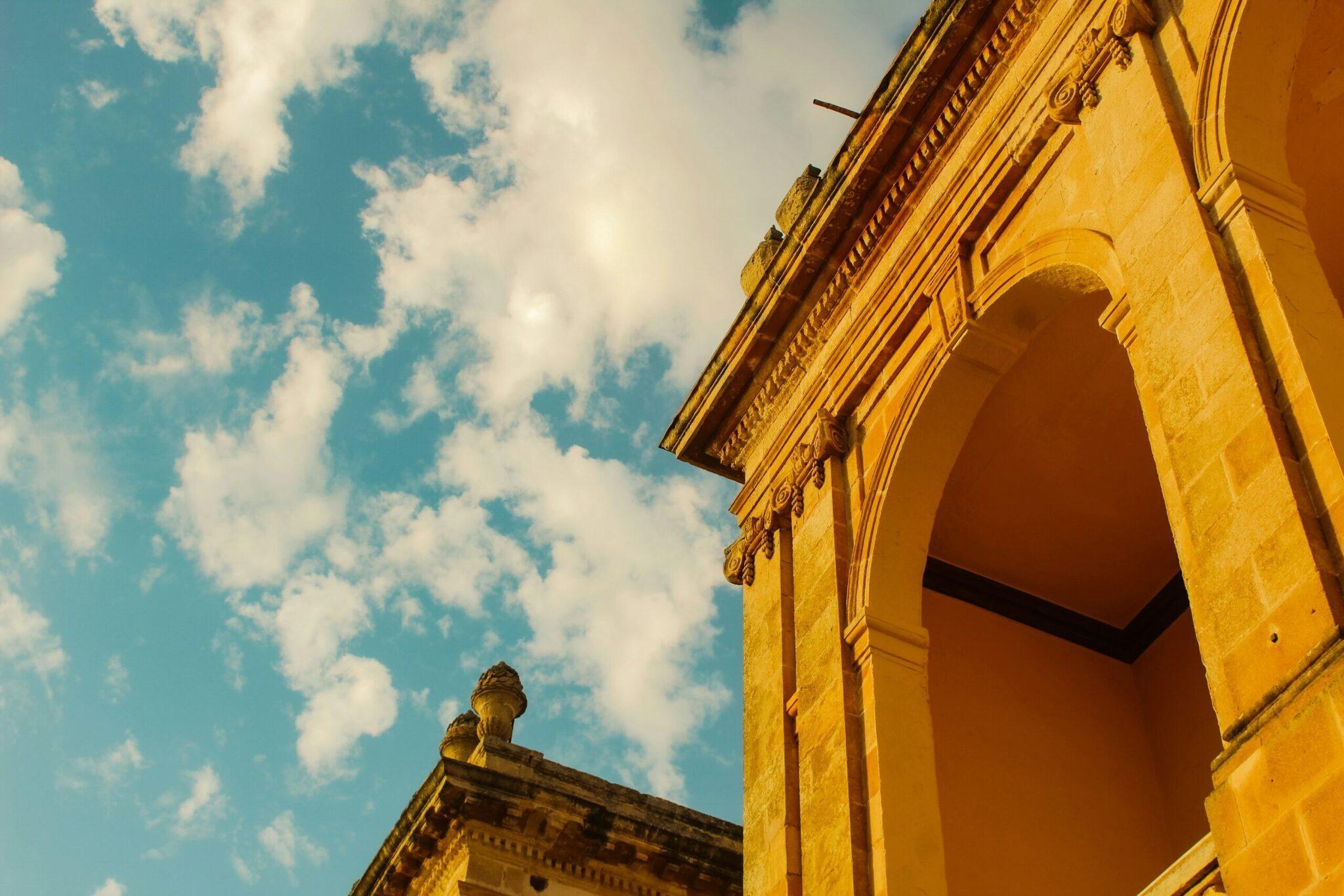
Prehistoric Sites: Talayotic Menorca
Menorca is home to an exceptional network of talayotic sites, remnants of a civilisation that inhabited the island between 1,500 and 123 BC. A handful of well-preserved and easily accessible monuments are well worth a stop.
- Naveta des Tudons (near Ciutadella): a collective dry-stone burial chamber, one of the best preserved in Western Europe.
- Torralba d’en Salort: the island’s most imposing taula, a monumental T-shaped structure, set within a largely cleared talayotic village.
- Torre d’en Galmés: the largest prehistoric village in the Balearic Islands, with a remarkable variety of talayots, a taula and ancient dwellings.
- Trepucó: a quarter of an hour’s walk from the centre of Mahón, with free access year-round.
The Camí de Cavalls: Hiking Around the Entire Island (GR223)
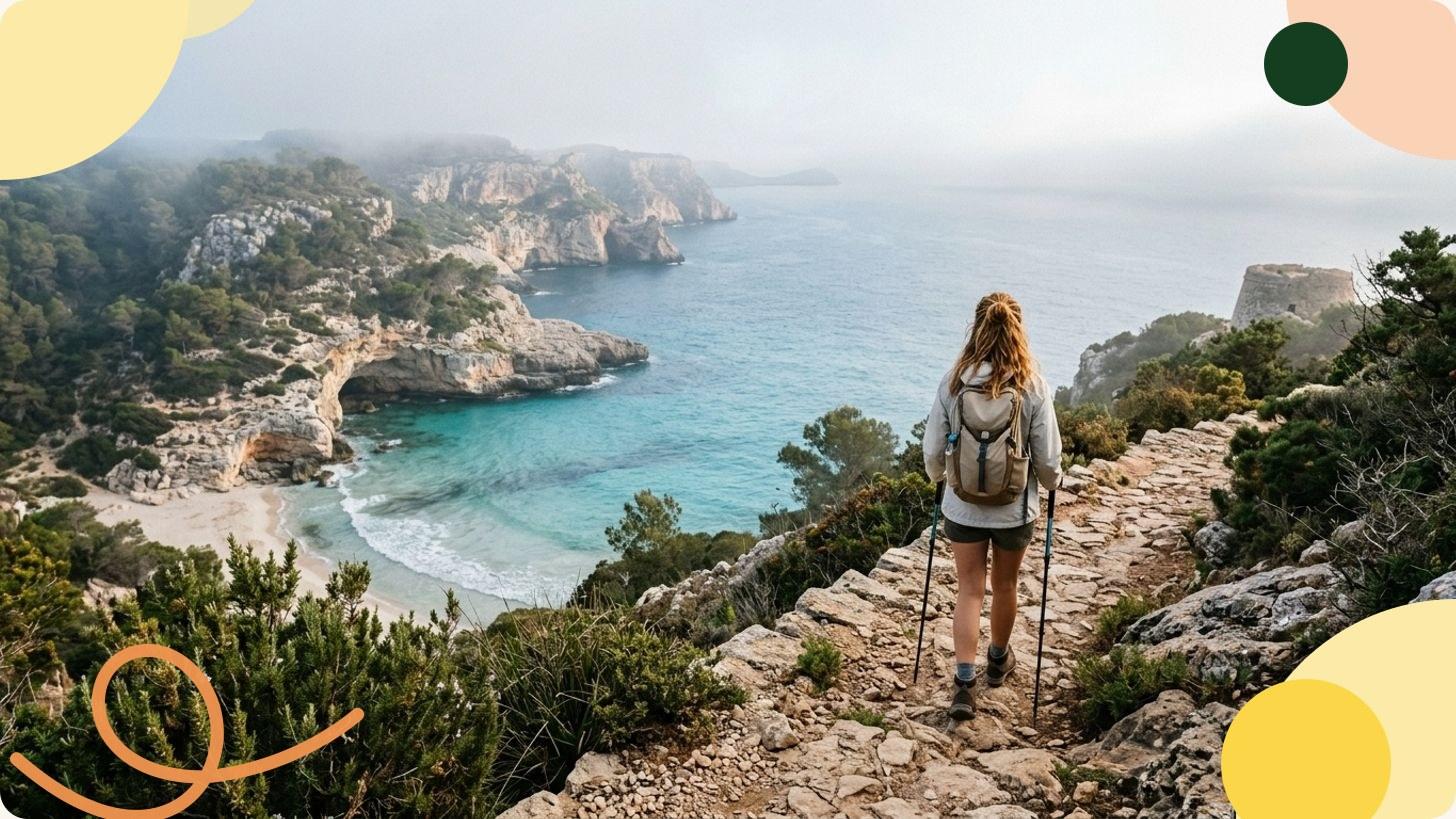
The Camí de Cavalls is a waymarked coastal path (GR223) that circles the entire island over 186 km in 20 stages of between 5 and 14 km. Its name, meaning ‘path of the horses’ in Catalan, recalls the mounted patrols organised in the 14th century to keep watch over the coastline from the heights.
You can walk the full route (allow around ten days) or take it in sections depending on your time. The trail crosses the s’Albufera des Grau nature park, follows clifftops and medieval watchtowers, and gives access to more than 50 coves and beaches. The stages around Cala Galdana and Fornells are the most suitable for casual walkers and families.
Fornells and Cala Galdana: Two Bases for Exploring the Island
Cala Galdana, in the south-centre, is the most well-served beach in the area. Its sheltered bay offers calm waters and direct access to the paths leading to Cala Macarella and Cala Mitjana. It is often used as a base for exploring the surrounding coves on foot.
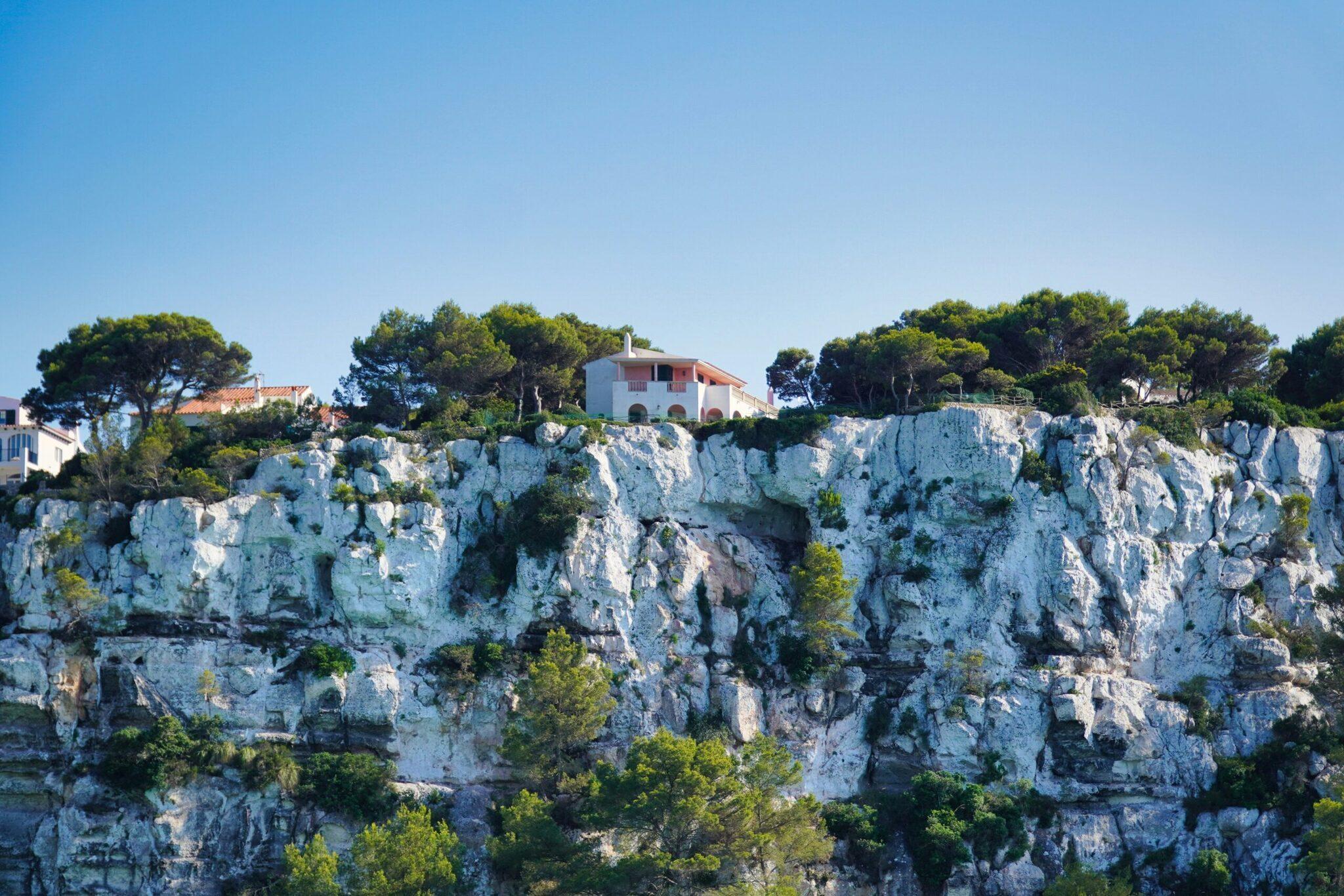
Fornells, on the north coast, is a fishing village renowned for its caldereta de langosta, a lobster stew prepared to a traditional recipe and served in most of the harbour restaurants. The bay is also a popular spot for windsurfing and kayaking, thanks to its shallow waters and steady winds.
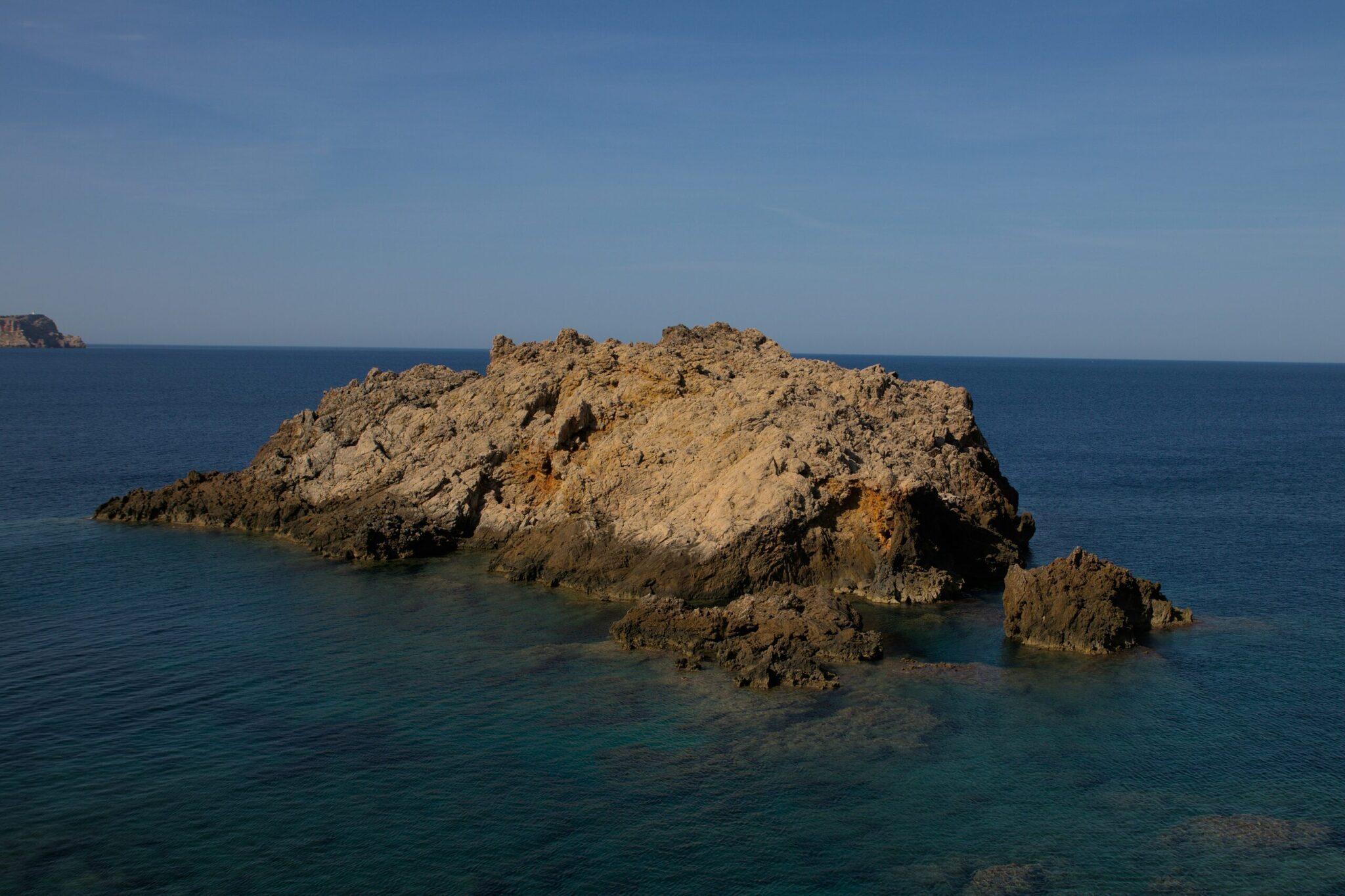
Binibeca Vell: A Unique White Village
Binibeca Vell is a village built in the 1970s to replicate the look of a traditional Mediterranean fishing hamlet: narrow whitewashed lanes, covered passages and terraced houses. The result is undeniably photogenic and worth a short visit, paired with a day on the nearby beach.
FAQ
What Is the Best Time to Visit Menorca?
May to June and September to early October offer pleasant temperatures, quieter beaches and prices that are often lower than in peak season. July and August remain the busiest months, with August seeing the highest crowds and the most popular coves packed during the middle of the day.
How Long Do You Need to Visit Menorca?
A week covers the essentials: Mahón, Ciutadella, the southern coves, one or two prehistoric sites and a village in the north. Ten days allows you to add stages of the Camí de Cavalls and explore lesser-known coves at a relaxed pace.
Do You Need a Car in Menorca?
A car remains the most practical way to reach the more isolated coves and archaeological sites. Buses connect Mahón to Ciutadella and the main beaches during the season (May to October), but frequency is limited for out-of-the-way spots. A bicycle works well in the immediate surroundings of Mahón.
Can You Walk the Camí de Cavalls Without Being an Experienced Hiker?
Yes, if you pick the right stages. The sections around Cala Galdana (towards Cala Macarella) or Fornells are suitable for casual walkers. The north-west stages, wilder and more demanding, are better suited to those with more hiking experience.
Where to Try Caldereta de Langosta in Menorca?
Fornells is the place to go. The harbour restaurants serve this lobster stew to a traditional recipe. Booking ahead is advisable in high season, as the dish is often ordered in advance to guarantee freshness.