
Japan at Christmas is an experience in a class of its own: entire cities transformed into luminous wonderlands, quirky culinary traditions, mountain villages locked under snow, and steaming open-air hot springs. From mid-November through early January, the country reinvents the festive season entirely on its own terms, with results that few destinations in the world can match.
Illuminations That Reshape the Cities
Japan’s major cities begin rolling out their light installations from mid-November, with displays that often run well into January.
Tokyo: Roppongi, Shibuya and Yebisu
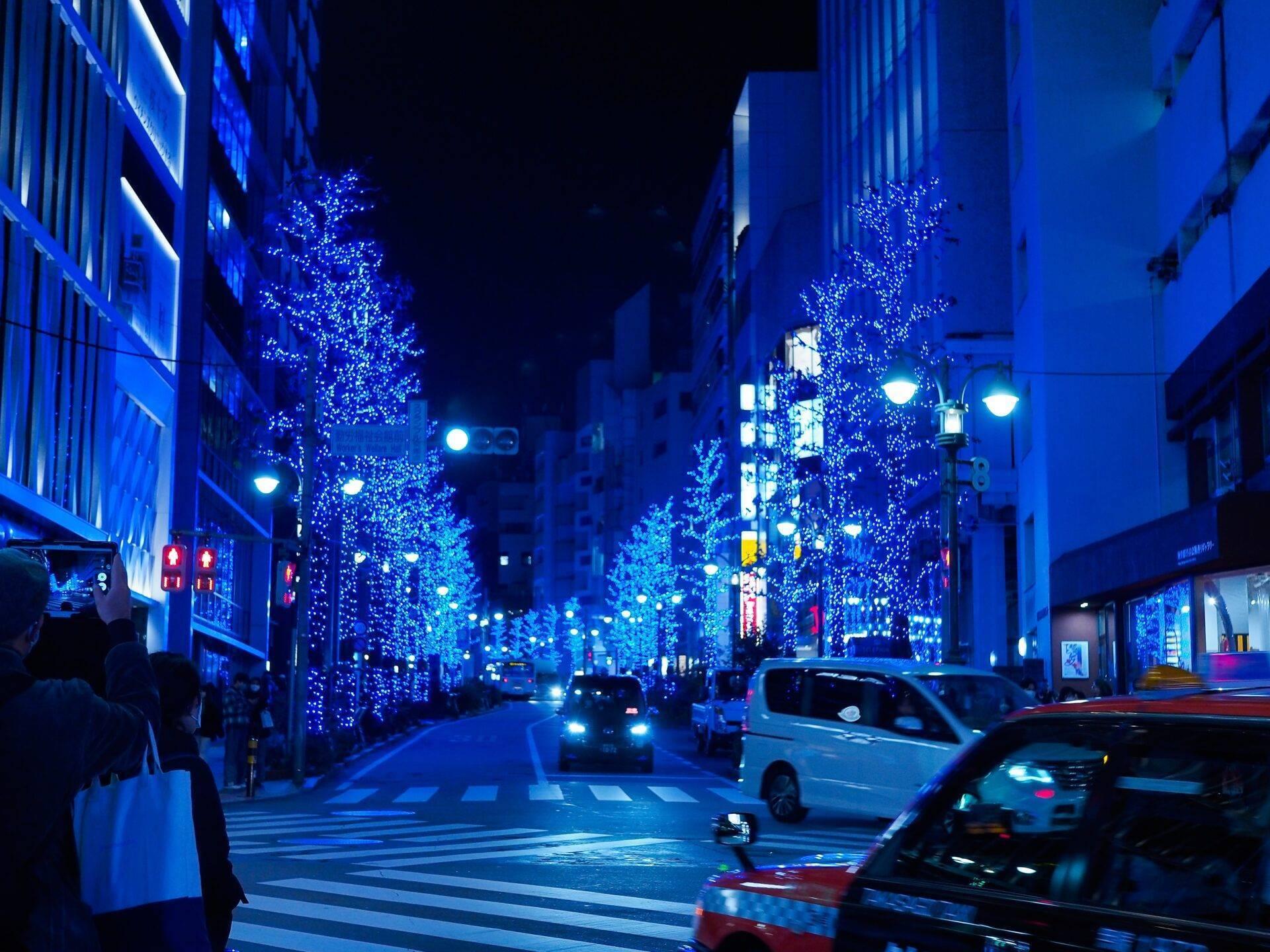
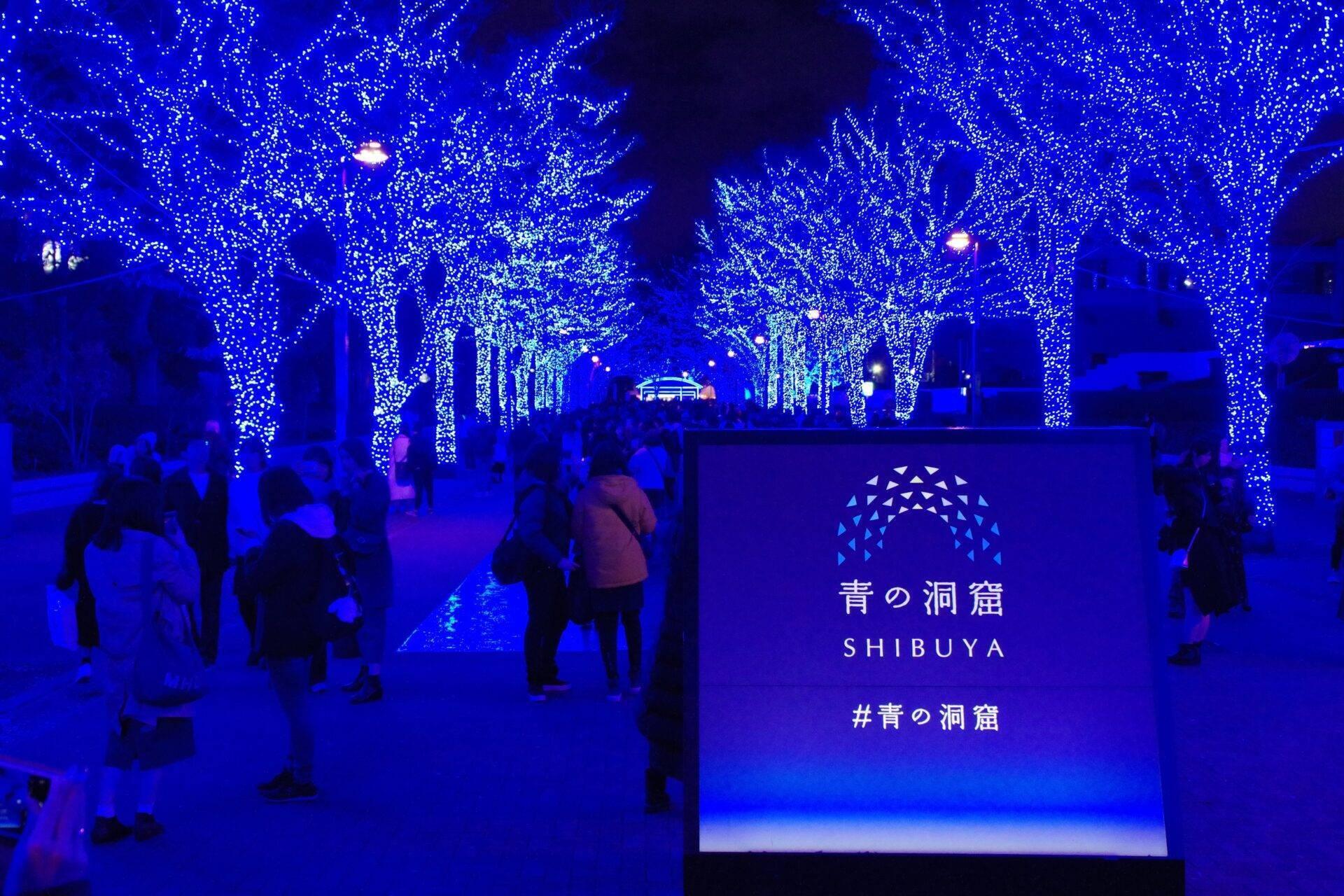
At Roppongi Hills, Keyakizaka Avenue is draped in around 800,000 blue and white LEDs, with Tokyo Tower glowing in the background. Yebisu Garden Place’s central square is lit by a 250-light Baccarat chandelier. Tokyo Dome City puts up a tree standing roughly 15 metres tall adorned with 250,000 LEDs, complete with programmed soap bubbles every 15 minutes. The Shibuya neighbourhood has its own illuminated avenues, among the most photographed of the season.
Osaka: 4 km of Lights Along Midosuji
Midosuji’s illumination is one of the longest lit boulevards in the world: 4 km from Umeda to Namba, with ginkgo trees wrapped in multicoloured lights. Nabana no Sato, in Mie Prefecture (reachable from Osaka or Nagoya), is one of Japan’s grandest light events, filling an entire flower park with millions of LEDs.
Plan my Japan tripChristmas Markets, Japanese Style
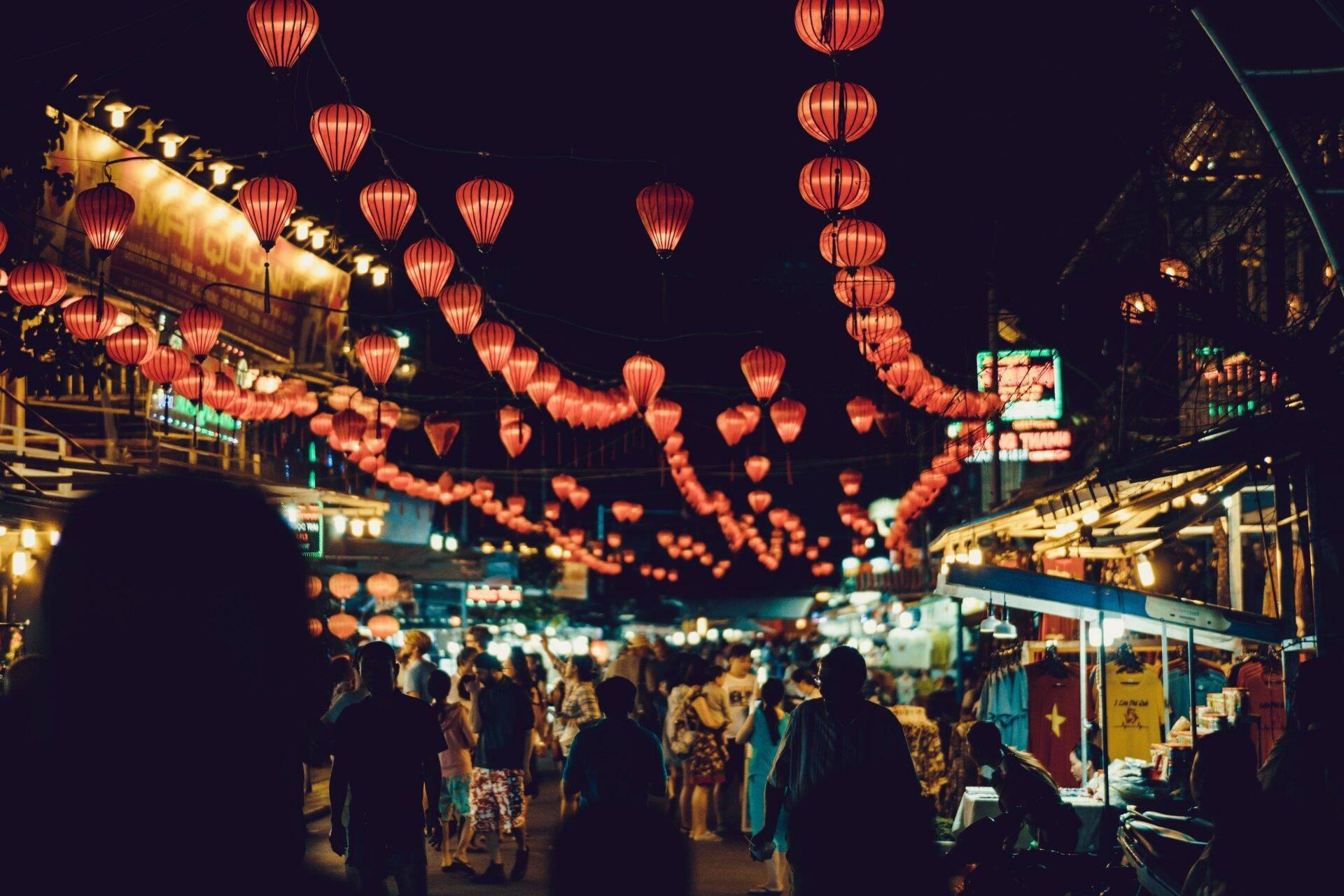
Japan has thoroughly made the European Christmas market its own. In the major cities and in Sapporo (Hokkaido), stalls serve mulled wine and German stollen alongside takoyaki (octopus balls) and taiyaki (fish-shaped cakes). For a useful comparison, take a look at our guide to Christmas markets in Europe.
Onsen in the Snow: The Ultimate Winter Ritual
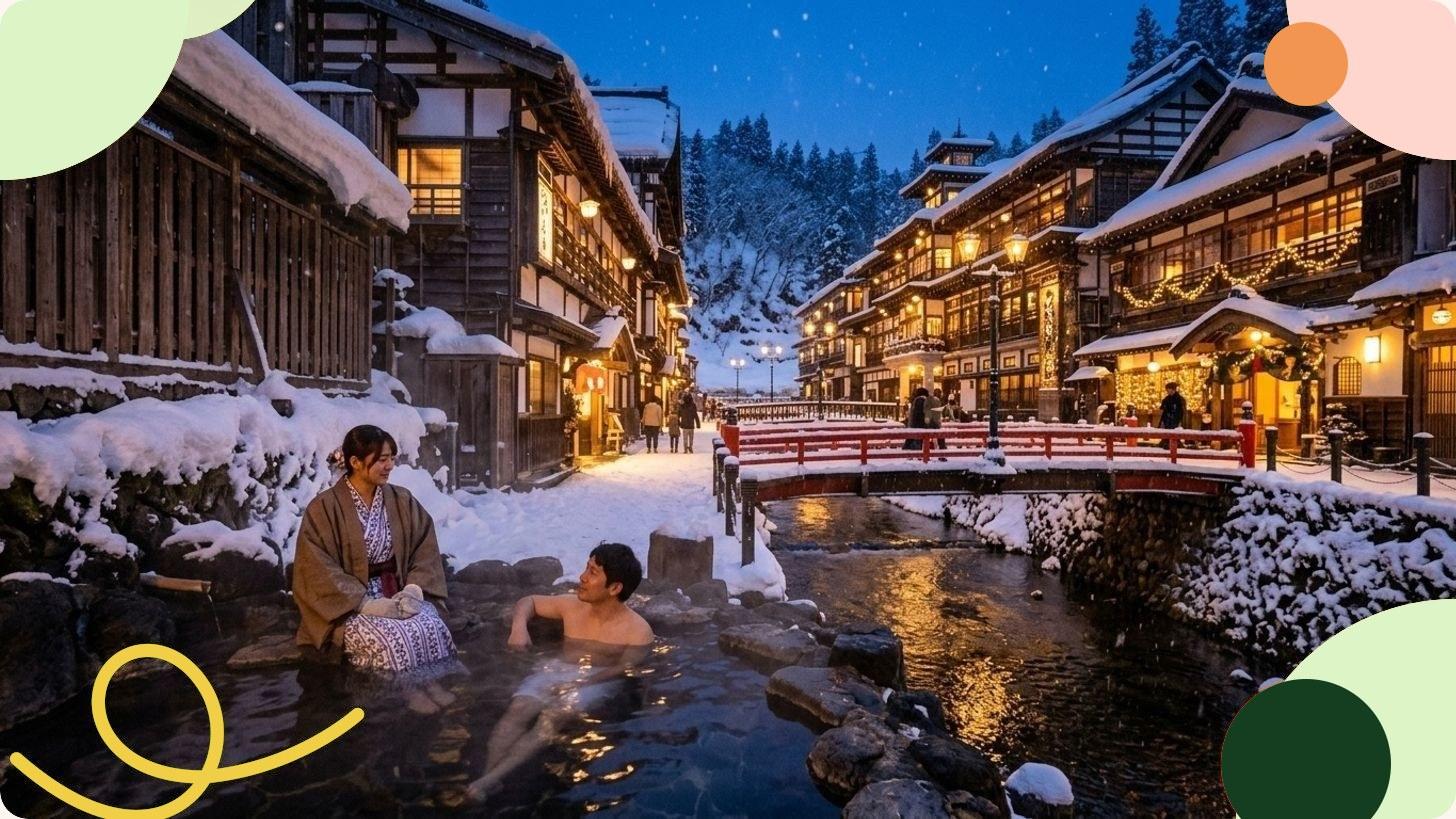
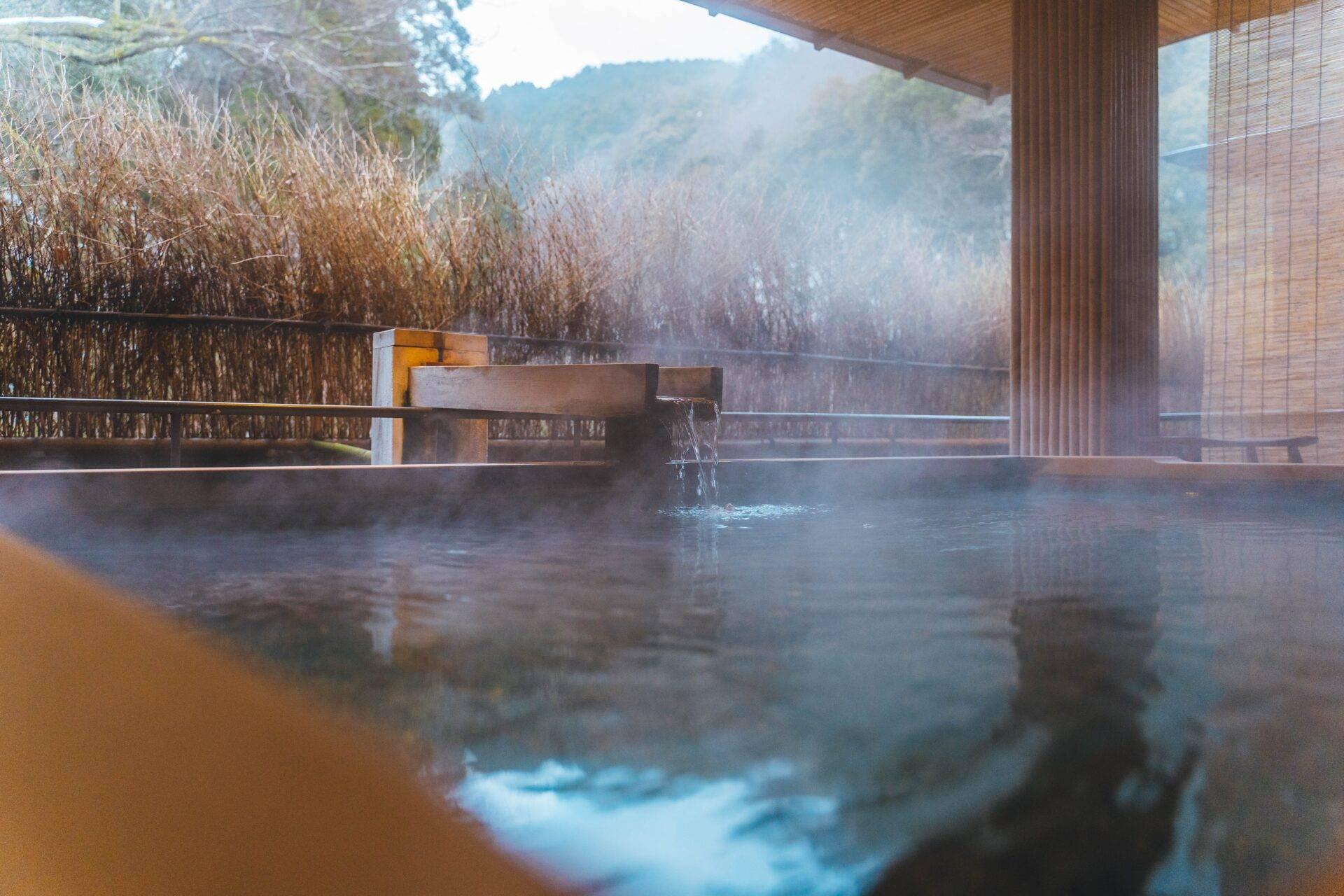
Slipping into an onsen (natural hot spring) while snow falls outside is one of Japan’s most memorable winter experiences. Mountain regions such as the Hakone area and the Japanese Alps combine warm mineral baths with snow-covered landscapes of rare, elemental beauty.
Shirakawa-go: The Postcard Village
Listed as a UNESCO World Heritage Site since 1995, the village of Shirakawa-go in the Japanese Alps is famous for its gassho-zukuri farmhouses, with steeply pitched thatched roofs at 60 degrees, engineered to bear several metres of snow. On select weekends in January and early February, evening illumination events bring the snow-laden farmhouses to life as darkness falls, creating one of the country’s most arresting winter panoramas. Tickets sell out months in advance.
Japan’s Christmas Traditions
Christmas is not a public holiday in Japan. The evening of 24 December is celebrated more as a romantic occasion, with the illuminations drawing couples out across every major city. Two culinary traditions have firmly taken hold.
KFC on Christmas Eve
Since 1974, KFC Japan’s “Kentucky for Christmas” campaign has turned fried chicken into the go-to Christmas Eve meal for millions of Japanese families. Demand is so high today that orders must be placed weeks in advance.
Kurisumasu Keki
The Japanese version of Christmas cake is a light sponge topped with whipped cream and fresh strawberries. The tradition dates back to 1910, when the confectioner Fujiya in Yokohama sold Japan’s very first Christmas cake.
Temples and Shrines: A Different Way to Mark the Season
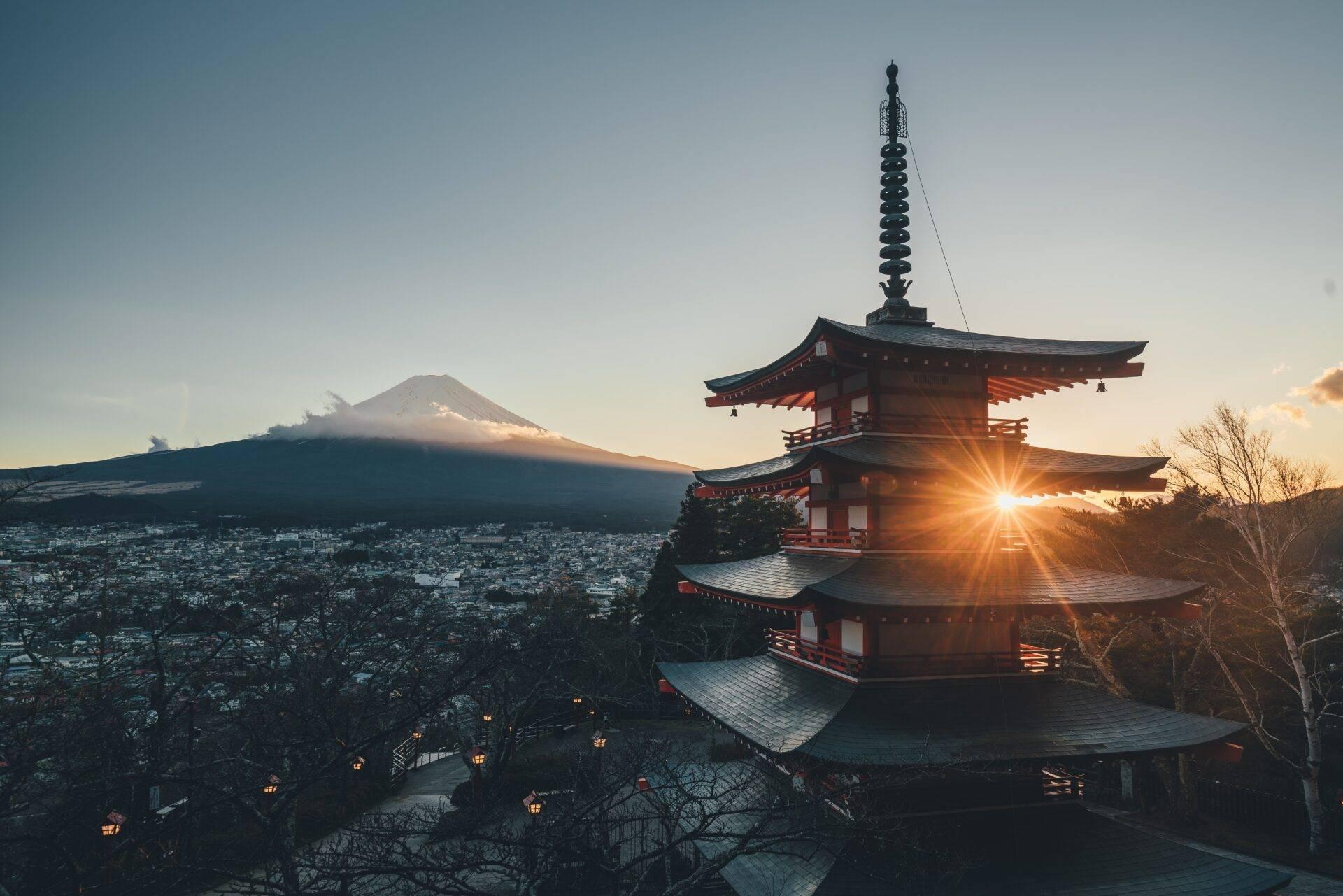
For those seeking a more contemplative atmosphere, Buddhist temples and Shinto shrines offer a striking contrast to the commercial festivities in December. Zojo-ji Temple in Tokyo is one of the most photographed spots of the season on clear nights, with snow-capped Mount Fuji framed perfectly in the background.
When to Visit Japan for the Festive Season
Illuminations generally begin in mid-November and run through early January, with some sites extending into February, including Shirakawa-go, which concentrates its evening events in January and early February. The sweet spot for combining city lights, snow at Shirakawa-go and a hot-spring soak falls between mid-December and the first week of January.
If you are weighing up other destinations, our guides to Christmas in Canada and Christmas in New York cover more ways to celebrate the winter season. For entry requirements, health cover and all the practical advice specific to the country, visit our Japan travel insurance page.
FAQ
How do Japanese people celebrate Christmas?
Christmas is not a national holiday in Japan. Christmas Eve is celebrated largely as a romantic occasion, with illuminations setting the scene for couples across the country. Two culinary traditions stand out: KFC fried chicken (a campaign dating from 1974) and kurisumasu keki, a whipped cream and strawberry sponge cake whose origins go back to 1910.
Where are the best places to see Christmas lights in Japan?
In Tokyo: Roppongi Hills (around 800,000 LEDs), Yebisu Garden Place (a 250-light Baccarat chandelier), Tokyo Dome City and Shibuya. In Osaka: Midosuji boulevard (4 km). Outside the cities: Nabana no Sato in Mie Prefecture is one of the country’s largest light events.
When do Christmas illuminations start in Japan?
Typically in mid-November, peaking during the final two weeks of December. Some sites extend their displays through January or February, including Shirakawa-go, which focuses its illumination evenings on January and early February.
Is there snow in Japan at Christmas?
In the mountain regions and on Hokkaido, snow is common from December onwards. Tokyo rarely sees snow before January, but Shirakawa-go in the Japanese Alps is generally blanketed from late November.
Do I need travel insurance to visit Japan at Christmas?
Medical costs can be very high for foreign visitors in Japan. Travel insurance covering medical expenses abroad is strongly recommended. Our Japan travel insurance page sets out the cover and formalities to arrange before you travel.